Our Issues
Public Lands
Why It Matters

Hunting & Fishing Access

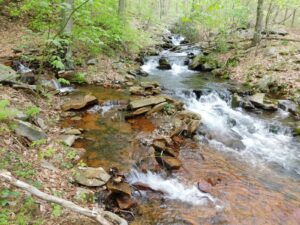
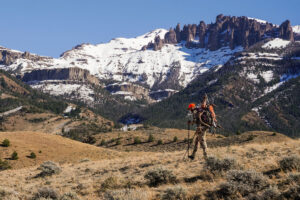
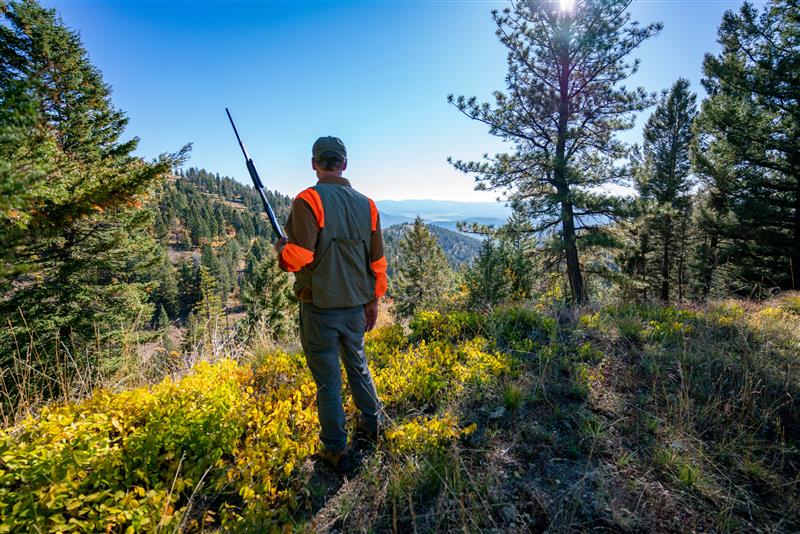
America’s 640 million acres of national public lands provide irreplaceable hunting and fishing opportunities to millions of Americans.

Learn More About Access
What TRCP is Doing

We’re working to safeguard America’s public lands so hunters and anglers always have quality places to pursue their passions.
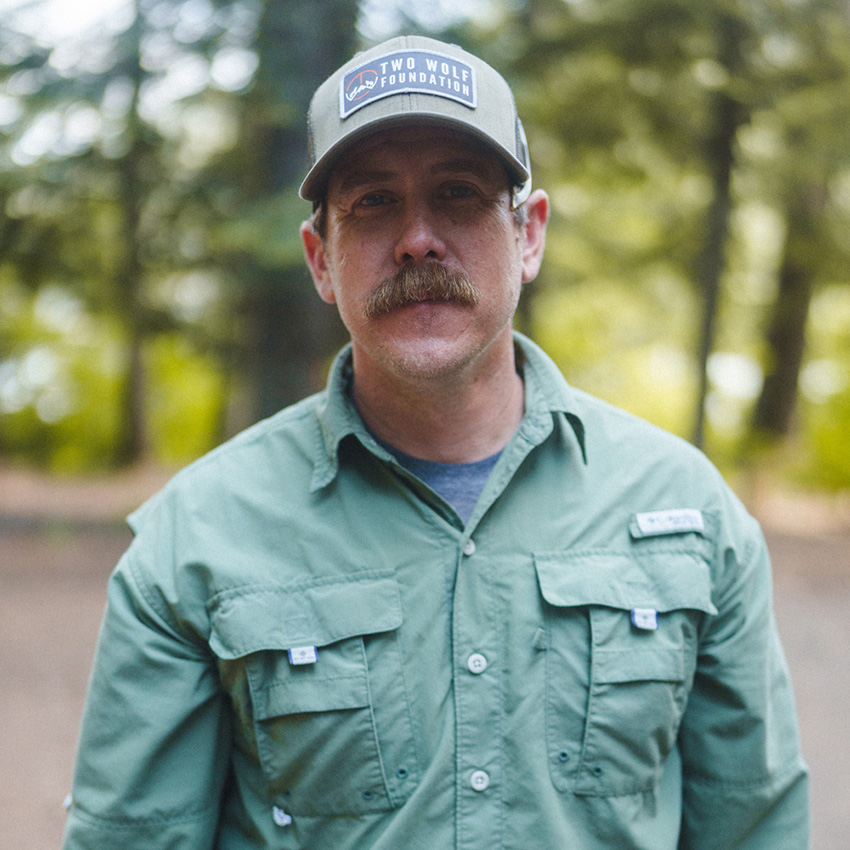
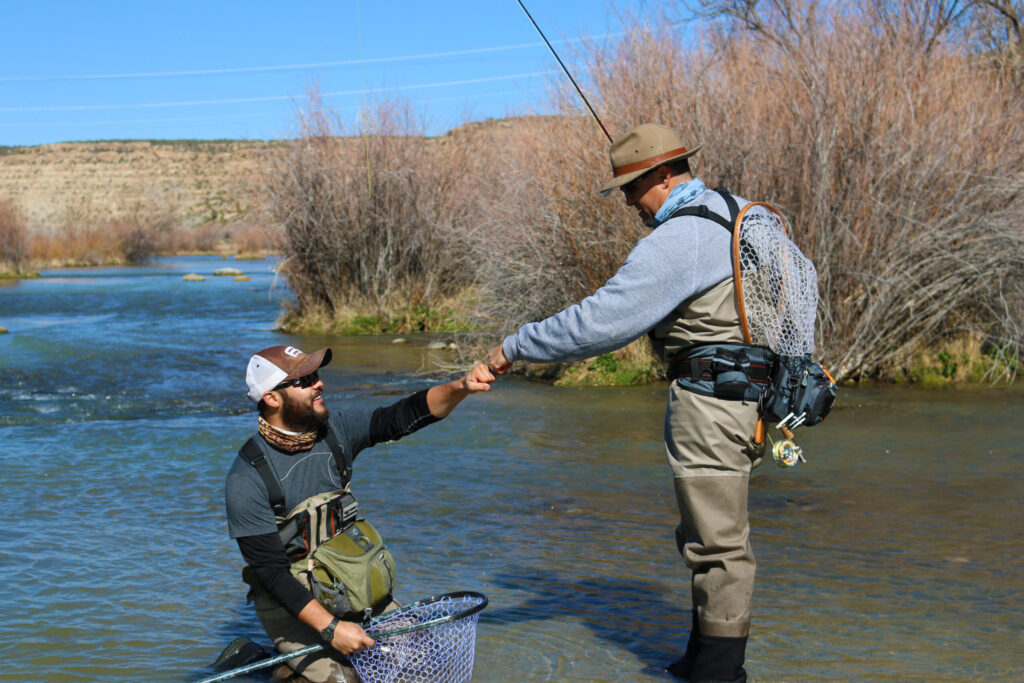
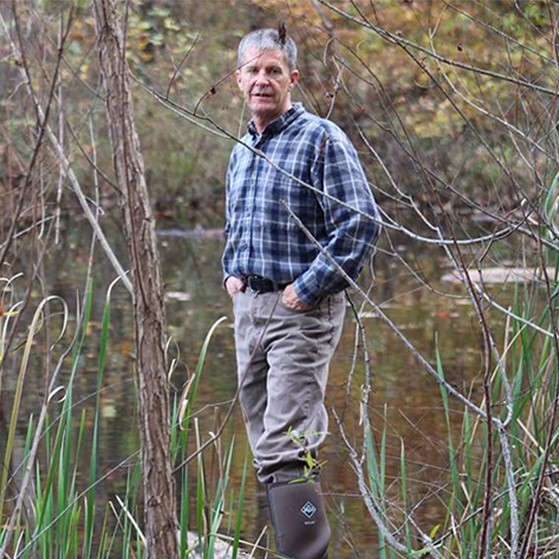
 Brian Flynn, Two Wolf Foundation
How Sportsmen Are Doing It Right

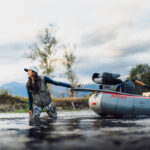
Brian Flynn, Two Wolf Foundation's Story

Following a distinguished career in the U.S. Army, lifelong outdoorsman Brian Flynn returned home from a deployment in Afghanistan and…

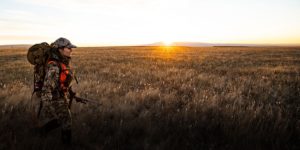
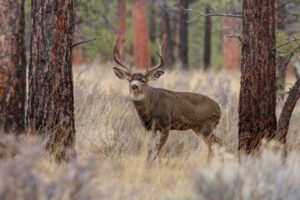
Hunting
Why It Matters

Key Issues for America’s Hunters

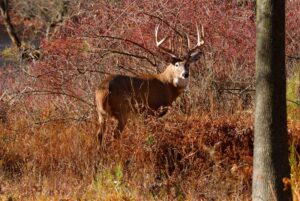
Your source for the latest policy updates, conservation challenges, and opportunities shaping America’s hunting traditions.

What TRCP is Doing

We’re fighting for meaningful policy changes that benefit wildlife, our waters, and the American landscapes that make our outdoor traditions possible.

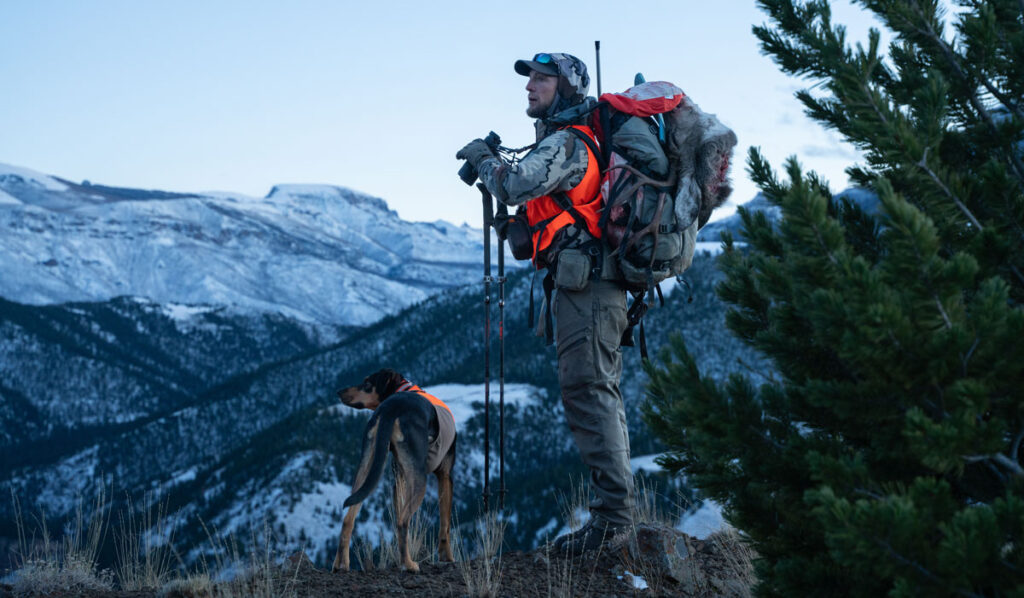
 Ryan Sparks
How Sportsmen Are Doing It Right

Ryan Sparks's Story

TRCP’s “In the Arena” series highlights the individual voices of hunters and anglers who, as Theodore Roosevelt so famously said,…
Fishing
Why It Matters

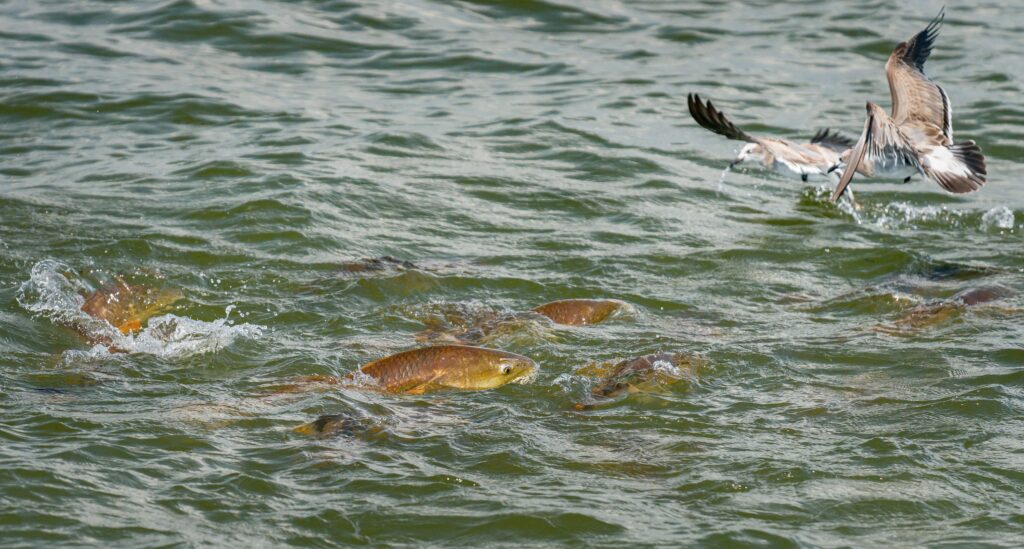
Key Issues for America’s Anglers

Your source for the latest policy updates, conservation challenges, and opportunities shaping America’s fishing traditions.

What TRCP is Doing

We’re fighting for meaningful policy changes that benefit wildlife, our waters, and the American landscapes that make our outdoor traditions possible.

 David Mangum
How Sportsmen Are Doing It Right

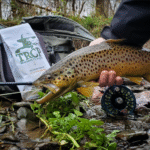
David Mangum's Story

Capt. David Mangum is a YETI ambassador and outdoor photographer who utilizes his talents to produce media that inspire a…

Private Land
Why It Matters

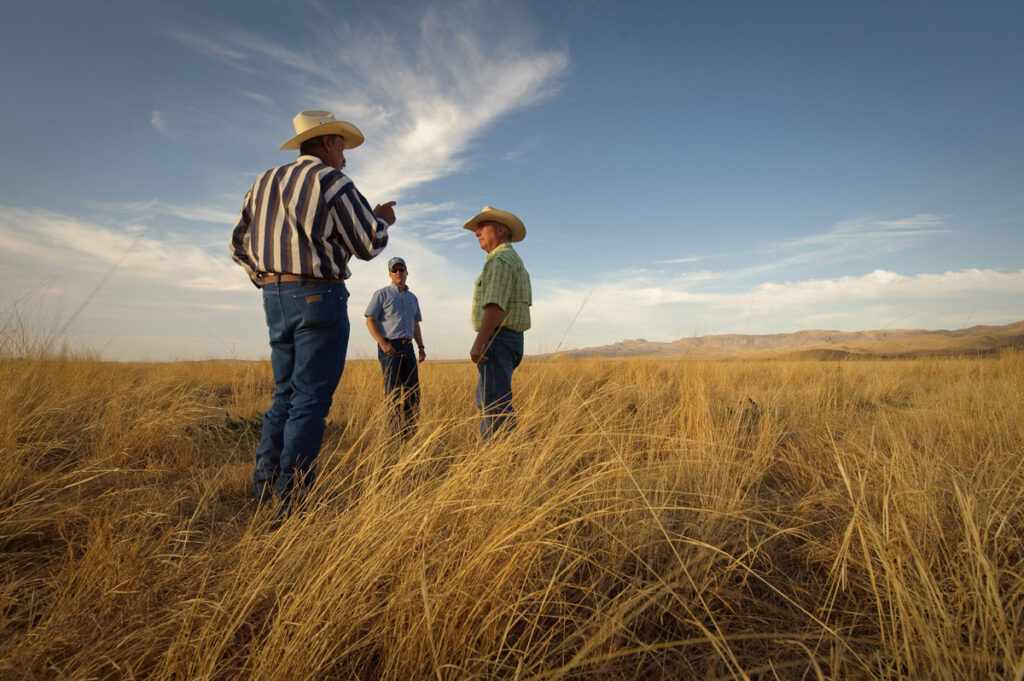
Stewardship on America’s private lands

With 70 percent of U.S. lands in private hands and many of our best hunt and fish opportunities occurring there, investing in voluntary conservation on working lands safeguards access, strengthens habitat and water quality, and ensures resilient landscapes.

Learn More
What TRCP is Doing

We champion policies and programs that restore wildlife habitat, improve soil and water health, and keep working lands productive.

 Ward Burton
How Sportsmen are Doing It Right

Ward Burton's Story

Ward Burton’s NASCAR driving career stretched across most of two decades. As an avid sportsman and conservationist, he founded the…

Special Places
Why It Matters

Special Places Worth Protecting

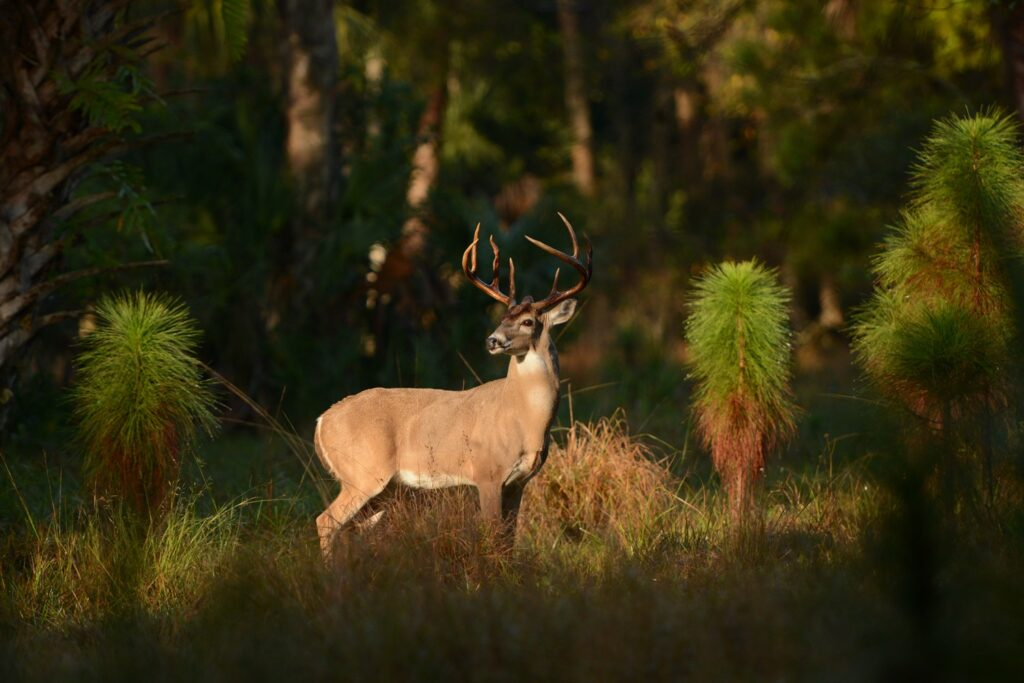
America’s most iconic landscapes provide unmatched habitat and unforgettable days afield. These places sustain wildlife, anchor local economies, and define the hunting and fishing traditions we pass down.

What TRCP is Doing

We’re working to conserve special places that provide world-class habitat and unforgettable opportunities for hunters and anglers.

 Franklin Adams
How Sportsmen Are Doing It Right

Franklin Adams's Story

As a true Gladesman, conservationist, and historian, Capt. Franklin Adams has spent more than six decades championing Everglades restoration efforts…

Habitat & Clean Water
Why It Matters

Healthy Habitat Powers Every Pursuit

All hunting and fishing opportunities depend on quality habitat, from clean water and healthy wetlands to winter and summer habitats and the migration corridors that connect them.

All About Habitat & Clean Water
What TRCP is Doing

We are working to safeguard the habitats that power every hunting and fishing opportunity.

 Alex Harvey
How Sportsmen Are Doing It Right

Alex Harvey's Story

Alex Harvey, founder of Legacy Land Management, is a registered professional forester in Mississippi and Alabama with a Master's degree…

Science
Why It Matters

Science That Guides TRCP

From conserving migration corridors and wetlands to ensuring clean water and resilient landscapes, science provides evidence that turns conservation goals into effective action.

Science for Conservation
What TRCP is Doing

For hunters and anglers, science safeguards the experiences we treasure including resilient big game populations, abundant fish, and wild places that endure changing social landscapes.

Jamelle Ellis
Your Science Expert

Jamelle Ellis's Story

Jamelle Ellis joined the Theodore Roosevelt Conservation Partnership in 2022. Jamelle spent the last three years as an environmental sustainability…

Where We Work
Across the Nation

Conservation Across America

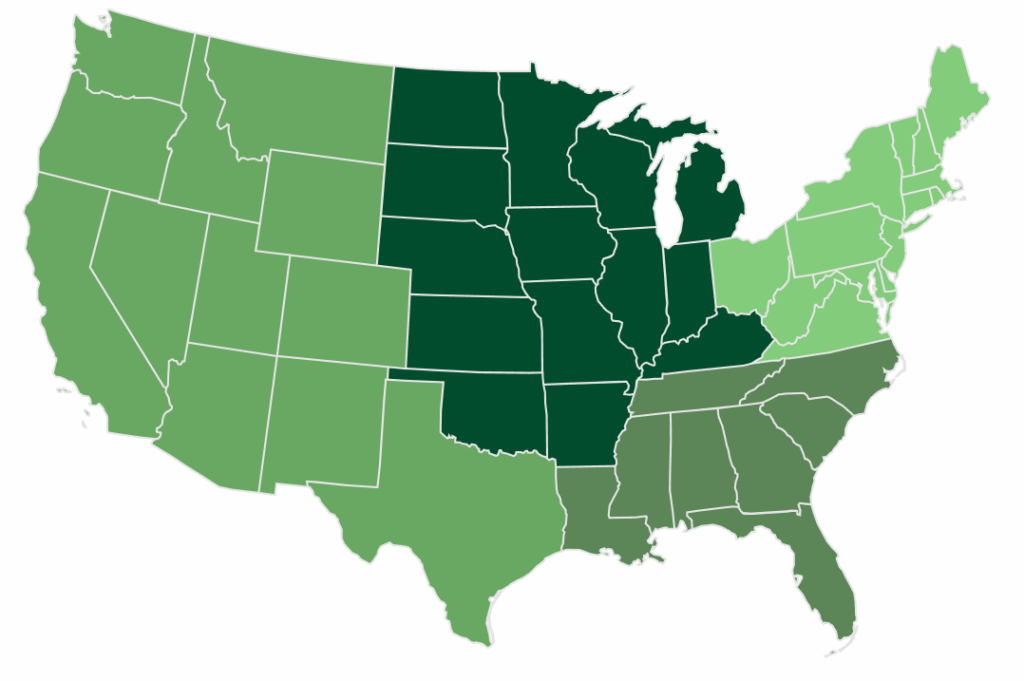
TRCP works across the country to ensure hunters and anglers can enjoy healthy fish and wildlife and quality days afield, no matter where they live.

See All Issues
TRCP in Your Region

TRCP works across the country to ensure hunters and anglers can enjoy healthy fish and wildlife and quality days afield, no matter where they live.

Who We Are
Our Mission

To guarantee all Americans quality places to hunt & fish

We unite and amplify our partners’ voices to advance America’s legacy of conservation, habitat, and access.

Our Mission & Values
Our People & Partners
  • Meet the TRCP Team

    Our staff and board members unite and amplify our partners’ voices to advance America’s legacy of conservation, habitat, and access.

    Meet the Team
  • Our Partners

    ‘Partnership’ is in our name. We work with 64 diverse partner groups that represent today’s leading hunting, fishing, and conservation organizations in order to strengthen the sportsman’s voice in Washington, D.C.

    Our Partners
  • Corporate Council

    TRCP’s Corporate Council is made up of diverse corporations that share a common passion for conservation.

    Corporate Council
Our Organization

Looking for more information?

Explore our latest news, policy updates, and conservation resources to get the information you need.

Giving
How You Can Help

To guarantee all Americans quality places to hunt & fish

Your tax-deductible donation will support TRCP's mission, now and into the future.

DONATE
Special Ways to support trcp
  • Capital Conservation Awards Dinner

    The CCAD is one of Washington's best-attended conservation celebrations, featuring dinner, cocktails, and a silent auction.

    Learn More
  • Step Into the Arena

    Help us ensure that our treasured wild habitats and game remain intact for the next generation to enjoy – lend your support to the TRCP’s efforts today!

    Donate
  • Roosevelt Roast

    TRCP has partnered with Afuera Coffee Co. to further our commitment to conservation.

    Learn More
More donation options

Find the best way for you to lend your support. Join one of TRCP’s donor circles for special invitations, premium offerings from outdoor retailers, and more exclusive benefits. Take control of your legacy with planned giving or contribute to special conservation funds.

Other Ways To Give
News
In the Spotlight

Oregon Legislature Passes Landmark “1.25 Percent for Wildlife” Act

After three legislative sessions and more than a decade of advocacy, a bipartisan coalition secures Oregon’s most significant conservation funding victory in a generation.

Read More

Stay Informed

Receive our newsletter, the Roosevelt Report, right in your inbox. Never miss the latest news in conservation issues.

by:

posted in:

March 17, 2013

Invasive Species in the Great Lakes

Did you know that one of the most serious threats to America’s outdoor heritage is invasive species? Nowhere is that threat more evident than in our own Great Lakes. Learn more.

  • Biologists and longtime sportsmen have seen firsthand the devastating effects of invasive species such as the sea lamprey eel, zebra mussels and Asian carp.
  • By wreaking havoc on equipment and on fishing and hunting, invasive species cost the American public $137 billion per year.
  • Hunters and anglers unintentionally spread invasive species from one body of water to another through boats, boots or other gear.

Do you have any thoughts on this post?

XHTML: You can use these tags: <a href="" title=""> <abbr title=""> <acronym title=""> <b> <blockquote cite=""> <cite> <code> <del datetime=""> <em> <i> <q cite=""> <s> <strike> <strong>

Comments must be under 1000 characters.

by:

posted in:

March 15, 2013

History of the American Wild Turkey

The wild turkey has been a staple of American tradition since the 1500s, but its survival has not always been certain.

  • Native only to North and Central America, the wild turkey was discovered by Europeans in Mexico in the early 1500s.
  • By the 1930s, the wild turkey population was at less than 30,000 birds; a victim of market hunting, subsistence hunting and widespread habitat destruction.
  • Over the next 50 years, state wildlife agencies funded by hunters’ dollars and working with the National Wild Turkey Federation, captured more than 200,000 wild turkeys and released them in quality wild turkey habitat.
  • Today there are more than 7 million wild turkeys roaming the woodlands and river-bottoms across the country.

by:

posted in:

Habitat Management Strategies for Alaska’s Tongass National Forest

Steven Rinella emphasizes the value of undeveloped winter range for Sitka black-tailed deer in southeastern Alaska’s Tongass National Forest.

• Created by Theodore Roosevelt in 1908, the Tongass National Forest is the largest national forest in the United States at 17 million acres.

• Safeguarding the last remaining undeveloped forests in the Tongass National Forest is key to maintaining the region’s high deer populations and high quality hunting.

• The U.S. Department of Agriculture and others are working to transition the traditional southeast Alaska economy so public lands management benefits both people and wildlife.

• The proposed “Sealaska” legislation could end public ownership and access on more than 70,000 acres of the highest quality national forest lands in southeast Alaska.

by:

posted in:

Video: Future of the Farm Bill

Ducks Unlimited’s governmental affairs staff sit down to discuss the future of the Farm Bill with Rep. Kristi Noem (SD) and Rep. Tim Walz (MN). Watch the video below to find out where conservation, commerce and our sporting trations fit in.

by:

posted in:

March 12, 2013

Not in the Job Description

“You want me to wake up at what time to fish?” This was the first sentence I clearly remember saying to my new boss Christen Duxbury when she told me the itinerary for the TRCP staff retreat.

I had started as the TRCP communications intern the week before, and while I grew up in northwestern Pennsylvania and loved fishing for bluegill, waking up at 4 a.m. to fish with my boss and coworkers was not my idea of fun.

The TRCP’s (from left to right) Kendra Bailey, Christen Duxbury, Annie Wilson, Michelle Dietz and Mia Sheppard at a staff retreat.

Unable to feign illness, I showed up and joined the rest of the team in the quest for stripers. And while I was not exactly bright-eyed and bushy tailed, it was my first glimpse into what I signed up for with the TRCP. The level of dedication and enthusiasm present among TRCP staff was palpable.

Some work the daily 9-5 grind to collect a paycheck – TRCP staffers work around the clock because they deeply care about their work. Each one would rather be romping around the great outdoors with a gun or a pole in hand. Instead, more than half of TRCP employees are surrounded by concrete and cubicles in Washington, D.C.  These staffers have the foresight to recognize that by coming into work every day they are helping ensure future generations of sportsmen quality places to hunt and fish – and that if they failed to show up, hunting and fishing would remain at risk.

Throughout my seven-month internship I worked with people like Brandon Helm, who watches a video of a trout stream each morning for inspiration to keep influencing policy for the benefits of sportsmen and the fish and wildlife upon which they depend. Or Duxbury, the public-lands hunting, trail-running bundle of energy who keeps the outdoor community informed about conservation policy. And Bob Hale, TRCP’s numbers man, who takes afternoon walks around the city to escape his office.

I thought I knew hunting and fishing enthusiasts growing up, but working at the TRCP revealed to me a new level of dedication. These people possess enthusiasm not just for the outdoor experience but also for the prolonged conservation and well-being of outdoor resources in this country. Working for the TRCP was an eye-opening experience, not just because of how much I learned professionally, but because the contagious passion of the staff members.

Even if they did make me get up at 4 a.m.

Editor’s note: The TRCP offers internship positions in communications and conservation policy. To learn more contact cduxbury@trcp.org or bhelm@trcp.org.

HOW YOU CAN HELP

TRCP has partnered with Afuera Coffee Co. to further our commitment to conservation. $4 from each bag is donated to the TRCP, to help continue our efforts of safeguarding critical habitats, productive hunting grounds, and favorite fishing holes for future generations.

Learn More
Subscribe


You have Successfully Subscribed!

You have Successfully Subscribed!

You have Successfully Subscribed!

You have Successfully Subscribed!

You have Successfully Subscribed!