Our Issues
Public Lands
Why It Matters

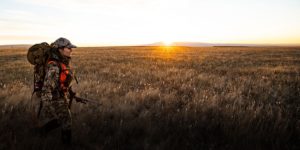
Hunting & Fishing Access

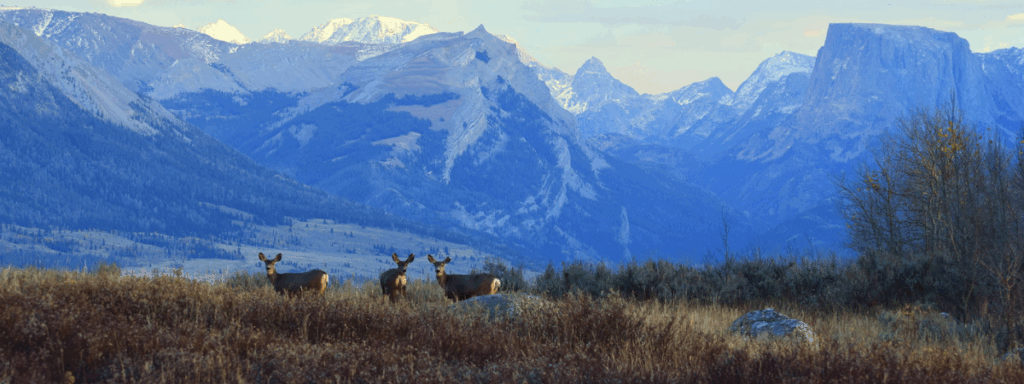
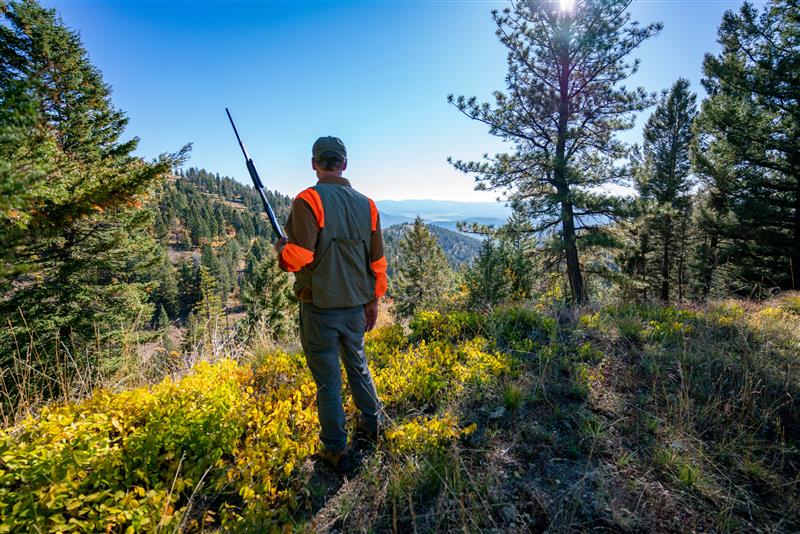
America’s 640 million acres of national public lands provide irreplaceable hunting and fishing opportunities to millions of Americans.

Learn More About Access
What TRCP is Doing

We’re working to safeguard America’s public lands so hunters and anglers always have quality places to pursue their passions.
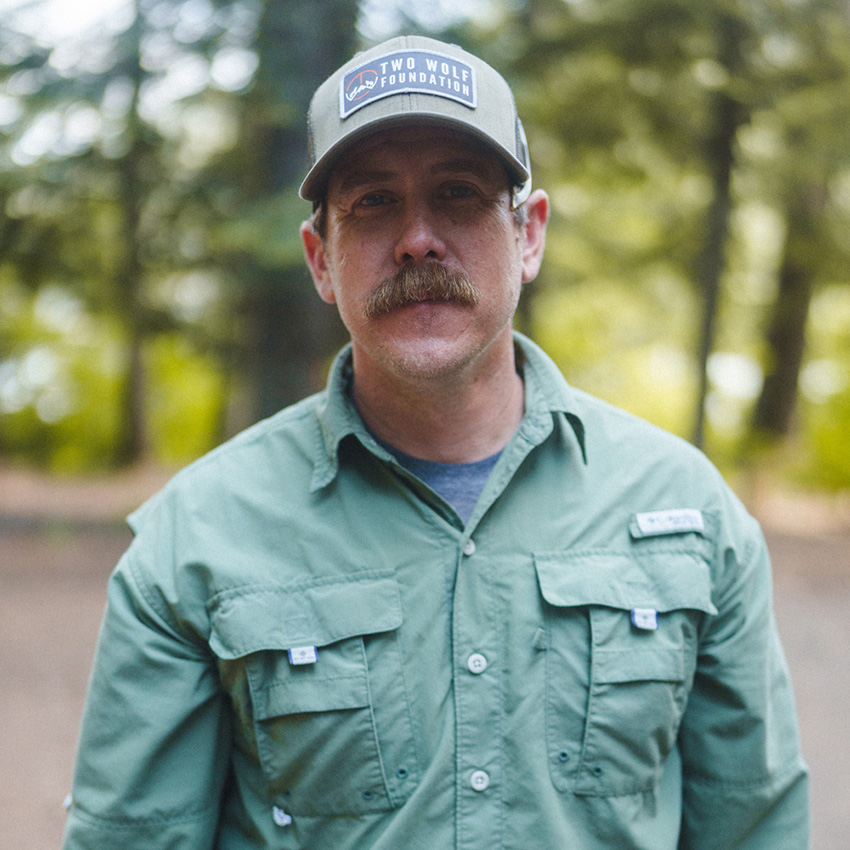
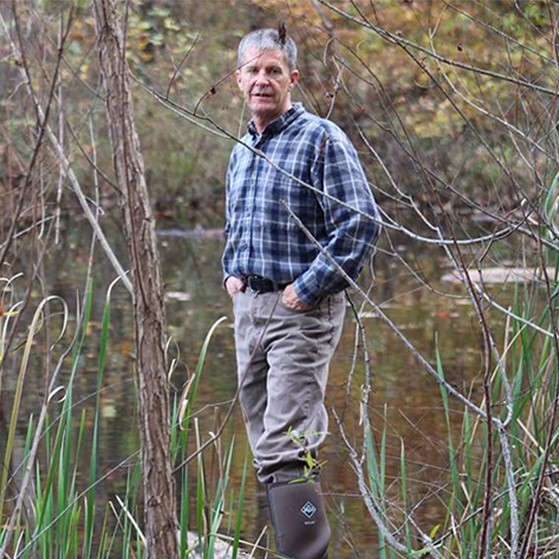
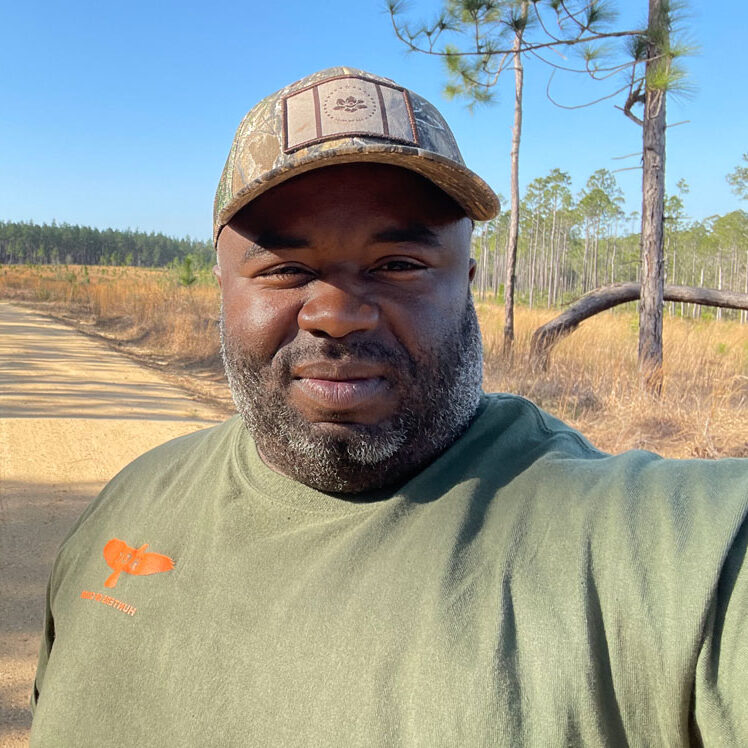
 Brian Flynn, Two Wolf Foundation
How Sportsmen Are Doing It Right

Brian Flynn, Two Wolf Foundation's Story

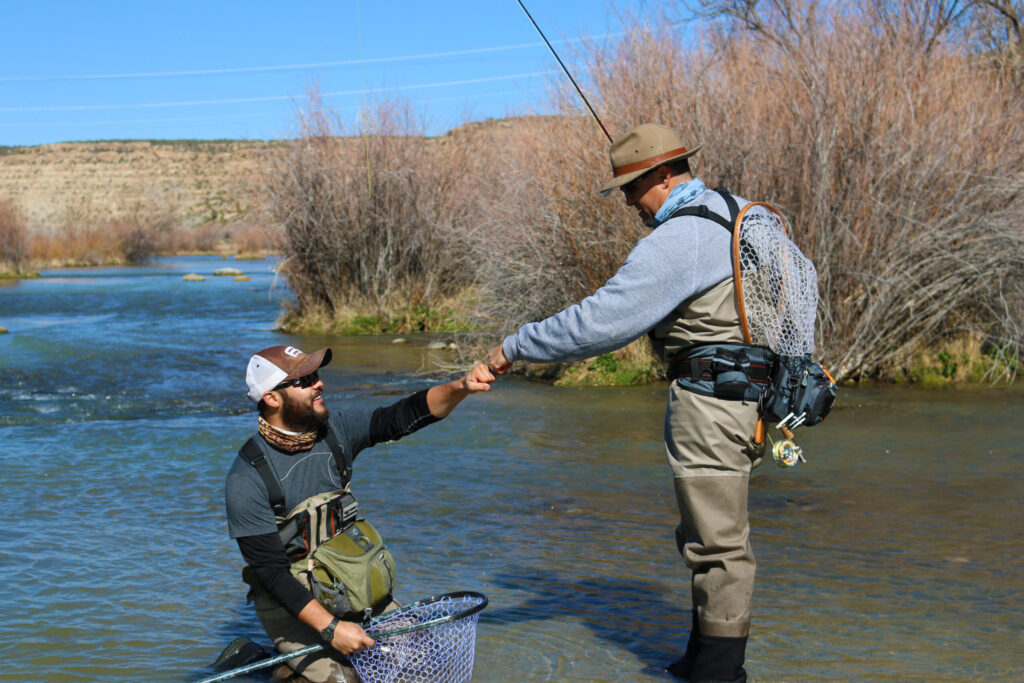
Following a distinguished career in the U.S. Army, lifelong outdoorsman Brian Flynn returned home from a deployment in Afghanistan and…


Hunting
Why It Matters

Key Issues for America’s Hunters

Your source for the latest policy updates, conservation challenges, and opportunities shaping America’s hunting traditions.

What TRCP is Doing

We’re fighting for meaningful policy changes that benefit wildlife, our waters, and the American landscapes that make our outdoor traditions possible.

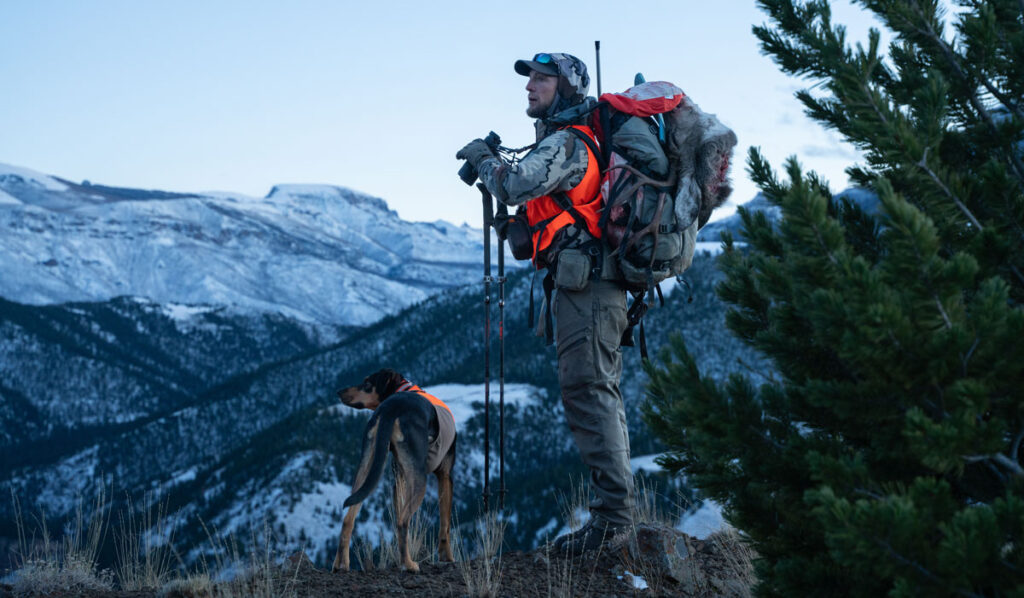
 Ryan Sparks
How Sportsmen Are Doing It Right

Ryan Sparks's Story

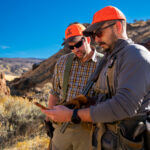
TRCP’s “In the Arena” series highlights the individual voices of hunters and anglers who, as Theodore Roosevelt so famously said,…

Fishing
Why It Matters

Key Issues for America’s Anglers

Your source for the latest policy updates, conservation challenges, and opportunities shaping America’s fishing traditions.

What TRCP is Doing

We’re fighting for meaningful policy changes that benefit wildlife, our waters, and the American landscapes that make our outdoor traditions possible.

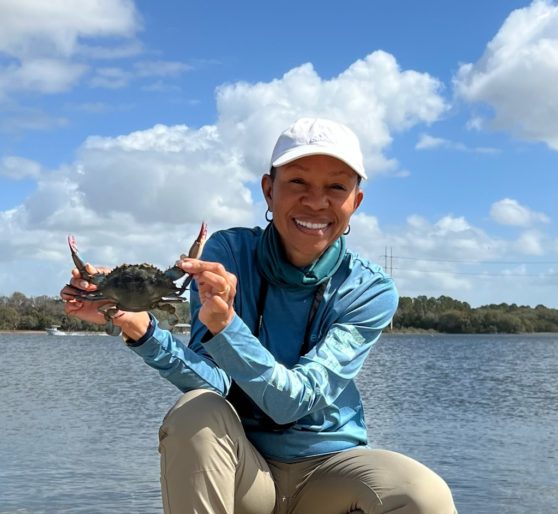
 David Mangum
How Sportsmen Are Doing It Right

David Mangum's Story

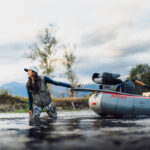
Capt. David Mangum is a YETI ambassador and outdoor photographer who utilizes his talents to produce media that inspire a…

Private Land
Why It Matters

Stewardship on America’s private lands

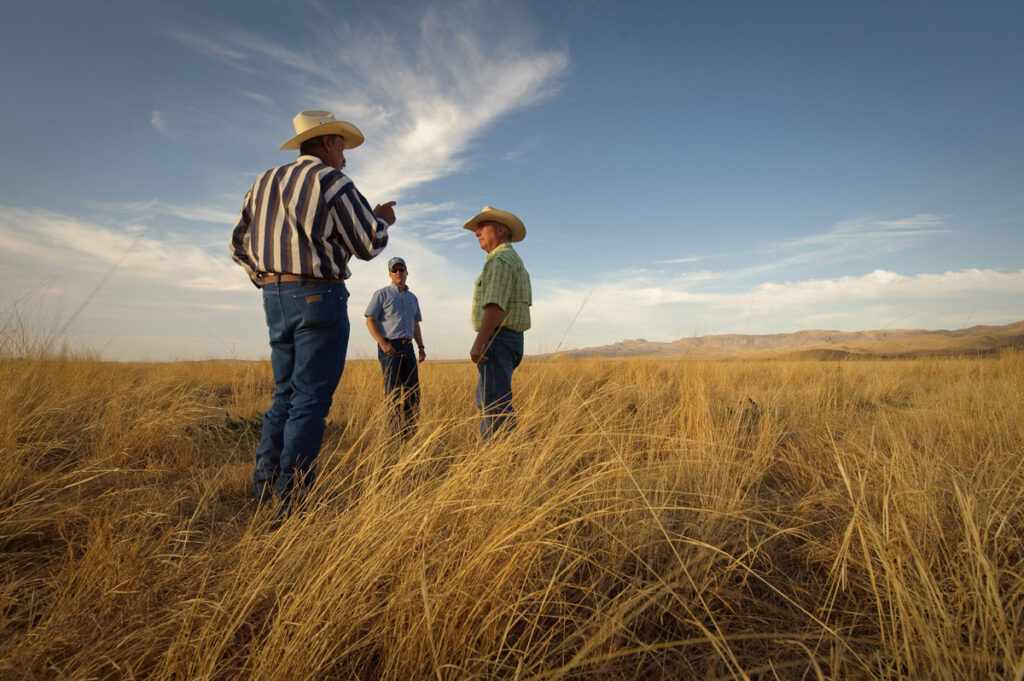
With 70 percent of U.S. lands in private hands and many of our best hunt and fish opportunities occurring there, investing in voluntary conservation on working lands safeguards access, strengthens habitat and water quality, and ensures resilient landscapes.

Learn More
What TRCP is Doing

We champion policies and programs that restore wildlife habitat, improve soil and water health, and keep working lands productive.

 Ward Burton
How Sportsmen are Doing It Right

Ward Burton's Story

Ward Burton’s NASCAR driving career stretched across most of two decades. As an avid sportsman and conservationist, he founded the…

Special Places
Why It Matters

Special Places Worth Protecting

America’s most iconic landscapes provide unmatched habitat and unforgettable days afield. These places sustain wildlife, anchor local economies, and define the hunting and fishing traditions we pass down.

What TRCP is Doing

We’re working to conserve special places that provide world-class habitat and unforgettable opportunities for hunters and anglers.

 Franklin Adams
How Sportsmen Are Doing It Right

Franklin Adams's Story

As a true Gladesman, conservationist, and historian, Capt. Franklin Adams has spent more than six decades championing Everglades restoration efforts…

Habitat & Clean Water
Why It Matters

Healthy Habitat Powers Every Pursuit

All hunting and fishing opportunities depend on quality habitat, from clean water and healthy wetlands to winter and summer habitats and the migration corridors that connect them.

All About Habitat & Clean Water
What TRCP is Doing

We are working to safeguard the habitats that power every hunting and fishing opportunity.

 Alex Harvey
How Sportsmen Are Doing It Right

Alex Harvey's Story

Alex Harvey, founder of Legacy Land Management, is a registered professional forester in Mississippi and Alabama with a Master's degree…

Science
Why It Matters

Science That Guides TRCP

From conserving migration corridors and wetlands to ensuring clean water and resilient landscapes, science provides evidence that turns conservation goals into effective action.

Science for Conservation
What TRCP is Doing

For hunters and anglers, science safeguards the experiences we treasure including resilient big game populations, abundant fish, and wild places that endure changing social landscapes.

Jamelle Ellis
Your Science Expert

Jamelle Ellis's Story

Jamelle Ellis joined the Theodore Roosevelt Conservation Partnership in 2022. Jamelle spent the last three years as an environmental sustainability…

Where We Work
Across the Nation

Conservation Across America

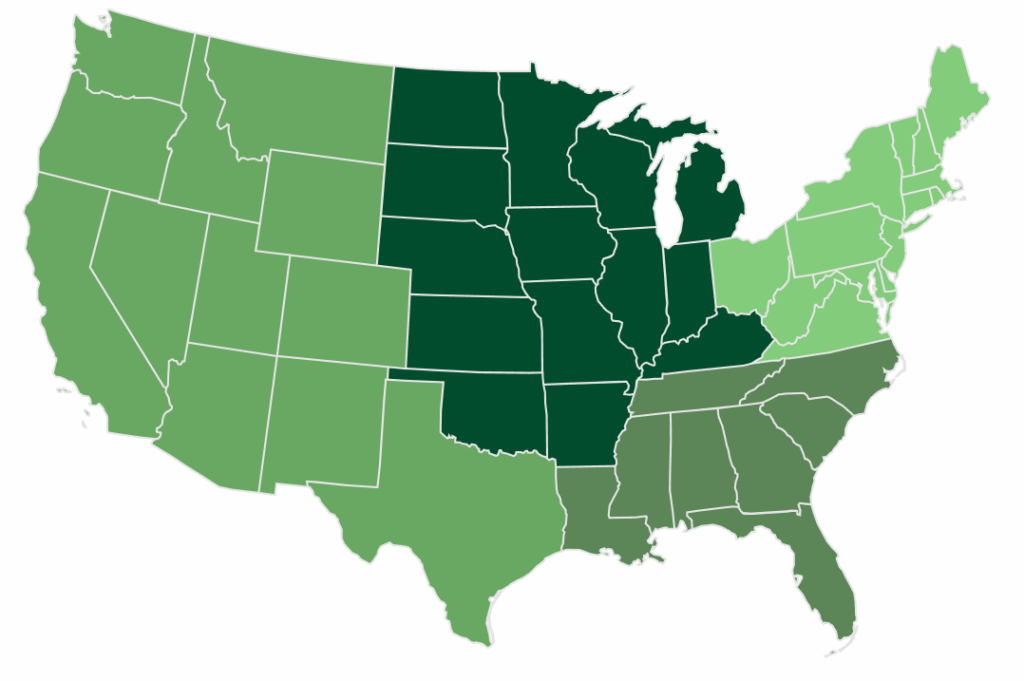
TRCP works across the country to ensure hunters and anglers can enjoy healthy fish and wildlife and quality days afield, no matter where they live.

See All Issues
TRCP in Your Region

TRCP works across the country to ensure hunters and anglers can enjoy healthy fish and wildlife and quality days afield, no matter where they live.

Who We Are
Our Mission

To guarantee all Americans quality places to hunt & fish

We unite and amplify our partners’ voices to advance America’s legacy of conservation, habitat, and access.

Our Mission & Values
Our People & Partners
  • Meet the TRCP Team

    Our staff and board members unite and amplify our partners’ voices to advance America’s legacy of conservation, habitat, and access.

    Meet the Team
  • Our Partners

    ‘Partnership’ is in our name. We work with 64 diverse partner groups that represent today’s leading hunting, fishing, and conservation organizations in order to strengthen the sportsman’s voice in Washington, D.C.

    Our Partners
  • Corporate Council

    TRCP’s Corporate Council is made up of diverse corporations that share a common passion for conservation.

    Corporate Council
Our Organization

Looking for more information?

Explore our latest news, policy updates, and conservation resources to get the information you need.

Giving
How You Can Help

To guarantee all Americans quality places to hunt & fish

Your tax-deductible donation will support TRCP's mission, now and into the future.

DONATE
Special Ways to support trcp
  • Capital Conservation Awards Dinner

    The CCAD is one of Washington's best-attended conservation celebrations, featuring dinner, cocktails, and a silent auction.

    Learn More
  • Step Into the Arena

    Help us ensure that our treasured wild habitats and game remain intact for the next generation to enjoy – lend your support to the TRCP’s efforts today!

    Donate
  • Roosevelt Roast

    TRCP has partnered with Afuera Coffee Co. to further our commitment to conservation.

    Learn More
More donation options

Find the best way for you to lend your support. Join one of TRCP’s donor circles for special invitations, premium offerings from outdoor retailers, and more exclusive benefits. Take control of your legacy with planned giving or contribute to special conservation funds.

Other Ways To Give
News
In the Spotlight

In the Arena: Josh Warren

For many hunters and anglers, the connection to conservation begins close to home — in the woods behind the house, along a familiar stretch of river, or through time spent learning from mentors and family. That sense of place is something Joshua Warren carries with him, both personally and professionally. As Director of Marketing at WorkSharp, Josh represents a company rooted in Ashland, Oregon, a community defined by its access to public lands and wild country.

Read More

Stay Informed

Receive our newsletter, the Roosevelt Report, right in your inbox. Never miss the latest news in conservation issues.

May 20, 2022

Video: Restoring Longleaf Pines with the Conservation Reserve Program

How one farmer uses the Farm Bill’s most popular conservation program to benefit deer, quail, turkeys, and other species across 104 acres in Georgia

Georgia farmer Hal Avery has had 104 acres of his land enrolled in the Farm Bill’s Conservation Reserve Program since 2015, when he began restoring longleaf pine forest and its native understory of warm-season grasses to benefit wildlife and soil and water quality.

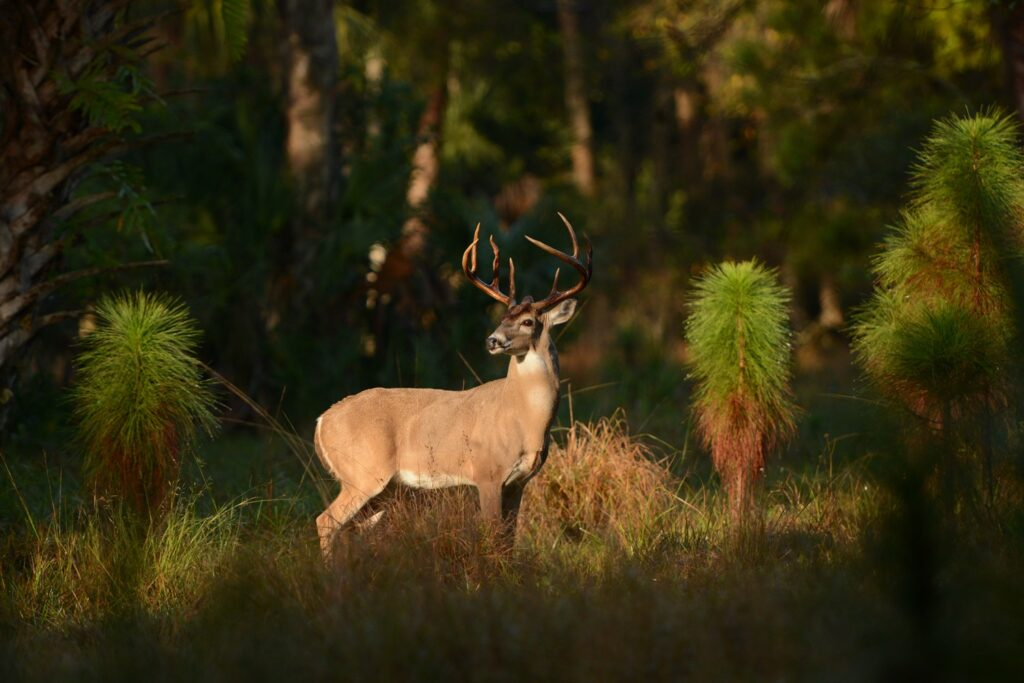
Longleaf pine forests are some of the most diverse ecosystems in North America and serve as critical habitat for bobwhite quail, wild turkeys, whitetail deer, and hundreds of other species. They are also naturally resilient to drought, extreme weather, and wildfire, while capable of storing carbon to combat climate change.

Private landowners like Hal have an important role to play in restoration efforts that boost habitat connectivity and climate change defenses one acre at a time. Watch the video to hear his story.

Learn more about the Conservation Reserve Program and other Farm Bill conservation programs here.


Top photo by Justin Meissen via flickr

One Response to “Video: Restoring Longleaf Pines with the Conservation Reserve Program”

  1. Steven Inman

    This is an awesome transformation of the land through the CRP to benefit wildlife by improving their habitat. Hal Avery is a true conversationalist!

Do you have any thoughts on this post?

XHTML: You can use these tags: <a href="" title=""> <abbr title=""> <acronym title=""> <b> <blockquote cite=""> <cite> <code> <del datetime=""> <em> <i> <q cite=""> <s> <strike> <strong>

Comments must be under 1000 characters.

May 12, 2022

Senate Committee Advances Important Water Resources Legislation

What the Water Resources Development Act can do for the Everglades, Gulf coast, and iconic watersheds of the West 

The Senate Environmental and Public Works Committee recently voted unanimously to advance the Water Resources Development Act of 2022, important two-year legislation that authorizes the U.S. Army Corps of Engineers to carry out flood control, improve waterways, and conduct ecosystem restoration work. Past WRDA bills have also addressed water infrastructure policy and financing.

Why WRDA Matters

The TRCP has long advocated for conservation priorities in the biennial WRDA process because it presents several opportunities to support federal investments in ecosystem restoration and natural infrastructure approaches that benefit fish and wildlife habitat.

Hunters and anglers may not know that the Corps is the primary federal manager of the nation’s water resources and plays a critical role in planning, designing, and implementing water resource projects, while protecting communities from floods and other natural hazards. The Corps’ mission area also includes ecosystem restoration, and it is a driving force behind the implementation of many largescale projects that benefit sportsmen and sportswomen, particularly in the Everglades and Mississippi River Delta.

More recent WRDAs have expanded the Corps’ focus to include implementing natural infrastructure approaches—where healthy habitat can help solve infrastructure challenges, such as restoring floodplains and coastal wetlands to reduce the vulnerability of critical infrastructure and communities to natural disasters. Wetland and riparian restoration projects provide numerous public benefits while boosting the habitat that supports sportfish, waterfowl, and other species.

So, hunters and anglers should take note as WRDA moves through Congress this year. A strong WRDA ensures that the Corps has the authorization to carry out restoration and prioritize natural infrastructure across the country.

What to Watch for in WRDA ‘22

Thanks in large part to the TRCP and our partners’ advocacy efforts, the Senate version of the Water Resources Development Act of 2022 includes several important victories for hunters and anglers as it heads for a floor vote. The bill clarifies the federal cost-share for ecosystem restoration in the Mississippi River Gulf Outlet, lowers the local cost burdens for the Mississippi River Interbasin Project and the Lower Mississippi River Comprehensive Study, and would expedite a western Everglades ecosystem restoration study.

Importantly, the legislation also calls for the Corps to conduct a study evaluating the benefits of utilizing natural infrastructure approaches, such as restoring source watersheds to enhance the resilience of Western water supplies, critical water storage, and delivery infrastructure to drought and wildfire. Across the West, drought and fire are reducing the quantity of water available to fish, wildlife, agricultural producers, and residents, and degrading the quality of water as post-fire debris flows downstream.

Emerging evidence indicates that nature-based solutions, such as restoring wetland systems upstream of critical water infrastructure, can help to mitigate these impacts, but additional research and demonstration will be helpful in encouraging greater utilization of nature-based approaches. If WRDA passes with this provision, the Corps would utilize information gained from the study to further integrate nature-based approaches into Western water management in ways that benefit people and the environment.

This year’s WRDA is still only partway through the legislative process, and the TRCP will continue to look for additional opportunities to expand the use of natural infrastructure in the USACE’s work. For example, there could be a reduced cost-share on natural infrastructure projects to ensure that disadvantaged communities can access them. A holistic accounting of the benefits of natural infrastructure would enable these projects to be more competitive with (and ultimately considered over) traditional gray infrastructure.

Learn more about natural infrastructure and what TRCP is doing to advance these solutions.


Top photo by Bob Wick / BLM Colorado via Flickr.

May 10, 2022

Join the Businesses Urging Louisiana Lawmakers to Pass Bipartisan Pogie Bill

Local, national, and global fishing companies and manufacturers are showing their support for Louisiana HB 1033 

More than 50 recreational fishing businesses are standing up for Louisiana’s coastal habitats and outdoor recreation economy by supporting House Bill 1033. Introduced by Representatives Joe Orgeron, Bryan Fontenot, Scott McKnight, and Vincent Pierre, the legislation would create an annual catch limit on menhaden reduction fishing in Louisiana state waters and implement reporting requirements for the first time.

The Louisiana House of Representatives voted to advance the bill (75-22) on April 27—it moves to the Senate in the coming days and weeks.

The TRCP and its partners are leading an effort to harness the voices of local, national, and even global interests that weigh out the two foreign-owned companies that object to careful monitoring and regulation of their industrial menhaden fishing operations. To date, more than 50 companies have signed on to a letter urging the Louisiana Legislature and Governor John Bel Edwards to enact HB 1033.

These businesses understand that commonsense regulations will help to keep enough menhaden in the water to serve as forage for important game fish like speckled trout, redfish, and mackerel. It will also support Louisiana’s $1.15-billion recreational fishing economy and 17,000 jobs.

These companies are dedicated to the conservation of Louisiana’s world-renowned fish and wildlife habitats, as well as the protection of our coastal economy and culture. To join them, email Chris Macaluso, TRCP’s director of marine fisheries. 

Individual anglers can take action right here. HB 1033 will be heard in the Senate Natural Resources Committee within the next few weeks—don’t delay! Let your senator know that you support this commonsense pogie legislation.


Click here to learn more about the importance of menhaden in the Gulf and Atlantic and take action in support of conservation.

Top photo by Louisiana Sea Grant via Flickr.

May 3, 2022

TRCP Applauds Advancement of America’s Outdoor Recreation Act

Senate Energy and Natural Resources Committee moves legislation important to public land recreation 

Hunters and anglers lauded today’s passage in the Senate Energy and Natural Resources Committee of the America’s Outdoor Recreation Act of 2022, a legislative package related to public land access and outdoor recreation. In addition to this important legislation, introduced by committee chairman Senator Joe Manchin (D-W.Va.) and ranking member Senator John Barrasso (R-Wyo.), the committee considered other bills pertaining to public land conservation, including the Colorado Outdoor Recreation & Economy Act.

“America’s Outdoor Recreation Act will make our public lands more accessible to all Americans by modernizing agency rules and processes and enhancing recreation infrastructure across the country,” said Whit Fosburgh, president and CEO of the Theodore Roosevelt Conservation Partnership. “This bipartisan bill reflects the importance of these shared spaces to outdoor recreation. Hunters and anglers thank leadership and members of both parties in the Senate Energy & Natural Resources Committee for moving this legislation forward.”


Top photo courtesy of BLM Colorado via Flickr.

April 21, 2022

Six Conservation Priorities Congress Should Tackle Before August Recess

As session days become more limited, lawmakers should seal the deal on these conservation wins 

Spend any time around federal policymaking and you’ll quickly get a sense of the rhythm of legislating. To perhaps oversimplify things, Congress and the administration spar over funding levels in the spring, make the rounds to constituents during August recess, and do last-minute legislating in December.

This tempo, however, is complicated during election years. Incumbent legislators need victories to bring back to constituents in the summer and floor-time in the fall is eaten up by campaigning. If major legislation isn’t passed before August, the next opportunity is often a lame duck session in December.

So, while not the very last chance to act, the next few months will be critical to the future of some conservation solutions. Here’s what we want to see between now and early August.

Floor Action on the Recovering America’s Wildlife Act

The Recovering America’s Wildlife Act, if enacted, would invest nearly $1.4 billion annually in state and Tribal wildlife agencies for proactive conservation of thousands of species vulnerable to listing under the Endangered Species Act and also provides funding for collaborative partnerships to voluntarily conserve habitat and recover species already listed as threatened or endangered. In short, the bill would make a generational investment in wildlife habitat conservation.

The House Natural Resources Committee passed its version of RAWA earlier this year, followed by the Senate EPW Committee earlier this month. Now, both pieces of legislation await consideration before their respective chambers. While differences between the bills remain, and negotiations over the bill’s ‘pay-for’ are ongoing, RAWA is further along than ever before and primed for floor consideration. The TRCP, our partners, and conservationists nationally continue to work with lawmakers and staff to see this landmark legislation pass.

Passage of the Water Resources Development Act

The Water Resources Development Act authorizes water management and conservation projects at the U.S. Army Corps of Engineers. The two-year bill is critical to water infrastructure maintenance and management in the United States, affecting not just commerce and agriculture, but also fish habitat and aquatic ecosystems.

House and Senate committees began holding hearings on the 2022 WRDA earlier this year and heard feedback on priorities for the bill in March. The TRCP and our partner groups have been working with key lawmakers in both chambers to include provisions that support natural infrastructure projects—those that use the power of habitat to solve infrastructure challenges or even replace gray infrastructure—and build climate resilience.

The House and the Senate are expected to consider and pass their own versions of the 2022 WRDA in the coming months.

With some provisions in the existing 2020 WRDA scheduled to expire in December, lawmakers will look to align the House and Senate versions as soon as possible and send a final bill to the president’s desk. For that reason, it’s vital that the TRCP and our partner groups continue to be engaged and ensure that conservation measures remain in the final bill.

Senate Introduction of the CWD Research and Management Act

In late 2021, the Chronic Wasting Disease Research and Management Act was introduced in the House of Representatives by Reps Ron Kind and Glenn Thompson and was quickly passed by an overwhelming margin (393-33)—but we still need the Senate to act. The TRCP and partner organizations focused on wild deer and deer hunting are actively working with a bipartisan group of senators to bring forth the bill’s introduction in that chamber.

If enacted, the bill would provide $35 million annually to state agencies for CWD suppression and an additional $35 million for research into the disease and management techniques. We look forward to the bill’s introduction and expeditious consideration in the coming months.

Importantly, the bill also directs the USDA to carry out a public review of the Herd Certification Program, which is the federal standard by which states accredit captive cervid operations as “low-risk” for CWD spread. This review is critical now more than ever, as CWD detections originating from HCP-accredited facilities increase in frequency and voluntary participation in the program continues to decline.

Bipartisan Introduction of the North American Grasslands Conservation Act

For the better part of two years, the TRCP and several partner groups—including Pheasants Forever, National Wildlife Federation, Backcountry Hunters and Anglers, and others—have been developing a first-of-its-kind national grassland conservation proposal, to enable partner-led conservation of our nation’s most imperiled habitat. In doing so, we’ve gathered feedback from state and Tribal agencies, conservation groups, land trusts, and, importantly, the broader agricultural community. The biggest threat to our remaining grass and sagebrush ecosystems is development, so ensuring that the program meets the needs of farmers and ranchers is paramount to the success of the bill. Senator Wyden has agreed to lead on the legislation in the Senate, and we’re continuing to work with like-minded Republicans. We look forward to having a bipartisan bill introduced before the August recess.

Committee Action on an Outdoor Recreation Package

Late last year, Senate Energy and Natural Resources Committee Chairman Manchin and Ranking Member Barrasso introduced the Outdoor Recreation Act. Among the bill’s provisions is one that would direct federal land managers to consider opening lands for recreation during shoulder seasons, where appropriate. It would also direct managers to consider recreation improvements during management plan revisions and provide financial and technical assistance to “gateway” communities adjacent to federal lands.

Shortly after introduction, the committee held a hearing on the Outdoor Recreation Act along with a number of other bills aimed at improving recreation permitting, access, and infrastructure. The committee is expected to take up and approve a revised package of bills in the coming months. The TRCP, our partners, and many constituents of the broader $778-million outdoor recreation industry are excited about the opportunity to advance bipartisan recreation legislation. We’ll continue to work alongside lawmakers and committee staff to bring about its timely consideration.

Hearings on 2023 Farm Bill Priorities

The 2018 Farm Bill expires in September 2023, which is not quite as far off as it seems. With that in mind, the House and Senate Agriculture Committees have started holding hearings to review and gather feedback on the successes (and failures) of the 2018 Farm Bill.

The TRCP, through its Agriculture and Wildlife Working Group and other coalitions, is currently developing a conservation and forestry platform for the 2023 bill. We’re workshopping policy ideas and funding priorities, ground truthing them with state agencies and partners, and working with lawmakers to draft legislation. We look forward to a 2023 Farm Bill that builds on the successes of 2018, invests in conservation and forestry, and benefits fish and wildlife.

This snapshot of legislation in progress provides a glimpse of what the TRCP and our partner groups will be prioritizing on Capitol Hill in the coming months. Congress has some big opportunities ahead in 2022, and amidst it all, conservation continues to drive consensus in Washington. To track these legislative priorities along with us, sign up for TRCP’s weekly Roosevelt Report.


Top photo courtesy of the USDA via Flickr.

HOW YOU CAN HELP

TRCP has partnered with Afuera Coffee Co. to further our commitment to conservation. $4 from each bag is donated to the TRCP, to help continue our efforts of safeguarding critical habitats, productive hunting grounds, and favorite fishing holes for future generations.

Learn More
Subscribe


You have Successfully Subscribed!

You have Successfully Subscribed!

You have Successfully Subscribed!

You have Successfully Subscribed!

You have Successfully Subscribed!