Our Issues
Public Lands
Why It Matters

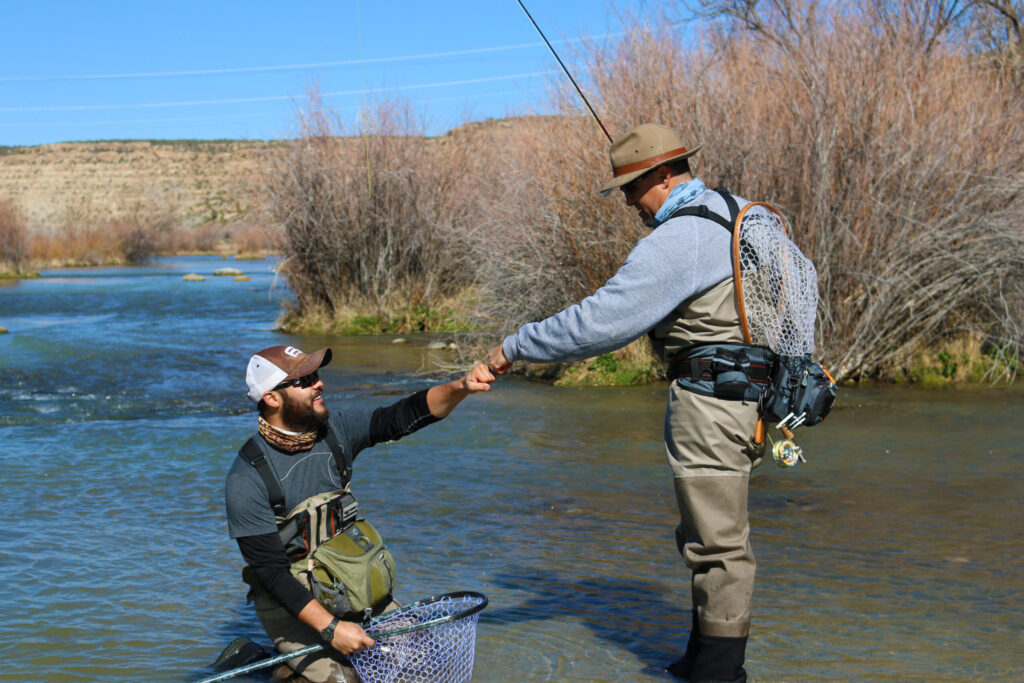
Hunting & Fishing Access

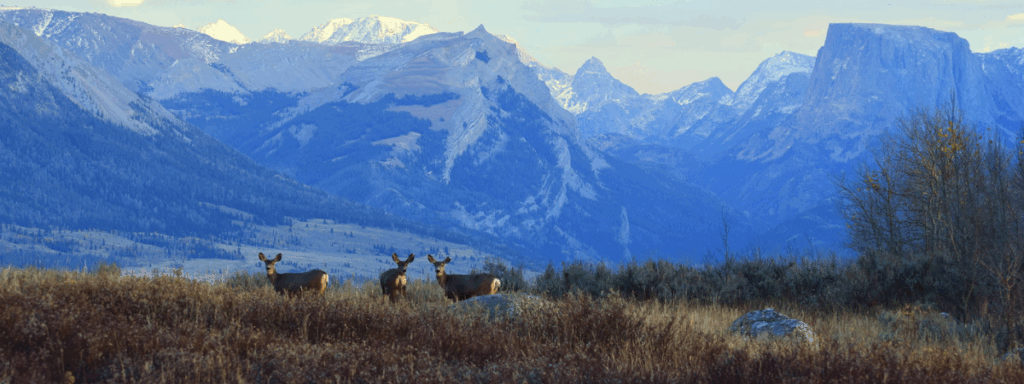
America’s 640 million acres of national public lands provide irreplaceable hunting and fishing opportunities to millions of Americans.

Learn More About Access
What TRCP is Doing

We’re working to safeguard America’s public lands so hunters and anglers always have quality places to pursue their passions.
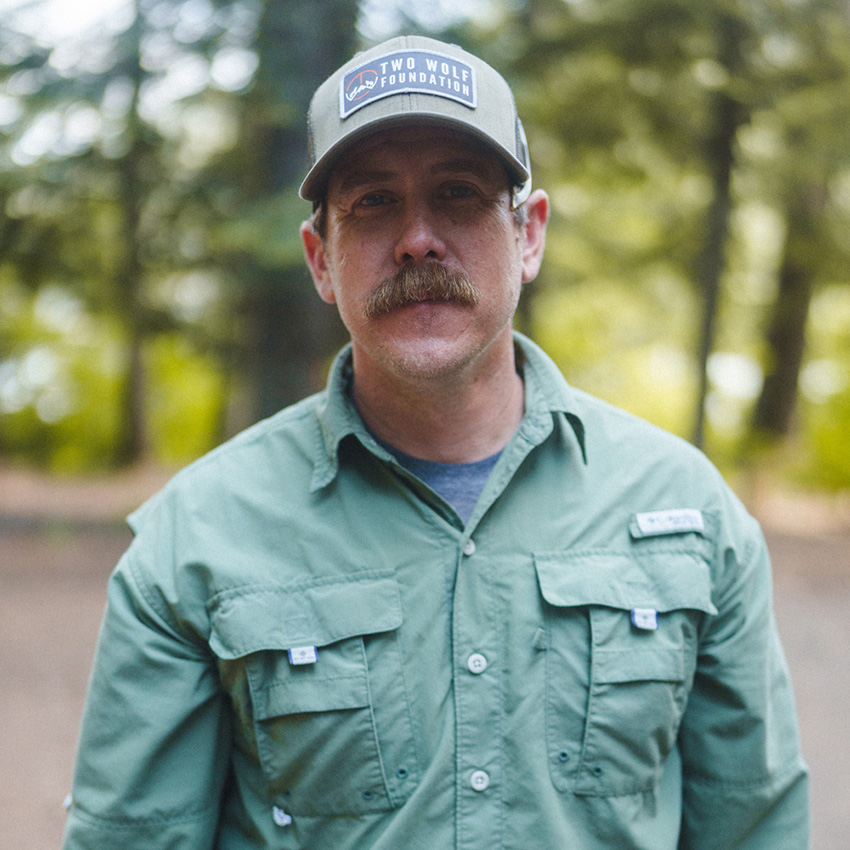
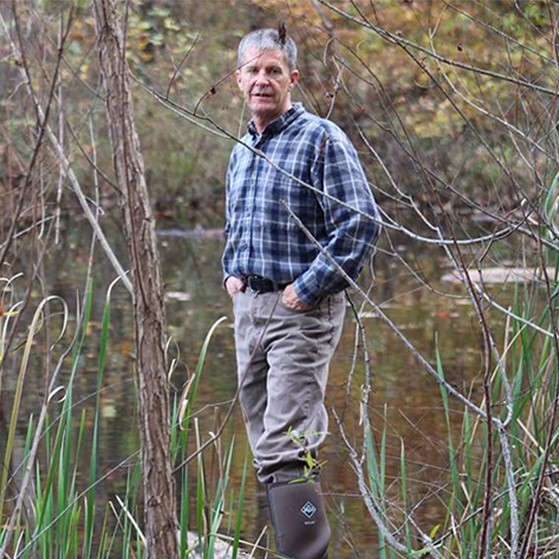
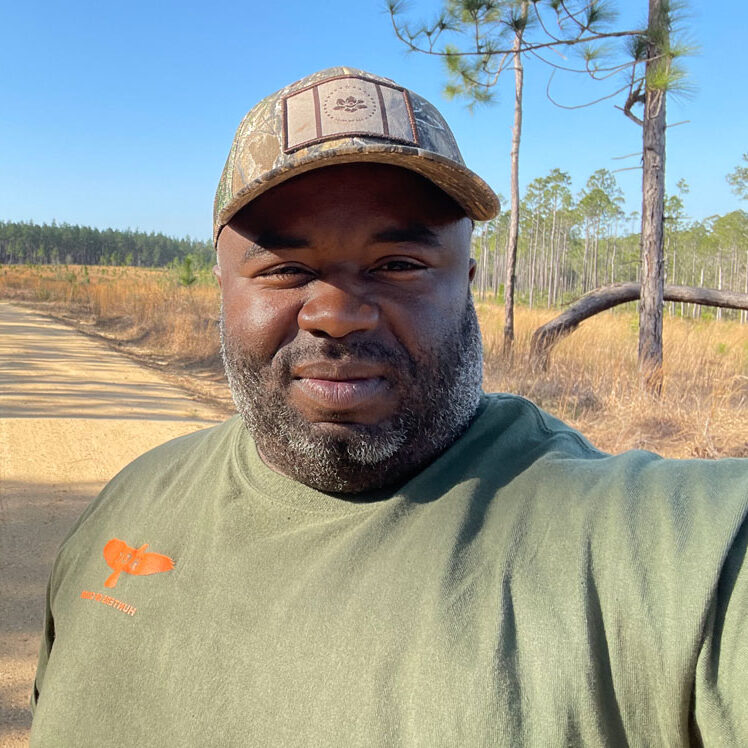
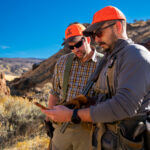
 Brian Flynn, Two Wolf Foundation
How Sportsmen Are Doing It Right

Brian Flynn, Two Wolf Foundation's Story

Following a distinguished career in the U.S. Army, lifelong outdoorsman Brian Flynn returned home from a deployment in Afghanistan and…

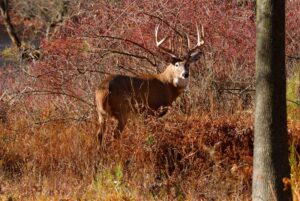
Hunting
Why It Matters

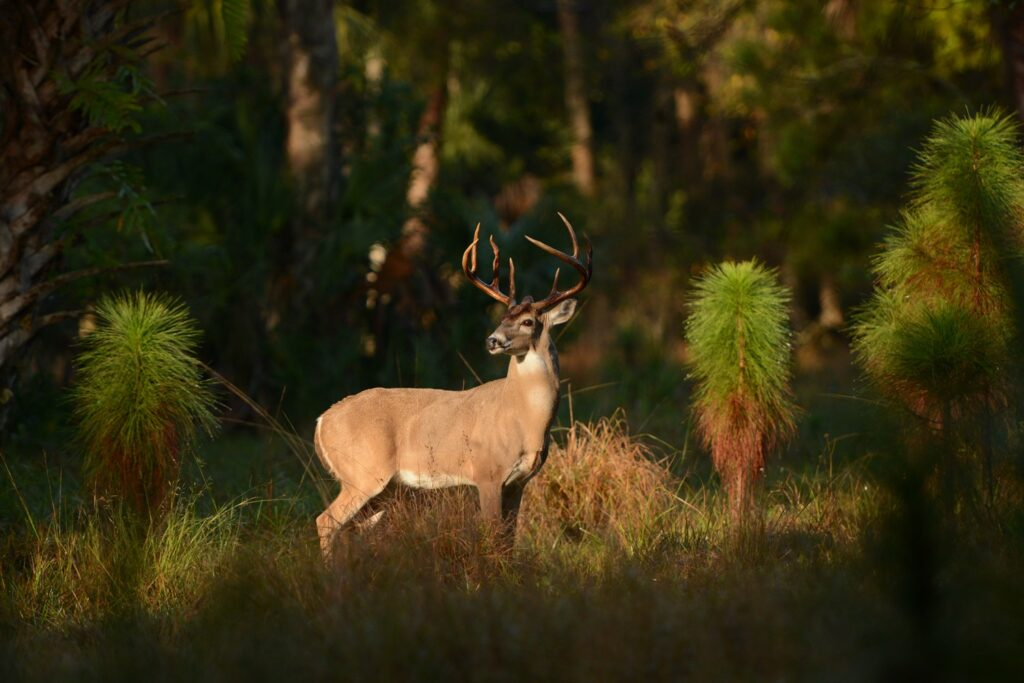
Key Issues for America’s Hunters

Your source for the latest policy updates, conservation challenges, and opportunities shaping America’s hunting traditions.

What TRCP is Doing

We’re fighting for meaningful policy changes that benefit wildlife, our waters, and the American landscapes that make our outdoor traditions possible.

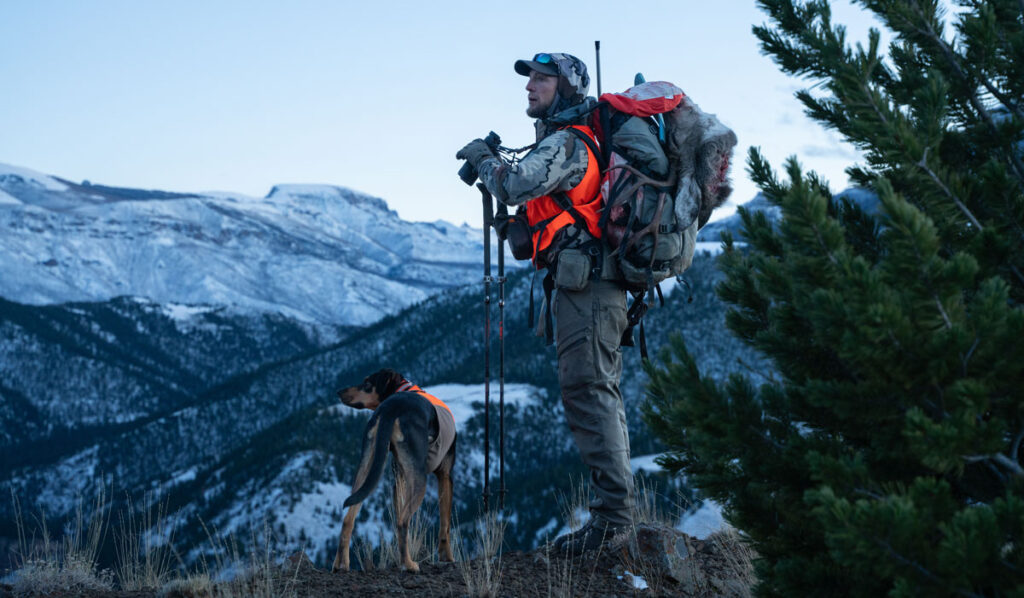
 Ryan Sparks
How Sportsmen Are Doing It Right

Ryan Sparks's Story

TRCP’s “In the Arena” series highlights the individual voices of hunters and anglers who, as Theodore Roosevelt so famously said,…

Fishing
Why It Matters

Key Issues for America’s Anglers

Your source for the latest policy updates, conservation challenges, and opportunities shaping America’s fishing traditions.

What TRCP is Doing

We’re fighting for meaningful policy changes that benefit wildlife, our waters, and the American landscapes that make our outdoor traditions possible.

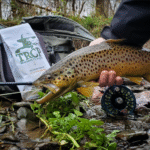
 David Mangum
How Sportsmen Are Doing It Right

David Mangum's Story

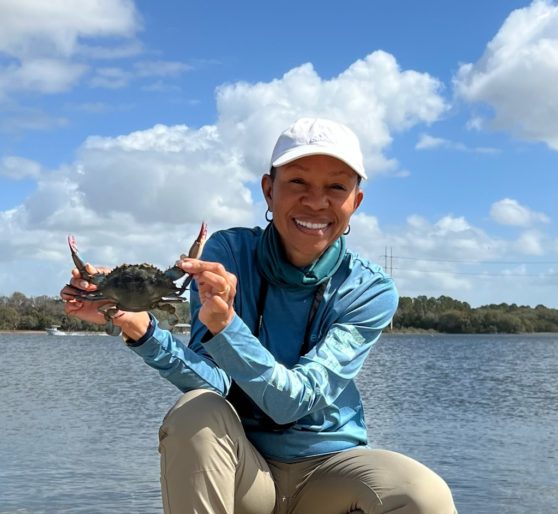
Capt. David Mangum is a YETI ambassador and outdoor photographer who utilizes his talents to produce media that inspire a…

Private Land
Why It Matters

Stewardship on America’s private lands

With 70 percent of U.S. lands in private hands and many of our best hunt and fish opportunities occurring there, investing in voluntary conservation on working lands safeguards access, strengthens habitat and water quality, and ensures resilient landscapes.

Learn More
What TRCP is Doing

We champion policies and programs that restore wildlife habitat, improve soil and water health, and keep working lands productive.

 Ward Burton
How Sportsmen are Doing It Right

Ward Burton's Story

Ward Burton’s NASCAR driving career stretched across most of two decades. As an avid sportsman and conservationist, he founded the…

Special Places
Why It Matters

Special Places Worth Protecting

America’s most iconic landscapes provide unmatched habitat and unforgettable days afield. These places sustain wildlife, anchor local economies, and define the hunting and fishing traditions we pass down.

What TRCP is Doing

We’re working to conserve special places that provide world-class habitat and unforgettable opportunities for hunters and anglers.

 Franklin Adams
How Sportsmen Are Doing It Right

Franklin Adams's Story

As a true Gladesman, conservationist, and historian, Capt. Franklin Adams has spent more than six decades championing Everglades restoration efforts…

Habitat & Clean Water
Why It Matters

Healthy Habitat Powers Every Pursuit

All hunting and fishing opportunities depend on quality habitat, from clean water and healthy wetlands to winter and summer habitats and the migration corridors that connect them.

All About Habitat & Clean Water
What TRCP is Doing

We are working to safeguard the habitats that power every hunting and fishing opportunity.

 Alex Harvey
How Sportsmen Are Doing It Right

Alex Harvey's Story

Alex Harvey, founder of Legacy Land Management, is a registered professional forester in Mississippi and Alabama with a Master's degree…

Science
Why It Matters

Science That Guides TRCP

From conserving migration corridors and wetlands to ensuring clean water and resilient landscapes, science provides evidence that turns conservation goals into effective action.

Science for Conservation
What TRCP is Doing

For hunters and anglers, science safeguards the experiences we treasure including resilient big game populations, abundant fish, and wild places that endure changing social landscapes.

Jamelle Ellis
Your Science Expert

Jamelle Ellis's Story

Jamelle Ellis joined the Theodore Roosevelt Conservation Partnership in 2022. Jamelle spent the last three years as an environmental sustainability…

Where We Work
Across the Nation

Conservation Across America

TRCP works across the country to ensure hunters and anglers can enjoy healthy fish and wildlife and quality days afield, no matter where they live.

See All Issues
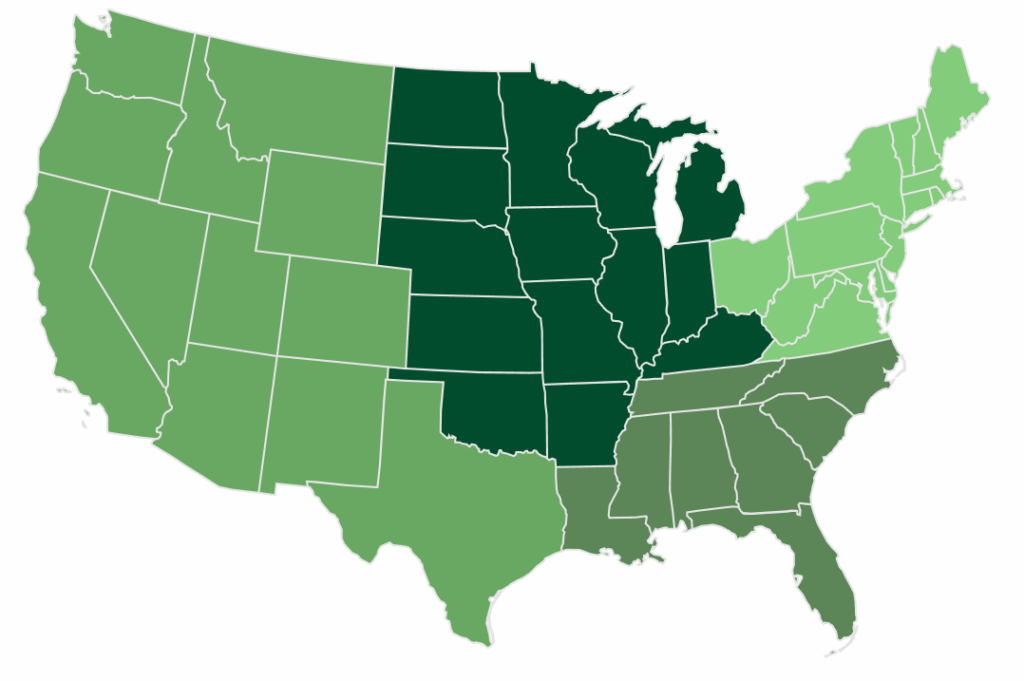
TRCP in Your Region

TRCP works across the country to ensure hunters and anglers can enjoy healthy fish and wildlife and quality days afield, no matter where they live.

Who We Are
Our Mission

To guarantee all Americans quality places to hunt & fish

We unite and amplify our partners’ voices to advance America’s legacy of conservation, habitat, and access.

Our Mission & Values
Our People & Partners
  • Meet the TRCP Team

    Our staff and board members unite and amplify our partners’ voices to advance America’s legacy of conservation, habitat, and access.

    Meet the Team
  • Our Partners

    ‘Partnership’ is in our name. We work with 64 diverse partner groups that represent today’s leading hunting, fishing, and conservation organizations in order to strengthen the sportsman’s voice in Washington, D.C.

    Our Partners
  • Corporate Council

    TRCP’s Corporate Council is made up of diverse corporations that share a common passion for conservation.

    Corporate Council
Our Organization

Looking for more information?

Explore our latest news, policy updates, and conservation resources to get the information you need.

Giving
How You Can Help

To guarantee all Americans quality places to hunt & fish

Your tax-deductible donation will support TRCP's mission, now and into the future.

DONATE
Special Ways to support trcp
  • Capital Conservation Awards Dinner

    The CCAD is one of Washington's best-attended conservation celebrations, featuring dinner, cocktails, and a silent auction.

    Learn More
  • Step Into the Arena

    Help us ensure that our treasured wild habitats and game remain intact for the next generation to enjoy – lend your support to the TRCP’s efforts today!

    Donate
  • Roosevelt Roast

    TRCP has partnered with Afuera Coffee Co. to further our commitment to conservation.

    Learn More
More donation options

Find the best way for you to lend your support. Join one of TRCP’s donor circles for special invitations, premium offerings from outdoor retailers, and more exclusive benefits. Take control of your legacy with planned giving or contribute to special conservation funds.

Other Ways To Give
News
In the Spotlight

House Agriculture Committee Chairman GT Thompson Introduces Farm Bill Proposal 

Hunters and anglers depend on strong Conservation and Forestry Titles, and TRCP will closely evaluate the bill's impacts as it moves forward.

Read More

Stay Informed

Receive our newsletter, the Roosevelt Report, right in your inbox. Never miss the latest news in conservation issues.

August 10, 2021

Senate Passes Bipartisan Infrastructure Package with Major Conservation Investments

Senators make the most of this opportunity to fund wildlife crossings, public land road repairs, and natural infrastructure solutions that benefit habitat and American communities

Washington, D.C. — After working through the weekend, Senators passed the Infrastructure Investment and Jobs Act in a 69-30 vote today, advancing numerous conservation investments and priorities.

“Making this commitment to habitat restoration, water quality, climate resilience, wildlife crossings, and road access on our public lands signals that Senate lawmakers understand the job-creating power of conservation and the foundational importance of outdoor recreation and natural resources in America,” says Whit Fosburgh, president and CEO of the Theodore Roosevelt Conservation Partnership. “These efforts are not only worth the investment as we think about the future of the nation’s infrastructure—many are long overdue. We look forward to working with House lawmakers to advance these priorities and make robust investments in conservation as the infrastructure package moves forward.”

Among the conservation provisions in the $1.2-trillion bipartisan deal are top TRCP priorities, including:

  • $350 million to create a pilot program that will help fund wildlife-friendly roadway crossings
  • $250 million for the Legacy Roads and Trails Remediation Program to improve access on Forest Service public lands and safeguard fish and wildlife from habitat damage caused by failing roads
  • Reauthorization of the Sport Fish Restoration and Boating Trust Fund, which pays for conservation, access improvements, and angler recruitment
  • $1.4 billion for natural infrastructure solutions through the Promoting Resilient Operations for Transformative, Efficient, and Cost-Saving Transportation (PROTECT) Grant Program
  • $14.65 billion for the Clean Water State Revolving Fund Program, which helps to improve water quality and fish habitat through estuary restoration, stormwater management, and more
  • $400 million for WaterSMART grants, with $100 million set aside for natural infrastructure solutions to reduce the impacts of drought, create new habitat, and improve water quality

Click here to see what else we’re tracking in this package as it moves forward.


Top photo courtesy of Wildlands Restoration Volunteers via Flickr.

5 Responses to “Senate Passes Bipartisan Infrastructure Package with Major Conservation Investments”

  1. Jean Stavely

    Money/taxes isn’t the only thing on my mind. Why are we paying more and more so that people in arid places can have lawns and swimming pools? While other residents and farmers (who supply OUR FOOD) are having a tough time along with the native fauna and flora, why are those people so special? If you move into a naturally dry area you most certainly need to have some respect for the NATURAL area that you’re in. The whole idea of developing south California was one of the worst decisions ever made. We should not all have to support those bad decisions and the first thing that should be done is to outlaw lawns and pools in those areas. NO EXCEPTIONS. I’d like to move away from the high population and sprawl on the east coast, but that makes for more sprawl. We need to come up with ideas for our future population impact NOW, not after we’ve already wrecked what there is left.

  2. The $1.2-trillion bipartisan deal reflects an “Archie Bunker” mentality about conservation in the context of INCLUSIVE American values. Theodore Roosevelt’s legacy, evidenced by some 230 million acres of public lands is one example of misappropriation justified through Manifest Destiny. The idea was to CONSERVE forests for continued use BY EVERYONE. Roosevelt wanted to insure the sustainability of those resources. To do that over the next 100 years, EVERYONE’s SUSTAINABILITY must be considered in defining American infrastructure, even folks who were valued as less than equal (MINORITY) in Roosevelt’s reality. The desired outcome is neither RED nor BLUE, but PURPLE.

Do you have any thoughts on this post?

XHTML: You can use these tags: <a href="" title=""> <abbr title=""> <acronym title=""> <b> <blockquote cite=""> <cite> <code> <del datetime=""> <em> <i> <q cite=""> <s> <strike> <strong>

Comments must be under 1000 characters.

August 2, 2021

Bipartisan Senate Infrastructure Bill Contains Critical Investments in Conservation

The Infrastructure Investment and Jobs Act shows lawmakers on Capitol Hill are listening to hunters and anglers

Today, a bipartisan cohort of 21 lawmakers introduced to the U.S. Senate the Infrastructure Investment and Jobs Act, which includes important investments in conservation and natural infrastructure that will benefit hunters, anglers, and rural communities for years to come. The Theodore Roosevelt Conservation Partnership’s policy team has examined the bill text and identified several key policy and funding priorities that our community pushed for, including funding for wildlife crossings, national forest road repair and maintenance, drought resiliency, improved water quality, severe weather resilience, and habitat restoration.

“Now more than ever, we appreciate the diligent, bipartisan process undertaken by the Senate to develop a legislative package that both reauthorizes critical programs and takes additional steps to acknowledge the relationship between infrastructure and our natural environment,” said Whit Fosburgh, president and CEO of the TRCP. “From the availability of funds for wildlife crossings to restoration programs that will benefit large ecosystems like the Great Lakes and Chesapeake Bay, the legislation represents our nation’s continued commitment and responsibility to our lands, waters, and wildlife. We look forward to working with the Senate and House to advance the critical provisions within this bill.”

The TRCP advocated for several critical provisions in the legislation that will improve habitat connectivity for wildlife, invest in public lands and access, and restore and conserve aquatic habitats while restoring water quality.

Among the biggest wins is a first-of-its-kind $350-million grant program to fund the construction of roadway crossings that reduce wildlife-vehicle collisions and reconnect fragmented migration corridors.

The bipartisan bill included another top priority for TRCP and our partners with $250 million for the Legacy Roads and Trails Remediation Program, which will help address maintenance and repair needs on the Forest Service’s extensive network of roads and trails. This investment will not only improve public land access for hunters and anglers, but also safeguard fish habitats from harmful runoff and pollutants that can result when roads fall into disrepair.

Lawmakers also delivered for sportsmen and sportswomen by including the reauthorization of the Sport Fish Restoration and Boating Trust Fund, providing states with funding for fisheries projects, boating access, and aquatic education from a portion of fishing license, gear, and boat fuel sales.

Hunters and anglers stand to benefit further from a substantial increase in funding bringing the Clean Water State Revolving Fund Program, which supports estuary restoration and stormwater management projects to improve aquatic habitat and water quality, up to a grand total of $14.65 billion. Complementing this program is the bill’s $400-million allocation for WaterSMART. With $100 million set aside for natural infrastructure solutions, this boost will help mitigate the impacts of drought, create new habitat, and improve water quality.

Another key investment in resiliency and natural infrastructure is the $1.4 billion allocated by the bill to the Promoting Resilient Operations for Transformative, Efficient, and Cost-Saving Transportation (PROTECT) Grant Program, intended to reduce the risks posed to vulnerable communities by significant weather events.

The TRCP is also encouraged to see $2.2 billion allocated for the Federal Land Transportation Program, of which the Forest Service will see the largest percentage increase in funding among all federal agencies. Our national forests will likewise benefit from bill’s inclusion of the Repairing Existing Public Land by Adding Necessary Trees (REPLANT) Act, which will renew tree cover and address the growing backlog of nearly two million acres in need of replanting.

Other wins for conservation include:

  • $300 million for Drought Contingency Planning to improve Colorado River Basin management
  • $492 million for the National Oceans and Coastal Security Fund to improve coastal resiliency
  • $800 million for the National Culvert Removal, Replacement, and Restoration Grant Program, which will improve habitat connectivity and improve survival of anadromous fish
  • $1.9 billion for the Aquatic Ecosystem Restoration Fund
  • $300 million for the Emergency Watershed Protection Program
  • $1.7 billion for EPA Geographic Programs, essential collaborative initiatives to restore unique landscapes across the nation
  • $11.2 billion for the Abandoned Mine Land Reclamation Fund to restore habitat affected by resource extraction
  • $4.67 billion for orphaned well site plugging, remediation, and reclamation

“The Infrastructure Investment and Jobs Act represents a significant opportunity to make critical investments in fish and wildlife habitat, sporting access, and the future of our hunting and fishing traditions,” said Fosburgh. “Sportsmen and sportswomen appreciate the leadership that produced this legislation and for the attention that lawmakers have shown to our community’s priorities. We hope this bill will enjoy quick passage in the full Senate and look forward to working with lawmakers in the House to ensure that it can be sent to the president’s desk without delay.”


Photo: Paulo O via Flickr

July 29, 2021

House Votes to Increase Key Conservation Funds that Benefit Waterfowl, Deer, and Sportfish

The chamber passed a “minibus” package of appropriations bills outlining funding for the federal agriculture, energy, water, environment, and public land agencies, including investments in conservation that will affect hunting and fishing in America

In a 219 – 208 floor vote this afternoon, the House passed a “minibus” package of appropriations bills for fiscal year 2022, including those that fund conservation at the federal agencies overseeing agriculture, energy, water, the environment, and public lands.

Experts at the Theodore Roosevelt Conservation Partnership have scrutinized these funding levels and identified important increases in several areas, including drought resiliency, wetlands conservation, private land conservation, big game herd health, and habitat restoration in the Everglades, Chesapeake Bay, and Upper Mississippi River watershed.

“We’re pleased to see the House supporting robust and increased investment in conservation at a time when public land visitation is up, participation in hunting and fishing is growing, and our natural resources face many challenges, including climate change, drought, development, invasive species, wildfire, and disease,” says Whit Fosburgh, president and CEO of the TRCP. “We have to create certainty for the federal workers who keep hunters and anglers safe on our public lands and waters and give them the resources to improve habitat and stave off risk—rather than scramble to recover after losses or watch maintenance backlogs grow. This requires investment. We look forward to working with the Senate to secure these funding levels and seize additional opportunities to commit to conservation in fiscal year 2022.”

Some highlights of the appropriations package include:

  • $25 million for the Bureau of Reclamation’s WaterSMART Drought Response Program, which is $10 million more than FY21
  • $350 million for Army Corps construction projects within the South Florida Ecosystem Restoration Program—an increase of $100 million over FY21, although less than half of what the TRCP and conservation partners had pushed for to expedite completion of authorized Everglades restoration projects
  • $50 million for North American Wetlands Conservation Act programs, up by $3.5 million
  • A $65-million bump in funding for conservation technical assistance available to private landowners who enhance habitat, bringing total program funding to $894 million
  • A $44-million increase for Bureau of Land Management habitat programs, bringing the total to $233 million
  • $33.5 million for Upper Mississippi River restoration
  • $15 million for Chesapeake Bay watershed restoration at the U.S. Fish and Wildlife Service
  • $10 million for the Animal and Plant Health Inspection Service to assist state agencies in CWD containment

While the funding measure takes an important step in growing federal investment in several areas important to wildlife, conservation needs continue to outpace funding. Challenges ranging from chronic wasting disease to drought are affecting hunters, anglers, landowners, and fish and wildlife. The TRCP looks forward to working with lawmakers in the Senate to support these critical funding needs for FY22 and years to come.


Photo by RimLight Media

July 28, 2021

An Inspiring Tale of Generosity and Stewardship to Help Nevada’s Bighorns

Hunters and conservation groups step up to support Nevada’s wild sheep in a time of need

In parts of the arid West, water is often the limiting factor for populations of desert bighorn sheep and other wildlife. Over the years, groups like the Fraternity of the Desert Bighorn, Nevada Bighorns Unlimited,  and the Wild Sheep Foundation have partnered with the Nevada Department of Wildlife to build structures known as guzzlers. These manmade water sources provide a reliable supply of drinking water for all types of local wildlife and help to distribute sheep throughout the range. Typically, these water catchments are filled by collecting rain on an apron, but without adequate precipitation they need to be filled by helicopter or else they’ll run dry.

This year’s heat and drought, which has been prolonged and severe in southern Nevada, drove Fraternity of the Desert Bighorn president Clint Bentley to ask his fellow hunters and sheep fanatics for help. And—as usual—sportsmen and sportswomen rose to the challenge, making a huge difference for wild sheep and offering another extraordinary example of hunters and conservationists opening their wallets to support wildlife.

Here’s Clint’s story:

Like much of the West, Nevada has been hot and dry this summer. Simply put, there has been no habitat anywhere in the southern part of the state with any greenery whatsoever. Everything is totally brown and dead, so the nutritional value for our wild sheep is basically zero. That has been as big a concern to me as the lack of water, because we can haul water, but we can’t just replace their food-base.

What worries me most—and not just me, but Nevada Department of Wildlife and the Wild Sheep Foundation—is that this lack of nutrition and lack of water will cause our lamb survival rate and recruitment to plummet. These conditions are just devastating to the lamb crop.

In conditions like we’ve been experiencing lately, where there hasn’t been enough rainfall to replenish the guzzlers, we need to supplement them with water hauls, primarily using aircraft.


Between August 11 of last year through January 8 of this year, we hauled 167,000 gallons of water, with more than 160,000 gallons of that by helicopter. That amounts to somewhere between 800 and 1,000 helicopter trips to deliver water to 28 different guzzler sites on 13 different mountain ranges.

Then, in three weeks this June, we hauled another 71,000 gallons by helicopter to nine mountain ranges and 15 different sites. On June 24, 2021, we flew water surveillance flights to 16 different guzzler sites on three different mountain ranges and saw there would be an urgent need for additional water in early August.

At that point, however, we had totally depleted the FDB’s emergency water haul fund. I started that fund seven years ago, and we’ve been building it ever since because I knew we’d need it someday. But it doesn’t take very long to deplete a large sum of money when you start flying helicopters ten hours a day.

So, knowing the conditions on the ground and the state of our account—I think we had $4,000 left, which wouldn’t cover anything—something needed to be done to help our sheep.

The day after our water surveillance flight, I made a request on behalf of the Fraternity of Desert Bighorns at the Wild Sheep Foundation’s 13th Chapters and Affiliates Summit for any financial assistance to help us in the upcoming months of water hauling. I was secretly hoping to garner $50 to $60,000 from this request.

Instead, it received a response far beyond my hopes and expectations: WSF and NBU-Fallon each pledged $30,000 and 17 chapters and affiliates as well as two individuals combined to pledge another $122,000. The grand total amounted to $182,000.

As a result, on August 1st we will begin three days of recon flights to establish where we need to start hauling water. These funds will be going directly to keeping wild sheep on the mountain.

I still get tears in my eyes thinking of everyone who contributed. It has strengthened my faith in all of these groups and reestablished that we all really are in this for the benefit of wild sheep and all of the other wildlife that depend on these same guzzlers. It’s just so reassuring to see how everyone is truly committed to the same cause.

What’s important is not just that we can raise this amount of money, it’s how those funds will be used. That money is going to go into the ground to keep our wild sheep healthy. And these water hauls have already saved the day on two mountain ranges where the herds were in serious trouble. Sheep were going to start dying if we didn’t get water there, plain and simple.

Over the last 50 years, hunters and conservation groups have worked to increase Nevada’s wild sheep population from basically 2,000 to 12,000. At the same time, we’ve been able to augment sheep numbers in Texas, Utah, and Oregon. Clearly, the commitment that led to those successes is alive and well in our community.

I get overwhelmed every time I look at the list of those groups and individuals and see what everybody is willing to do for our wild sheep. I was just praying for $50 to $60,000 and then the response that we got it—well, it just chokes me up. What else can I say?

July 21, 2021

Latino Families Learn Hunting 101 in Colorado

Colorado Parks and Wildlife and TRCP host two days of activities and conversations to share hunting and conservation knowledge with an underrepresented demographic in the sporting community

For many sportsmen and sportswomen, hunting is a multigenerational family tradition, passed on from fathers and mothers to their children. While this is part of what makes the activity so meaningful to many of us, it also means that it can be easy to overlook the barriers to participation faced by people who did not grow up with parents who hunted. Due to the way state wildlife agencies are currently funded in part through the sale of hunting licenses and tags, it’s critical that those of us who care about conservation find ways to share the meaning and joys of this pastime with our neighbors, friends, and non-hunting family members.

Given the long-term national trend of declining participation in hunting, connecting with growing but underrepresented populations will be key to the social and political relevance of sportsmen and sportswomen. In Colorado, the Latino population is expected to grow from 20 percent to 33 percent statewide in the next 20 years, meaning that the Centennial State should be of particular interest to hunters and conservationists hoping to build relationships in the Latino community.

That’s why earlier this month Colorado Parks and Wildlife and the TRCP partnered with Calwood, a trusted outdoor education center that has historically worked closely with Latino families, to host two days of workshops for Latino families to become more familiar with hunting, conservation, and the outdoors. Calwood has an established network of families that are engaged in learning about the outdoors, and this was a great opportunity for us to connect and offer to teach them about hunting’s role in conservation.

This type of event allows people who did not inherit a hunting tradition from their parents to learn and experience what our pastime is all about—and to hopefully spark an interest in hunting among younger generations. It also provides families the opportunity to learn together in a safe, formal educational setting, with well-organized instruction.

Ten families and approximately 50 people ranging from age 7 to 60 attended this event. Families were able to enjoy a wing-shooting clinic, .22/BB gun range, archery range, simulated pheasant field hunting clinic, and an upland and waterfowl dog demonstration. There was also a candid conversation about how hunting is a conservation tool.

These discussions were very informative. Several participants expressed their appreciation for the opportunity and shared that they hoped to teach their children the benefits of spending time outdoors for physical, mental, and emotional health. Many of the families were from urban areas and discussed the importance of green spaces and trees to their neighborhoods, observing that hunting could provide them with the opportunity to reconnect with nature.

The instant feedback from participants during the event was tremendous. Several families asked for and received information about the next steps, from identifying hunter education courses to purchasing tags and participating in mentored hunts. Several also asked how they can become volunteers to assist in putting on events like this in the future for more families to participate.

While this event was geared towards the families, it was a strong reminder to everyone involved of the truly communal aspects of hunting and of the importance of sharing with future generations our traditions of respecting the land and animals that nourish us. If only a few of those who were in attendance continue on the path to becoming lifelong hunters, our community will be benefit greatly, particularly when those individuals pass along what they learn to their own friends and neighbors.


HOW YOU CAN HELP

TRCP has partnered with Afuera Coffee Co. to further our commitment to conservation. $4 from each bag is donated to the TRCP, to help continue our efforts of safeguarding critical habitats, productive hunting grounds, and favorite fishing holes for future generations.

Learn More
Subscribe


You have Successfully Subscribed!

You have Successfully Subscribed!

You have Successfully Subscribed!

You have Successfully Subscribed!

You have Successfully Subscribed!