Our Issues
Public Lands
Why It Matters

Hunting & Fishing Access

America’s 640 million acres of national public lands provide irreplaceable hunting and fishing opportunities to millions of Americans.

Learn More About Access
What TRCP is Doing

We’re working to safeguard America’s public lands so hunters and anglers always have quality places to pursue their passions.
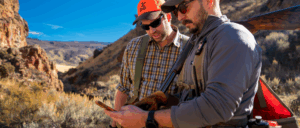
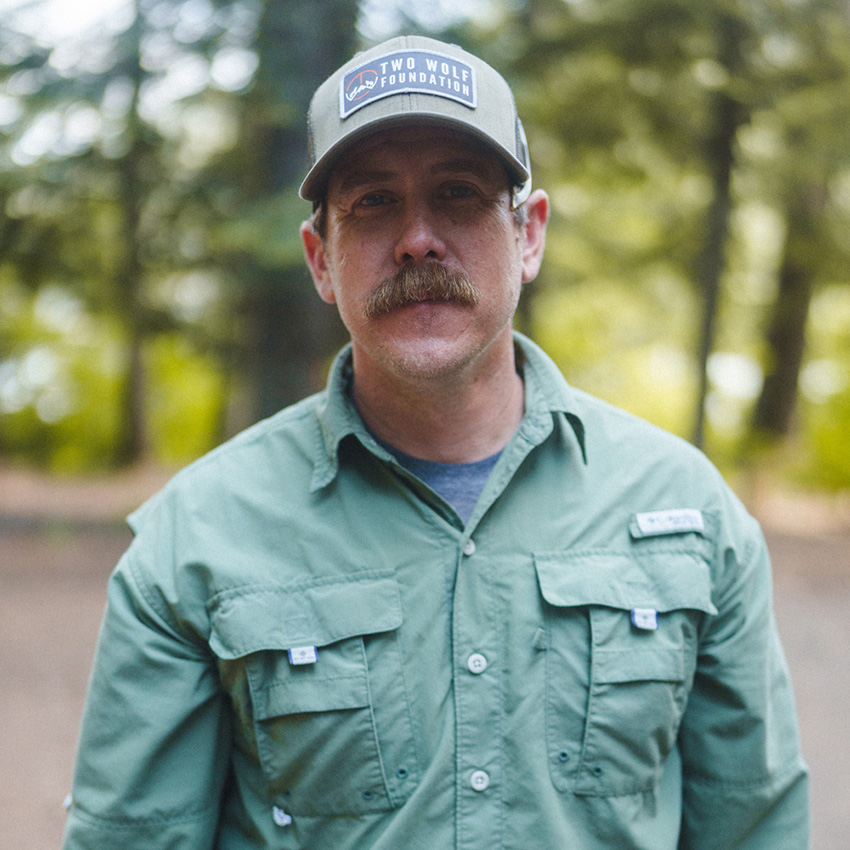
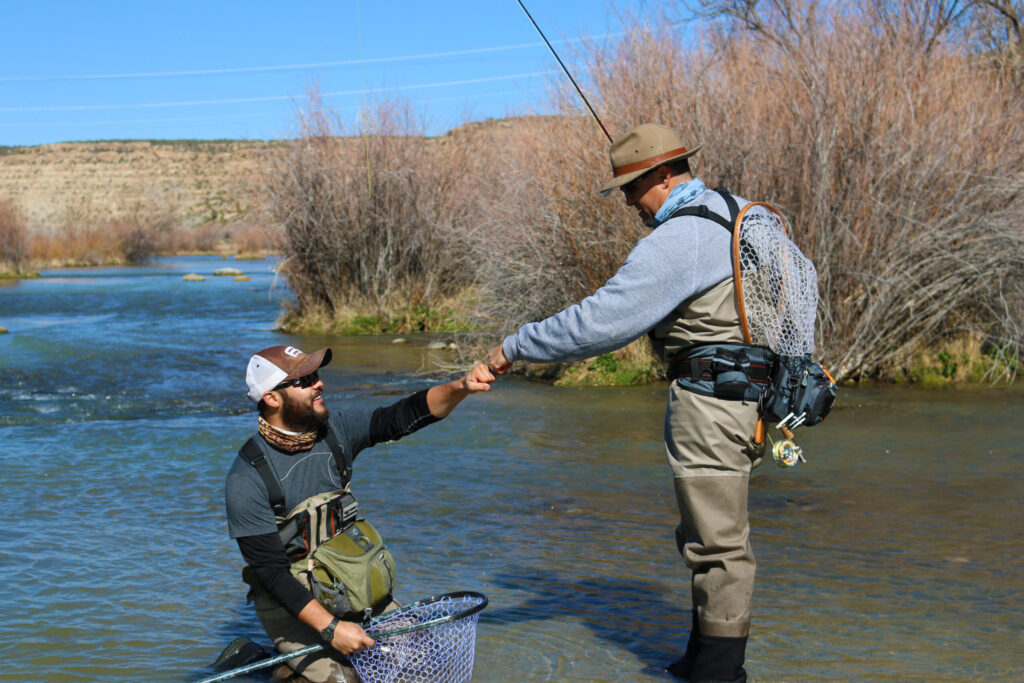
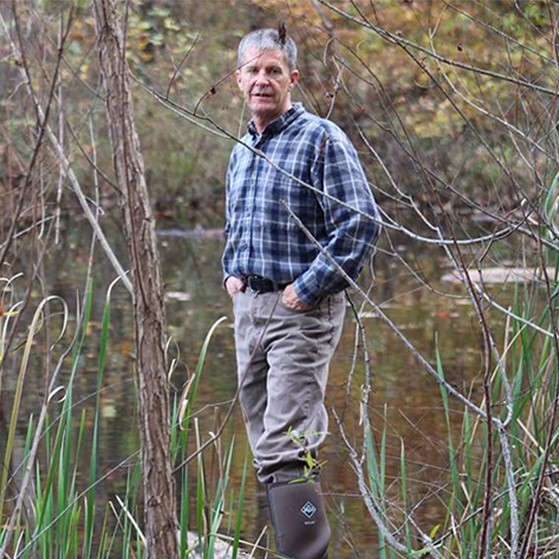
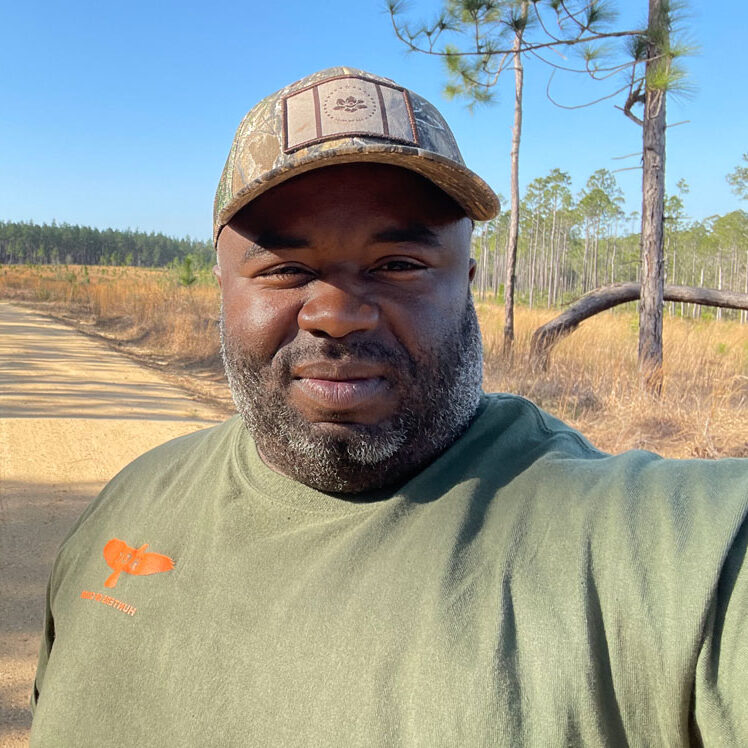
 Brian Flynn, Two Wolf Foundation
How Sportsmen Are Doing It Right

Brian Flynn, Two Wolf Foundation's Story

Following a distinguished career in the U.S. Army, lifelong outdoorsman Brian Flynn returned home from a deployment in Afghanistan and…


Hunting
Why It Matters

Key Issues for America’s Hunters

Your source for the latest policy updates, conservation challenges, and opportunities shaping America’s hunting traditions.

What TRCP is Doing

We’re fighting for meaningful policy changes that benefit wildlife, our waters, and the American landscapes that make our outdoor traditions possible.

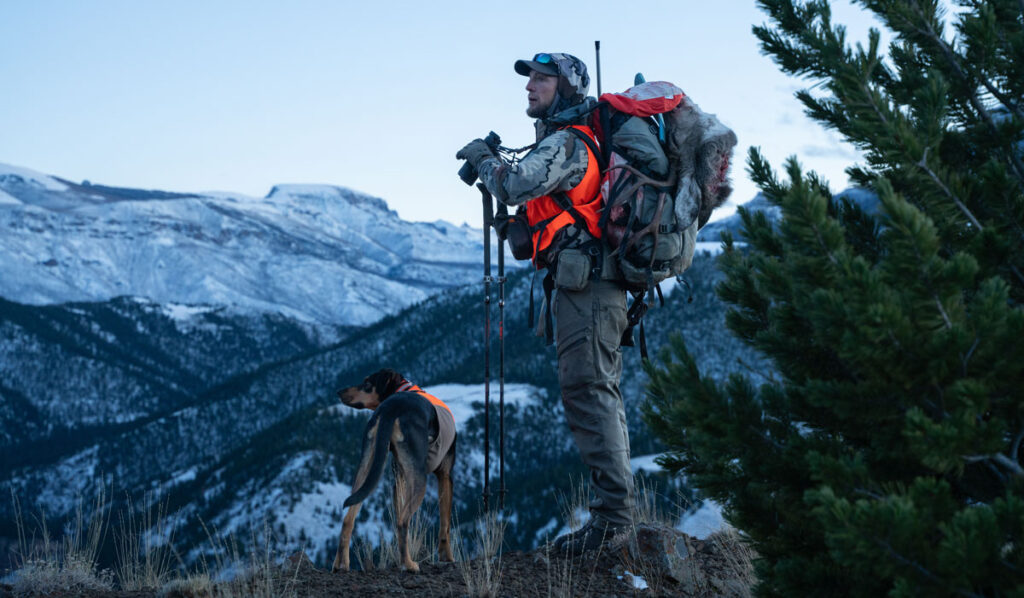
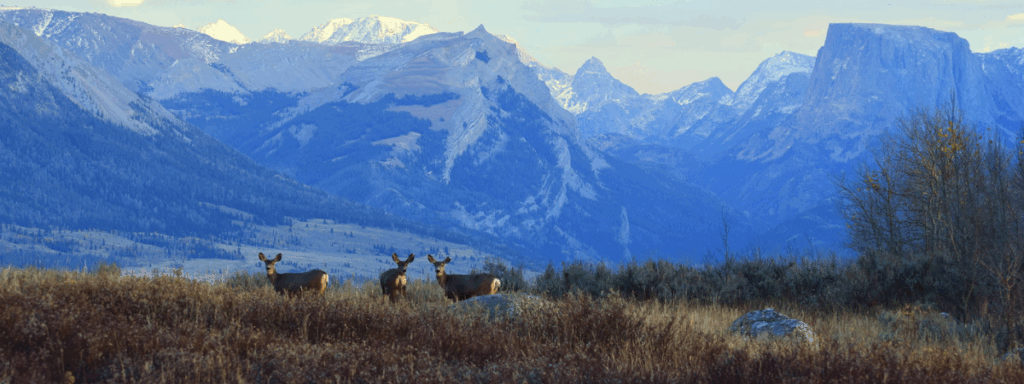
 Ryan Sparks
How Sportsmen Are Doing It Right

Ryan Sparks's Story

TRCP’s “In the Arena” series highlights the individual voices of hunters and anglers who, as Theodore Roosevelt so famously said,…

Fishing
Why It Matters

Key Issues for America’s Anglers

Your source for the latest policy updates, conservation challenges, and opportunities shaping America’s fishing traditions.

What TRCP is Doing

We’re fighting for meaningful policy changes that benefit wildlife, our waters, and the American landscapes that make our outdoor traditions possible.

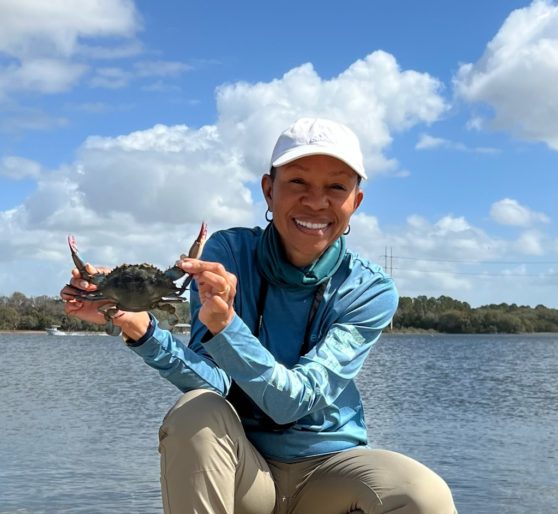
 David Mangum
How Sportsmen Are Doing It Right

David Mangum's Story

Capt. David Mangum is a YETI ambassador and outdoor photographer who utilizes his talents to produce media that inspire a…

Private Land
Why It Matters

Stewardship on America’s private lands

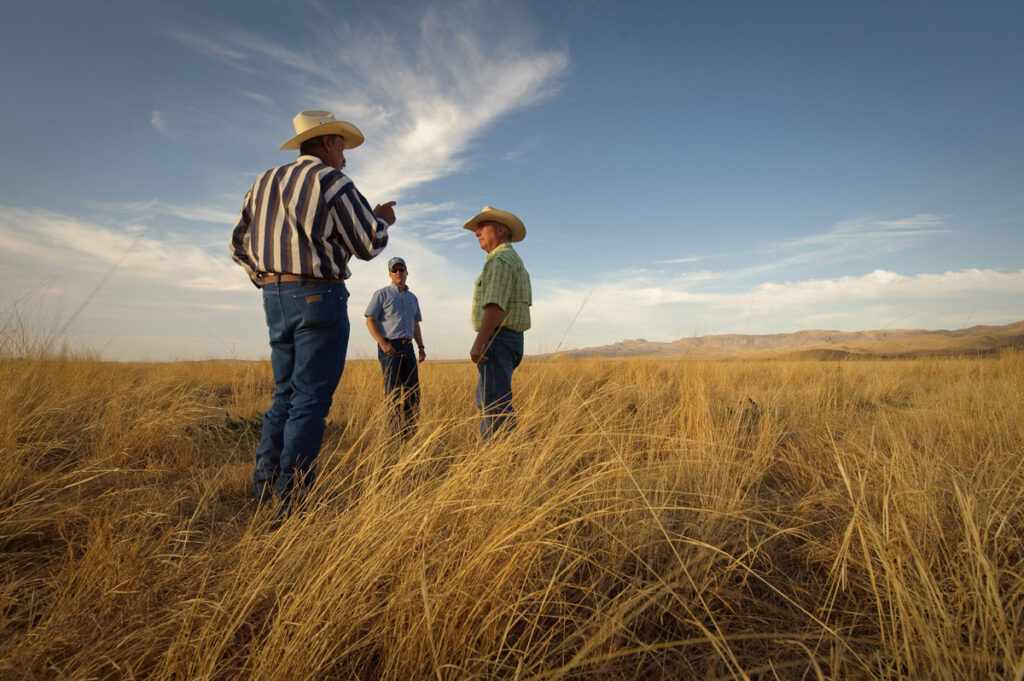
With 70 percent of U.S. lands in private hands and many of our best hunt and fish opportunities occurring there, investing in voluntary conservation on working lands safeguards access, strengthens habitat and water quality, and ensures resilient landscapes.

Learn More
What TRCP is Doing

We champion policies and programs that restore wildlife habitat, improve soil and water health, and keep working lands productive.

 Ward Burton
How Sportsmen are Doing It Right

Ward Burton's Story

Ward Burton’s NASCAR driving career stretched across most of two decades. As an avid sportsman and conservationist, he founded the…

Special Places
Why It Matters

Special Places Worth Protecting

America’s most iconic landscapes provide unmatched habitat and unforgettable days afield. These places sustain wildlife, anchor local economies, and define the hunting and fishing traditions we pass down.

What TRCP is Doing

We’re working to conserve special places that provide world-class habitat and unforgettable opportunities for hunters and anglers.

 Franklin Adams
How Sportsmen Are Doing It Right

Franklin Adams's Story

As a true Gladesman, conservationist, and historian, Capt. Franklin Adams has spent more than six decades championing Everglades restoration efforts…

Habitat & Clean Water
Why It Matters

Healthy Habitat Powers Every Pursuit

All hunting and fishing opportunities depend on quality habitat, from clean water and healthy wetlands to winter and summer habitats and the migration corridors that connect them.

All About Habitat & Clean Water
What TRCP is Doing

We are working to safeguard the habitats that power every hunting and fishing opportunity.

 Alex Harvey
How Sportsmen Are Doing It Right

Alex Harvey's Story

Alex Harvey, founder of Legacy Land Management, is a registered professional forester in Mississippi and Alabama with a Master's degree…

Science
Why It Matters

Science That Guides TRCP

From conserving migration corridors and wetlands to ensuring clean water and resilient landscapes, science provides evidence that turns conservation goals into effective action.

Science for Conservation
What TRCP is Doing

For hunters and anglers, science safeguards the experiences we treasure including resilient big game populations, abundant fish, and wild places that endure changing social landscapes.

Jamelle Ellis
Your Science Expert

Jamelle Ellis's Story

Jamelle Ellis joined the Theodore Roosevelt Conservation Partnership in 2022. Jamelle spent the last three years as an environmental sustainability…

Where We Work
Across the Nation

Conservation Across America

TRCP works across the country to ensure hunters and anglers can enjoy healthy fish and wildlife and quality days afield, no matter where they live.

See All Issues
TRCP in Your Region

TRCP works across the country to ensure hunters and anglers can enjoy healthy fish and wildlife and quality days afield, no matter where they live.

Who We Are
Our Mission

To guarantee all Americans quality places to hunt & fish

We unite and amplify our partners’ voices to advance America’s legacy of conservation, habitat, and access.

Our Mission & Values
Our People & Partners
  • Meet the TRCP Team

    Our staff and board members unite and amplify our partners’ voices to advance America’s legacy of conservation, habitat, and access.

    Meet the Team
  • Our Partners

    ‘Partnership’ is in our name. We work with 64 diverse partner groups that represent today’s leading hunting, fishing, and conservation organizations in order to strengthen the sportsman’s voice in Washington, D.C.

    Our Partners
  • Corporate Council

    TRCP’s Corporate Council is made up of diverse corporations that share a common passion for conservation.

    Corporate Council
Our Organization

Looking for more information?

Explore our latest news, policy updates, and conservation resources to get the information you need.

Giving
How You Can Help

To guarantee all Americans quality places to hunt & fish

Your tax-deductible donation will support TRCP's mission, now and into the future.

DONATE
Special Ways to support trcp
  • Capital Conservation Awards Dinner

    The CCAD is one of Washington's best-attended conservation celebrations, featuring dinner, cocktails, and a silent auction.

    Learn More
  • Step Into the Arena

    Help us ensure that our treasured wild habitats and game remain intact for the next generation to enjoy – lend your support to the TRCP’s efforts today!

    Donate
  • Roosevelt Roast

    TRCP has partnered with Afuera Coffee Co. to further our commitment to conservation.

    Learn More
More donation options

Find the best way for you to lend your support. Join one of TRCP’s donor circles for special invitations, premium offerings from outdoor retailers, and more exclusive benefits. Take control of your legacy with planned giving or contribute to special conservation funds.

Other Ways To Give
News
In the Spotlight

The Next Step for the Tongass

Hunters and Anglers Can Help Shape the Forest Plan.

Read More

Stay Informed

Receive our newsletter, the Roosevelt Report, right in your inbox. Never miss the latest news in conservation issues.

July 15, 2019

Sportsmen Respond to New Effort to Lease and Drill the Ruby Mountains

New proposal for oil and gas leasing highlights the need for congressional action

Sportsmen and women are vocally opposing a new effort to open up the Ruby Mountains to oil and gas development concerns over impacts ot habitat and wildlife.

Days after the U.S. Forest Service denied authorization for leasing 54,000 acres in Nevada’s Ruby Mountains, energy developers submitted two new requests to open this prized landscape to oil and gas drilling. A private entity filed new Expressions of Interest (EOIs) to lease 88,000 acres for oil and gas development in the Humboldt-Toiyabe National Forest. Many of the parcels would affect the same areas previously rejected for leasing.

“Sportsmen and women see this new threat to the Rubies as further proof that lawmakers must act to conserve this special place for future generations,” said Carl Erquiaga, Nevada field representative with the Theodore Roosevelt Conservation Partnership. “The Ruby Mountains, known as Nevada’s Swiss Alps, are home to Nevada’s largest mule deer herd, critical populations of the threatened Lahontan cutthroat trout, and numerous other fish and wildlife species.”

In January 2019 Senator Cortez Masto introduced the Ruby Mountain Protection Act (S258) which would permanently withdraw from oil and gas exploration 450,000 acres in the Humboldt-Toiyabe National Forest’s Ruby Mountain Ranger District. A coalition of 14 influential hunting, fishing, and wildlife conservation groups, Sportsmen for the Rubies, has called for lawmakers to pass the legislation.

“The Ruby Mountains, one of the most rugged and beautiful landscapes in the west, supports Nevada’s largest mule deer herd and offers untold hunting, fishing and outdoor recreation opportunities. This latest attempt to lease the Rubies underscores the need to pass S258 quickly,” said Pam Harrington, Nevada field coordinator with Trout Unlimited.

By law, federal agencies must respond to these EOIs through a formal process, representing a considerable demand on budgets and human resources. The previous round of leasing requests required more than a year and a half of work before the “no leasing” decision could be made. Now the agency must go through the process again with no certainty that the outcome will be the same.

“It’s clear that the threat to the Rubies won’t go away unless Congress takes action,” continued Erquiaga. “Hunters and anglers in Nevada are counting on lawmakers to do the right thing for this one-of-a-kind landscape.”

Learn more and take action at SportsmenfortheRubies.com.


Photo: USFS

10 Responses to “Sportsmen Respond to New Effort to Lease and Drill the Ruby Mountains”

  1. Patricia Clucas

    I commend the U.S. Forest Service to deny the leasing of the Ruby Mountains for oil and gas drilling. We are quickly losing our public lands to private benefactors who not only ruin the land, but take it away the the public that pays for it. Americans are all public land owners, and wealthy corporations who want to take them away should never be given the opportunity.

  2. Therese Campbell

    I have traveled in the Ruby Mountains several times and as a longtime Nevada resident I strongly oppose any encroachments by fossil-fuel companies or other industries. NO to oil and gas exploration/drilling in the Ruby Mountains.

  3. Jack Sorum

    I lived in North Dakota where oil and gas took over the most beautiful and pristine area of the state, the badlands. Oil and gas have no interest in preserving any wild area or conservation of wildlife habitat. Keep them out of the Ruby mountains. Oil and gas will destroy the Ruby range the same way they destroyed the badlands.

  4. Jeff Wieland

    Another opportunity to let developers ruin our public lands for short-term profits. When they’ve done so, they will take no responsibility for clean-up or restoration. This is Big Oil trying to “extract” the last $$ and drop before clean energy replaces them.

Do you have any thoughts on this post?

XHTML: You can use these tags: <a href="" title=""> <abbr title=""> <acronym title=""> <b> <blockquote cite=""> <cite> <code> <del datetime=""> <em> <i> <q cite=""> <s> <strike> <strong>

Comments must be under 1000 characters.

July 12, 2019

Recovering America’s Wildlife Act Creates 21st Century Conservation Model 

Legislation will invest in on-the-ground fish and wildlife management 

The Theodore Roosevelt Conservation Partnership is hailing landmark legislation that will transform fish and wildlife management across the nation.  U.S. Representatives Debbie Dingell (D-Mich) and Jeff Fortenberry (R-Neb.) introduced the Recovering America’s Wildlife Act to invest meaningful resources into proactive conservation. 

Right now, 12,000 species in America need conservation action and 40 percent of the nation’s freshwater fish species are at risk. This legislation will help prevent those species from becoming threatened or endangered by creating a 21st century funding model.  

“This legislation will invest in critical habitat, stronger wildlife populations, and a more robust outdoor recreation economy,” said Whit Fosburgh, president and CEO of the Theodore Roosevelt Conservation Partnership. “This bill empowers on-the-ground wildlife experts to implement science-based conservation plans that will preserve these species into the future.”  

The Recovering America’s Wildlife Act will invest roughly $1.4 billion to the Wildlife Conservation Restoration Program for proactive, voluntary efforts led by the states, territories and tribal nations to prevent vulnerable wildlife from becoming endangered. 

A national survey determined that each state needs an average of $26 million in new funding annually to effectively implement their State Wildlife Action Plans to prevent species from becoming threatened or endangered. Current funding levels are less than 5 percent of what is needed. 


Video: Hunters and Anglers Talk About the Importance of the Colorado River

Did you know that the WaterSMART program makes critical investments in local and regional efforts to conserve water and improve fish habitat? We need more of that on the Colorado River.

July 3, 2019

Fight Against Atlantic Menhaden Certification Moves to Next Round

Sportfishing groups will argue case before an independent adjudicator

The objections raised by sportfishing groups in opposition to certification of the industrial Atlantic menhaden fishery as a “sustainable fishery” are scheduled to be heard by an independent adjudicator on July 8 and 9.

In March, the Theodore Roosevelt Conservation Partnership, Coastal Conservation Association, and American Sportfishing Association filed an objection—which was later combined with a similar objection raised by The Nature Conservancy and Chesapeake Bay Foundation—to the Marine Stewardship Council’s (MSC) recommendation that Omega Protein should receive a certification of sustainability for its U.S. Atlantic menhaden purse-seining operations.

Next week’s adjudication hearing is a significant step forward in the effort to ensure there is a healthy forage base for striped bass and other important sportfish in the Chesapeake Bay and all along the East Coast.

“To make it to the next stage of this process with a hearing and oral arguments is significant in that the independent adjudicator clearly recognizes that our objections have merit,” said David Sikorski, executive director of CCA Maryland. “The MSC process is not entirely predictable and has been criticized in the past as being far too aligned with commercial interests. We are encouraged that the very real concerns raised in our objection have had an impact.”

The recreational fishing community has long believed that Omega Protein’s relentless pressure on menhaden in the Chesapeake Bay, the primary nursery ground for striped bass and many other sportfish, has caused localized depletions of forage, leading to an increase in diseased, stressed, and skinny fish in the Bay. The TRCP, ASA, and CCA objected to many of the certification findings and scores, including one that would grant the certification of sustainability on the condition that Omega reach certain milestones over four years, and not because the operation can be considered sustainable now.

“Certifying the Atlantic Menhaden fishery as sustainable at this time could undermine efforts at the Atlantic States Marine Fisheries Commission to establish management that considers the entire ecosystem,” said Whit Fosburgh, president and CEO of the TRCP. “Striped bass populations are shrinking and there is evidence that removal of forage has contributed to that. We should be making sure that conservation measures are being enacted now—not years down the road.”

In the past, the MSC’s impartiality has been questioned since it has been funded in part from royalties paid by the very seafood processors seeking to use the MSC ecolabel. Third-party certifiers are paid by the entity seeking certification, and if the certification is successful, those third-party certifiers often receive long-term contracts to monitor chain-of-custody of the products and update reviews of the fishery every five years. In other words, both the MSC and the third-party certifiers stand to benefit financially from a successful certification.

In 2011, the prestigious science journal NATURE published a sharp critique of the MSC process, claiming that after the signing of a contract between the MSC and Walmart, the number of certified seafood products skyrocketed.

“We are committed to participating in this process and raising the concerns of the recreational fishing community, because once the sustainable label is bestowed on a fishery, it will be much more difficult to make needed management changes to that fishery,” said Mike Leonard, vice president of government affairs at the American Sportfishing Association. “That is particularly perilous when certifying a fishery that targets a forage base on which so many sportfish depend.”

While it is not known what fees Omega has paid to the MSC to pursue certification, the TRCP, ASA, and CCA have been required to pay a £2500 (or roughly $3,150) “objection fee” to the London-based MSC to make their case in this next round of the process.

Learn more about menhaden and their role in the marine food web here.

July 2, 2019

Montanans: Support Hunting and Fishing on Our Public Lands

This is YOUR chance to play a role in how our public lands are managed and ensure that sportsmen and women have a say about the places where we love to hunt and fish

The Bureau of Land Management is revising its plans that will determine the future management of more than 906,000 acres of public land in western and central Montana, including the Missouri River Breaks as well as the Garnet and John Long Ranges near Missoula. Sportsmen and women must get involved to ensure that the best habitats are conserved and public access for hunting and fishing is maintained.

Please attend a local public meeting in the next few weeks (see schedule below) and share your perspective as a public land user.

These events will offer updates on the planning process, allow the public to share their ideas and opinions on the draft plan, and explain ways for interested citizens to stay involved.

The best way to see that our priorities are included in the plan is to have a presence and provide input at these meetings. Meeting dates, locations, and times, as well as suggested talking points are listed below.

Thank you for taking the time to support our public lands.


Lewistown Field Office RMP

 Meeting Location  Date   Time  Address
 Winnett  July 8, 2019  5pm – 7pm  Petroleum County Courthouse, 302 E. Main Street
 Lewistown  July 9, 2019  5pm – 7pm  Yogo Inn, 211 E. Main Street
 Great Falls  July 10, 2019  5pm – 7pm  Lewis and Clark Interpretive Center, 4201 Giant Springs Road

Missoula Field Office RMP

 Meeting Location  Date   Time  Address
 Missoula  July 11, 2019  4pm – 6pm  U of M, Todd Building (Continuing Ed building connected to the University Center), Rooms 203 and 204


Suggested Talking Points:

  • Conservation of unfragmented, functional habitats: I ask that the BLM safeguard our best hunting and fishing areas by adopting the Backcountry Conservation Area management tool that would conserve important big game habitat, prioritize active habitat restoration and enhancement, and support important public access for hunting and other forms of recreation.
  • Conservation of Big Game Migration Corridors and Seasonal Habitat: I request that the BLM take steps to ensure the conservation of identified big game migration corridors and winter range. This should include not only conserving corridors that have already been mapped and analyzed by Montana Fish, Wildlife and Parks, but also in ensuring that the RMP is able to conserve migration corridors that will be mapped in the future.
  • Public access: Public access is necessary for outdoor recreation. I encourage the BLM to identify opportunities to increase access to public lands that are landlocked or difficult to access because there are few or no access points across private land that enable the public to reach BLM lands.  

Read the Missoula Field Office RMP

Read the Lewistown Field Office RMP


Photo: Charlie Bulla

HOW YOU CAN HELP

TRCP has partnered with Afuera Coffee Co. to further our commitment to conservation. $4 from each bag is donated to the TRCP, to help continue our efforts of safeguarding critical habitats, productive hunting grounds, and favorite fishing holes for future generations.

Learn More
Subscribe


You have Successfully Subscribed!

You have Successfully Subscribed!

You have Successfully Subscribed!

You have Successfully Subscribed!

You have Successfully Subscribed!