Our Issues
Public Lands
Why It Matters

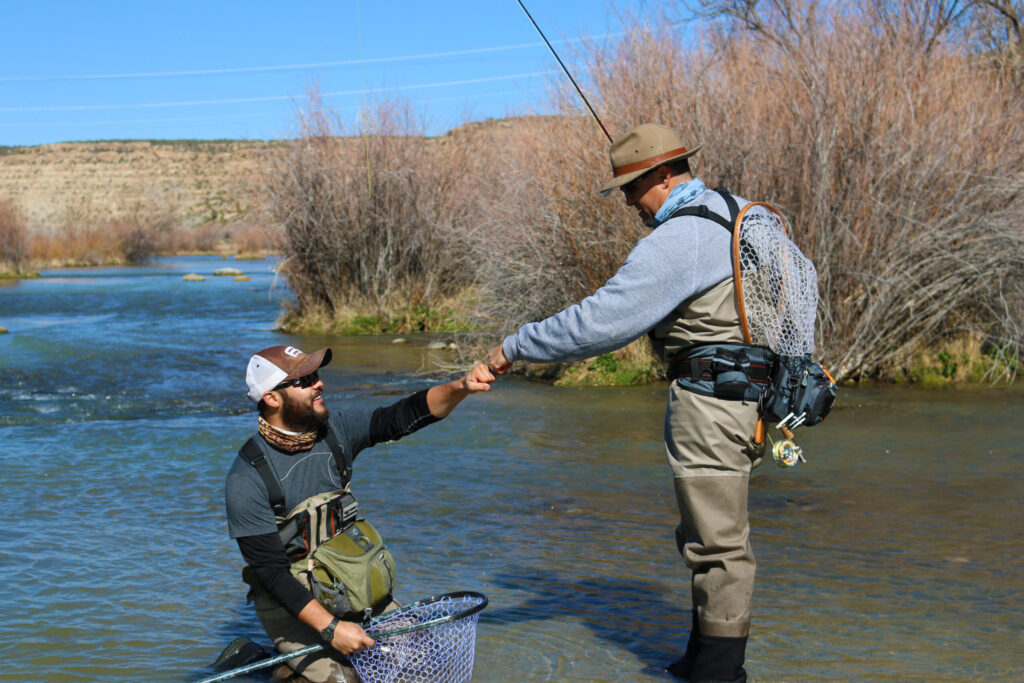
Hunting & Fishing Access

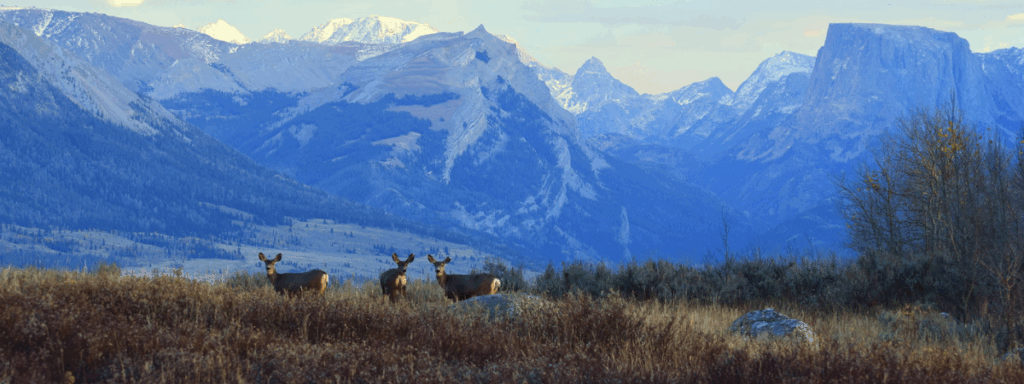
America’s 640 million acres of national public lands provide irreplaceable hunting and fishing opportunities to millions of Americans.

Learn More About Access
What TRCP is Doing

We’re working to safeguard America’s public lands so hunters and anglers always have quality places to pursue their passions.
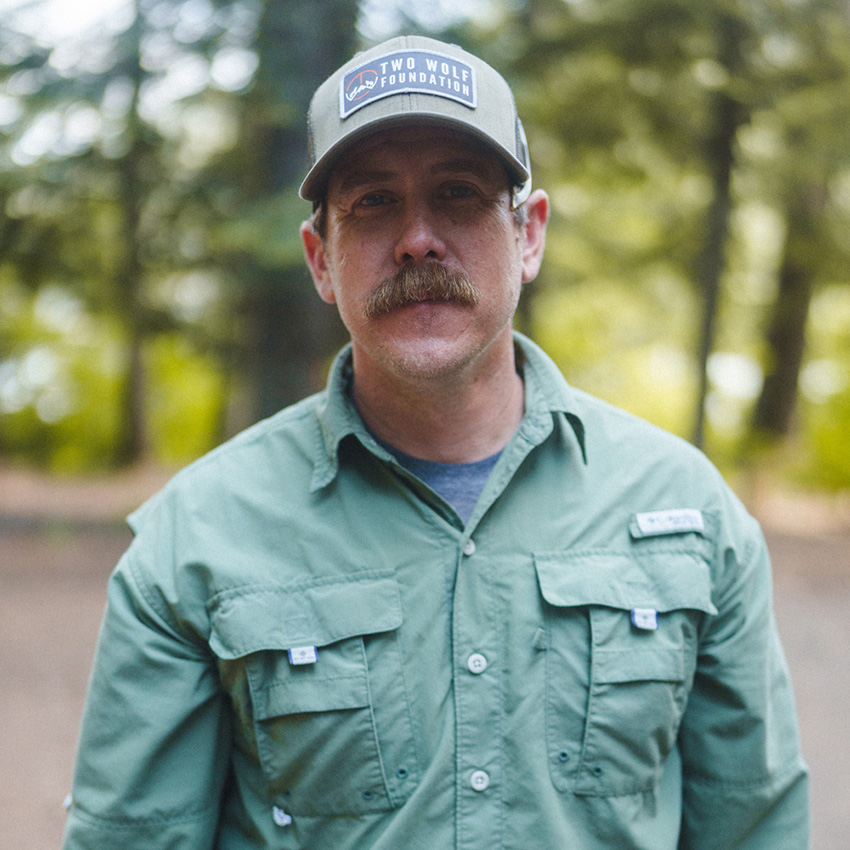
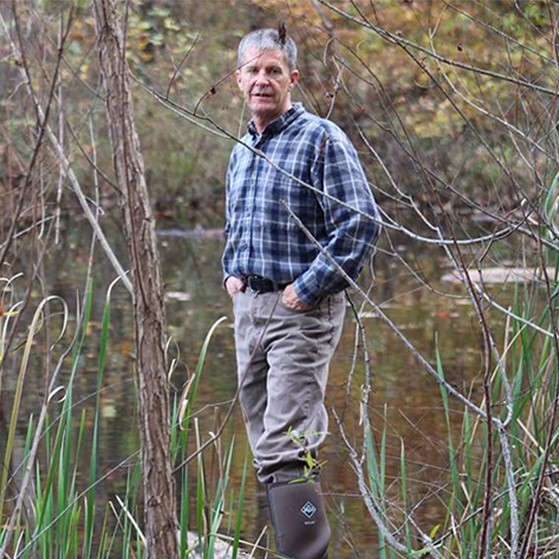
 Brian Flynn, Two Wolf Foundation
How Sportsmen Are Doing It Right

Brian Flynn, Two Wolf Foundation's Story

Following a distinguished career in the U.S. Army, lifelong outdoorsman Brian Flynn returned home from a deployment in Afghanistan and…


Hunting
Why It Matters

Key Issues for America’s Hunters

Your source for the latest policy updates, conservation challenges, and opportunities shaping America’s hunting traditions.

What TRCP is Doing

We’re fighting for meaningful policy changes that benefit wildlife, our waters, and the American landscapes that make our outdoor traditions possible.

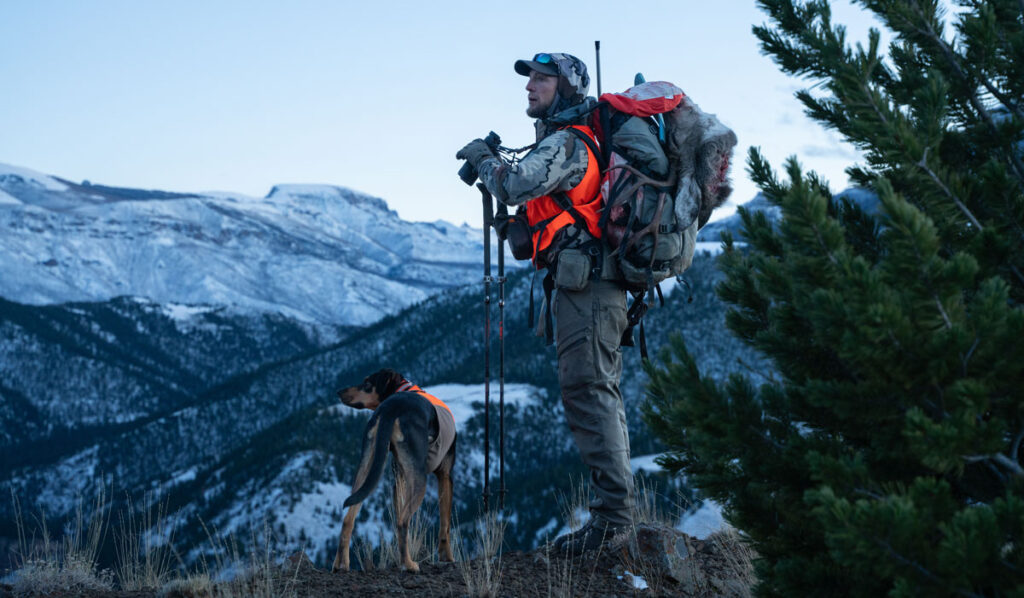
 Ryan Sparks
How Sportsmen Are Doing It Right

Ryan Sparks's Story

TRCP’s “In the Arena” series highlights the individual voices of hunters and anglers who, as Theodore Roosevelt so famously said,…

Fishing
Why It Matters

Key Issues for America’s Anglers

Your source for the latest policy updates, conservation challenges, and opportunities shaping America’s fishing traditions.

What TRCP is Doing

We’re fighting for meaningful policy changes that benefit wildlife, our waters, and the American landscapes that make our outdoor traditions possible.

 David Mangum
How Sportsmen Are Doing It Right

David Mangum's Story

Capt. David Mangum is a YETI ambassador and outdoor photographer who utilizes his talents to produce media that inspire a…

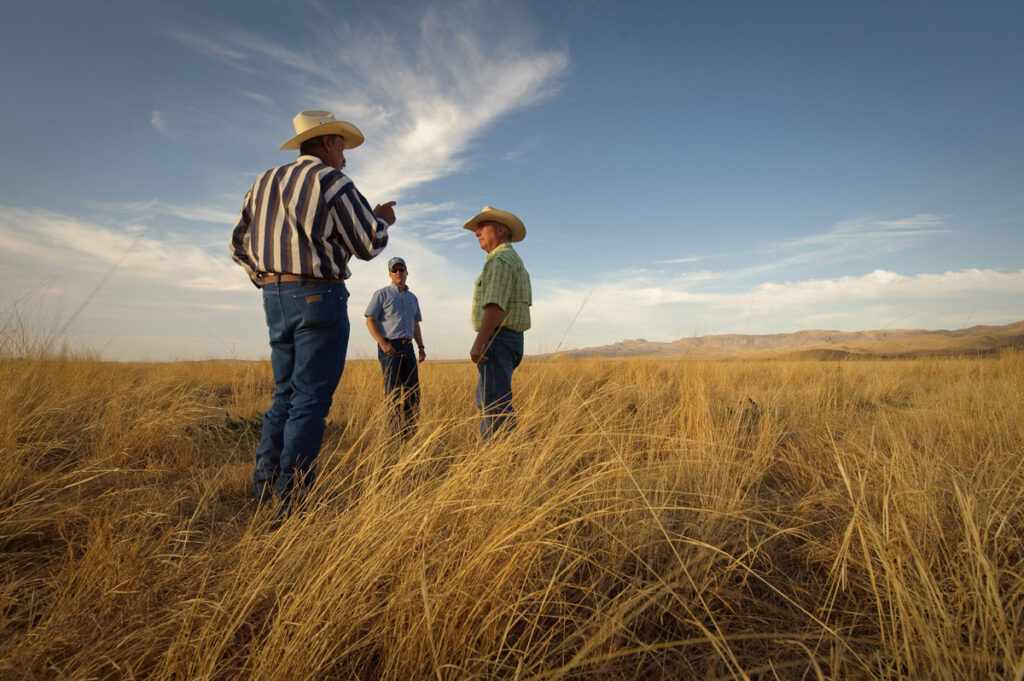
Private Land
Why It Matters

Stewardship on America’s private lands

With 70 percent of U.S. lands in private hands and many of our best hunt and fish opportunities occurring there, investing in voluntary conservation on working lands safeguards access, strengthens habitat and water quality, and ensures resilient landscapes.

Learn More
What TRCP is Doing

We champion policies and programs that restore wildlife habitat, improve soil and water health, and keep working lands productive.

 Ward Burton
How Sportsmen are Doing It Right

Ward Burton's Story

Ward Burton’s NASCAR driving career stretched across most of two decades. As an avid sportsman and conservationist, he founded the…

Special Places
Why It Matters

Special Places Worth Protecting

America’s most iconic landscapes provide unmatched habitat and unforgettable days afield. These places sustain wildlife, anchor local economies, and define the hunting and fishing traditions we pass down.

What TRCP is Doing

We’re working to conserve special places that provide world-class habitat and unforgettable opportunities for hunters and anglers.

 Franklin Adams
How Sportsmen Are Doing It Right

Franklin Adams's Story

As a true Gladesman, conservationist, and historian, Capt. Franklin Adams has spent more than six decades championing Everglades restoration efforts…

Habitat & Clean Water
Why It Matters

Healthy Habitat Powers Every Pursuit

All hunting and fishing opportunities depend on quality habitat, from clean water and healthy wetlands to winter and summer habitats and the migration corridors that connect them.

All About Habitat & Clean Water
What TRCP is Doing

We are working to safeguard the habitats that power every hunting and fishing opportunity.

 Alex Harvey
How Sportsmen Are Doing It Right

Alex Harvey's Story

Alex Harvey, founder of Legacy Land Management, is a registered professional forester in Mississippi and Alabama with a Master's degree…

Science
Why It Matters

Science That Guides TRCP

From conserving migration corridors and wetlands to ensuring clean water and resilient landscapes, science provides evidence that turns conservation goals into effective action.

Science for Conservation
What TRCP is Doing

For hunters and anglers, science safeguards the experiences we treasure including resilient big game populations, abundant fish, and wild places that endure changing social landscapes.

Jamelle Ellis
Your Science Expert

Jamelle Ellis's Story

Jamelle Ellis joined the Theodore Roosevelt Conservation Partnership in 2022. Jamelle spent the last three years as an environmental sustainability…

Where We Work
Across the Nation

Conservation Across America

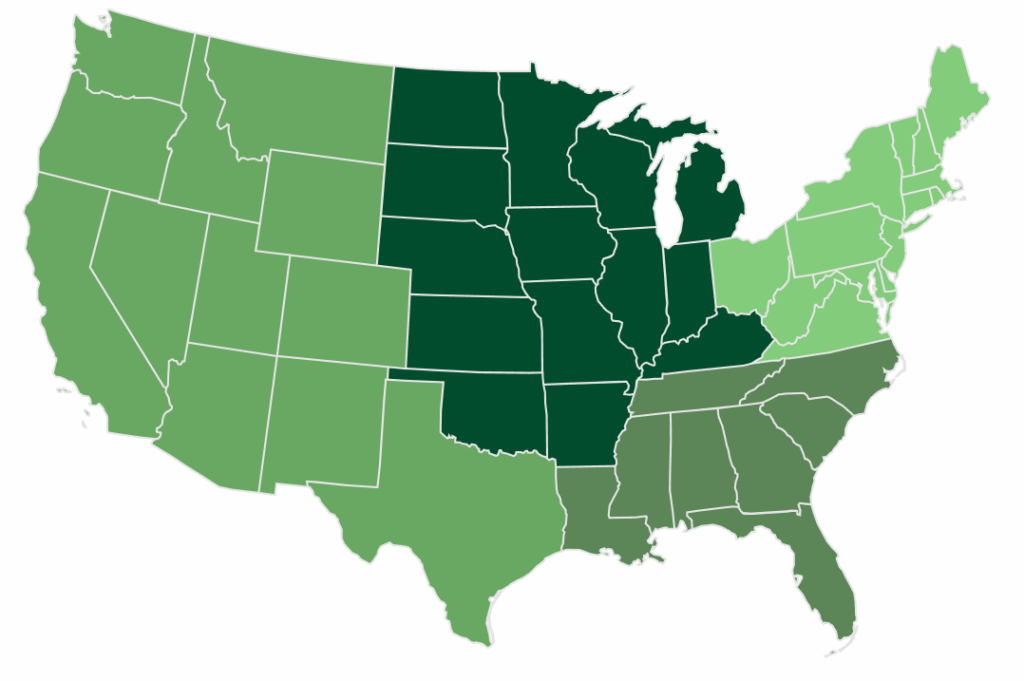
TRCP works across the country to ensure hunters and anglers can enjoy healthy fish and wildlife and quality days afield, no matter where they live.

See All Issues
TRCP in Your Region

TRCP works across the country to ensure hunters and anglers can enjoy healthy fish and wildlife and quality days afield, no matter where they live.

Who We Are
Our Mission

To guarantee all Americans quality places to hunt & fish

We unite and amplify our partners’ voices to advance America’s legacy of conservation, habitat, and access.

Our Mission & Values
Our People & Partners
  • Meet the TRCP Team

    Our staff and board members unite and amplify our partners’ voices to advance America’s legacy of conservation, habitat, and access.

    Meet the Team
  • Our Partners

    ‘Partnership’ is in our name. We work with 64 diverse partner groups that represent today’s leading hunting, fishing, and conservation organizations in order to strengthen the sportsman’s voice in Washington, D.C.

    Our Partners
  • Corporate Council

    TRCP’s Corporate Council is made up of diverse corporations that share a common passion for conservation.

    Corporate Council
Our Organization

Looking for more information?

Explore our latest news, policy updates, and conservation resources to get the information you need.

Giving
How You Can Help

To guarantee all Americans quality places to hunt & fish

Your tax-deductible donation will support TRCP's mission, now and into the future.

DONATE
Special Ways to support trcp
  • Capital Conservation Awards Dinner

    The CCAD is one of Washington's best-attended conservation celebrations, featuring dinner, cocktails, and a silent auction.

    Learn More
  • Step Into the Arena

    Help us ensure that our treasured wild habitats and game remain intact for the next generation to enjoy – lend your support to the TRCP’s efforts today!

    Donate
  • Roosevelt Roast

    TRCP has partnered with Afuera Coffee Co. to further our commitment to conservation.

    Learn More
More donation options

Find the best way for you to lend your support. Join one of TRCP’s donor circles for special invitations, premium offerings from outdoor retailers, and more exclusive benefits. Take control of your legacy with planned giving or contribute to special conservation funds.

Other Ways To Give
News
In the Spotlight

The Next Step for the Tongass

Hunters and Anglers Can Help Shape the Forest Plan.

Read More

Stay Informed

Receive our newsletter, the Roosevelt Report, right in your inbox. Never miss the latest news in conservation issues.

by:

posted in:

February 9, 2018

vince-fleming-487800

Do you have any thoughts on this post?

XHTML: You can use these tags: <a href="" title=""> <abbr title=""> <acronym title=""> <b> <blockquote cite=""> <cite> <code> <del datetime=""> <em> <i> <q cite=""> <s> <strike> <strong>

Comments must be under 1000 characters.

by:

posted in:

Congress Passes Budget Deal with a Boost for Conservation Funding But No Fire Fix

Non-defense spending gets a bump, but the agreement doesn’t include a solution for fire borrowing, which saps the Forest Service of its budget for habitat maintenance and improvement

This morning, Congress passed a bipartisan budget agreement to end the cycle of short-term funding patches that has sustained the federal government through one-third of the fiscal year.

While a modest increase to conservation funding is likely with a $131-billion boost to non-defense spending, lawmakers again missed a major opportunity to fix the dysfunctional way we pay for wildfires in America—by forcing the U.S. Forest Service to borrow from accounts meant to fund maintenance and improvement of forest habitat once they’ve exceeded the budget for firefighting.

“Any increase to conservation funding is a good thing for America’s public lands, fish and wildlife resources, and sportsmen and women, especially given that conservation’s share of the federal budget has been cut in half over the last 40 years,” says Whit Fosburgh, president and CEO of the Theodore Roosevelt Conservation Partnership.

Conservation Funding BLM Montana
An increase in conservation funding means more support for our public lands. Image courtesy of Bob Wick/BLM.

“Congress’s failure to address fire borrowing in the most germane legislative vehicle for the purpose—especially after one of the most costly wildfire seasons on record—makes you wonder if they really want to find a solution for America’s forests and the federal land managers who are expected to safeguard these places on a shoestring. It’s frustrating for hunting and fishing groups who have been calling for a fix for years.”

Technically, funding for the government ran out at midnight last night, but the House voted to end the shutdown just a few hours ago. The agreement avoids a lengthy government shutdown, which could have temporarily halted ongoing conservation projects and closed some access.

Congressional appropriators still need to allocate funding to specific programs across the government by March 23. Appropriations bills will ensure that new conservation projects can begin and funding for outdated or ineffective efforts can be used for something else.

President Trump’s budget proposal for fiscal year 2019 is expected early next week, as is the official version of a leaked report on proposed infrastructure improvements that may present opportunities to improve public lands facilities and wetlands. Stay up to date on TRCP’s response here.

by:

posted in:

February 6, 2018

TRCP Ranked Among Top U.S. Charities for Fifth Year in a Row

Our financial health and accountability has earned us another exceptional 4-star rating from the leading charity evaluator in America

Usually we’re in it for the meat, not the trophies, but the Theodore Roosevelt Conservation Partnership is very proud to announce our fifth consecutive 4-star rating from Charity Navigator—that’s the highest possible rating awarded by the nation’s largest independent charity evaluator.

This five-time recognition of TRCP’s financial health, accountability, and transparency puts the organization in the top 8 percent of American charities rated.

In a letter, Charity Navigator president and CEO Michael Thatcher says this designation indicates that the TRCP “executes its mission in a financially efficient way,” exceeding industry standards and outperforming most charities—not just in our area of work, but in the country overall.

“We’re honored to be recognized as a solutions-oriented organization that sportsmen and women can trust to represent their needs in Washington, D.C., where ongoing policy debates will decide the future of hunting and fishing,” says Whit Fosburgh, president and CEO of the Theodore Roosevelt Conservation Partnership. “Establishing this track record of financial accountability and transparency has been of utmost importance to us, and we hope it underscores the integrity with which we approach all of our communications and relationships with members, donors, foundations, and partners.”

The rating is based on TRCP’s financials and audit report through the end of 2016. Learn more here or read the Annual Report, which also details some of TRCP’s recent conservation policy successes.


Cheers. Photo courtesy of The Element.


Top photo by Steven Earley via Pheasants Forever

by:

posted in:

February 2, 2018

Changes to BLM Energy Leasing Are a Step Backward for Sportsmen and Habitat

The elimination of Master Leasing Plans alters the up-front planning process meant to help balance the needs of wildlife with energy development

This week, the Bureau of Land Management made changes to its energy leasing process, altering up-front planning for development and limiting public input for land management decisions affecting fish, wildlife, and sportsmen’s access.

The agency specifically chose to eliminate the Master Leasing Plan policy, a tool designed to proactively balance energy development with other uses of public lands.

“Hunters and anglers have been working for more than a decade to help strike a more appropriate balance between wildlife habitat and energy production on our public lands,” says Whit Fosburgh, president and CEO of the Theodore Roosevelt Conservation Partnership. “Unfortunately, yesterday’s decision by the BLM alters the up-front planning and engagement process and reduces the American public’s ability to have a say in how their public lands are managed. This could easily lead to increased and unnecessary conflict between energy development and fish and wildlife habitat.”

The Master Lease Planning concept was a look-before-you-lease approach to identifying and resolving areas of conflict early in the process of development. Ideally, once leasing and development did occur, the BLM and stakeholders would have already taken care to avoid impacts to fish and wildlife habitat. This process played out successfully on public lands in Moab, Utah, and Northwest Colorado in recent years.

The memorandum released this week makes public participation optional at best in the review of public land parcels identified for potential leasing. It also shortens the protest period for contestable leases from 30 days to 10 days.

“Rolling back the MLP policy is a step backward for an administration that says it wants to deregulate and bring decision-making on public lands closer to home, because diligent and transparent up-front planning prevents the need for red tape and costly mitigation later,” says Fosburgh. “We encourage the BLM to gather public feedback early in the process, use the best available science, and listen to constituents from every economic sector reliant on public lands—including the hunters, anglers, guides, outfitters, and retailers who drive the $887-billion outdoor recreation economy.”


Top photo by BLM Wyoming via flickr

by:

posted in:

January 31, 2018

Public Access Is a Bright Spot in Interior Department’s Agenda

Opening more public land to hunting and fishing is something we can all agree on—and to leave a truly sportsmen-friendly legacy, Interior must match access achievements with a vision for habitat and conservation funding

As we round the corner into year two of the Trump administration, there is plenty to debate about the Interior department’s track record on conservation and how the agency plans to safeguard some of our best places to hunt and fish. It can be said with a straight face that we haven’t yet seen a conservation vision from the department, and what we have seen is predicated on addressing roadblocks to energy development.

I think what we can agree on is that DOI is moving things in a positive direction on public access to our nation’s public lands.

The Interior department’s focus on expanding access has been building since March of 2017, when Secretary Ryan Zinke signed the first of two hunting-and-fishing-focused Secretarial Orders. The first order, SO 3347, directed the Bureau of Land Management, U.S. Fish and Wildlife Service, and National Park Service to develop reports that (among other things) would identify ways to expand recreational access to public lands. Those reports can be accessed here and here, and they include some good ideas that would be positive for hunters and anglers.

Then, in August, DOI went forward with acquiring 4,176 acres of private land adjacent to the 16,000-acre Sabinoso Wilderness Area in New Mexico, which until that time was completely landlocked by private ranches. Because of this acquisition, the Sabinoso area is now open and accessible to all Americans. In November, the department finalized a process to open an additional 132,000 acres across 10 national wildlife refuges to recreational hunting and fishing.

Sabinoso Wilderness Area. Image courtesy of Joel Gay.

Perhaps most significantly, Secretary Zinke issued his second secretarial order on hunting and fishing in September—SO 3356. Among other things, it directed the BLM, National Park Service, and U.S. Fish and Wildlife Service to produce plans to expand access for hunting and fishing AND identify lands where access is currently limited. This might include areas that may be impractical or effectively impossible to access under current conditions via public roads or trails, but where there may be an opportunity to gain access through an easement, right-of-way, or land acquisition. The agencies will need to provide a report detailing such lands to the Deputy Secretary of the Interior.

Sportsmen know firsthand that just because public lands are public, it doesn’t guarantee that they’re accessible. Plus, many roads and trails have fallen into disrepair, barring further access. We believe that the action plans being developed by the agencies could help make major progress toward securing access to inaccessible lands.

We applaud what these orders stand for and would like to see them implemented thoughtfully and collaboratively with the locals who understand their public lands challenges best. However, if the administration is truly interested in seeing their access vision reach fruition, they must step forward and make sure that there is federal money to support these projects. This includes reauthorizing and funding the Land and Water Conservation Fund by the end of the 2018 fiscal year.

The LWCF is a federal program that uses royalties from offshore oil and gas development to finance land acquisitions and easements aimed at providing public access and conserving valuable habitats. Without this program, most acquisition projects aimed at expanding public access would not be possible. The 54-year-old program’s authorization will expire at the end of September, throwing into question DOI’s ability to secure access to landlocked parcels of public land.

Everglades National Park is conserved with help from LWCF. Image courtesy of NPS.

There has been a lot of talk between Congress and the Administration about striking a budget deal for the remainder of 2018, and the president is expected to release his proposed 2019 budget by February 12. These budget processes represent a golden opportunity for the administration to not only support strong funding for LWCF, but also demonstrate a commitment to road and trail maintenance projects that benefit public land users.

Beyond expanding our access, American sportsmen and women are depending on the administration to create a parallel vision for habitat conservation on public lands. After all, access doesn’t matter if we don’t also have strong conservation policies to ensure that we’ll find healthy fish and game populations once we’re out there.

The TRCP remains committed to persuading the Interior department to do just that. If you want to add your voice, visit Sportsmen’s Country.


HOW YOU CAN HELP

TRCP has partnered with Afuera Coffee Co. to further our commitment to conservation. $4 from each bag is donated to the TRCP, to help continue our efforts of safeguarding critical habitats, productive hunting grounds, and favorite fishing holes for future generations.

Learn More

You have Successfully Subscribed!

You have Successfully Subscribed!

You have Successfully Subscribed!

You have Successfully Subscribed!