Our Issues
Public Lands
Why It Matters

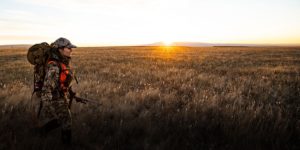
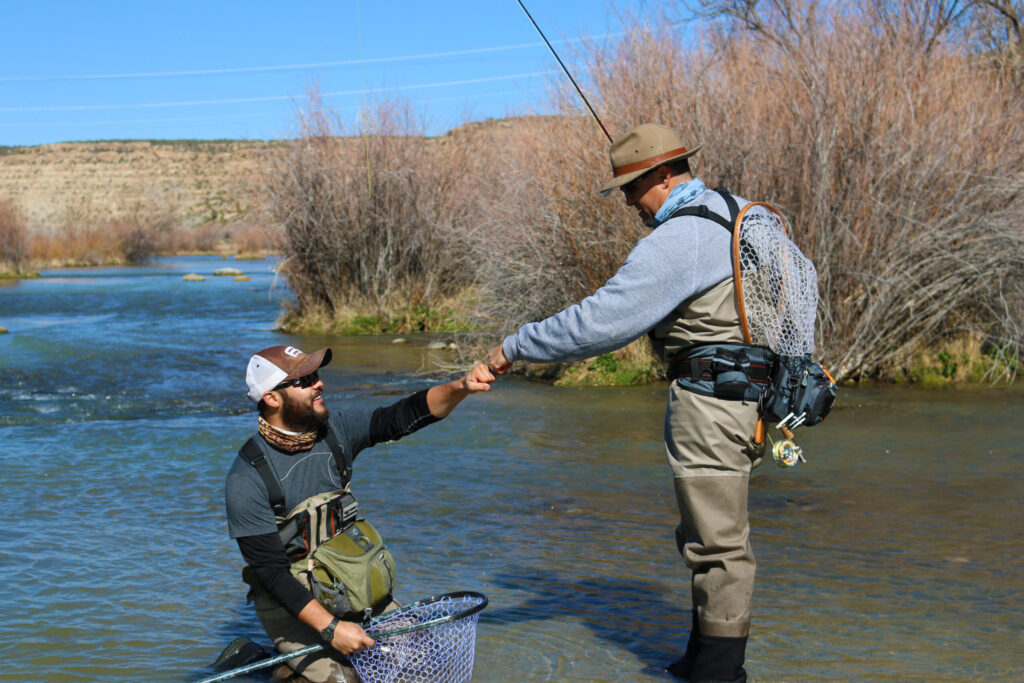
Hunting & Fishing Access

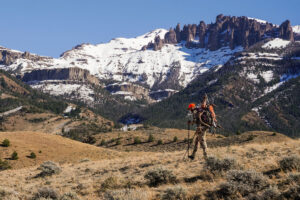
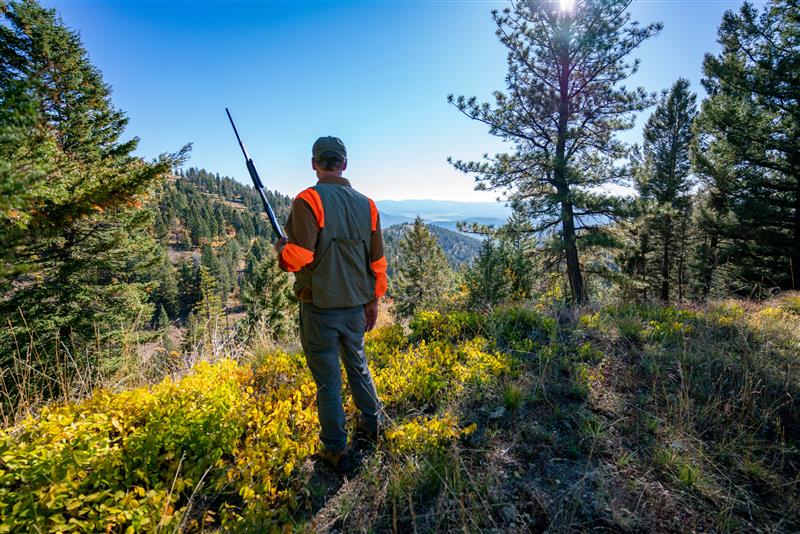
America’s 640 million acres of national public lands provide irreplaceable hunting and fishing opportunities to millions of Americans.

Learn More About Access
What TRCP is Doing

We’re working to safeguard America’s public lands so hunters and anglers always have quality places to pursue their passions.
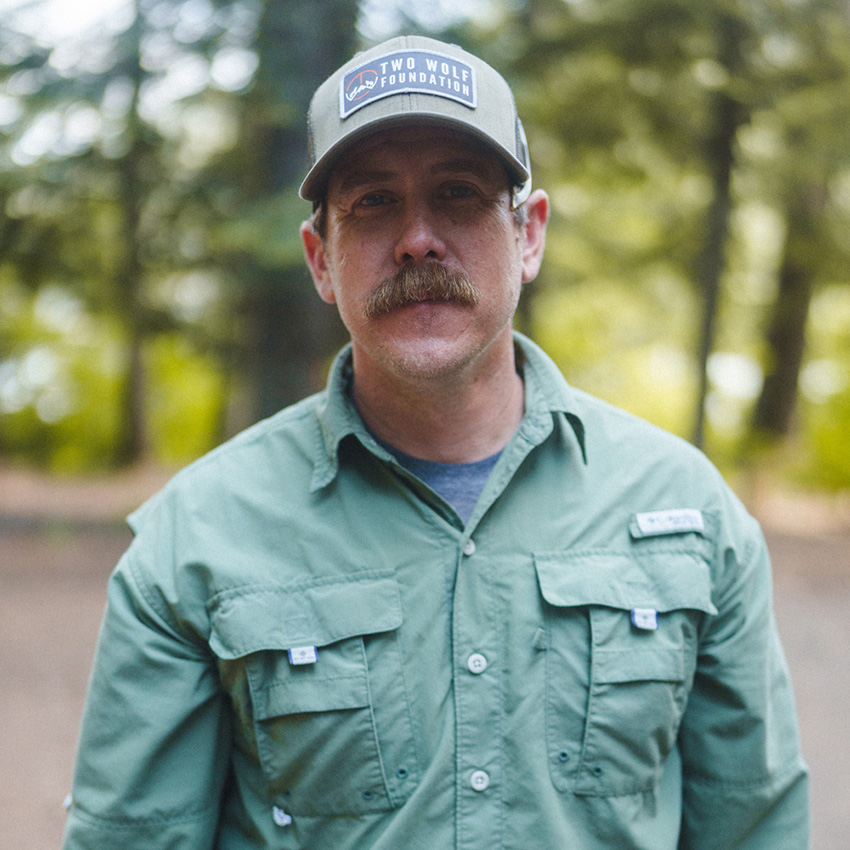
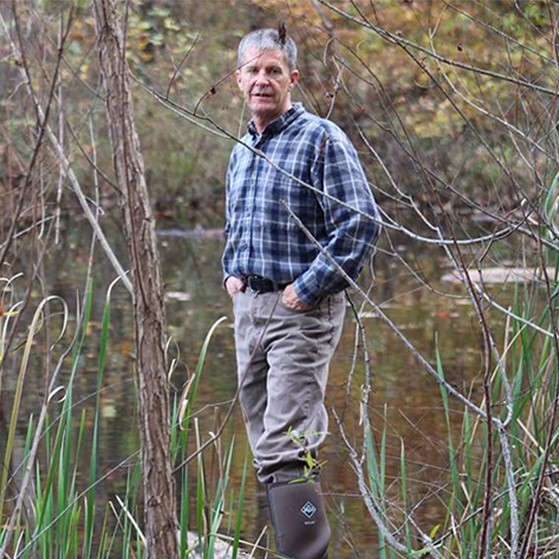
 Brian Flynn, Two Wolf Foundation
How Sportsmen Are Doing It Right

Brian Flynn, Two Wolf Foundation's Story

Following a distinguished career in the U.S. Army, lifelong outdoorsman Brian Flynn returned home from a deployment in Afghanistan and…


Hunting
Why It Matters

Key Issues for America’s Hunters

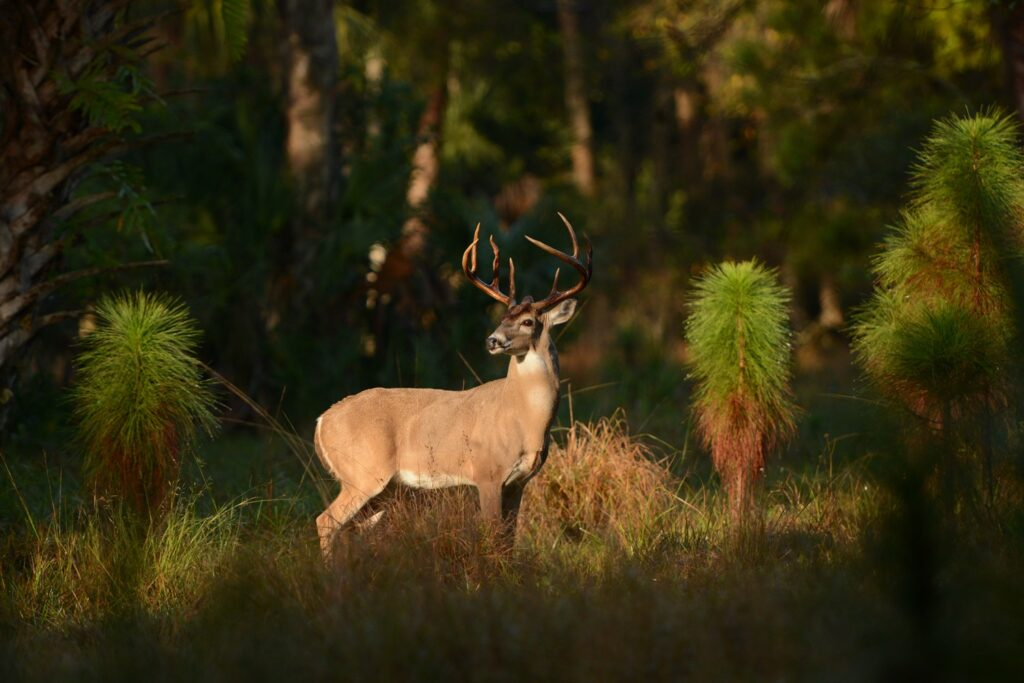
Your source for the latest policy updates, conservation challenges, and opportunities shaping America’s hunting traditions.

What TRCP is Doing

We’re fighting for meaningful policy changes that benefit wildlife, our waters, and the American landscapes that make our outdoor traditions possible.

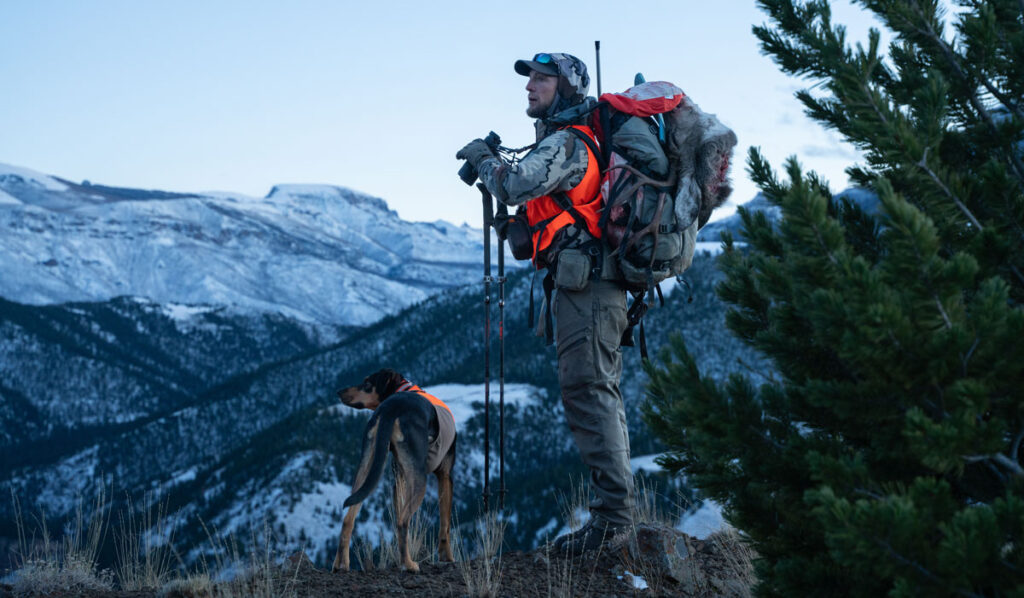
 Ryan Sparks
How Sportsmen Are Doing It Right

Ryan Sparks's Story

TRCP’s “In the Arena” series highlights the individual voices of hunters and anglers who, as Theodore Roosevelt so famously said,…
Fishing
Why It Matters

Key Issues for America’s Anglers

Your source for the latest policy updates, conservation challenges, and opportunities shaping America’s fishing traditions.

What TRCP is Doing

We’re fighting for meaningful policy changes that benefit wildlife, our waters, and the American landscapes that make our outdoor traditions possible.

 David Mangum
How Sportsmen Are Doing It Right

David Mangum's Story

Capt. David Mangum is a YETI ambassador and outdoor photographer who utilizes his talents to produce media that inspire a…

Private Land
Why It Matters

Stewardship on America’s private lands

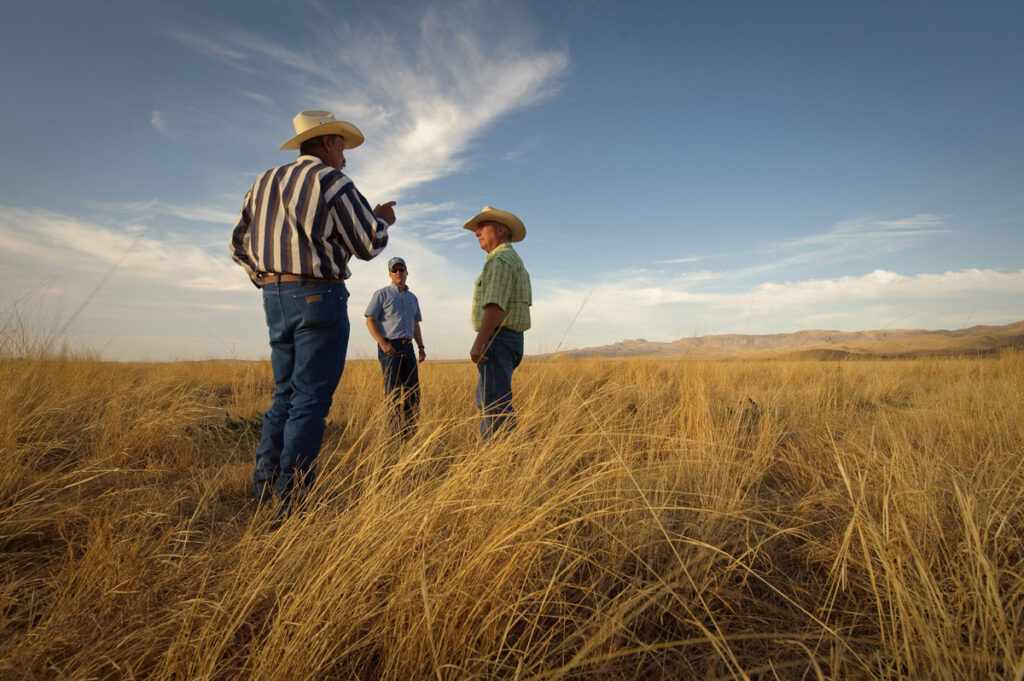
With 70 percent of U.S. lands in private hands and many of our best hunt and fish opportunities occurring there, investing in voluntary conservation on working lands safeguards access, strengthens habitat and water quality, and ensures resilient landscapes.

Learn More
What TRCP is Doing

We champion policies and programs that restore wildlife habitat, improve soil and water health, and keep working lands productive.

 Ward Burton
How Sportsmen are Doing It Right

Ward Burton's Story

Ward Burton’s NASCAR driving career stretched across most of two decades. As an avid sportsman and conservationist, he founded the…

Special Places
Why It Matters

Special Places Worth Protecting

America’s most iconic landscapes provide unmatched habitat and unforgettable days afield. These places sustain wildlife, anchor local economies, and define the hunting and fishing traditions we pass down.

What TRCP is Doing

We’re working to conserve special places that provide world-class habitat and unforgettable opportunities for hunters and anglers.

 Franklin Adams
How Sportsmen Are Doing It Right

Franklin Adams's Story

As a true Gladesman, conservationist, and historian, Capt. Franklin Adams has spent more than six decades championing Everglades restoration efforts…

Habitat & Clean Water
Why It Matters

Healthy Habitat Powers Every Pursuit

All hunting and fishing opportunities depend on quality habitat, from clean water and healthy wetlands to winter and summer habitats and the migration corridors that connect them.

All About Habitat & Clean Water
What TRCP is Doing

We are working to safeguard the habitats that power every hunting and fishing opportunity.

 Alex Harvey
How Sportsmen Are Doing It Right

Alex Harvey's Story

Alex Harvey, founder of Legacy Land Management, is a registered professional forester in Mississippi and Alabama with a Master's degree…

Science
Why It Matters

Science That Guides TRCP

From conserving migration corridors and wetlands to ensuring clean water and resilient landscapes, science provides evidence that turns conservation goals into effective action.

Science for Conservation
What TRCP is Doing

For hunters and anglers, science safeguards the experiences we treasure including resilient big game populations, abundant fish, and wild places that endure changing social landscapes.

Jamelle Ellis
Your Science Expert

Jamelle Ellis's Story

Jamelle Ellis joined the Theodore Roosevelt Conservation Partnership in 2022. Jamelle spent the last three years as an environmental sustainability…

Where We Work
Across the Nation

Conservation Across America

TRCP works across the country to ensure hunters and anglers can enjoy healthy fish and wildlife and quality days afield, no matter where they live.

See All Issues
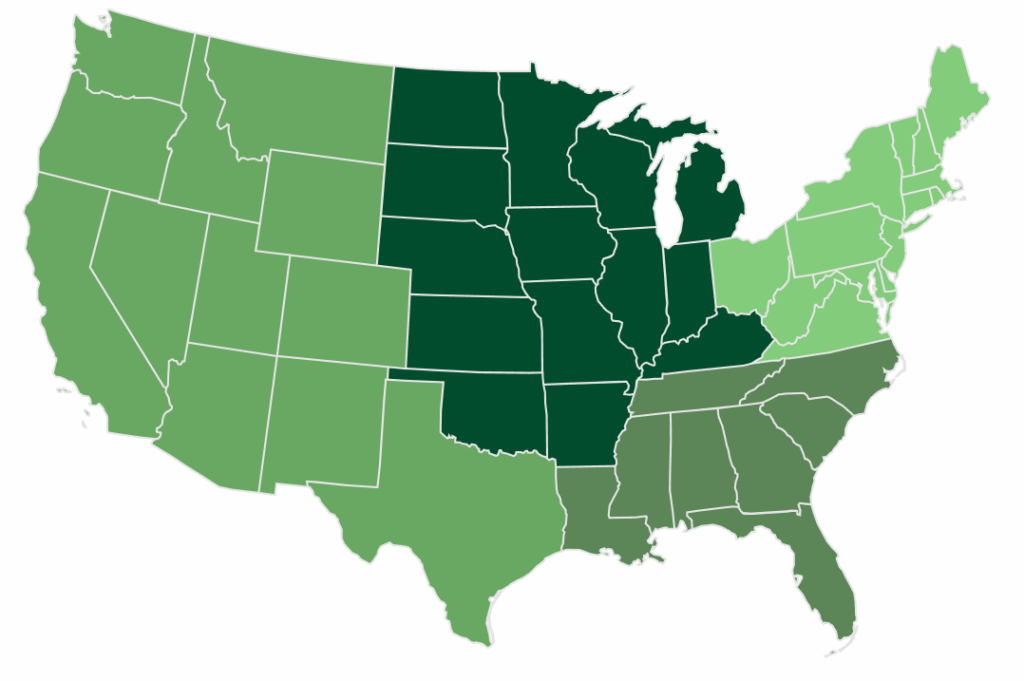
TRCP in Your Region

TRCP works across the country to ensure hunters and anglers can enjoy healthy fish and wildlife and quality days afield, no matter where they live.

Who We Are
Our Mission

To guarantee all Americans quality places to hunt & fish

We unite and amplify our partners’ voices to advance America’s legacy of conservation, habitat, and access.

Our Mission & Values
Our People & Partners
  • Meet the TRCP Team

    Our staff and board members unite and amplify our partners’ voices to advance America’s legacy of conservation, habitat, and access.

    Meet the Team
  • Our Partners

    ‘Partnership’ is in our name. We work with 64 diverse partner groups that represent today’s leading hunting, fishing, and conservation organizations in order to strengthen the sportsman’s voice in Washington, D.C.

    Our Partners
  • Corporate Council

    TRCP’s Corporate Council is made up of diverse corporations that share a common passion for conservation.

    Corporate Council
Our Organization

Looking for more information?

Explore our latest news, policy updates, and conservation resources to get the information you need.

Giving
How You Can Help

To guarantee all Americans quality places to hunt & fish

Your tax-deductible donation will support TRCP's mission, now and into the future.

DONATE
Special Ways to support trcp
  • Capital Conservation Awards Dinner

    The CCAD is one of Washington's best-attended conservation celebrations, featuring dinner, cocktails, and a silent auction.

    Learn More
  • Step Into the Arena

    Help us ensure that our treasured wild habitats and game remain intact for the next generation to enjoy – lend your support to the TRCP’s efforts today!

    Donate
  • Roosevelt Roast

    TRCP has partnered with Afuera Coffee Co. to further our commitment to conservation.

    Learn More
More donation options

Find the best way for you to lend your support. Join one of TRCP’s donor circles for special invitations, premium offerings from outdoor retailers, and more exclusive benefits. Take control of your legacy with planned giving or contribute to special conservation funds.

Other Ways To Give
News
In the Spotlight

Oregon Legislature Passes Landmark “1.25 Percent for Wildlife” Act

After three legislative sessions and more than a decade of advocacy, a bipartisan coalition secures Oregon’s most significant conservation funding victory in a generation.

Read More

Stay Informed

Receive our newsletter, the Roosevelt Report, right in your inbox. Never miss the latest news in conservation issues.

by:

posted in:

August 16, 2013

Quartering and Packing Big Game Demystified in New How-To Video

A lot of hunters feel uneasy about hunting backcountry public land because they’re worried about what to do when they get a deer or elk down on the ground a mile or more from their rig.

Join Steven Rinella and seven sportsman-conservation organizations in a new instructional video, “Quartering & Packing Big Game” that demonstrates big-game field dressing and packing techniques for public land hunters.

In this video, Rinella offers tips and techniques to help public land hunters develop the skills and confidence necessary to hunt away from their vehicles – in places where their odds of success often are higher.

Millions of American sportsmen depend on public lands, and these lands can receive a lot of hunting pressure. That pressure can push deer and elk deep into areas that are far from roads and vehicles, prompting many sportsmen to hunt on foot, quarter their kills and pack out the meat on their backs.

Watch “Quartering & Packing Big Game” right now.

The Theodore Roosevelt Conservation Partnership, Backcountry Hunters & Anglers, the Wild Sheep Foundation, the Mule Deer FoundationOrion the Hunters Institute, the Pope and Young Club and the Bull Moose Sportsmen’s Alliance teamed up with Rinella to produce and distribute the new video. All of these groups are committed to ensuring the responsible management of public lands and to safeguarding habitat for fish, wildlife and sportsmen.

Do you have any thoughts on this post?

XHTML: You can use these tags: <a href="" title=""> <abbr title=""> <acronym title=""> <b> <blockquote cite=""> <cite> <code> <del datetime=""> <em> <i> <q cite=""> <s> <strike> <strong>

Comments must be under 1000 characters.

by:

posted in:

August 15, 2013

On LNG… What is RFA Thinking?

Liberty Natural Gas’ “Port Ambrose” just seems bad all around

I had to do a double-take when I opened a New York Times link last week to read an article: Fight Over Plan for Natural Gas Port Off Long Island .  Inset was a photo of the Recreational Fishing Alliance’s Jim Donofrio.  Not unusual really (while I rarely see eye-to-eye with that organization, they usually seem to be on the right page when it comes to things like this) except that the text under the photo read “Jim Donofrio, executive director of the Recreational Fishing Alliance, urges people not to dismiss the idea of a natural gas port.”  Seriously?  Everything I had read up to now has shown that Liberty Natural Gas’ “Port Ambrose” is bad for anglers, or any ocean users. Also from a security standpoint, it appears to be pretty bad for New York Harbor.  Given this is an area I fish pretty hard every single year, it got me a little worried.  So, I’m scratching my head wondering why.

“Port Ambrose” is a proposed liquid natural gas (LNG) port that would consist of two submerged buoys sitting about 30 feet off the seabed, with a radius of about 40 feet.  It would potentially be located about twenty miles due South of Jones Beach in Long Island and 30-miles due east of Monmouth Beach in Jersey, allowing huge ships to directly connect to the region’s natural gas system.

LNG is gas that has been super-chilled to -260 degrees, turning it into a liquid that is 1/600th the original volume of gas, so large volumes can be transported overseas.  The gas is clear, colorless, and extremely explosive.  So much so that Governor Christie vetoed a similar proposal in 2011 and in 2012. According to the Governor’s original veto, it “created a heightened risk in a densely developed region, including potential accidents or sabotage disrupting commerce in the Port of New York and New Jersey.”

According to the permit application, among the environmental impacts, the port would discharge 3.5 million gallons of chemically-treated seawater used for pipe tests.  During construction the project would apparently dredge up over 20-miles of seafloor, which would likely wipe out the fishing in a large area for a long time.  There will most certainly be significant underwater noise pollution during construction as well.  And given the volatility of LNG there will most certainly be a large exclusionary zone where there will be no fishing, or any sort of recreational or commercial activity, both during construction and probably for the life of the port.  It’s hard to see how Port Ambrose wouldn’t affect just about all ocean uses in the area including fishing, diving, boating, and shipping.  And, the possible site, in the middle of a recently proposed offshore wind area, would pretty much stifle what has been significant and recent movement toward wind-power in the area.

Upland, there is concern that construction of such an LNG port could lead to increased shale gas extraction, aka “fracking”.  The port would of course be close to the Marcellus Shale, which lies beneath parts of New York and Pennsylvania and contains natural gas that can be extracted, should a state moratorium on the process known as “hydrofracking” be lifted.  There are certainly those that argue that such fracking would destroy the Delaware River trout fishery, and it likely would.

A LNG Port off Long Island could cause the NY ban on Fracking to be lifted

Liberty Natural Gas contends that the proposed port will be used to import LNG from abroad, not export it, yet there is nothing in the law that would prevent the company, or a future owner of the port, from using it to ship shale gas to foreign countries.

Liberty Natural Gas filed the proposal with the federal Maritime Administration and the Coast Guard last month.  It must go through a rigorous yearlong process, including environmental impact studies and public hearings.   Assuming it clears all the numerous hurdles it faces, in the end none of it would matter if Governor Christie and/or Governor Cuomo veto it.  Given the recent history, I can’t imagine they won’t.

So why on earth is RFA even engaged here?  And seemingly on the “wrong” side to boot.  Certainly there isn’t a way anglers, or the recreational fishing industry could benefit?  Or could it?  While I can’t confirm it, there have been rumors that Liberty Natural Gas would provide more than $20M in mitigation money for the exclusionary zone the facility would require.  A lot of that would likely benefit the party boats from central and Northern New Jersey and of course Long Island.  I’m one of the most cynical guys around, but I can’t believe that this would be a reason RFA would consider supporting this.  I mean come on man… that would be the true definition of “selling out”.  So let’s take that off the table right now.

In the New York Times Article, Donofrio refers to the opposition to the Port Ambrose as “showroom environmentalists”.  I get it! RFA is and has been anti-environmental/anti-conservation for an awful long time.  Because of course everyone knows that environmentalists, even if they are fishermen themselves, are out to end all fishing, right! To simplify it, the RFA folks support the taking of more fish, and the folks that want to keep more fish in the water so we can enjoy healthy more abundant fisheries often stand in the way of them getting what they want.  But to support something that seems so obviously bad for anglers to spite the enviros?  Naaa…  Still not that cynical.

And I should note here that Clean Ocean Action, the folks that seem to be leading the opposition to Port Ambrose, is hardly a “showroom environmentalist” group.  They are about as small, local and grassroots as you can get.  And a good portion of their constituents include commercial and recreational fishermen.

RFA hasn’t come out in outright support of the Port Ambrose proposal.  According to the New York Times article they are “reviewing the proposal”.  But given the photo and the quotes in the article they certainly appear to be leaning that way.  Yes, there may be benefits to such a facility.  It could lower heating costs by increasing supply, create construction-related jobs and generate in state and federal tax revenue, but at what cost?  I can’t see how such a port wouldn’t adversely affect fishermen.  Like I said, I’m scratching my head on this one.  I sure would like to see an explanation.

That said, I don’t expect to get a reasonable one.  I expect the usual personal attacks for just putting the question out there.  More of the same, about how I’m a radical or some crap like that because after all, in addition to generating a significant amount of my income from my charter fishing business, I also run the grants program for a foundation that funds equipment for organizations working to protect natural resources (e.g. CCA, Trout Unlimited, RiverKeeper, etc.).  But I’d have to think that the large majority of anglers think like I do on this one.

by:

posted in:

August 13, 2013

MRIP- Getting there!

Marine Recreational Information Program collects information about recreational catch and participation

Marine Recreational Information Program (MRIP) provides data for fisheries management

Ok, you say. What the heck is MRIP. It stands for Marine Recreational Information Program and it is the process whereby NOAA Fisheries collects all the information about recreational catch and participation. MRIP is one of those fisheries management acronyms of which there are too many. What comes out of MRIP forms the basis for managing recreational fisheries. So it is important, damn important. Is it the best? Well, it is the best that we currently have, and a great deal of energy is being expended to make it even better.

MRIP is the new version of MRFSS, another acronym that stands for Marine Recreational Fisheries Statistics Survey. MRFSS was found to be flawed by the National Academy of Sciences and since then a dedicated staff has been working to correct the problems that were pointed out. The improvements have not been a speedy process, but little that is done by our government ever is. But it has been a thorough and relentless effort to improve the data flow into the system. Part of the data stream comes from the salt water license requirement, something that I supported way back when and still support today. No, I am not a tax and spend kinda guy. I tend to lean toward the fiscally conservative side, but think that well-run user fee programs that have benefits being returned to the users are good. I know that drives the Tea Partiers nuts, but that’s just the way it is.

I do think that some of the data collection projects make a lot of sense. They are moving outside the old box of intercept survey data toward angler-participation driven data. I have supported cooperative research in the commercial fisheries and think that the same concept will work in the recreational fisheries. These programs are not easy to develop, but they should generate a better data stream in the long run.

One of the projects is looking at a way to identify fish that are released by the recreational fishery. The project calls released fish recreational discards. That is a term that makes me cringe. We’ll have to see what can be done about that, but I digress. This project is using free disposable cameras handed out at launch ramps for anglers to use when releasing fish. The photos will be used for identification and form the basis for statistical projections of release composition.

Another program is developing internet-based angler logs as a source of fishery dependent data.  We know how prevalent smart phones are today and using their extensive capability is just plain smart. This project will focus on using an application callediAngler, but there are others out there and expanding this should be relatively easy. Could the day that there is almost real-time data available for the recreational fishing sector be getting closer. I hope so.

Another project is testing the use of video cameras to establish a recreational fishing boat count or essentially fishing activity in a port that has historically been un-surveyed. This will assess if the video combined with traditional shore-side intercept surveys can be used to estimate catch and effort.

These are all interesting efforts to try to improve the data stream that is used to estimate the recreational fishing effort, catch, and also composition of released fish. During 2013, there will be eight other projects around the country to also improve recreational data. A lot of people think that the government should leave anglers alone and I tend to agree with the sentiment. However, with fish, we are dealing with a public trust resource and the public has a right to know what is being caught and killed. Fishery managers need this information to make the best decisions on how these fish should be managed, so that we have a few left for the future.

STRANGE CATCH- This past week an angler riding his bike along the shore of the Cape Cod Canal saw a bunch of fishing activity on the bank of the Canal. He pedaled home and grabbed a rod. Upon returning he saw what it was all about. The sickle-like tail fin of what he though was a white marlin clipped along in the current. He cast in the fishes direction and hooked up. Yup, it was a white marlin all right! He fought it to the bank and along with other anglers tried to revive the fish for a successful release. Unfortunately, they could not revive the fish. That would be an unusual catch on Cape Cod’s outer beaches, but in the Canal. Wow!

by:

posted in:

August 9, 2013

by:

posted in:

Senate Asks: What Should We Do on Water? Here’s One Answer

Earlier I wrote about a Senate hearing on the Colorado River Basin Water Supply and Demand Study. In case you missed it, the complete hearing is archived and worth watching.

Members of the committee had a recurring question about the projected 3.2 million acre-foot* shortfall between supply and demand in the Colorado River Basin: What – if anything – should the federal government do about it?

In his opening remarks, Sen. Lee (R-UT) approvingly read from the study’s disclaimer that said the study is not to be used as a foundation for any legislative or regulatory action by the federal government. Sen. Udall (D-CO) directly asked the first panel of witnesses what the federal government’s role should be. Sen. Flake (R-AZ) reiterated this question to the second panel of witnesses, saying it was his preference that the federal government be the “last resort” when it comes to solving water problems in the basin.

These statements reflect an appropriate hesitance in Congress to tell Western states what to do with their water.

Management of water resources has always been the province of the states, a responsibility they vigorously defend. But it is wrong to think the federal government doesn’t have a role to play or Congress a responsibility to act.

Mike Connor, commissioner of the Bureau of Reclamation, called Reclamation a valued partner to the states in water management. Don Ostler, executive director of the Upper Colorado River Commission, was more explicit. He said Reclamation provides essential technical support, guidance and research to the states. He also testified that funding for programs such as WaterSMART makes the Colorado River Basin Study possible. Taylor Hawes, Colorado River program director for The Nature Conservancy, asked for support for WaterSMART in her testimony.

The federal role in responding to our water resources management challenges is broader than what these witnesses testified, however. Leaving aside the fact that issues between states that also impact other countries (e.g., Mexico in the case of the Colorado River) have a necessary federal nexus, the problems in the Colorado River Basin are a bellwether for issues coming to all parts of the country.

The northwestern and southeastern United States are already facing water conflicts analogous to those in the Colorado River Basin, the U.S. energy sector is vulnerable nationwide to projected water shortages and floods, and water for fish and wildlife is too often an afterthought among other competing uses.

If you care about having water to drink in Atlanta or lights that come on in Seattle or wetlands that support wildlife in the northern Great Plains, you should be interested in lessons being learned right now in the Colorado River Basin.

There is one action sportsmen and Congress can take in the short term to address these disparate challenges: support WaterSMART. This program and similar federal efforts are competitive cost share programs that develop local solutions to national problems. According to the Bureau of Reclamation, WaterSMART grants have already led to 616,000 acre-feet of water saved through conservation.

In 2013 alone, WaterSMART gave the following:

  • $1 million to the Hoopa Valley Tribe in northern California to install over 20,000 linear feet of new pipeline to address inefficiencies in the existing delivery system of open ditches and pipes. The project will save 379 acre-feet of water annually, which will be left in Soctish and Captain John Creeks, eventually feeding into the Trinity and lower Klamath Rivers where it will benefit threatened coho salmon and green sturgeon.
  • $200,000 to the Fort Shaw Irrigation District in Montana to upgrade 10,800 feet of open ditch canal to pipe and install six new center pivots, allowing growers to switch from flood irrigation and increase efficiency.  The project will save 2,628 acre-feet annually, which will be left in the Sun River to help maintain and improve minimum stream flows.
  • $1.5 million to the Central Oregon Irrigation District to upgrade 4,500 linear feet of canal to pipe, an improvement that will save 2,552 acre-feet each year.  The conserved water will become permanent instream flows in the middle Deschutes River and in a reach of the Crooked River that is critical for the endangered Middle Columbia River steelhead.
  • $1.5 million to the Cub River Irrigation Company in northern Utah to upgrade 6.5 miles of open ditch canal to pipe. The project will save 2,800 acre-feet of water each year, which will be left in the Bear River and benefit the Bear River Migratory Bird Refuge downstream.

In fiscal year 2013, the federal government spent a little over $52 million on the WaterSMART program. For 2014, President Obama has asked Congress for $35 million for the program, a 32 percent cut from last year. The U.S. House of Representatives passed legislation that would fund WaterSMART at $16.6 million, a 68 percent cut from last year. As part of that cut, the House bill would completely eliminate funding for the competitive grants, like those listed above, that have led to significant on-the-ground water conservation in partnership with local communities.

The bright spot is the Senate, which has legislation funding WaterSMART at $51 million. This is essentially the same level as last year, 45 percent above President Obama’s request and three times the House level. When the House and Senate meet to resolve their differences and fund the government for 2014, they can demonstrate to sportsmen how important water conservation is by the level of investment they make in WaterSMART.

Congress can also show its support for sportsmen by extending the successful WaterSMART partnerships with state and local entities. The authorization for water conservation grants is about to run out, which is part of the reason funding is in jeopardy. At a minimum, Congress needs to reauthorize these grants and renew its commitment to water conservation.

The TRCP Center for Water Resources will be taking this message to Congress. Stay tuned for ways you can get involved to let your representatives in Congress know that investments that conserve water for fish and wildlife are important to hunters and anglers.

* An acrefoot of water is approximately as much water as a family of four will use in a year.

HOW YOU CAN HELP

TRCP has partnered with Afuera Coffee Co. to further our commitment to conservation. $4 from each bag is donated to the TRCP, to help continue our efforts of safeguarding critical habitats, productive hunting grounds, and favorite fishing holes for future generations.

Learn More
Subscribe


You have Successfully Subscribed!

You have Successfully Subscribed!

You have Successfully Subscribed!

You have Successfully Subscribed!

You have Successfully Subscribed!