by:

posted in: Everglades

January 20, 2026

How Everglades Restoration Work Benefits Hunters

South Florida hunter and conservationist Richard Martinez, state chapter chair for Backcountry Hunters and Anglers and past guest of the MeatEater Podcast, explains why restoration work will improve habitat and access

When I was a young boy, our teenage babysitter taught my brothers and I about snipe. But the snipe she told tales of were elusive animals that could only be caught by hand – if you had a good enough eye to spot them and were quick enough to snatch them up. Her boyfriend took my brothers and I into a field of tall grass one sunny afternoon, and I’ll never forget watching him diving head-first for these mystical creatures, which the rest of us failed to spot, but always coming up empty-handed.

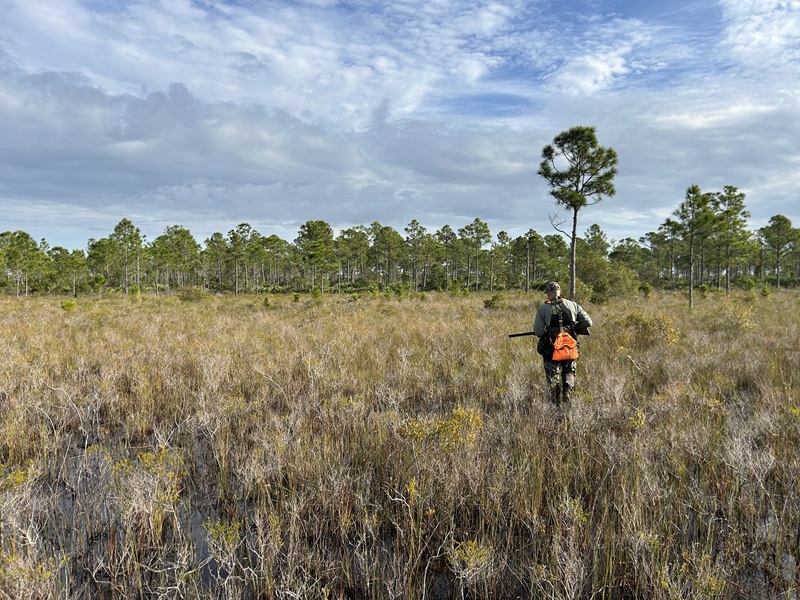
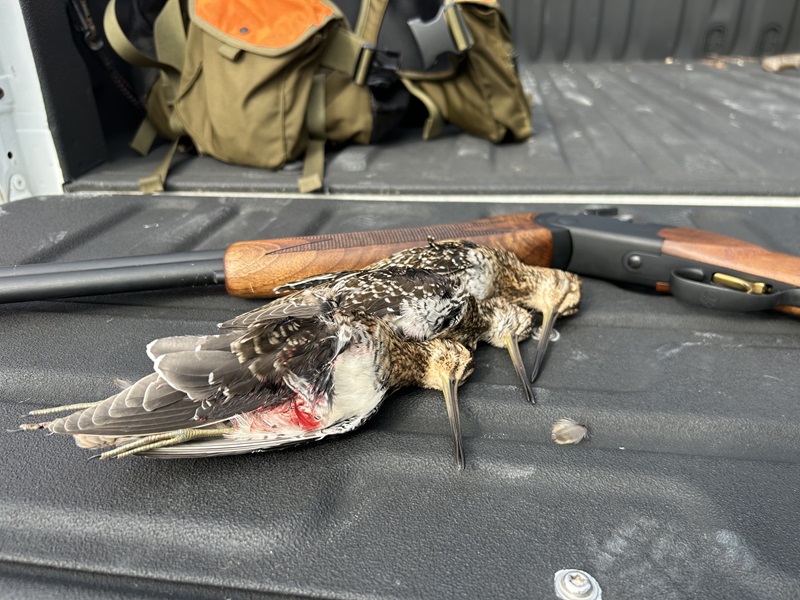
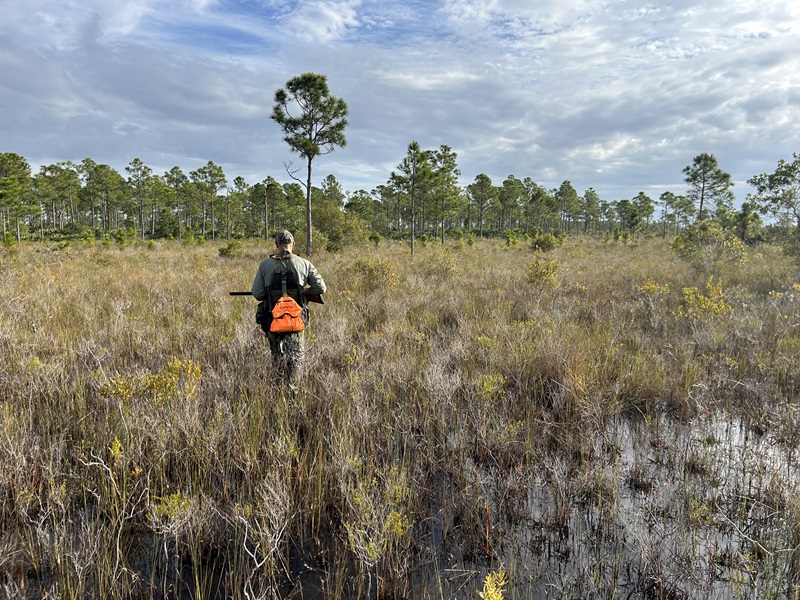
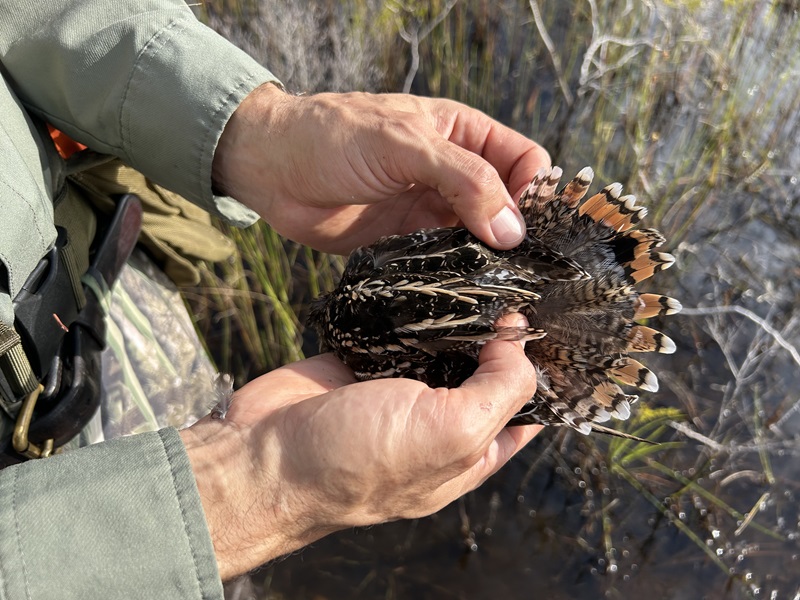
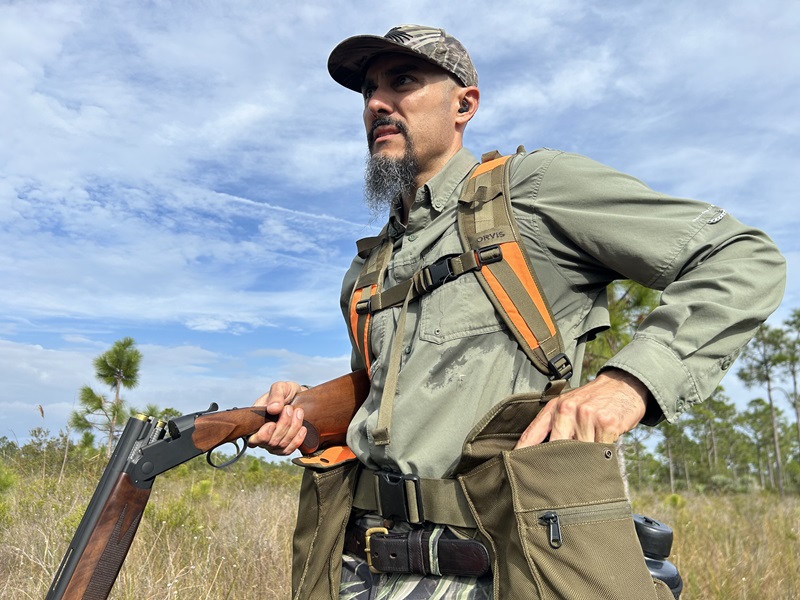
Only years later did I learn that snipe were real – small, tasty game birds found in functioning wetlands that still allow hunters to walk, flush, and hunt effectively – not the imaginary, four-legged, furry creatures I had conjured up as a kid. I never had a chance to participate in a real snipe hunt until recently, when I joined Richard Martinez, chapter chair for the Florida Chapter of Backcountry Hunters and Anglers, as he hunted snipe in wetlands on public lands of the eastern Everglades – a region where he has stalked various species including whitetail deer, waterfowl, wild hogs, small game, and most of all, Osceola turkey, for the last decade.
Credit: Richard Martinez

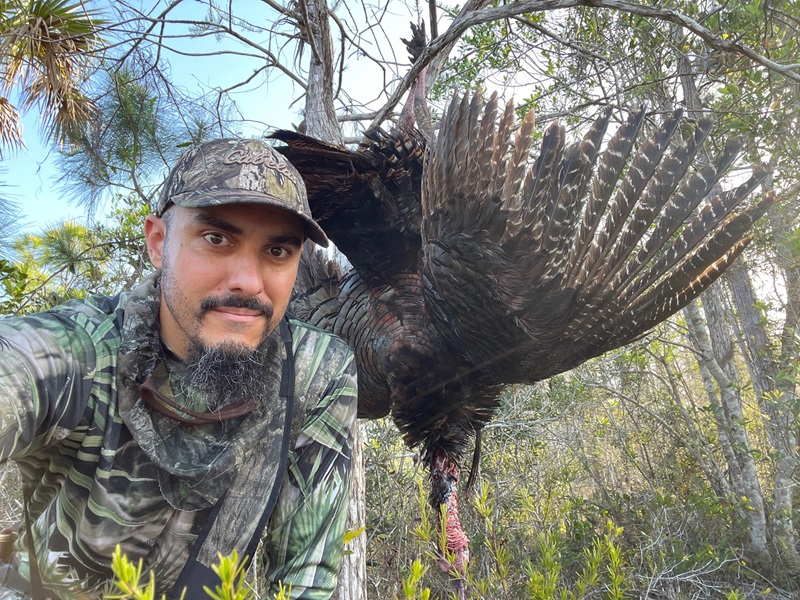
“Turkey, definitely turkey, that’s my jam,” Martinez says. He knows Osceolas well enough that MeatEater’s Steve Rinella featured him in a successful hunt on an episode in 2023. Martinez’s knowledge comes from learning about Everglades habitat and hunting first-hand in the field over many years.

A Self-Made Florida Hunter

“I was exposed a little bit to hunting as a kid, but my father never hunted,” Martinez said. He explained to me that his uncles took him out in the woods a few times as a kid, which inspired curiosity in him, but he didn’t really get into hunting until he was an adult. And he did so in a very unique place – the uplands and wetlands on public lands of southeastern Florida.

I’ve known Martinez for a couple of years, since I first worked with him on a blog about hunting in the Everglades, and besides enjoying his company on a unique subtropical bird hunt, we had a chance to talk more about the importance of Everglades restoration from a hunter’s perspective. As we trod miles of wet prairie jumping Wilson’s snipe, he explained that the Everglades today offer a patchwork of both healthy habitat that’s great for hunting and fishing and areas that are highly degraded, compared to how they were historically. And after he’d bagged several birds, we chatted more at his truck about why he thinks current Everglades restoration projects are important, why he thinks hunters should support these efforts, and where he thinks more focus needs to be. Those wet prairies, working waters, and huntable landscapes don’t happen by accident – they are shaped by long-term restoration efforts like the ones TRCP members support.

How the Glades Have Changed

Martinez said that the Everglades today can be described as “sort of a Frankenstein’s monster.”

“It’s a resemblance of what it used to be. There are elements of it that feel intact, that feel pristine, and then there are other elements of it that you really feel the impact of man, whether it’s the invasives or the change in hydrology.”

He brought up a well-known but dire reality in conservation circles – that fully half of the historical Everglades are gone. That so much of the watershed has been lost. Yet the region still receives all of the water it used to, often with nowhere to move it.

“It’s turned into municipalities,” he said. “It’s my house, it’s my neighbor’s house, it’s where we live and work, as well as where the agricultural industry does business.”
Decades ago, federal and state agencies worked with conservation groups and others develop a long-term, master plan for Everglades restoration known as CERP – the Comprehensive Everglades Restoration Plan. CERP was first authorized by Congress through the Water Resources Development Act (WRDA) of 2000, to provide a roadmap to be implemented by a federal-state partnership “to restore, protect, and preserve the region’s water resources by addressing the quantity, quality, timing, and distribution of water.” For hunters, these projects shape where water sits, when it moves, and what habitat looks like during the season

Still used today as the umbrella for most Everglades project work, CERP includes larger water storage and treatment projects like the under-construction Everglades Agricultural Area Reservoir and C-43 West Basin Storage Reservoir, a recently completed project west of Lake Okeechobee designed to hold 55 billion gallons in the 18-square-mile reservoir off the Caloosahatchee River to help store and manage basin runoff to meet estuary needs during the dry season and prevent harmful, high-volume discharges of fresh water during the wet season. The project will help regulate water flows, reduce toxic algae blooms off Florida’s coast, and protect marine fisheries. Collectively, all the CERP projects are designed to gradually undo as much damage as possible caused by a century of projects focused on draining and compartmentalizing the Everglades that led to their downward spiral. But they require ongoing federal and state funding to ultimately see completion.
Need for Projects Farther North

Also like Frankenstein’s monster, effective Everglades restoration must be made up of many collective parts. Martinez said he supports every project written into CERP, and he sees benefits for hunters and other South Florida residents from all current efforts. He also indicated that he would like to see more projects that address water flowing into Lake Okeechobee from the north and surrounding areas, to improve the water quality and the timing of the water going into the lake.

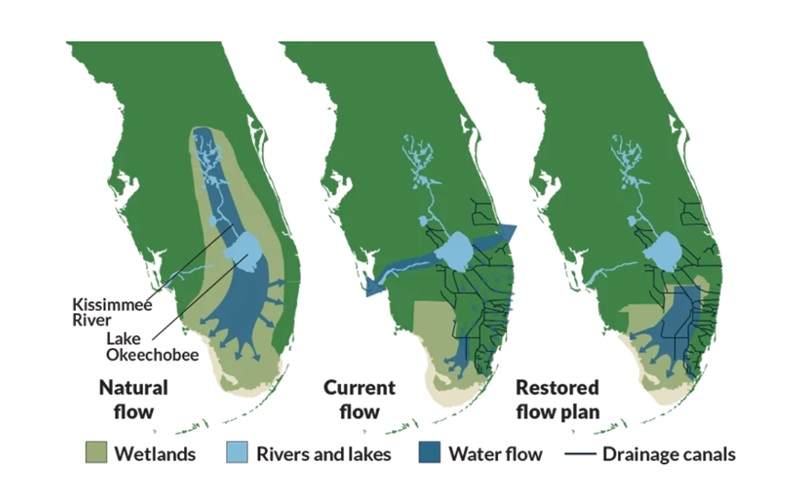
Lake Okeechobee, located near the northern reaches of the Everglades, once served as the largest source of fresh water for the Everglades, supporting the wetlands, food sources, and wildlife movements hunters have long depended on. Historically, it overflowed its southern bank in the wet season to create the vast, slow-moving “River of Grass” that flowed south all the way to Florida Bay, nourishing the entire ecosystem and diverse habitats along the way. But today the lake only partially serves that purpose, due to management necessary to protect lives and infrastructure.

“If we want our values and our interests to be heard, to be represented, we have to be involved.”

“I think a lot of the projects that do get the spotlight are the ones below the lake,” he said. “I think all those projects are really important and necessary, but I don’t think those projects are going to be as impactful until we figure out things further upstream.” 
Martinez emphasized that hunters who care about the Everglades need to be highly engaged in conservation efforts to protect what they love. Not just by reaching out to decisionmakers by phone or action alert, but by showing up where management decisions are made. Like public meetings of the South Florida Water Management District and Florida Fish and Wildlife Conservation Commission. And he warns against hunters only making decisions based on social media posts, where “the loudest voice has the most impact.” After all, hunters are accustomed to science guiding management decisions through established seasons, population data, and regulations, rather than the volume of online debate.

“If we weren’t stakeholders at the table we would just be pushed out of the conversation,” he said. “If we want our values and our interests to be heard, to be represented, we have to be involved.”
Do you have any thoughts on this post?

XHTML: You can use these tags: <a href="" title=""> <abbr title=""> <acronym title=""> <b> <blockquote cite=""> <cite> <code> <del datetime=""> <em> <i> <q cite=""> <s> <strike> <strong>

Comments must be under 1000 characters.

by:

posted in: Everglades

December 2, 2025

Fast-Tracking Top Everglades Restoration Project a Win for Hunters, Anglers

The Everglades Agricultural Area Reservoir, which will store and deliver billions of gallons of clean water to South Florida fish and wildlife habitat, is now scheduled to be completed years ahead of schedule

The Florida’s Everglades are on the brink of a historic transformation. Thanks to a landmark agreement earlier this year between the State of Florida and the U.S. Army Corps of Engineers, the completion of the Everglades Agricultural Area (EAA) Reservoir is now set for 2029, a full five years ahead of the original schedule.

The EAA Reservoir project is designed to restore the natural north-to-south flow of water of the Everglades system, reduce harmful discharges of nutrient-laden water from Lake Okeechobee, and improve water quality across South Florida’s wetlands and estuaries. The reservoir, being constructed south of Lake O, is frequently referred to as the “crown jewel” of Everglades restoration because, once finished, it will store over 78 billion gallons of untreated water and deliver up to 470 billion gallons of clean water annually to the Everglades and Florida Bay.

Credit: U.S. Army Corps of Engineers

The recent agreement between Florida and the Army Corps will not only accelerate the EAA Reservoir’s construction timeline by five years, but also will:

  • Authorize Florida to construct the project’s inflow and outflow pump stations, along with other supporting features, enabling the Corps to focus on the main reservoir basin.
  • Allow Florida to assume responsibility for the Blue Shanty Flow Way, another vital project to deliver clean water south across the Tamiami Trail and into Florida Bay through removing flow barriers and improving conveyance.
  • Enable Florida to manage future Comprehensive Everglades Restoration Plan (CERP) projects, through expedited permitting processes and updated federal memoranda of understanding.
  • Cut federal red tape and redirect resources to fast-track critical restoration efforts.

This expedited timeline is more than just a construction milestone; it’s a game-changer for everyone who loves Florida’s wild spaces, especially hunters and anglers.

Once finished, the EAA Reservoir will store over 78 billion gallons of untreated water and deliver up to 470 billion gallons of clean water annually to the Everglades and Florida Bay.

How Expedited Completion Benefits Hunters and Anglers

1. Faster Habitat Recovery

The Everglades are home to some of America’s most iconic fish and game species, but years of altered water flows and pollution have degraded these habitats, leading to less waterfowl, game birds, whitetail deer, and sportfish. By finishing the reservoir five years early, the restoration of wetlands and estuaries will happen sooner, providing critical habitat for waterfowl, deer, Osceola turkeys, and other game species. Anglers should see healthier populations of redfish, snook, speckled trout, and tarpon in Florida Bay as cleaner water supports the food webs these species rely on.

Credit: Pat Ford Photography

2. Cleaner Water, Better Fishing

The EAA Reservoir will dramatically reduce the frequency and severity of toxic algae blooms and red tide events by filtering nutrient-rich water before it reaches the coasts, by allowing nutrient-heavy water to be stored in the reservoir and treated before it flows offshore. This means fewer fish kills and healthier sea grasses, which are essential for sportfish breeding and feeding. For anglers, this translates to more productive days on the water and a more resilient fishery for years to come.

3. Improved Waterfowl and Game Bird Hunting

Restored wetlands mean more aquatic vegetation and invertebrates—the primary food sources for ducks and other waterfowl, and other migratory birds such as snipe and woodcock. As the EAA Reservoir brings cleaner water and revitalized marshes, hunters can expect improved waterfowl and game numbers and better hunting opportunities throughout the region.

Credit: Ryan Lockwood

4. Boosted Outdoor Recreation Economy

Florida’s outdoor recreation industry, including hunting and fishing, generates billions of dollars in economic activity each year. By accelerating the EAA Reservoir’s completion, the state is investing in the future of its clean water economy, supporting guides, outfitters, tackle shops, and the broader tourism sector that depends on healthy ecosystems.

A Model for Conservation Partnerships

This expedited timeline is possible thanks to unprecedented cooperation between state and federal agencies, bipartisan political support, and the advocacy of conservation groups and outdoor enthusiasts – including TRCP members who continue to voice their support for Everglades restoration. It’s a testament to what can be achieved when diverse stakeholders unite around a shared vision for restoration and recreation.

Click here to support Everglades habitat conservation efforts by urging lawmakers to continue funding critical infrastructure work.

Banner image courtesy Pat Ford Photography

by:

posted in: Everglades

March 6, 2025

In the Arena: “Python Huntress” Amy Siewe

TRCP’s “In the Arena” series highlights the individual voices of hunters and anglers who, as Theodore Roosevelt so famously said, strive valiantly in the worthy cause of conservation.

Amy Siewe

Hometown:: Kettering, Ohio 
Occupation: Professional python hunter and guide in South Florida
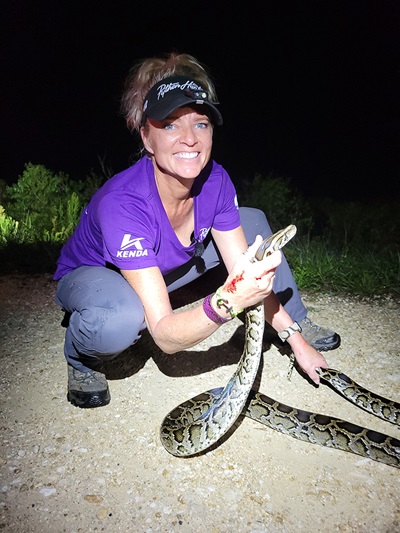
Conservation credentials: Siewe has dedicated her life and career to the capture and removal of invasive Burmese pythons, endemic to Southeast Asia but wreaking havoc on native wildlife in the Everglades. She not only offers guided hunts and goes after snakes on her own – which can top out at almost 19 feet long – but assists researchers working to tag and release male “scout snakes” with transmitters to help find breeding-age females and their nests. Siewe also helps raise money for conservation and other nonprofit efforts, having brought in nearly $600,000 through charity-auctioned hunts for organizations including Rookery Bay National Estuarine Reserve and The Alliance for Florida’s National Parks.

“Python Huntress” Amy Siewe is one of those rare individuals who pursue their passion for an unlikely dream and find phenomenal success. Growing up exposed to wild snakes, she was always drawn to and fasciniated by the reptiles, and later became a volunteer at the Toledo Zoo in college, as well as an exotic pet breeder and educator. She eventually moved into a 13-year, more comfortable career in real estate in the Midwest. Then she began to see news coverage of Burmese python hunts in the Everglades. These incredibly successful apex predators, which were first detected in Florida in the late ‘70s, have since become the invasive wildlife species of top concern in the Everglades.

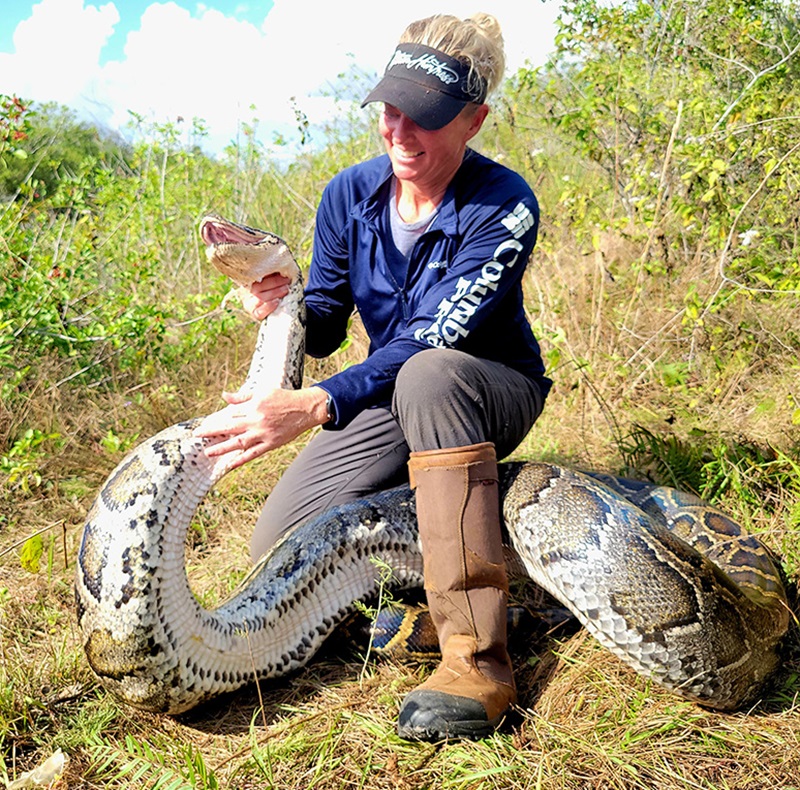
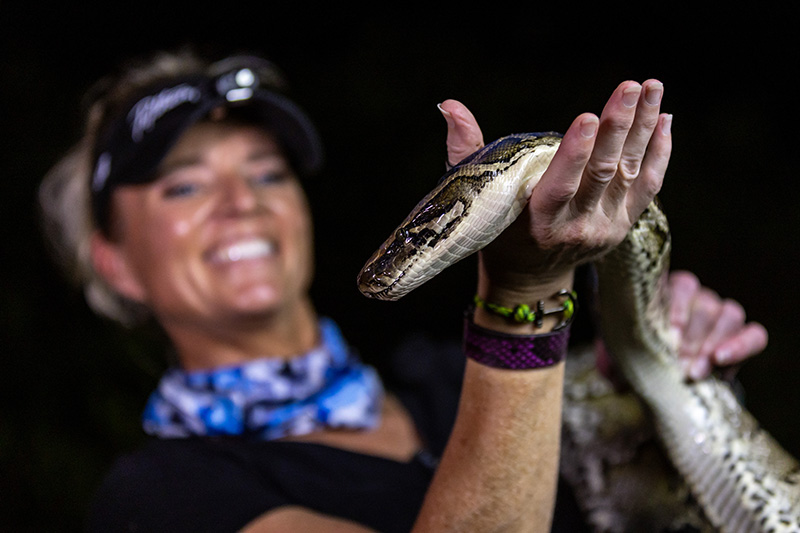
Six years ago, Siewe took a vacation to see if she could capture one of the invasive pythons. After catching her first snake (a nine-footer), she was hooked, and resolved then and there to do whatever it took to spend her days – and nights – chasing after the evasive predators across South Florida. She walked away from her real estate business and headed to the subtropical U.S. to start a business guiding clients as the Python Huntress, since featured in stories with The New York Times, National Geographic, Time Magazine, and CNN. Working for the Florida Fish and Wildlife Commission and in her own business, she has captured more than 600 snakes as one of the best-known python hunters in the state.

Here is her story.

My dad instilled in me a deep appreciation and respect for nature, teaching me from a young age how to catch and admire all kinds of creatures. From the moment I saw my first snake, I was captivated. That fascination only grew, leading me to a lifelong passion for catching, studying, and even breeding these incredible reptiles.

My passion for snakes is what makes me excel at my job. I have tremendous respect for the Burmese python, but I also have immense respect for Florida’s delicate ecosystems. The reality is clear — these invasive predators must be removed, as there is no alternative. I capture them and ensure they are euthanized in the most humane way possible. It’s not their fault they are here, but protecting our native wildlife means making the tough but necessary choice.

One of my most memorable outdoor adventures happened one night when I was alone in my truck. I spotted a small part of a python pattern in the grass at the tree line. I jumped out and followed the pattern a couple of feet up to its head — the biggest I had ever seen. The rest of its body was hidden, but I knew it was a monster. I only had a small 6-by-6-inch black drawstring bag. (In the veterinary and pet world, we would cover an animal’s head or eyes to calm it down.) I looked at the bag and looked at the snake… questioned my sanity… and jumped on it!

Somehow, I managed to slip the bag over its head—and just like that, the battle was over. It stopped fighting and was completely subdued. Turns out, it was 17’3” long and 110 lbs. (GoPro video here; warning, contains profanities.) That was an unforgettable catch!

“My office is the Everglades. I get to work in one of the most diverse and beautiful places on earth.”

There’s nowhere I’d rather be than hunting invasive pythons right here in South Florida. There is no greater thrill for me than capturing massive pythons. They’re incredibly difficult to find, which makes the moment of discovery an adrenaline rush — and the catch even more exhilarating. While my journey to Florida began with the excitement of hunting these giants, I quickly came to understand the devastating impact they’ve had on the ecosystem. In some areas of the Everglades, pythons have wiped out a full 98 percent of the mammal population (including deer, raccoons, and opossums), leaving a once thriving habitat in crisis.

My office is the Everglades. I get to work in one of the most diverse and beautiful places on earth, catching the giant constrictors and helping to save our precious everglades in a life that I didn’t know existed, until I did. I couldn’t do that if people didn’t care about conservation. So conservation not only benefits our wild places, but also makes my work possible.

“In some areas of the Everglades, pythons have wiped out a full 98 percent of the mammal population.”

Burmese pythons are a major conservation challenge. They thrive in an environment that is 97 percent inaccessible to humans. You can’t simply walk into the swamp and expect to find them. Instead, we rely on spotting them as they cross roads and levees. Adding to the difficulty, these snakes remain motionless for nearly 85 percent of their lives. Their intricate patterns offer a perfect camouflage in this environment. Every one of these factors makes finding them an incredible challenge.

In Florida, we have over 500 non-native plants and animals, with pythons being the most destructive wildlife species. If we don’t find a solution, our native mammals could face extinction. Losing even one native species from the ecosystem sets off a domino effect, leading to catastrophic changes down the line.

This has implications for the next generation of hunters and outdoor users. If invasive species go unchecked, native wildlife will vanish, leaving Florida overrun by non-native creatures that don’t belong. The ecosystem will be forever altered, and Florida will no longer be the place it was meant to be.

Images courtesy Amy Siewe

by:

posted in: Everglades

February 13, 2025

In the Arena: Franklin Adams

TRCP’s “In the Arena” series highlights the individual voices of hunters and anglers who, as Theodore Roosevelt so famously said, strive valiantly in the worthy cause of conservation.

Capt. Franklin Adams

Hometown: Born in Miami, Florida 
Occupation: Retired; former occupations include warden-naturalist for the National Audubon Society, Florida Master Naturalist, land surveyor (with projects in Big Cypress National Preserve, Everglades National Park, and the Florida Keys), surveyor/mapper for the U.S. Army Corps of Engineers, U.S. Merchant Marine officer, and eco-tour operator/ fishing guide with a USCG 100-ton Master’s license
Conservation credentials: As a true Gladesman, conservationist, and historian, Adams has spent more than six decades championing Everglades restoration efforts while working for and with conservation nonprofits, government agencies, and private businesses, as well as chartering inshore fishing adventures. He’s also the former chair of the Florida Wildlife Federation and a 31-year board member, as well as past president of the Florida Division of the Izaak Walton League of America and Collier County chairman of the Friends of the Everglades.

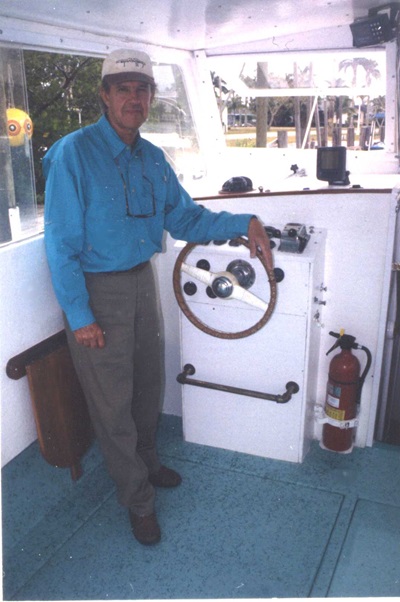
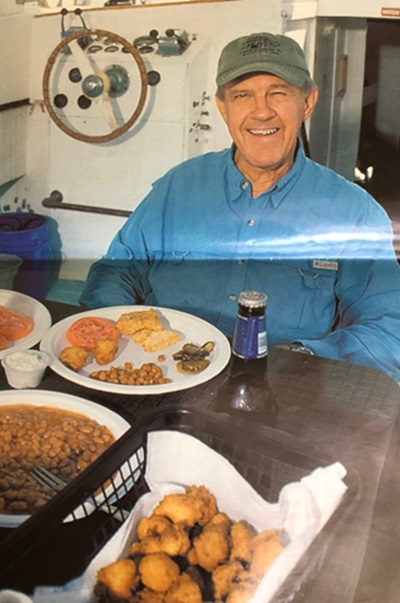
While thousands of people and scores of organizations are involved in the conservation of America’s Everglades, few, if any, have the breadth and depth of experience and understanding as Capt. Franklin Adams. This is a man who was fortunate to experience South Florida in a relatively unspoiled, natural condition, and was on the front lines of early protection efforts. Who else was personally mentored by Marjory Stoneman Douglas – the author, women’s suffrage advocate, and conservationist credited with launching the Everglades conservation movement – and once hunted waterfowl in the wetlands that later became Everglades National Park? Adams has been officially recognized as a “Guardian of the Everglades,” largely for his advocacy for Big Cypress National Preserve and successful effort to help protect what became the Fakahatchee Strand Preserve State Park, now the largest state park in Florida and a refuge for Florida panthers and the rare Everglades mink, as well as the largest number of rare native orchids and bromeliads in North America.

Here is his story.

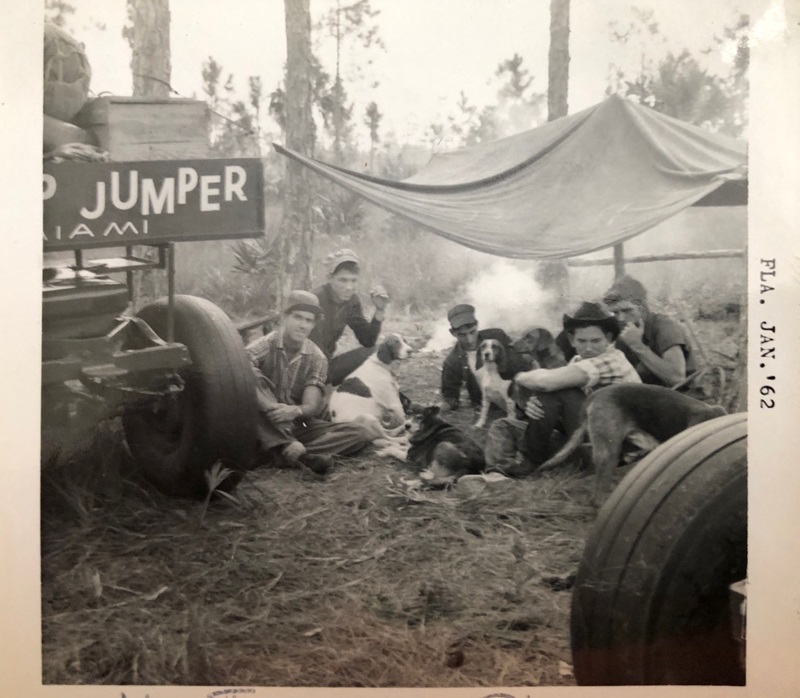
Franklin and friends at a 1962 Everglades outing. Credit: Franklin Adams

I was introduced at a young age to fishing, hunting, and enjoyment of the great outdoors by my father, G.B. Adams. I actually accompanied my dad duck hunting on West Lake prior to it becoming part of Everglades National Park in 1947. I was taught gun safety and to respect wildlife and wild places.

One of my most memorable outdoor experiences was a couple years before that when I was taken to the woods by my daddy for my seventh birthday. (We referred to the Everglades and Big Cypress as “going to the woods.”) We had to walk into the campsite at night as he and his friends had gotten off work late. It was so new and exciting for a young boy that I have never forgotten that first family experience. A cold front was approaching as we came into deer camp, so dad had me collect some “boot jacks” off a cabbage palm tree in the upland hammock and he used them to start a lightered pine fire.

I began to see objects in the smoke and mist – deer, Indian chickees, and turkey gobblers floated through my imagination that night as I went into a deep sleep.

Dad had brought venison chili, which was heated up on the fire grid and biscuits were baked in a Dutch oven. Smelled good, and tasted even better. After supper dad and his friends sat around the fire and sipped some “brown swamp water” and told stories of past trips and experiences. I leaned up against an old live oak and listened as the cold front moved in and enjoyed the odor of the burning, smoking pine. As the front moved in, a ground fog began to mist slowly through the hardwood hammock and I was fighting to stay awake. I began to see objects in the smoke and mist – deer, Indian chickees (traditional shelters used by the Miccosukee and Seminole Tribes), and turkey gobblers floated through my imagination that night as I went into a deep sleep. In the morning, I awoke to the smell of lighter knot coffee, pancakes, and sausage on the fire. That was my first trip to the Everglades’ Big Cypress region and I was captured by that wonderful experience. I have been going back ever since. So, add 80 more years to that 7-year-old’s birthday. Thanks, Dad.

If I could hunt or fish anywhere, where would it be, and why? That’s a difficult one. There are so many places known for their fishing and hunting and I have never been to them. I want to take my grandson, Michael, with me, so probably the Ten Thousand Islands of the southwest Florida area. Up Lostmans River, Broad River, or Shark River to fish for snook. Why, it’s an area I know and love and not too distant from home.

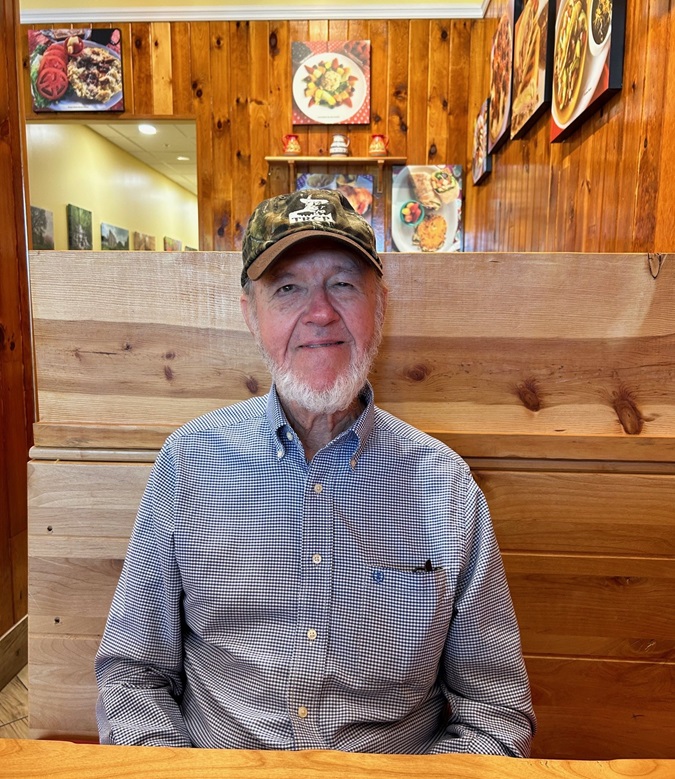
Franklin in his TRCP hat, as a longtime supporter of the organization. Credit: Ryan Lockwood

Conservation absolutely enhances my outdoor life. This is how my career came about. As I accompanied my father in his surveying business around South Florida, I witnessed the destruction and continual loss of wetlands and woods that we had enjoyed. I began to become concerned and to inquire as to causes for the loss of these treasured natural areas. Why was it necessary to destroy that hardwood hammock, that prairie, or fill in that duck hunting lake? Mom and Dad began to encourage my conservation concerns and provided me with nature books, stressing the importance of outdoor ethics and the value of natural areas if left alone and protected.

If we are to enjoy the outdoors, no matter what our interests are, then we have an obligation to defend and speak out on behalf of nature and wildlife.

The more I learned, the more I became frustrated, and somewhat angry. When I was in high school, I discovered Marjory Stoneman Douglas’s book, The Everglades: River of Grass, published in 1947. From her book I learned so much, including that one could speak out in defense of natural areas. Later she would become a mentor and a family friend. In 1970, she established Friends of the Everglades to fight the Big Cypress jetport project and asked me to be the Collier County chairman. As I added on some age and experience, I headed up several conservation organizations as an unpaid volunteer over the years, including serving as chair of the Florida Wildlife Federation and a board member for 31 years.

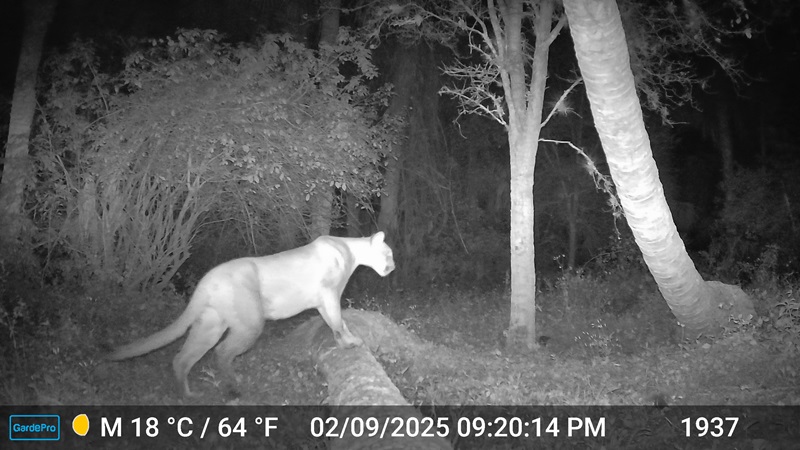
A Florida panther captured on a trail cam on Franklin’s property, February 2025. Credit: Franklin Adams

If we are to enjoy the outdoors, no matter what our interests are, then we have an obligation to defend and speak out on behalf of nature and wildlife. If you are not already doing so, start by becoming a member and supporter of the Theodore Roosevelt Conservation Partnership.

The biggest outdoor challenge we face in Florida, and there are many, is protecting wetlands and the water quality that they provide, cost-free if we protect them. We continue to lose critical habitat to unwise development and, yes, greed, and not respecting nature. 

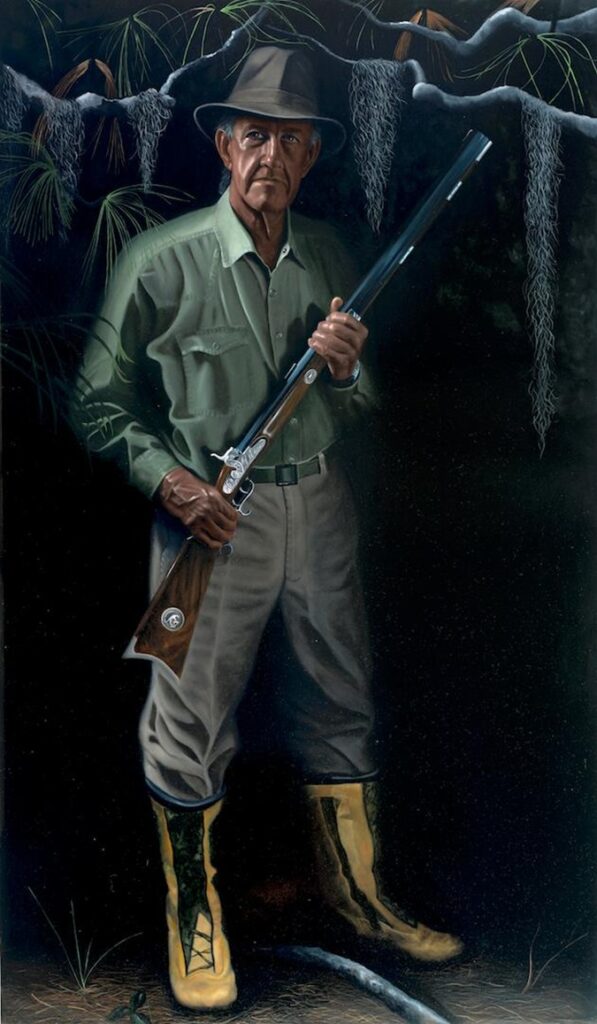
Franklin Adams Guardian portrait. Artwork courtesy Nicholas Petrucci.

It is vitally important to mentor and educate your children, grandchildren, and families as to the importance of conservation; why it is imperative for them to be involved in learning about and becoming knowledgeable defenders of the outdoors they enjoy and love. Otherwise, we will continue to lose habitat. Nature and the outdoors not only are important to wildlife, but they are also vitally important to us as an escape from stress, and provide restorative experiences that we can share with family and friends for a lifetime of memories.

Banner image: Franklin at a Fakahatchee Strand Preserve campfire talk, credit Dino Barone

by:

posted in: Everglades

January 9, 2025

In the Arena: Jillian Tisdale

TRCP’s “In the Arena” series highlights the individual voices of hunters and anglers who, as Theodore Roosevelt so famously said, strive valiantly in the worthy cause of conservation.

Jillian Tisdale

Hometown: Born in Gainesville, Fla.; seven-year resident of the Florida Keys 
Occupation: Operations manager at Seven Mile Fly Shop
Conservation credentials: Tisdale is the Florida Keys outreach & engagement coordinator at Captains For Clean Water

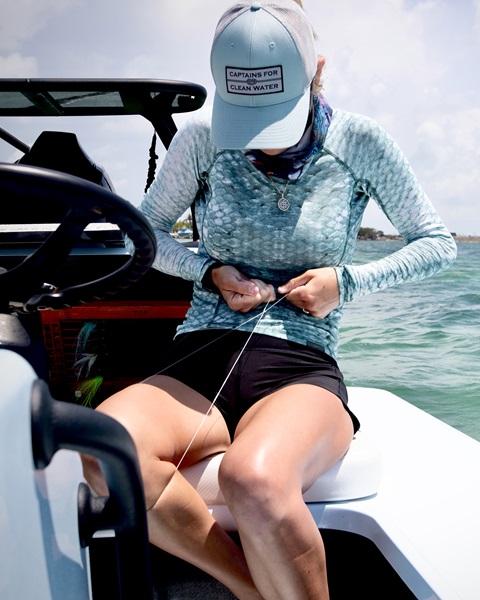
A Florida native, Tisdale’s chief sporting passion lies with pursuing tarpon for the physical and mental challenge. She’s also known as an expert rigger and knot-tier who fishes for snook, bonefish, and other flats fish, and has hunted for turkeys and whitetail deer when she’s had the opportunity to spend time in the woods. Outside her regular job managing a fly shop in Marathon, where she is tightly embedded in the Florida Keys fly fishing community, Tisdale is an angler member of the Florida Keys Fishing Guides Association and Lower Keys Fishing Guides Association and focuses her energy on local conservation. She handles outreach throughout the Keys for TRCP partner organization Captains For Clean Water, helping address the need for Everglades restoration. She strives to restore and protect South Florida’s aquatic ecosystems to ensure that everyone can benefit from them.

Here is her story.

Photo Credit: Chad Huff

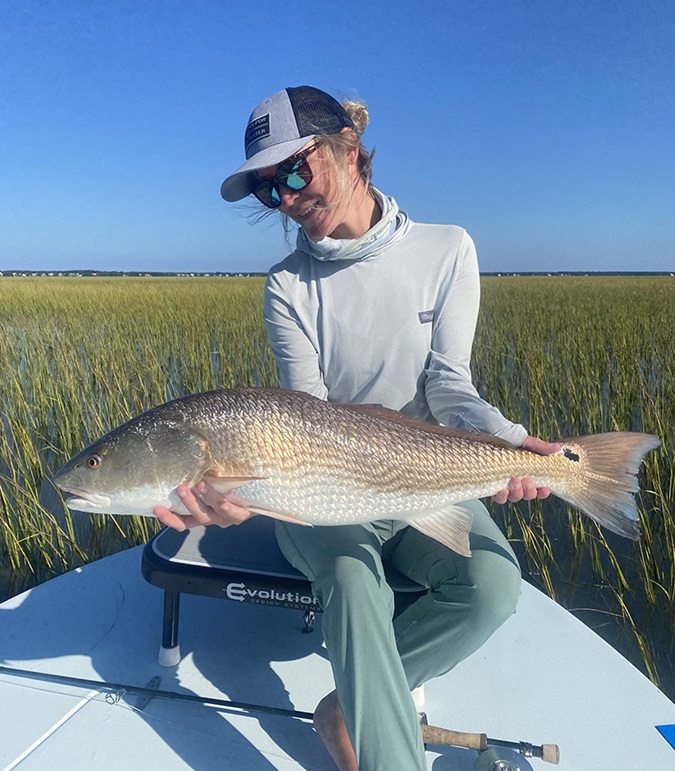
I grew up fishing occasionally with my father, for redfish in the Big Bend of Florida and bass in the lakes surrounding my hometown in north Florida. I began offshore fishing in the Gulf of Mexico when I was 18. When I was in my early twenties, my father was diagnosed with stage four small cell lung cancer. He passed away after a very short, harrowing battle.

This was a very sudden and difficult loss for me, as he was my biggest supporter and the person that I looked to for advice at every transition in my life. It was then that, thankfully, I was introduced to sight fishing and hunting, and I fully immersed myself in the outdoors. It was the outlet that I desperately needed to get through that time of my life and I clung to it. There was absolutely no looking back.

Photo Credit: Justin Moore

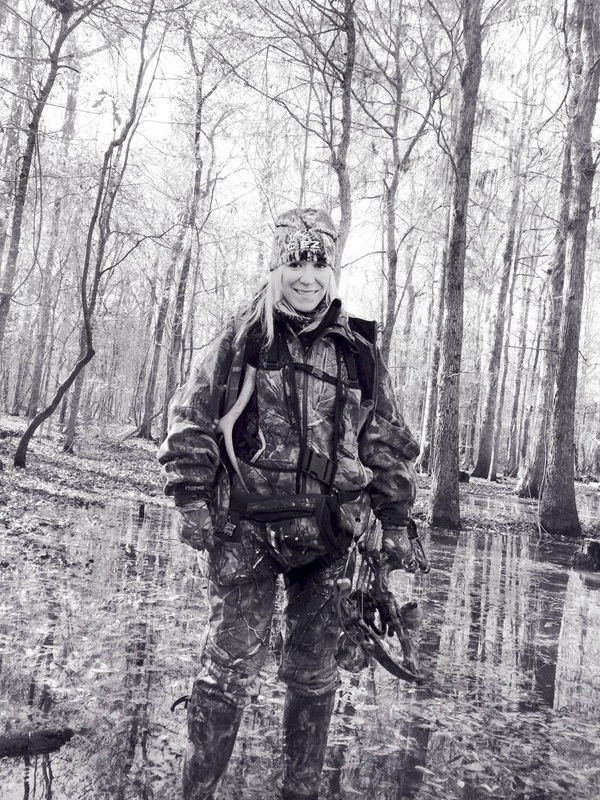
I’ve since been very blessed to hunt and fish in some of the most incredible places with some of the best outdoorsmen in the country. I remember hunting in north Alabama one morning. I had hiked through a bunch of flooded timbers to get to my tree stand well before sunrise. I watched the woods awaken with the sun, but the water below me was dead calm, reflecting every single thing above it so that I couldn’t even make out a horizon until a big buck came in chasing a doe, creating ripples in the water as far as I could see. I’d never felt so enveloped and vulnerable at the same time.

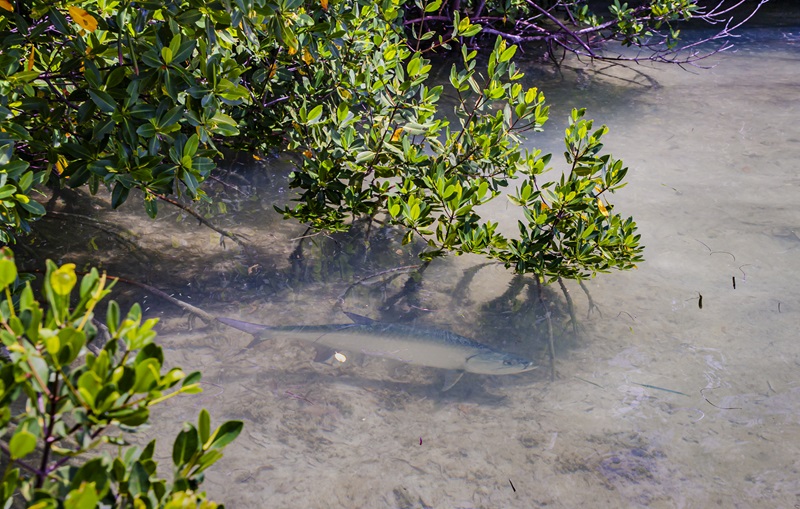
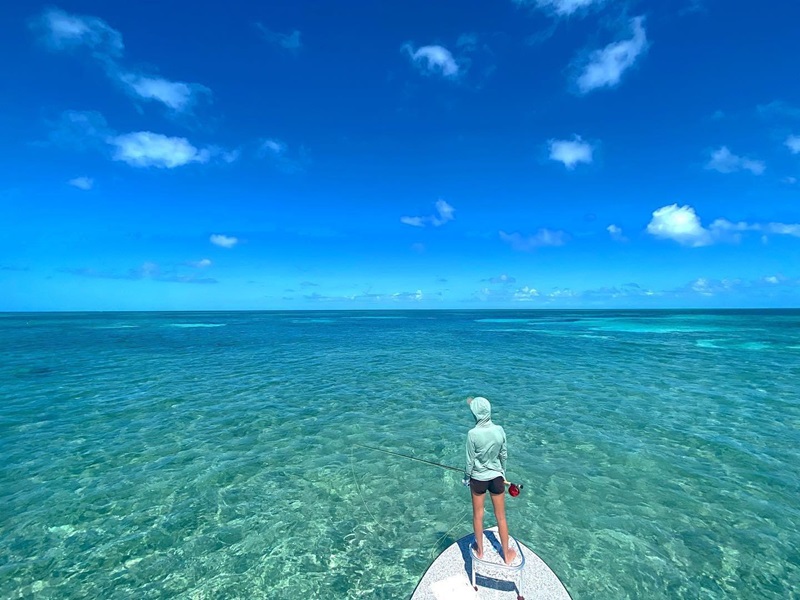
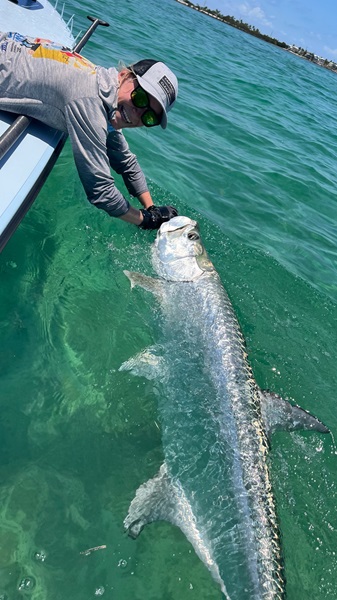
Also very memorable was catching my first tarpon on a fly. I’d spent a whole lot of time in the Everglades, conventional fishing and fly fishing, for redfish, tarpon, snook… zigging and zagging through mangrove tunnels and across massive open bays. After a couple of days targeting big, rolling tarpon deep in the Everglades, getting bite after bite and breaking every single one off, I finally got one to stick. I managed to clear the line without wrapping it around a hand or foot and learned very quickly exactly what I wanted to dedicate my time to for the foreseeable future.

Large tarpon are my favorite fish to target, so a trip to Gabon (on the west coast of Africa) is at the top of my bucket list. That being said, I live in one of the most diverse fisheries in the world, and it also happens to be home to plenty of big tarpon. I feel very fortunate to have the Everglades, Florida Bay, and the Florida Keys National Marine Sanctuary at my fingertips, which together are home to the largest seagrass meadow in the world.  While it is one of the most challenging places in the world to fly fish for bonefish, permit, and tarpon due to angler pressure and habitat loss, it is certainly the most rewarding for me and many other people.  Plus, the tarpon migration down here is second to none.

The intense love that I have developed for the Everglades… exists only because many people before me used their voice to advance Everglades restoration.”

Conservation is the only reason my passion for the outdoors is possible and will be the only reason I am able to continue fishing. The intense love that I have developed for the Everglades and the extraordinary fish that live there exists only because many people before me used their voice to advance Everglades restoration and defend those fish. As the saying goes, everything flows downstream – and with respect to the Everglades, that stream actually starts north of Lake Okeechobee, in the Kissimmee Chain of Lakes. The Everglades are home to hundreds of different fish and wildlife species (including alligators AND crocodiles) and it is the centerpiece of the largest hydrologic restoration project in the United States – the Comprehensive Everglades Reservation Plan (CERP) – which aims to restore historical flows from Lake O and send more clean water south through the “River of Grass,” to Florida Bay.

Photo Credit: Chad Huff

The state of Florida is suffering from a million paper cuts: overpopulation, nutrient runoff, red tides, the list is long. But I feel that Everglades restoration is one of the most important solutions to our water quality issues in South Florida. Currently, there is a power struggle over the operation of Lake Okeechobee. Special interests want to keep lake levels high to use the water at their discretion, resulting in high-volume discharges to the east and west, and cutting the Everglades system off from the clean freshwater that it needs to balance out high-salinity issues that cause massive seagrass die-offs and algae blooms. Returning the adequate flow of clean water south, the way it historically flowed, is paramount to preserve the habitats and ecosystems to east, west, and south that enable our fish and wildlife to flourish.

TAKE ACTION FOR EVERGLADES RESTORATION

Photo Credit: Alexandra McNeal

Utilization of natural resources for recreation and my livelihood bears with it an inherent responsibility – my responsibility to protect it. In my opinion, there is nothing more important than the water quality of the Everglades, Florida Bay, and Florida Keys National Marine Sanctuary. People come from all over the world to see the natural wonders surrounding the state of Florida. It is our responsibility to protect them, and that includes educating visitors and residents alike about the issues we are facing as well as the science-based solutions that are in place, so that everyone can use their voice to advocate for those solutions.

Photo Credit: Matt Hunsinger

The next generation of hunters and anglers have already proven to be even more educated and adamant about conservation than myself and prior generations. I admire their passion, and hope that they continue to fight with the tenacity they have today to protect the wild places that are left for the generations that follow us. 

HOW YOU CAN HELP

TRCP has partnered with Afuera Coffee Co. to further our commitment to conservation. $4 from each bag is donated to the TRCP, to help continue our efforts of safeguarding critical habitats, productive hunting grounds, and favorite fishing holes for future generations.

Learn More
Subscribe


You have Successfully Subscribed!

You have Successfully Subscribed!

You have Successfully Subscribed!

You have Successfully Subscribed!

You have Successfully Subscribed!