87
Do you have any thoughts on this post?
With sage grouse conservation on public lands possibly under threat, strong conservation programs for private lands in the upcoming Farm Bill will help keep the birds dancing for decades
Earlier this month, the Department of the Interior initiated a review of existing sage grouse conservation plans, which were designed to keep sage grouse off the endangered species list. The combination of those federal plans, state plans, and voluntary conservation efforts for grouse on private lands led the U.S. Fish and Wildlife Service to the historic decision to not list the species in September 2015. The review has sportsmen and women concerned that DOI is shifting its focus away from securing quality habitat, the most critical factor to conserving sage grouse, and toward less scientifically-sound population management techniques.
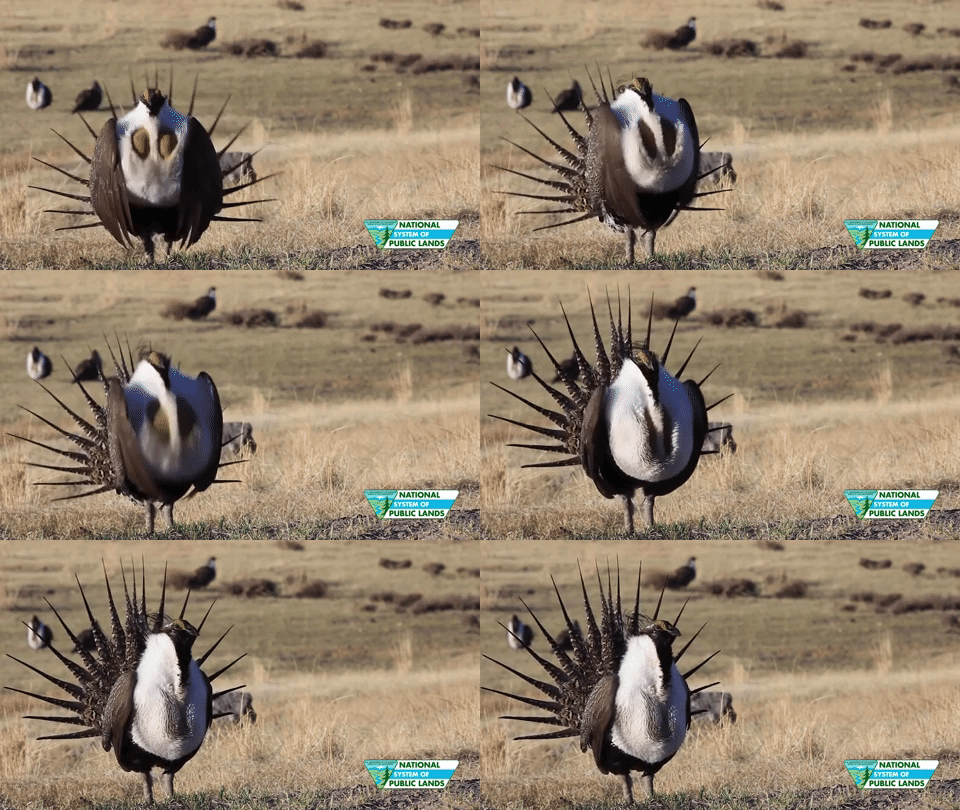
The review will deal primarily with public lands that are essential to survival of the species—in this case, 67 million acres of federally managed land in the sage grouse’s core range—and it’s possible that it will lead to less conservation and more energy development on those lands. Thankfully, sprawling cattle ranches that also provide crucial habitat are scattered among these public lands. If public land development ramps up, these private acres may become even more important than they already are to sage grouse.
It’s imperative that we work to conserve habitat and sage grouse on both public and private lands. Fortunately, the 2018 Farm Bill, a massive legislative package that specifically funds private lands conservation, is in the works.
In 2010, the U.S. Department of Agriculture launched the Sage Grouse Initiative, an innovative partnership between federal agencies, states, conservation districts, agricultural groups, and wildlife and sportsmen’s organizations. SGI’s goal is to implement farm bill conservation programs all across the Western landscape to reduce threats facing sage grouse, while also improving ranchers’ bottom lines.
You’ve heard us say before that farm bill conservation can benefit landowners, wildlife, and sportsmen, and SGI is no different. The initiative helps ranchers to voluntarily take steps to conserve the bird’s habitat. In exchange, ranchers get improved grazing lands. After all, many of the threats to sage grouse also negatively impact livestock forage and the agricultural economy across the West.
Ranchers also get regulatory predictability: SGI participants receive 30 years’ worth of exemptions from Endangered Species Act regulation, as long as they follow the conservation plans they agreed to use when they signed up. This predictability will apply even if the bird eventually lands on the endangered species list, so SGI ranchers have the government’s word that they’ll be able to keep their working lands working. It’s a win-win scenario.
If development on #publiclands ramps up, private acres may become even more important for sage grouse. Click To TweetOne particular farm bill program, the Environmental Quality Incentives Program, has been helping ranchers in sage grouse territory since the beginning of SGI. It provides financial and technical assistance to landowners so they can complete conservation projects, and EQIP is the only farm bill program specifically intended to help agricultural producers meet environmental regulations.
In the case of sage grouse, landowners are using EQIP to help the birds survive.
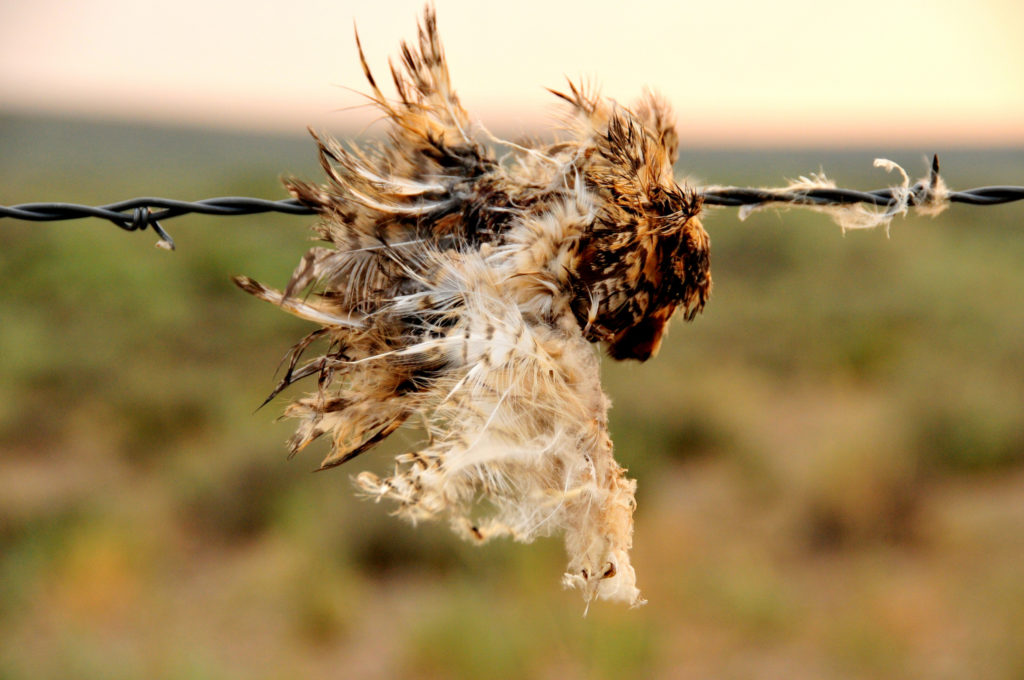
For instance, because sage grouse are low flyers, they often fatally collide with livestock fences. Using EQIP funds and USDA technology, ranchers can reduce grouse strikes by up to 83 percent with one very simple step: marking wire fencing with flags in areas close to lek sites to make them easier to see. Those farm bill dollars have helped ranchers mark nearly 700 miles of fence across the birds’ range.
Landowners are also using EQIP to improve the quality of habitat for sage grouse. The farm bill program helps pay to remove invasive western juniper, which outcompetes sagebrush—reducing cover for nesting and eliminating other plants and insects important to the bird’s diet. Expanding juniper also provides hiding cover for grouse predators like coyotes and perches for hawks and ravens. One recent study showed that juniper removal helped address these issues and significantly boosted annual survival of the birds—they saw 25 percent population growth in one study area. While some people advocate for predator-control tactics to save the sage grouse, we can achieve just as much success, if not more, by enhancing the birds’ habitat.
Today, nearly 1,500 landowners are conserving millions of acres of land with these and other conservation practices. By the end of 2018, around $760 million will have been invested through SGI to conserve habitat and keep “working lands in working hands” across the West.
The benefits of sage grouse conservation also extend to habitat for 350 other plants and animals, including herds of elk, pronghorn antelope, and mule deer.
Studies have shown that sage grouse conservation efforts doubled the protection of mule deer migration habitat and winter range. Meanwhile, many other bird species, like songbirds and hawks, rely on restored and conserved sagebrush for their survival. Plus, restoration of wildflowers in sage-grouse territory helps to boost insect populations (in other words: grouse food), while providing stopover habitat for monarch butterflies, important pollinators, on their continental migrations.
Those EQIP funds made available through the Sage Grouse Initiative can help landowners support all of these other critters, big and small. Although we don’t hunt many of these species, they still play supporting roles in the vast sagebrush ecosystem and enhance the stories of our days afield in the West. It’s not an exaggeration to say that ensuring full implementation of the current conservation plans for sage grouse—including key provisions for private landowners—is the single most important thing we can do right now to conserve Western wildlife.
Sportsmen and women often think about sage grouse in the context of their habitat on public lands, which isn’t wrong. These lands are vitally important to the species. As the secretarial review moves forward in the next several weeks, we’re working to make sure public lands efforts remain scientifically sound and that the focus remains on habitat.
But nearly half of the land in the West is privately owned, so private lands and landowners, using farm bill programs like EQIP, are also absolutely critical to the sage grouse’s success and the health of the rangelands across the West. That’s why we’re focused on making the 2018 Farm Bill one that supports on-farm and off-farm businesses by offering voluntary conservation incentives to boost fish and wildlife habitat. This leads to better days afield, on private and public lands, and more resilient rangelands and rural economies that benefit from an influx of outdoor recreation dollars.
With frustration running high, sportsmen and women want to continue working with the agency to recognize recreational fishing’s role in coastal economies through meaningful changes to federal management of saltwater fisheries
The Theodore Roosevelt Conservation Partnership and its sportfishing partners look forward to working with Chris Oliver, the newly appointed head of the National Marine Fisheries Service. Over the last five years, sportsmen’s groups have worked extensively with NMFS staff to try to bring about meaningful changes to federal approaches for managing recreational saltwater fishing in our nation’s public waters, and that work will continue as Oliver steps into this role.
“Chris Oliver has some monumental tasks ahead of him, including continuing to work with angling, advocacy, and conservation organizations to develop management approaches that emphasize conservation, while recognizing the explicit, fundamental differences between commercial and recreational fishing,” says Whit Fosburgh, TRCP’s president and CEO. “He must also continue to build our nation’s fishery stocks while ensuring those fish stocks are a publicly held resource.”
Recreational fishing is an enormous part of America’s culture and economy, with more than 11 million saltwater anglers annually driving more than $63 billion in spending. Without saltwater angling, coastal communities across the country would suffer financially. Anglers also contribute more than $1.5 billion to conservation and fisheries management each year through direct license sales, donations, and excise taxes on equipment and fuel.
Oliver will certainly face several challenges as he continues to advance badly needed reforms to federal recreational fishing management and work to build better relationships between anglers and managers of state and federal agencies. “We look forward to helping him meet these challenges and achieve meaningful progress on sound, reasonable management practices that will ensure recreational fishermen have sufficient access to public waters and fisheries,” says Fosburgh.
Top photo by Greg Stuntz.
A national focus on infrastructure can provide an opportunity to benefit fish and wildlife in innovative ways that have upsides for public safety and our economy—here’s an excellent example in Wyoming
When you think about America’s infrastructure and picture the foundational systems that need an influx of federal support, what do you see? Bridges and roads? What about campground facilities, hiking trails, fish passages, and naturally filtering coastal wetlands?
As Congress and the Trump administration develop a much-needed national infrastructure package, it’s our job as sportsmen and women to elevate the profile of our country’s outdoor infrastructure and the natural resource solutions that tend to have only upsides: for public health and safety, local economies, and fish and wildlife. One such example is a fix for deadly wildlife collisions on our nation’s roads.
Cruising down the highway as daylight fades, your music is playing and your mind is wandering, when out of nowhere you see a brown flash. Time slows to a crawl as you slam on the brakes to avoid the deer that just leapt in front of your vehicle.
Avoiding wildlife on our highways is an everyday struggle for motorists nationwide. Whether it’s whitetail deer in Virginia or mule deer in Colorado, most of us have been there. That’s why the Wyoming Game and Fish Department recently partnered with the Wyoming Department of Transportation and about a dozen stakeholders—including the TRCP—to host a solutions oriented summit on wildlife and roadways.
The overarching goal was to find ways to fund and implement projects that will reduce wildlife-vehicle collisions, increase motorist safety, and maintain or reestablish disconnected wildlife migration routes. According to WYDOT, there have been more than 12,000 wildlife-vehicle collisions over the last five years in the Cowboy State alone. This has resulted in 17 human fatalities, while crews have removed more than 23,000 animal carcasses from roadways over the same period.
It’s essential that we find solutions to these issues, not only for motorist safety and peace-of-mind but also for the wildlife that burn valuable calories dodging traffic and rarely survive vehicular collisions.
The good news? We know that solutions exist. The bad news? They aren’t cheap.
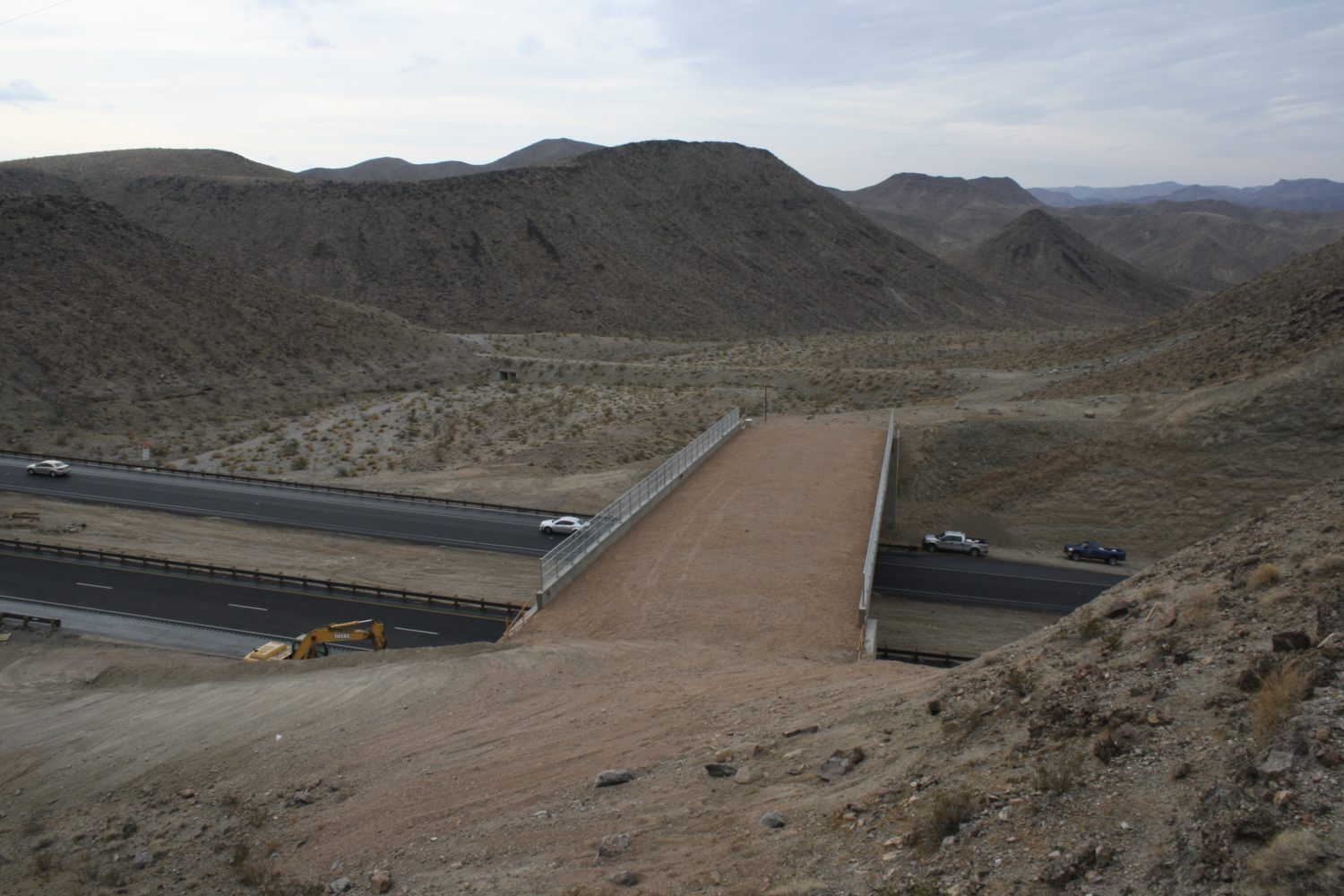
Just west of Pinedale, Wyoming, where the Wildlife and Roadways Summit was held, Highway 191 cuts right through a pronghorn antelope migration corridor, creating a bottleneck known as Trappers Point that nearly every pronghorn summering in the Jackson Hole area must navigate. For years in the spring and fall, dangerous wildlife-vehicle collisions would occur as the antelope migrated between Grand Teton National Park and the Red Desert.
After years of discussion between various stakeholders, many of whom were at the summit, a $10-million investment allowed for construction of eight wildlife overpasses and underpasses along a 12-mile stretch of highway. Completed in 2012, these roadway improvements have already reduced collisions by roughly 80 percent—if you account for the value of each collision avoided and for lives saved, the project has more than paid for itself.
Infrastructure funding can benefit fish & wildlife in innovative ways. For example, look to #Wyoming Click To TweetYou can even watch how the Trappers Point Wildlife Overpass is used in real time—the best action is from November to December and April to May, but take a peek at the live video feed here.
Justifying steep up-front investments is one of the biggest hurdles in making these projects a reality, though the long-term economic and safety benefits are apparent. Blocking substantial cuts to federal funding for wildlife conservation and management is a top priority of ours, but an appetite for a massive legislative fix for America’s crumbling infrastructure could create an opportunity for more projects like the Trappers Point overpass.
For now, we’ll continue working here in Wyoming to craft strong migration policies at the state level and collaborate with the BLM to ensure that land management plans for the Rock Springs area, which is home to some of the best wildlife habitat in the West, carefully consider migration corridors utilized by wildlife for thousands of years. They are the roads and byways of the critters we love to chase, after all, and deserve not to be overlooked.
Want to be the first to take action on local land management issues that impact migration corridors and wildlife crossings? Sign up for the Roosevelt Report and follow us on Facebook, Twitter, and Instagram.
Proper management and vast swaths of Forest Service and BLM public lands have led to an embarrassment of wildlife riches—a good problem to have—and their future will be shaped by the public
My buddy Jim Hardy and I call it the “Heart Hole.” It is a patch of timber, shaped roughly like a Valentine’s Day heart, which rests near the spine of the Rockies that separates Idaho and Montana. Inside miles of prime elk and deer habitat managed by the Salmon-Challis National Forest and the Bureau of Land Management’s Lemhi Field Office, the Heart Hole is overlooked by most hunters because the nearby drainages shine more brightly.
Learning the pattern of its elk, Hardy and I hunted in and around Heart Hole for the better part of 15 days last November. Toting traditional muzzleloaders, we participated in one of Idaho’s most sought after controlled hunts. Here, hunters choose to challenge themselves with a short-range weapon—thus limiting their success—in exchange for upholding management goals. The hunt’s 50 tags are spread over several hundred square miles, offering a near-pristine hunting opportunity where mature bulls are common and people are not.
Just the way we like it.
I think of Heart Hole on this quiet morning because the deadline to apply for one of Idaho’s premier elk, deer, and pronghorn tags is near, and my study of potential hunting areas is in full bloom. Normally, Heart Hole tops my wish list, but this year there is an embarrassment of elk in eastern and central Idaho and a new hunt piques my interest. It is in a different part of the High Divide and likely to be overlooked by hunters in the first year it’s offered.
My study of the regulations prompts a dilemma: Should I try for the Heart Hole hunt and benefit from last year’s knowledge, or should I take the better drawing odds and hunt in an area that is lousy with elk?
It is a vexing question, but a good problem to have. Most would be happy to have either of these choices, and I get to pick from both.
The Heart Hole hunt is 30 days; the other is 14. If I pick one, I’d know where the elk go to hide when pressured, and if I pick the other, I may run into the largest bull I’ve ever seen. The drawing odds are one in five for Hearts Hole and probably 50-50 in the new hunt, but it’s impossible to say.
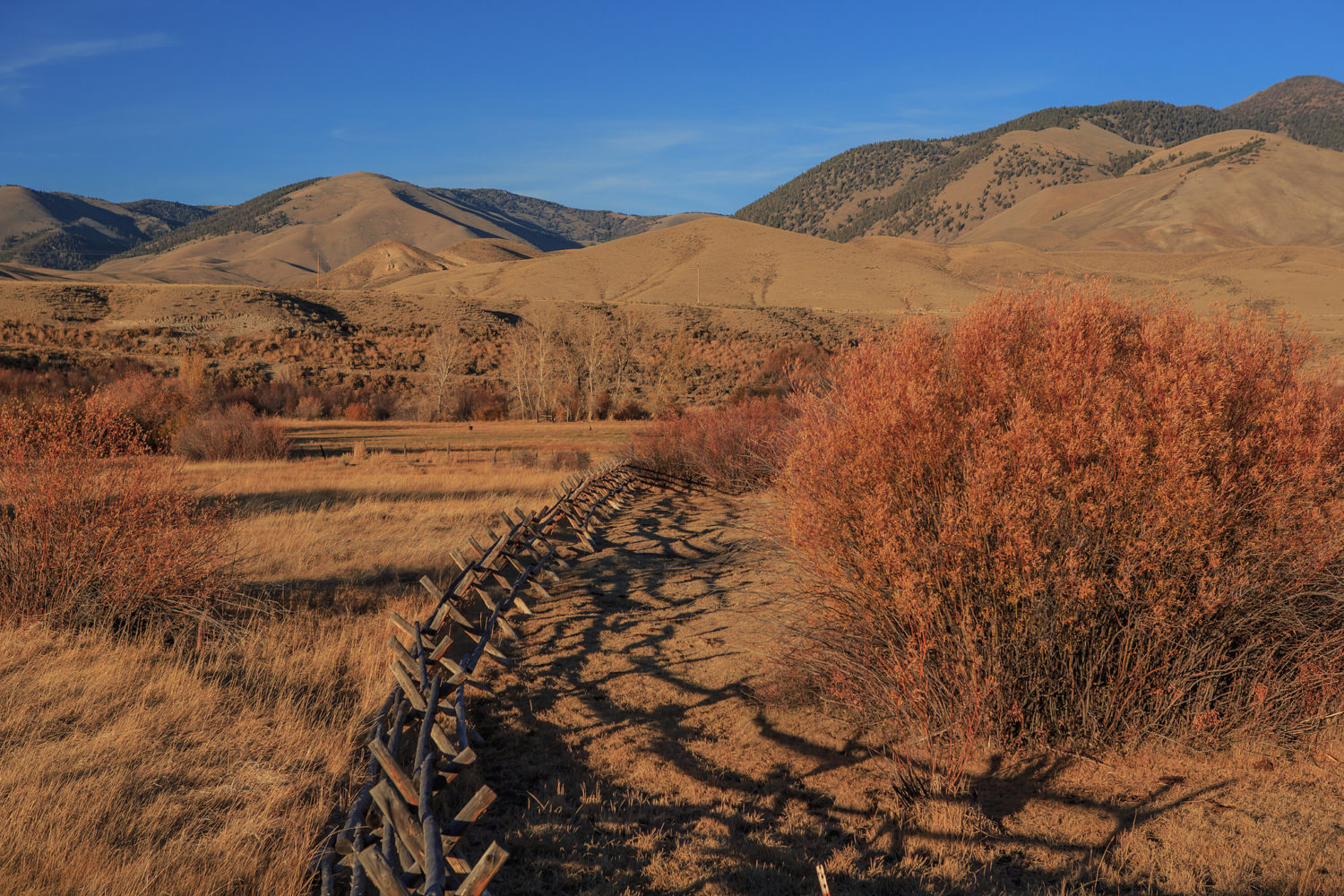
Choices, questions, and theories bob about as I consider each hunt. Study of the maps, however, shows one commonality: Both areas are found on the largest and most remote swaths of BLM ground in eastern Idaho.
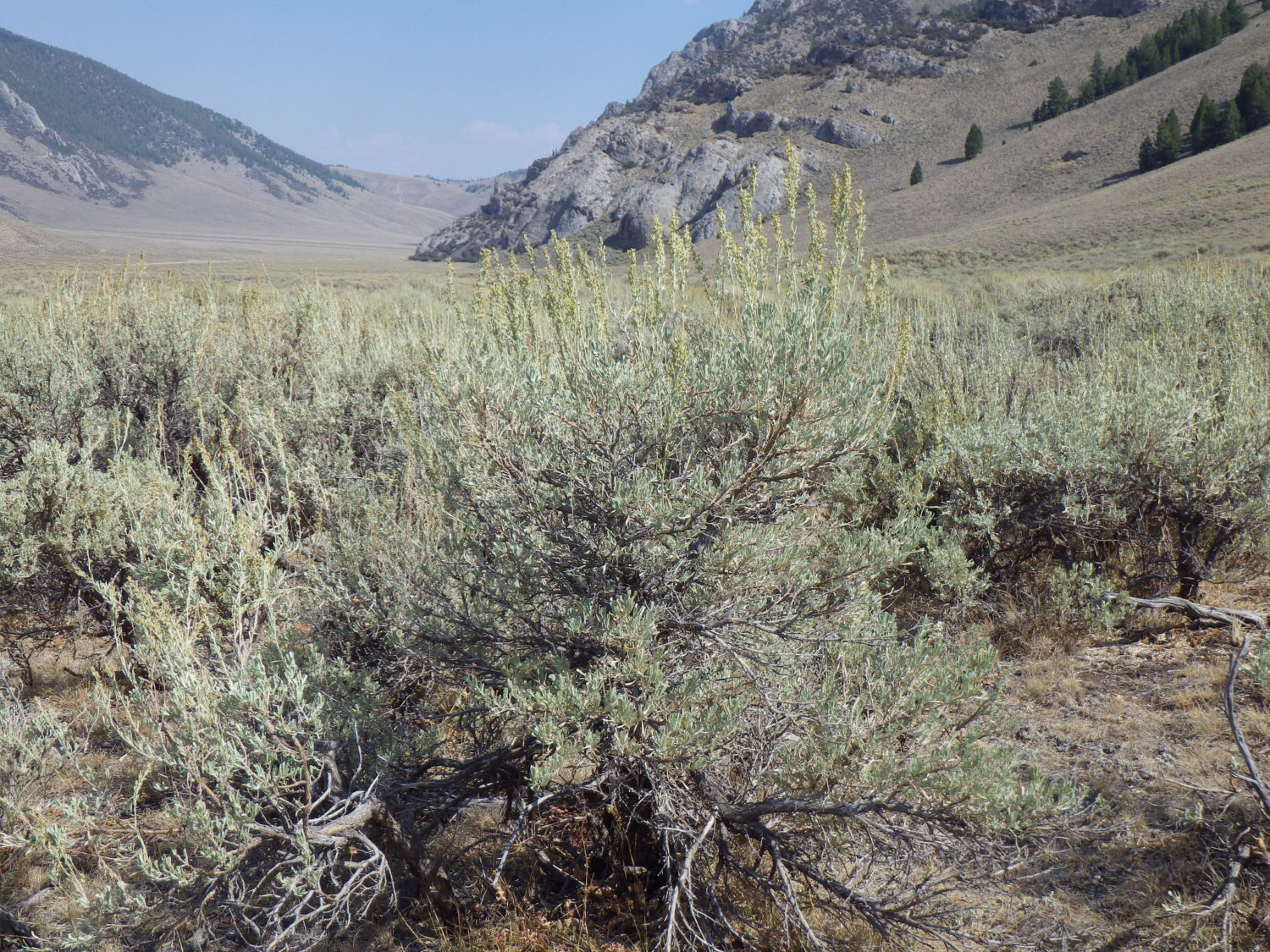
Both units are found along Idaho’s High Divide, which encompasses more than three million acres of BLM land, including the Sand Creek desert, the Donkey Hills, and the sagebrush benches over the Salmon River. These BLM public lands buffer five mountain ranges and make up critical seasonal ranges and migration routes for the region’s nine game species, all important to hunters.
BLM #publiclands in Idaho offer a good problem to have—but their future depends on public input Click To TweetThe management plans that help guide BLM in all of its decisions are decades old and in need of revision to ensure that the future of these unique landscapes is managed with the best science and public input. Revisions to the BLM Upper Snake plan should commence within a year. Planning for the Lemhi and Challis field offices will begin shortly after.
It is important for hunters and anglers to get involved in this public process and call for conservation of intact and undeveloped backcountry areas that are prized for hunting and wildlife habitat. I’d sure like to find myself in this conundrum year after year.
In the end, I pick Heart Hole because I know the pulse of the area, and I like having 30 days to hunt. I am a lucky man to be living in a time when public lands and proper hunting management offer so much.
For more information on the TRCP’s High Divide work, please reach out to Rob Thornberry, TRCP’s Idaho field representative, by emailing rthornberry@trcp.org.
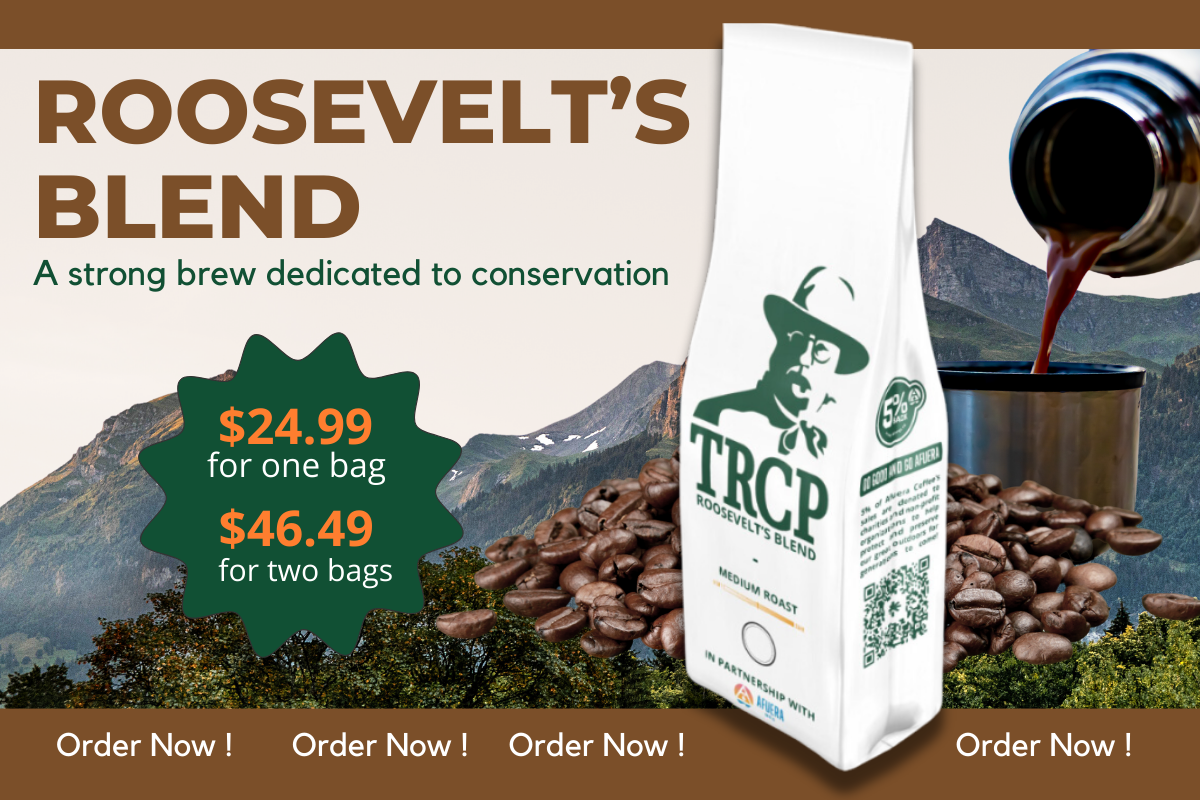
Theodore Roosevelt’s experiences hunting and fishing certainly fueled his passion for conservation, but it seems that a passion for coffee may have powered his mornings. In fact, Roosevelt’s son once said that his father’s coffee cup was “more in the nature of a bathtub.” TRCP has partnered with Afuera Coffee Co. to bring together his two loves: a strong morning brew and a dedication to conservation. With your purchase, you’ll not only enjoy waking up to the rich aroma of this bolder roast—you’ll be supporting the important work of preserving hunting and fishing opportunities for all.
Learn More