by:

posted in: CWD

December 2, 2025

Deer Season: Hunting & CWD – A Mid-Season Check-In

The hunt isn’t over – and neither are the stories.

As deer seasons unfold across the country, the first chapters of TRCP’s Deer Season – Hunting & CWD series have taken us from the hardwoods of Pennsylvania to the farmland and forests of Minnesota and into the wide-open landscapes of Montana. Through personal stories from the field, our staff hunters are exploring what it looks like to balance longstanding traditions with the evolving realities of Chronic Wasting Disease – and why everyday hunters play such a critical role in keeping deer herds healthy. 

Together, these early-season stories highlight a shared theme: responsible hunting practices, informed by science and rooted in tradition, are essential to sustaining deer hunting for future generations.

Pennsylvania: Preparing for the Season with Purpose 
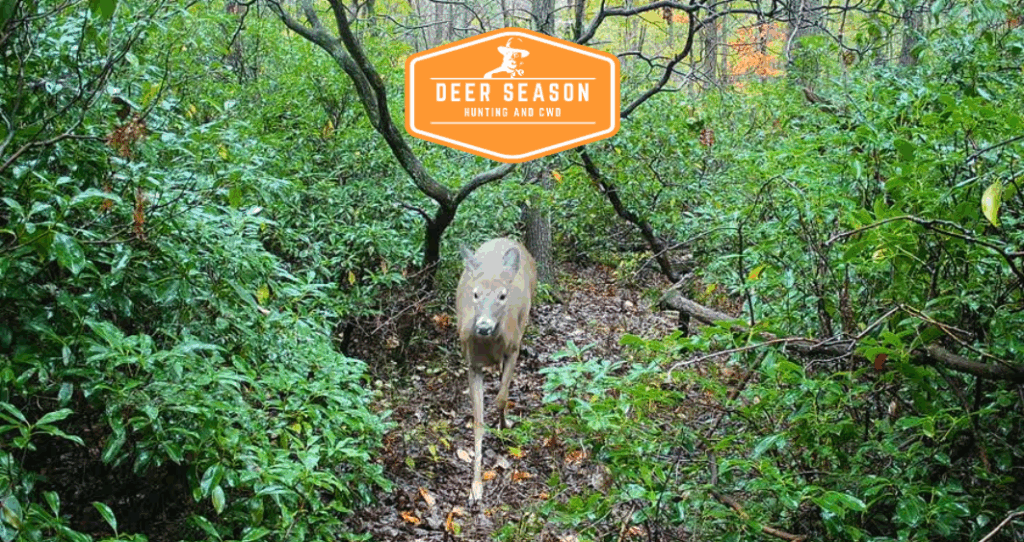
Deer Season – Hunting & CWD: Prepping for the Pennsylvania Season by Jim Kauffman, TRCP’s Pennsylvania field representative and wildlife health coordinator 

Jim Kauffman’s preseason story from Pennsylvania focuses on preparation—both practical and personal. From reviewing updated CWD regulations to understanding disease management zones and carcass movement rules, Jim highlights how staying informed has become an essential part of modern deer hunting. His reflections reinforce the idea that preparation doesn’t start on opening day; it begins long before hunters’ step into the woods. 

Read Jim’s Pennsylvania preseason story HERE 

“Last season brought long days, snow, and new challenges, but also memories that I’ll never forget, especially carrying out a buck on my back, in the dark, with my grandfather’s rifle, and sharing venison with friends and family.” 

Jim Kauffman, TRCP’s Pennsylvania field representative and wildlife health coordinator

Minnesota: Passing Down Traditions – and Responsibility
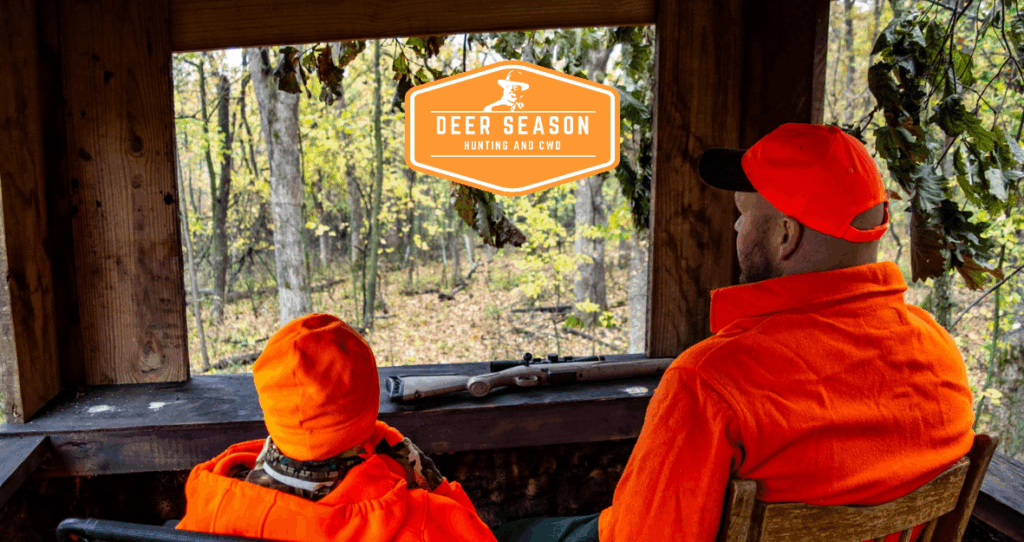
Deer Season – Hunting & CWD: A Season of Firsts in Minnesota by Aaron Field, TRCP’s director of private lands conservation 

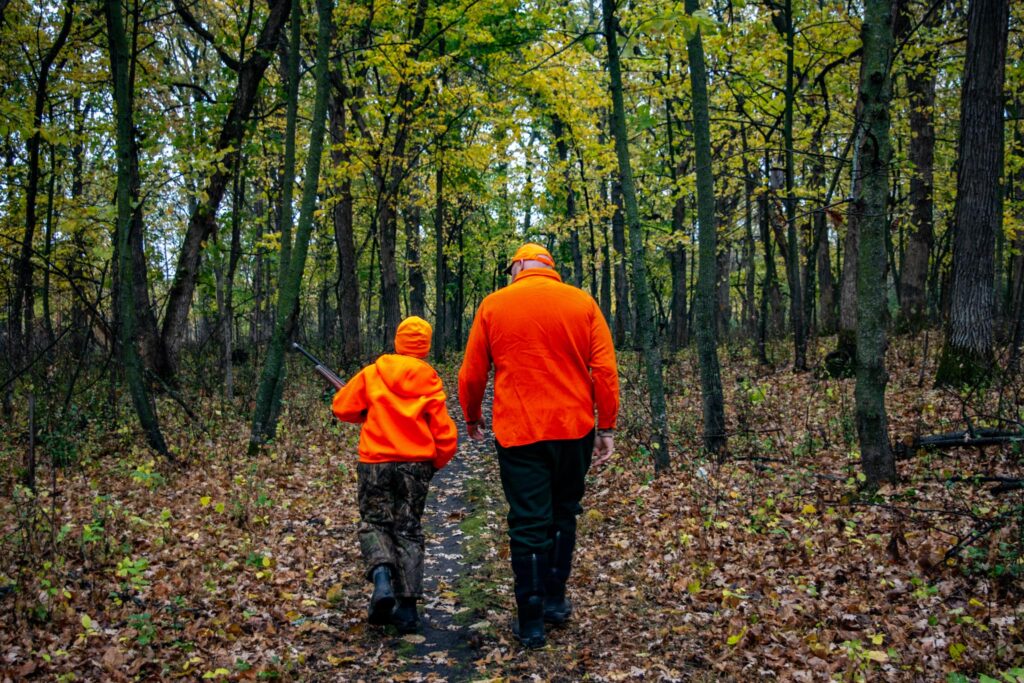
In Minnesota, Aaron Field shares a preseason perspective rooted in family tradition, including guiding a young hunter and hunting close to home in a new CWD zone. His story illustrates how learning about CWD best practices is no longer separate from passing on hunting traditions – it’s part of the lesson. From discussions around the kitchen table to planning how and where venison will be processed, these moments help shape the next generation of responsible hunters. 

Read Aaron’s Minnesota story HERE.

Right now, wildlife management in general, and CWD in particular, are not getting the attention and funding they deserve. Without hunters speaking up, they never will.”

Aaron Field, TRCP’s director of private lands conservation

Montana: Mentorship in Big Country 
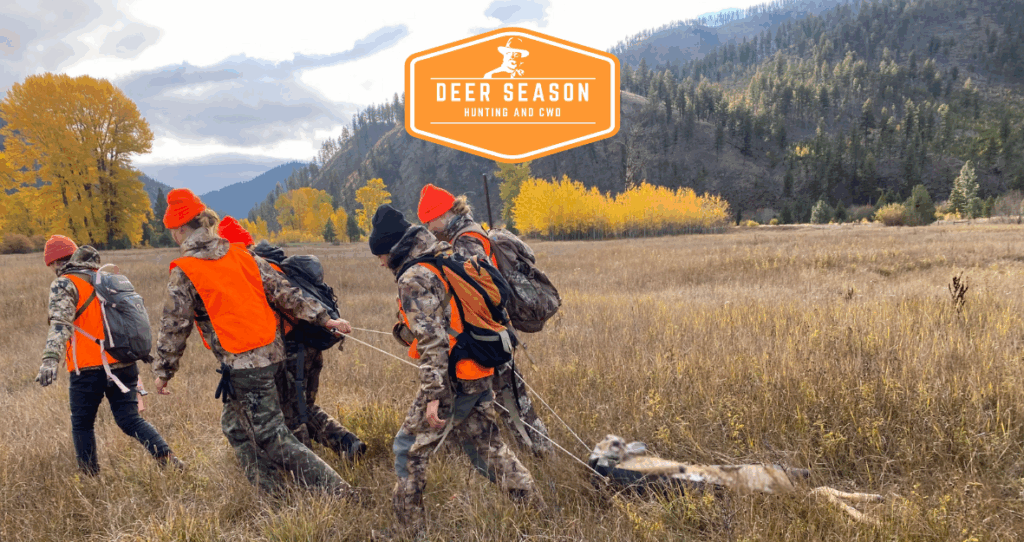
Deer Season – Hunting & CWD: A Hunting Journal Found and New Hunters in the Making by Ryan Chapin, TRCP’s Montana field manager 

Ryan Chapin’s Montana story brings readers west, where wide-open landscapes meet the responsibility of mentorship. His reflections connect a rediscovered hunting journal from his youth with the experience of mentoring new hunters today. Ryan highlights how introducing new hunters to the field now includes conversations about CWD testing, regulations, and why these steps matter. His story reminds us that mentorship is about more than success in the field – it’s about ensuring hunting remains sustainable and grounded in stewardship. 

Read Ryan’s Montana story HERE.

“Tomorrow, my daughter Ella, her friend Addie and I will join our friends in setting the annual Youth Deer Hunting camp on Rock Creek…”

Ryan Chapin, TRCP’s Montana field manager

Mid-Season Takeaways for Hunters Still in the Field 

Scientific research continues to show that informed and responsible hunter behavior plays an important role in managing CWD risks. As seasons continue, hunters can make a difference by: 

  • Staying current on state-specific regulations and CWD management areas 
  • Participating in testing programs when available 
  • Following best practices for carcass handling, transport, and disposal 
  • Sharing information with fellow hunters at camp, at the processor, and in the field 

For additional guidance, visit TRCP’s CWD resources page

What’s Next in the Series 

The hunt isn’t over – and neither are the stories. Coming up next are post-season reflections from Pennsylvania, Minnesota, and Montana. These upcoming blogs will explore lessons learned in the field, experiences with testing and processing, and what this season reinforced about the future of deer hunting. 

As Theodore Roosevelt once said, “In a civilized and cultivated country, wild animals only continue to exist at all when preserved by sportsmen.” We invite you to read the first three stories, apply what you’ve learned this season, and follow along as the full Deer Season – Hunting & CWD series continues. 

Continue the Series

Catch up on the Deer Season – Hunting & CWD posts HERE

This new TRCP series shares the personal deer hunting stories of three staff members while exploring the practices aimed at addressing the spread of chronic wasting disease. This season, we invite you to follow along and take part in preserving what we love most about deer hunting. 

Learn more about Chronic Wasting Disease here.
Do you have any thoughts on this post?

XHTML: You can use these tags: <a href="" title=""> <abbr title=""> <acronym title=""> <b> <blockquote cite=""> <cite> <code> <del datetime=""> <em> <i> <q cite=""> <s> <strike> <strong>

Comments must be under 1000 characters.

by:

posted in: CWD

November 13, 2025

Deer Season – Hunting & CWD: A Hunting Journal Found and New Hunters in the Making

From handwritten memories to new milestones afield – TRCP’s Ryan Chapin reflects on passing on the hunt while staying informed and committed to good CWD stewardship in Montana.

In Montana, the Youth-Only Deer Season marks the start of big game hunting for many families. Public schools close for teacher-in-service days, giving kids ages 10 to 15 the first crack at harvesting deer with a firearm. This camp has become a rite of passage for our kids and some of their friends, and a tradition that we all look forward to. 

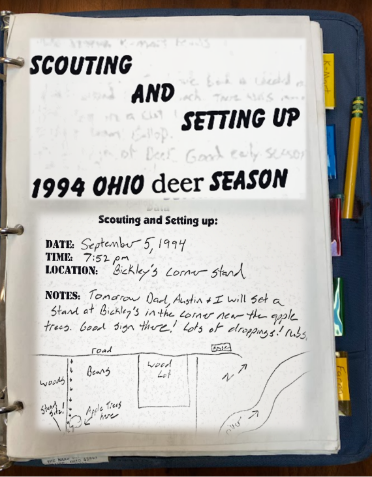
While preparing for this year’s camp, I unexpectedly found a hunting journal that I started years ago when I was a youth hunter myself in my home state of Ohio.  At the garage work bench, I turned on a light and opened the binder’s Velcro clasp and flipped through my handwritten notes and sketches.  

 I read one of the entries: “September 5, 1994 – Tomorrow Dad, Austin and I will set a stand at Bickley’s in the corner near the apple trees…” 

These memories reminded me of how deeply rooted this tradition is for me and how pleased I am now to be passing it along to our kids and their friends.  

Using the same pencil that I hadn’t touched for over 31 years, I wrote:  

“October 14, 2025 – Tomorrow, my daughter Ella, her friend Addie and I will join our friends in setting the annual Youth Deer Hunting camp on Rock Creek…”  

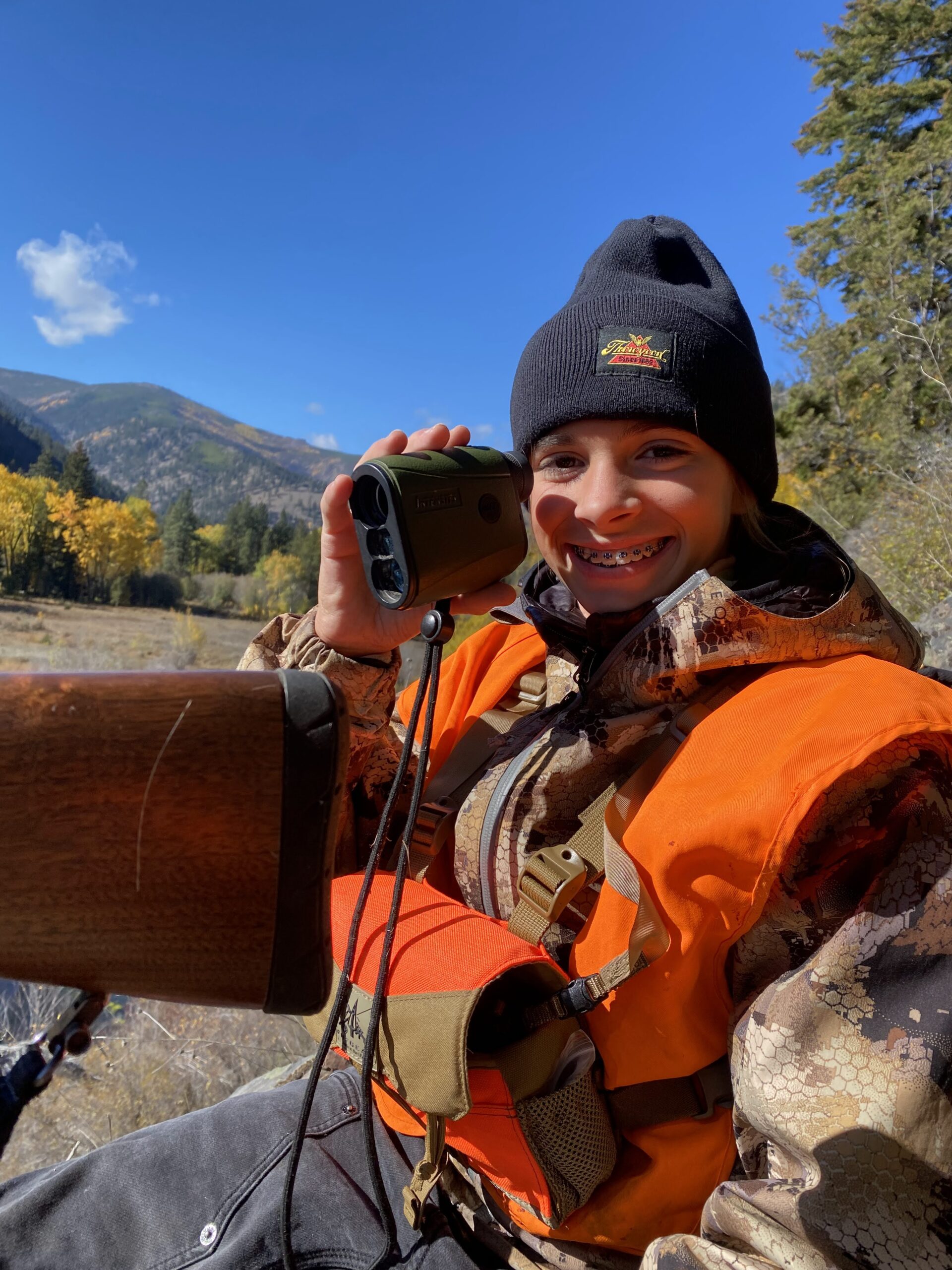
While setting up camp the next day, I thought of how much of hunting is the same as when I was a kid; lanterns still whisper, and wood stoves still cast warm flickers of light.  I also thought about how hunting has changed since my childhood. Today’s hunters come equipped with range finders, digital phone maps, boots that are actually waterproof, and CWD sample kits from local game and fish offices. 

Still, the hum of the modern hunting season carries a new awareness. Chronic wasting disease looms in conversations and decisions alike, reminding us that stewardship means more than just taking a clean shot – it means staying informed, testing our harvests, and helping safeguard the future of the hunt. 

After camp was set, we planned out the hunt while roasting hot dogs over an open fire. Over the next several days, each group would take a different location to maximize the girl’s chances of success.  Our group hummed with excitement, and I thought about how nice it was to be back here along the creek among friends, family and the towering ponderosa pine.  

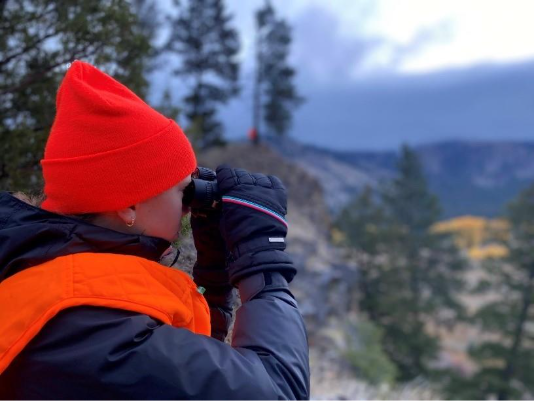
In the early morning dark, Addie, Ella and I went out on the big ridge to where the cliff overlooks the creek bottom.  Addie, who’s joined the camp for years as a non-hunting companion, just recently took hunter’s safety and honed her shooting skills with us at the range.  Ella and I admired her determination, her sharp eye for spotting animals, and her interest in becoming a hunter; we were keen on helping her get her first deer.  We settled into the rocks and waited for the sun to rise. 

Not long after shooting light, Addie tapped Ella on the shoulder and tugged on my coat’s hood to get our attention.  

“There are two deer below us in the rocks by the river,” Addie whispered while pointing straight ahead and down.  

Ella nor I could see the deer until their tails flickered white and moved away before a shot could be set up. We were impressed with Addie’s keen eye; while also a bit embarrassed that we couldn’t see the deer ourselves.  

Over the next hour, Addie followed the same routine two more times, seeing and pointing out deer unseen by Ella or me. I rubbed my eyes, gave Ella a concerned look and whispered to Addie.  

“The next deer you see, just get it in your scope fast and don’t worry about showing us!” 

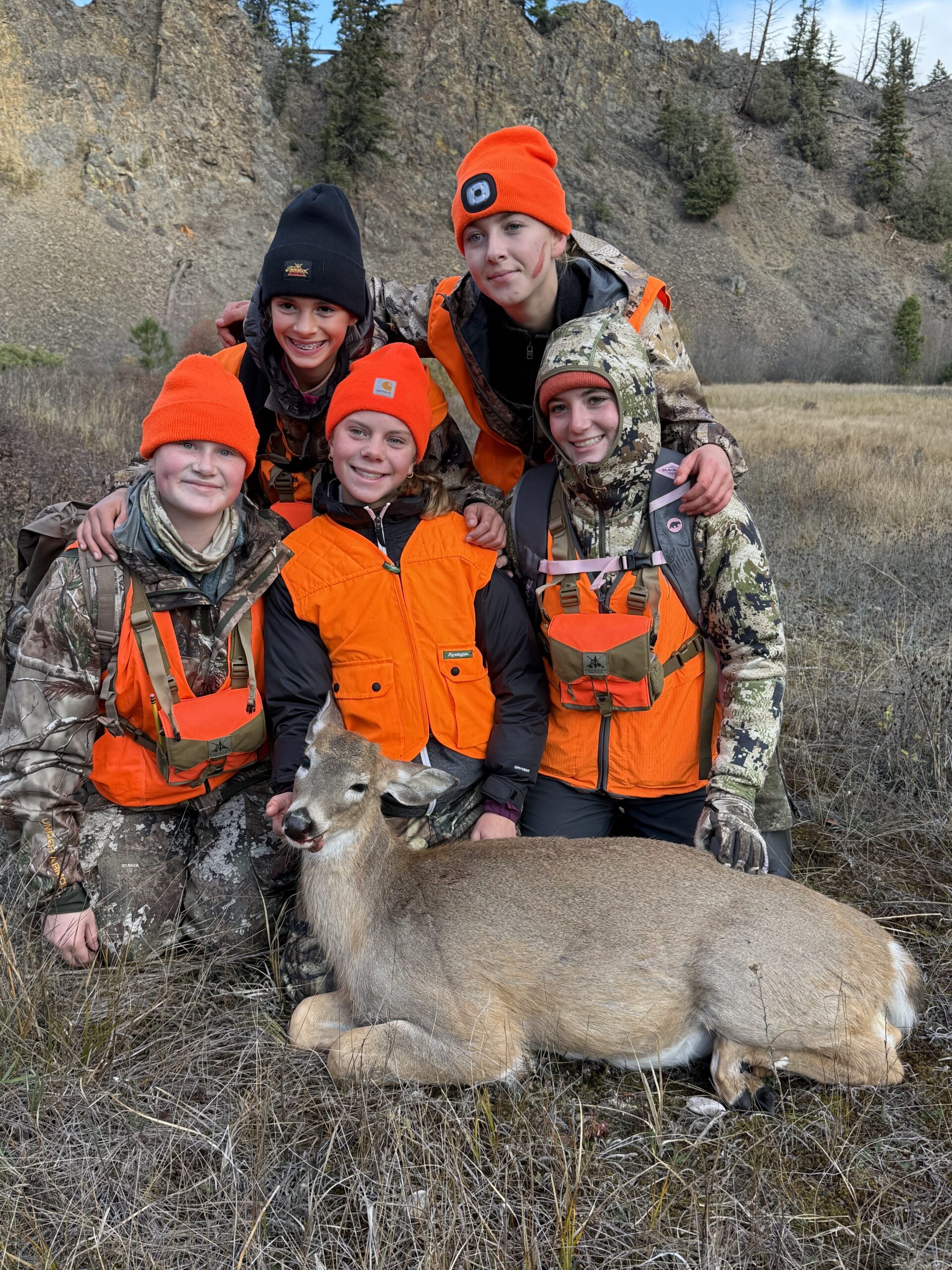
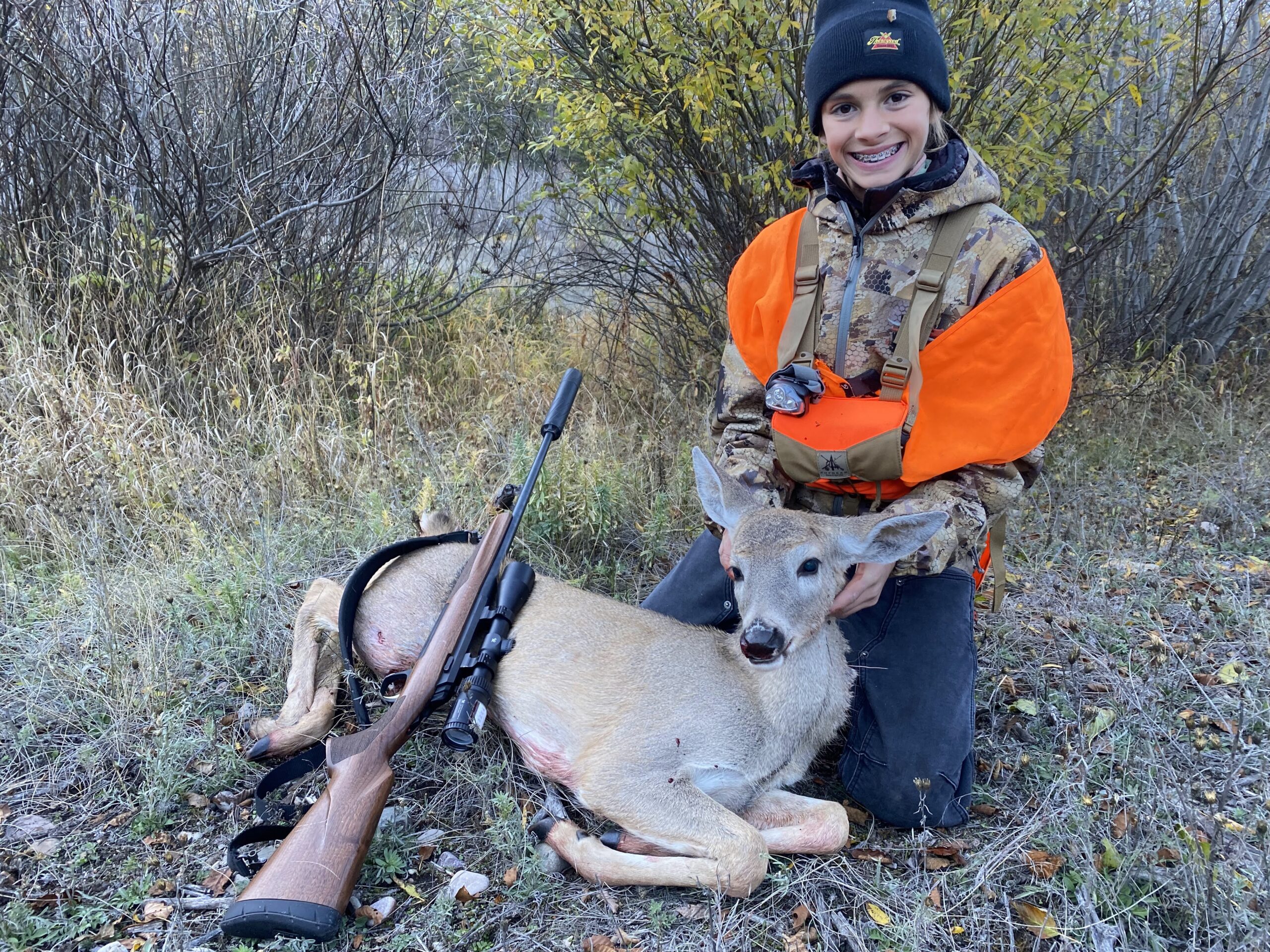
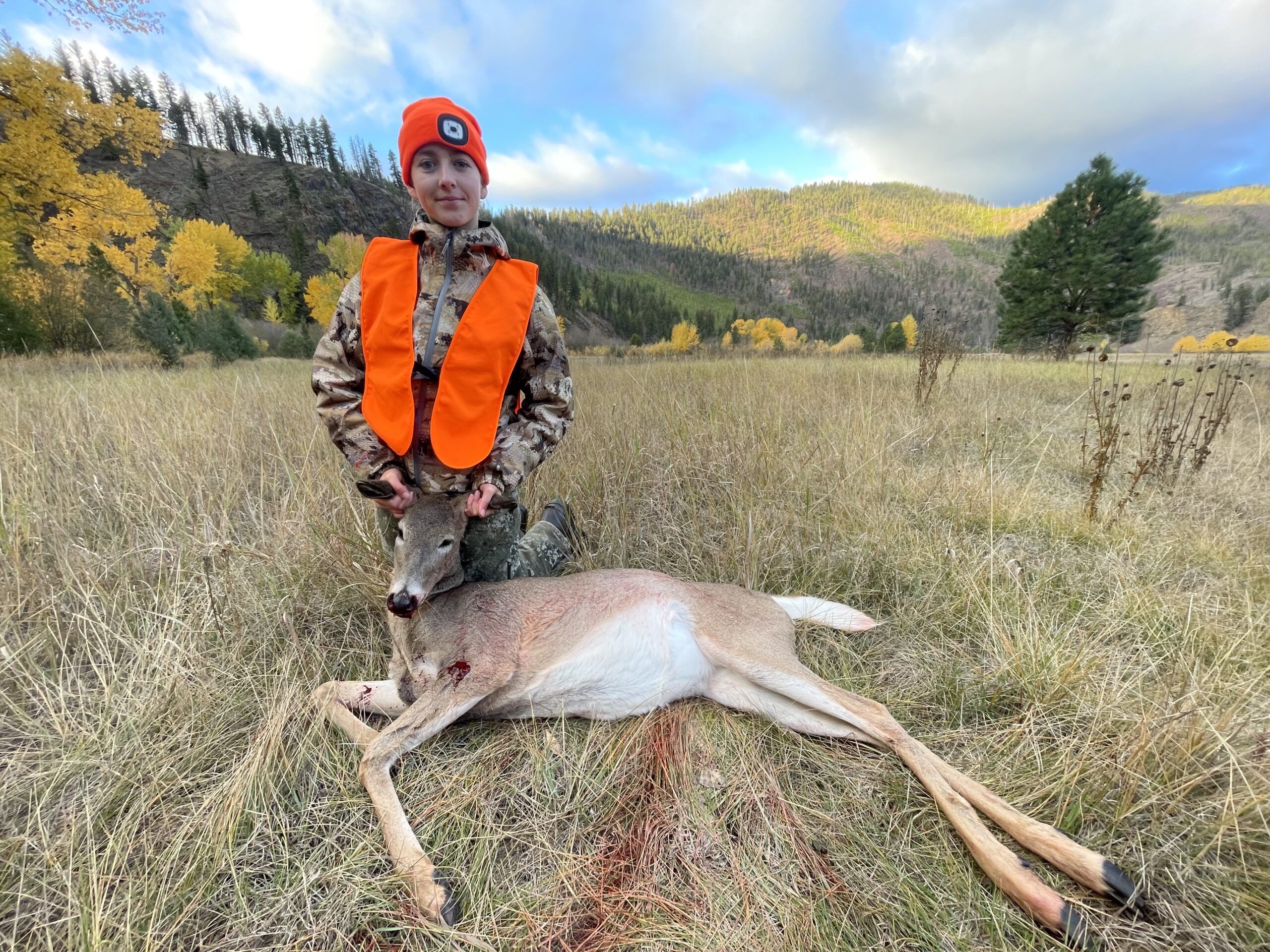
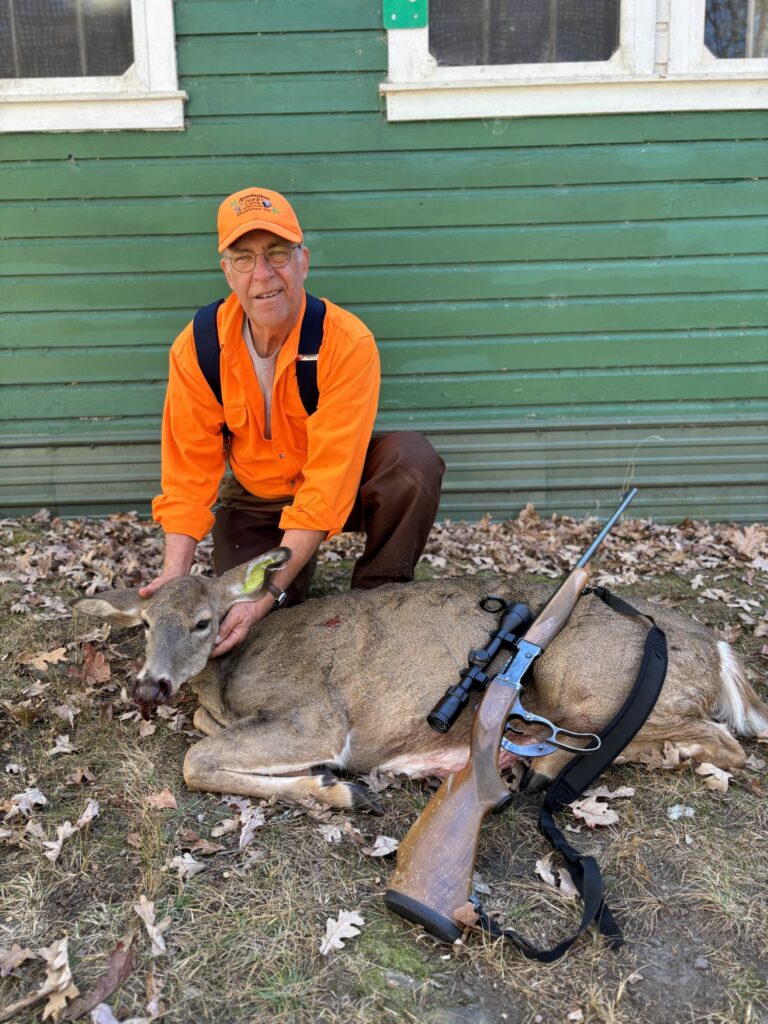
Before we knew it Addie was at it again, but this time she pivoted her body and the rifle to the left.  Immediately we saw the deer coming our way along the creek bottom.  Ella ranged the deer at 160 yards, and I helped Addie switch the rifle’s safety to fire and increase the magnification of the scope. Addie focused in and her shot was good.  The deer collapsed on the spot. She rolled away from the rifle and grinned.  Ella was there with high-fives and praise for a job well done.  

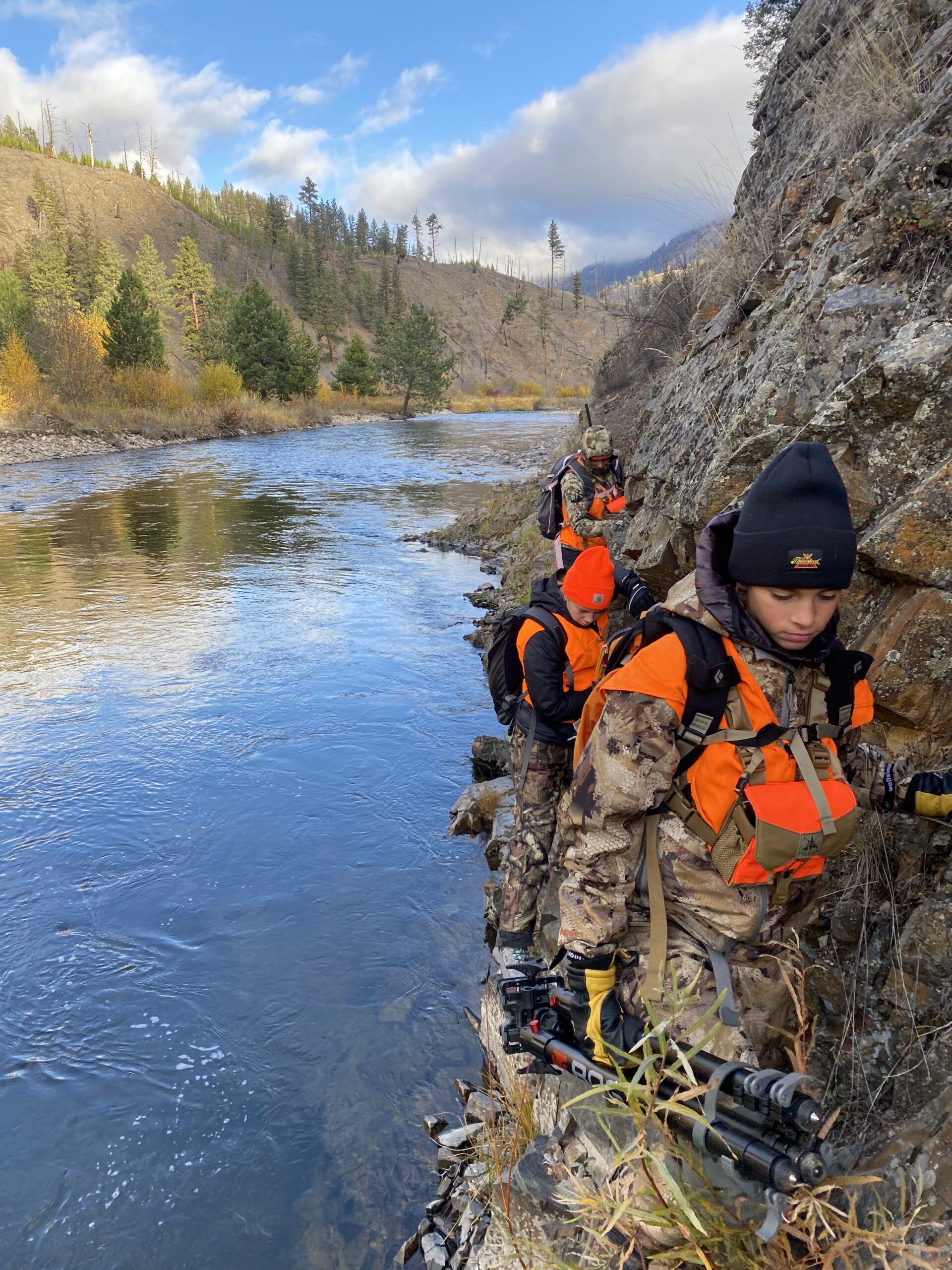
We gathered our gear and walked down off the cliff following the water to where the dead deer lay in the tall grass.  Addie punched her tag, and we got out knives. We could see the other hunters coming our way as they must have heard the shot.   

Addie asked, “Ryan, do we have to leave the brains and spine behind like we did in Eastern Montana?” Referring to a guideline that applied at one time to certain hunting districts in Montana.    

“Not here Addie, we will drag the deer out whole and dispose of the carcass.  Also, we will take a lymph node sample and make sure your deer tests negative for CWD before cooking burgers and steaks, how does that sound?”  

Addie nodded and explained that she learned about carcass disposal in her recent hunter’s safety class.  

The rest of the girls arrived and rallied around her. They helped with the field dressing, offered congratulations, and worked together to drag the deer out to the road. It was satisfying to see young hunters supporting one another and seeing in real time one of human’s oldest skills being passed to another generation.   

During the rest of our time at deer camp, Ella and Ava each also harvested deer and were supported by their friends with the same encouragement and camaraderie.  As we packed up and headed home, I was pleased with how my relationship with hunting has evolved. From scribbling notes in my first hunting journal to watching a new generation carry the tradition forward.  As we left camp, I felt a quiet responsibility settle in; the kind that comes with knowing our tradition is alive, and that it’s ours to pass on. 

As we unpacked gear back home, I thought about how much I’ve learned since those early journal entries – less about taking deer and more about taking care. Each season, I study the Montana Fish, Wildlife & Parks hunting regulations booklet and CWD updates before heading out, check which units require sampling, and make sure our family has fresh sample kits and knows the rules for carcass transport and disposal. On the lands we hunt – from the river bottoms to the timbered ridges – I’ve come to see these steps not as burdens, but as part of the hunt itself: another way to respect the resource and the places that give us so much. Staying informed, testing our deer, and cleaning our gear are small acts that help ensure these same camps, lanterns, and early mornings remain part of the next generation’s hunting stories. 

When the season ends and the freezers are (hopefully) full, I’ll take a quiet moment to look back on what we learned about the deer, the land, and ourselves, and just maybe, I’ll keep that old journal close by and start writing in it again.  

Deer Season – Hunting and CWD.

This new TRCP series shares the personal deer hunting stories of three staff members while exploring the practices aimed at addressing the spread of chronic wasting disease. This season, we invite you to follow along and take part in preserving what we love most about deer hunting. 

As deer seasons open across the country, hunters are packing gear, checking maps, and preparing for the moments that define another fall outdoors. But today’s deer hunters face new challenges – chief among them, the spread of Chronic Wasting Disease (CWD), a 100-percent fatal neurodegenerative wildlife disease that affects members of the deer family. While more and more hunters are finding CWD in their backyards, it remains a source of confusion for many.  

From pre-season prep and regulation changes to lessons learned in the woods and around deer camp, Deer Season – Hunting and CWD will show how everyday hunters are part of the solution. Along the way, you’ll find tips, resources, and reflections that tie together our love of the hunt with our shared responsibility to keep deer herds healthy for future generations. 

Learn more about Chronic Wasting Disease here.

by:

posted in: CWD

November 3, 2025

Deer Season – Hunting & CWD: A Season of Firsts in Minnesota

From guiding a young hunter to facing a new CWD zone, TRCP’s Aaron Field finds meaning – and responsibility – in a lifetime of deer seasons close to home

“If you sit here long enough, and quiet enough, a deer will walk by.”  

That advice, delivered by my dad at the start of my very first hunt, still bounces around in my skull every time I go out, and I haven’t proved him wrong yet. 

I’ve looked forward to every deer season since then, but this one already stands out as a season of firsts. From the opportunity to guide my daughter through her first morning in the woods to now navigating a new CWD management zone, I’ll be seeing familiar country in a different light – and feeling a deeper sense of responsibility for what’s ahead. 

My first hunting experience was for white-tailed deer in western Minnesota, and I have repeated that experience for almost 25 years now, almost exclusively within a 20-mile radius of where I’m sitting right now. By the time I was old enough to go along, deer were the only thing my dad hunted. Losing a great dog and access to a few favorite ponds had ended his interest in duck hunting. Ruffed grouse numbers weren’t what they used to be, and “No Trespassing” signs had gotten a lot more common. But he still hunted deer, so I had my entry point. 

In those first years, deer populations were down. Rifle hunters could choose to hunt for two days on opening weekend or three days the following, and nobody I knew hunted with a bow. Either-sex tags were only available via lottery. As you can imagine, we didn’t let forkhorn bucks walk by back then.  

I’m a public land bird hunter, but I hunt deer on private land. I’m lucky enough to have good access to decent deer hunting, and I figure that I don’t need to compete with the people who don’t, especially when, for many hunters, deer season is their only chance to get out.  

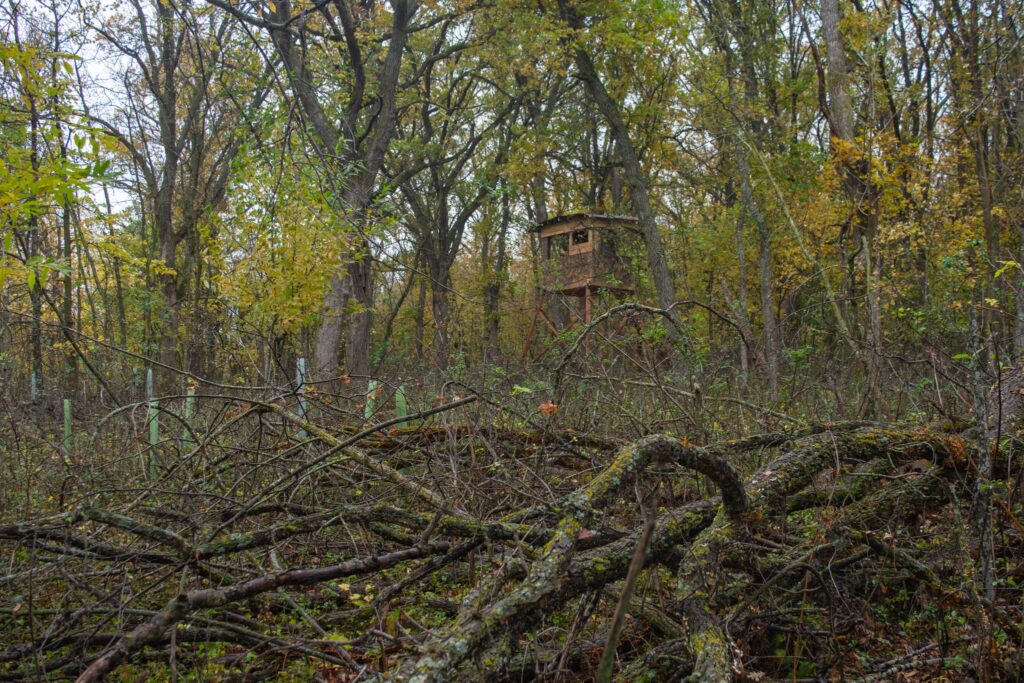
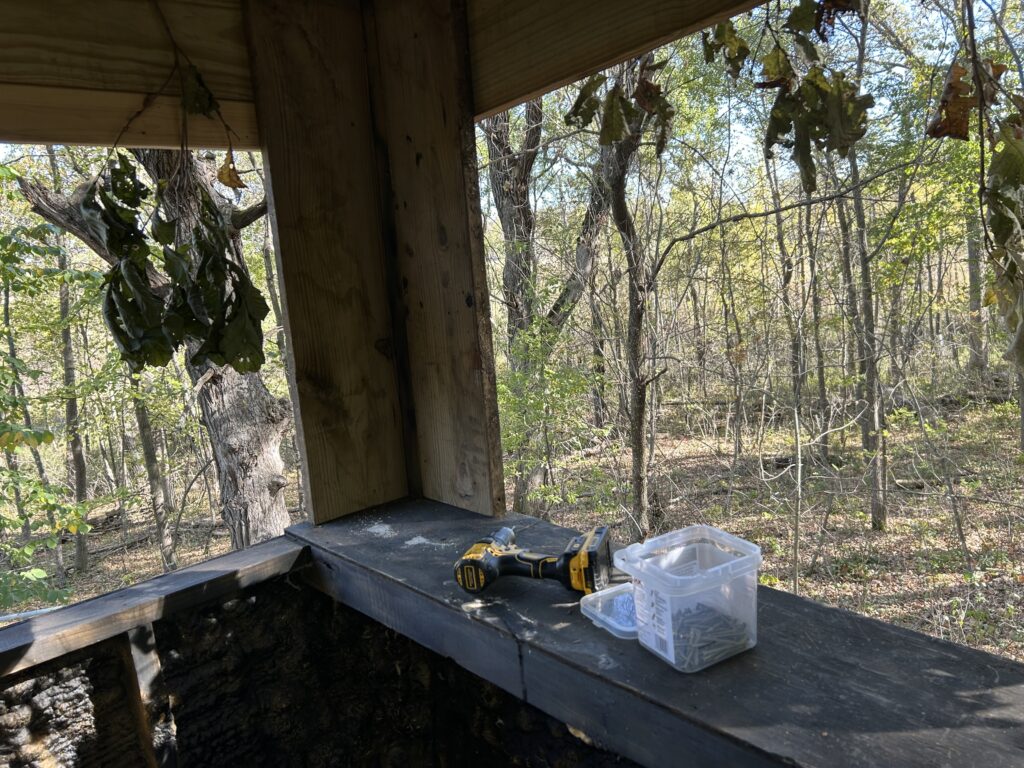
For the last five years I’ve taken it a little further and limited myself to hunting deer on my own property, within a couple hundred yards of my house. I’ve got about 15 acres of woods and swamp, and there’s decent deer traffic as they move from bedding in the swamp to feeding in the neighbors’ corn and soybean fields. After a few years on a ladder stand, I built an elevated box stand, 6’x8’ with a roof and a good staircase. I built it big (and safe) so I could bring my kids along, but I can’t say it bothers me one bit to have a windbreak and a spot to set my coffee cup on cold mornings. I know it’s not modern to have one, fixed stand location that you hunt in any wind direction, but I’ve always wanted to replicate the one I “helped” my dad and uncle build when I was a kid, and I rarely sit there without having deer go by, so I’m sticking with it for now. 

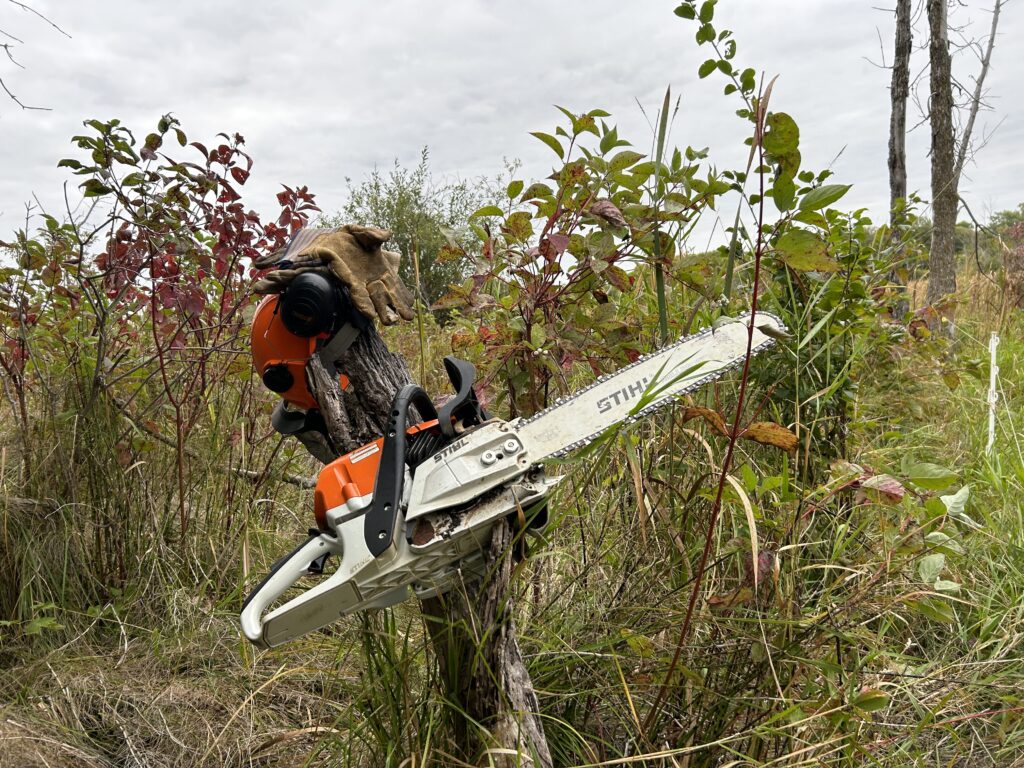
I get a ton of satisfaction from that stand. It’s on my land, I built it myself, and the deer I see are there, at least partially, because of my own chainsaw and shovel time. When I bought the property, it was heavily invaded by common buckthorn. Not only does buckthorn limit the growth of native plants that deer prefer, having a dense stand of thorny shrubs really hurt my kids’ willingness to play in the woods. I’ve spent the last five years using a combination of chainsaw time, herbicides, and targeted goat browsing to knock it back, and I’m making good progress. It’s one of those battles that might be unwinnable in the long run, but one I’m going to keep fighting. 

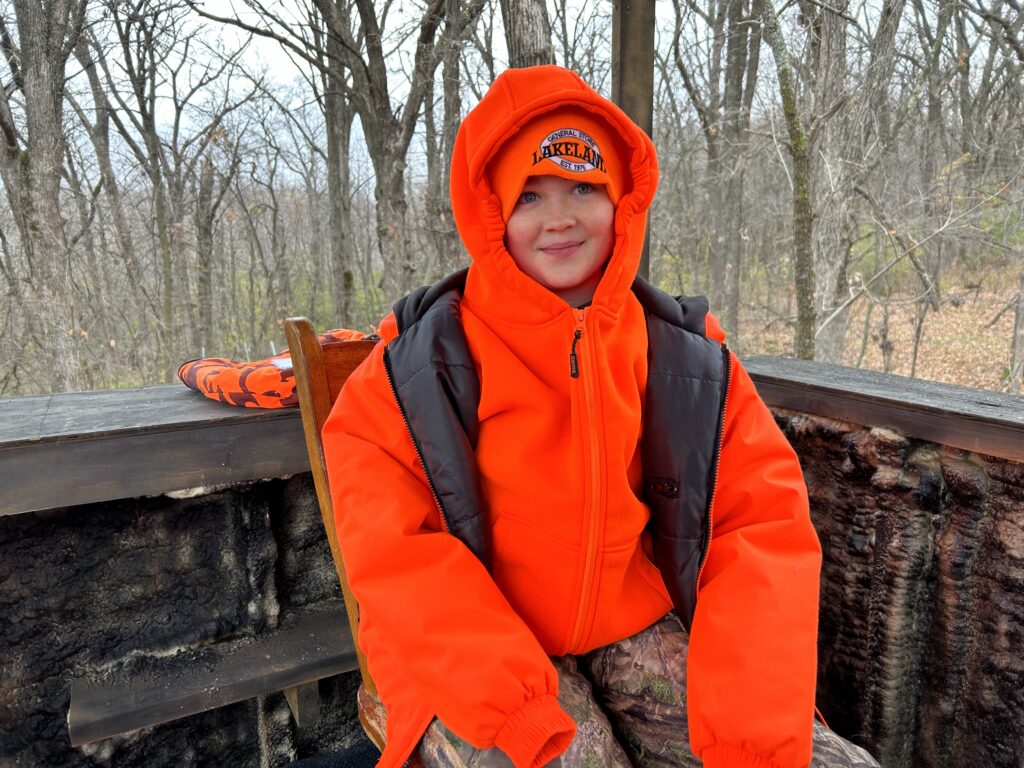
This year is one of at least two firsts. After a quarter century of hunting on my own and for myself, this year my primary goal is supporting my 11-year-old daughter’s first deer hunt. She’s a good shot, has spent time with me in the deer stand before, and has done a little squirrel hunting, but I was surprised when she told me she wanted to hunt deer this year. She passed her hunter safety training with flying colors and is an awful lot more responsible than I was when I started hunting, so we’re going to give it a go. 

The second first is a lot less exciting. During the 2024 season, a wild deer harvested in the neighboring permit area, maybe 25 miles northwest, tested positive for Chronic Wasting Disease, or CWD, which means I’m now hunting in a “CWD Surveillance” unit. I’ve been working on federal policy related to CWD for a few years now, so I understand the issue a lot better than I would otherwise, but I must admit that it has been nice to not deal with it here at home. 

Both personally and professionally, I’ve tried not to be too prescriptive on how I ask other hunters to deal with CWD. There are too many variables, personal motivations, and constraints for me to try to tell someone exactly what they should do. There are definitely best practices out there though, and I think the least we can do as hunters is learn about this issue and avoid being part of the problem. Mainly, hunters should know and follow the regulations, even if it’s inconvenient. In my case, I’ve been impressed with the clarity and amount of information that the Minnesota Department of Natural Resources has available for hunters like me dealing with CWD for the first time. 

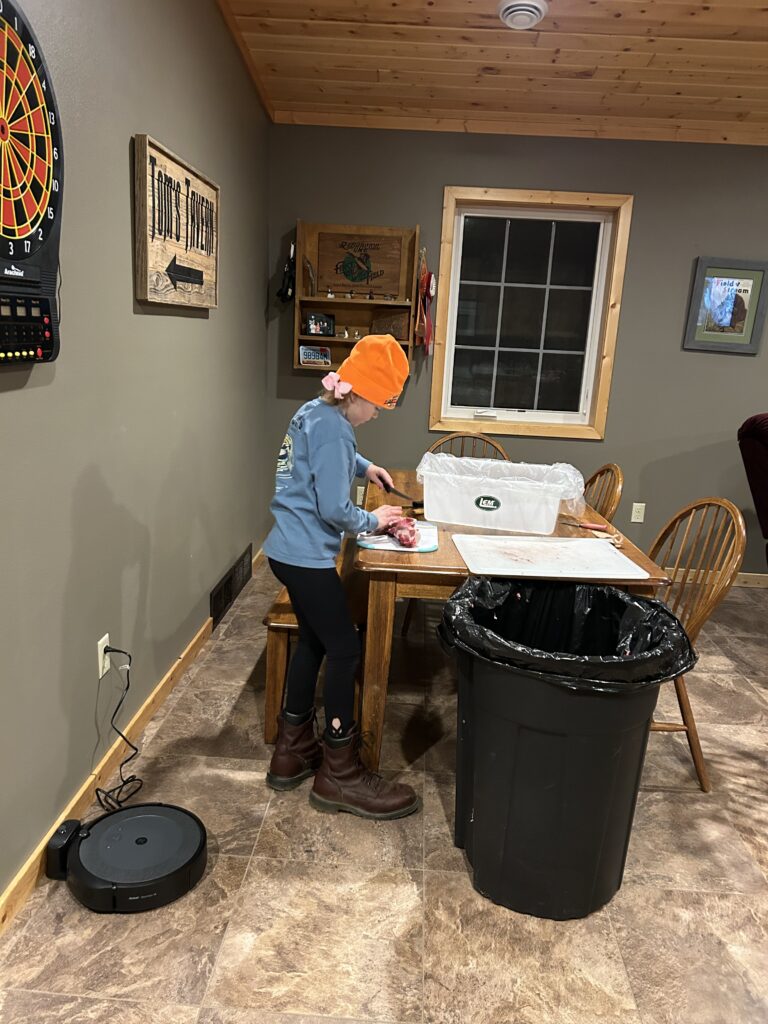
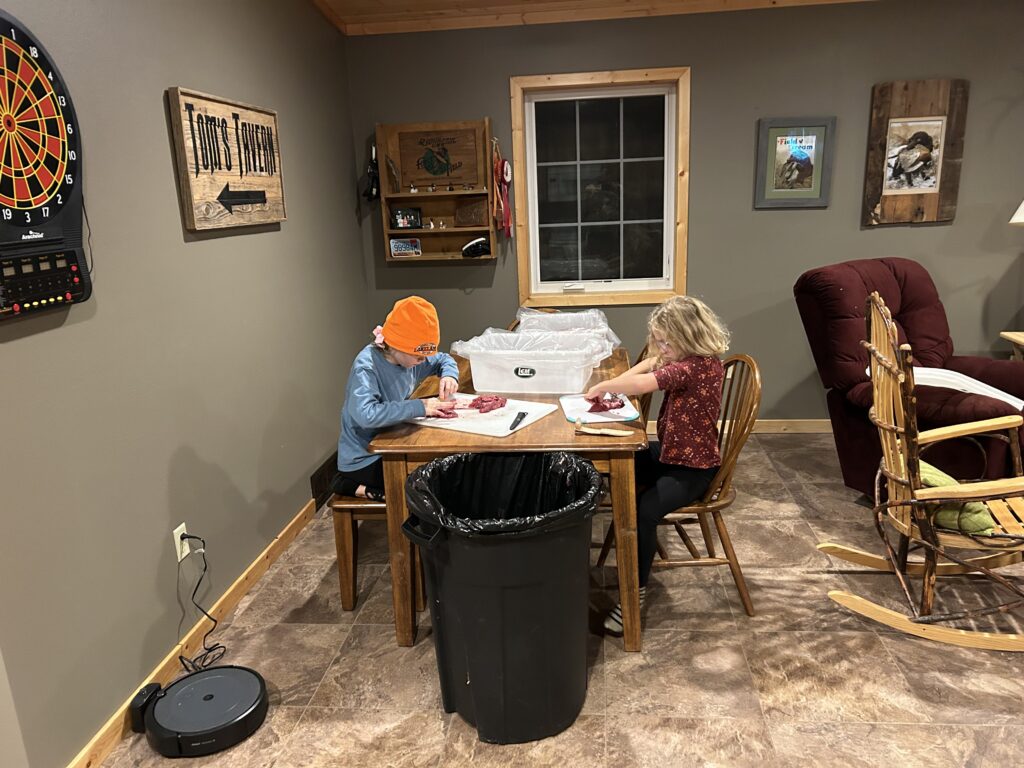
CWD doesn’t move quickly on its own, but it can cover large distances if humans move deer around. For a long time, hunters have focused on the role that captive cervid operations play in moving potentially infected deer long distances and across state lines. That’s valid criticism, and the practice needs to stop, but hunters also need to make sure we don’t compound the problem. For me, that means any deer we take stays close to home. That’s easy for us, as we typically do our own processing, but I am getting a little tired of the “just ok” smoked sausage I tend to end up with, so we may be engaging a local professional for at least one deer this year. 

Hunter participation in CWD testing is a little more complicated than what’s in the regulations book. Testing will only be mandatory if I harvest a deer during the opening weekend of our firearms deer season, but I intend to have every deer we harvest tested this year. Where I hunt, the odds of harvesting a CWD-positive deer are probably very low, so I would personally be comfortable going without testing from a food-safety perspective. But testing results here will determine how deer biologists and managers respond to CWD in my area. The better data these professionals have, the more likely they are to keep prevalence at low or even zero levels. 

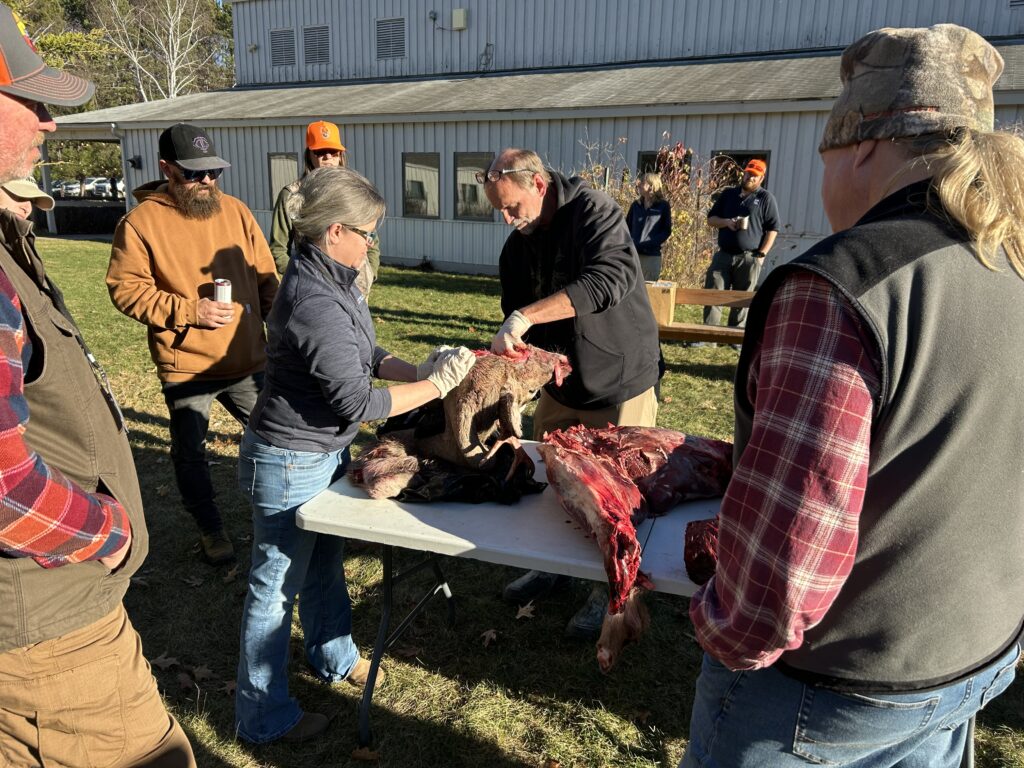
I have a biology degree, but I was always a lot more interested in ecology than anatomy, so digging lymph nodes out of a deer head and mailing them in for testing doesn’t really appeal to me. I’ve watched the process done at a check station in Nebraska once, and attended a demonstration by the Minnesota DNR last fall, but, if I’m honest, I didn’t pay nearly as much attention as I should have. I was a lot more interested in seeing how a professional butcher broke down a deer than I was in learning how CWD testing was done.  

Thankfully, there will be a limited number of staffed check stations nearby, although they’re only open for part of the season. Minnesota DNR also partners with taxidermists, who will remove samples and submit them for testing for a fee. Otherwise, the website says I can make an appointment with my local DNR biologist to get some help. That sounds like the most interesting option and would give me an excuse to meet a local biologist, but I imagine they will be busy. I intend to use one of those routes for the first deer or two and ask a lot of questions. After that I’m hoping I’ll feel competent enough to pull my own samples moving forward. 

Those who really care about the future of deer hunting and want to do more have options too. One of the most important is finding ways to make sure that decision-makers, whether in your state or at the federal level, know how important wild deer and wild deer hunting are to you. Let them know that you value quality deer hunting, and that federal and state governments should value it too. Right now, wildlife management in general, and CWD in particular, are not getting the attention and funding they deserve. Without hunters speaking up, they never will.   

I can’t wait for the season to come, and by the time anybody reads this, it probably has. It will be a season of firsts for me – some exciting, some challenging – but each one a reminder of why hunting matters and what’s at stake. I’m 100% certain the positives will far outweigh the negatives, and I’ll do everything I can to make sure that when my daughter’s 25th deer season rolls around, it’s even better than her first.  

Deer Season – Hunting and CWD.

This new TRCP series shares the personal deer hunting stories of three staff members while exploring the practices aimed at addressing the spread of chronic wasting disease. This season, we invite you to follow along and take part in preserving what we love most about deer hunting. 

As deer seasons open across the country, hunters are packing gear, checking maps, and preparing for the moments that define another fall outdoors. But today’s deer hunters face new challenges – chief among them, the spread of Chronic Wasting Disease (CWD), a 100-percent fatal neurodegenerative wildlife disease that affects members of the deer family. While more and more hunters are finding CWD in their backyards, it remains a source of confusion for many.  

From pre-season prep and regulation changes to lessons learned in the woods and around deer camp, Deer Season – Hunting and CWD will show how everyday hunters are part of the solution. Along the way, you’ll find tips, resources, and reflections that tie together our love of the hunt with our shared responsibility to keep deer herds healthy for future generations. 

Learn more about Chronic Wasting Disease here.

by:

posted in: CWD

October 28, 2025

Deer Season – Hunting & CWD: Prepping for the Pennsylvania Season 

As TRCP’s Jim Kauffman prepares for a new deer season in Pennsylvania, he reflects on tradition, responsibility, and staying vigilant about CWD to help keep our herds – and our hunting heritage – strong. 

Each summer, as the days grow shorter and trail cameras start lighting up, I feel that familiar pull toward deer season. The ritual of scouting, planning, and preparing connects me to the same woods my dad and grandfathers hunted. But in recent years, there’s been a new layer of responsibility for that preparation: staying informed about Chronic Wasting Disease (CWD) and how it affects the deer and the places I love to hunt. 

Last season brought long days, snow, and new challenges, but also memories that I’ll never forget, especially carrying out a buck on my back, in the dark, with my grandfather’s rifle, and sharing venison with friends and family. Like many Pennsylvanians, I cherish these traditions and the public lands that make them possible. 

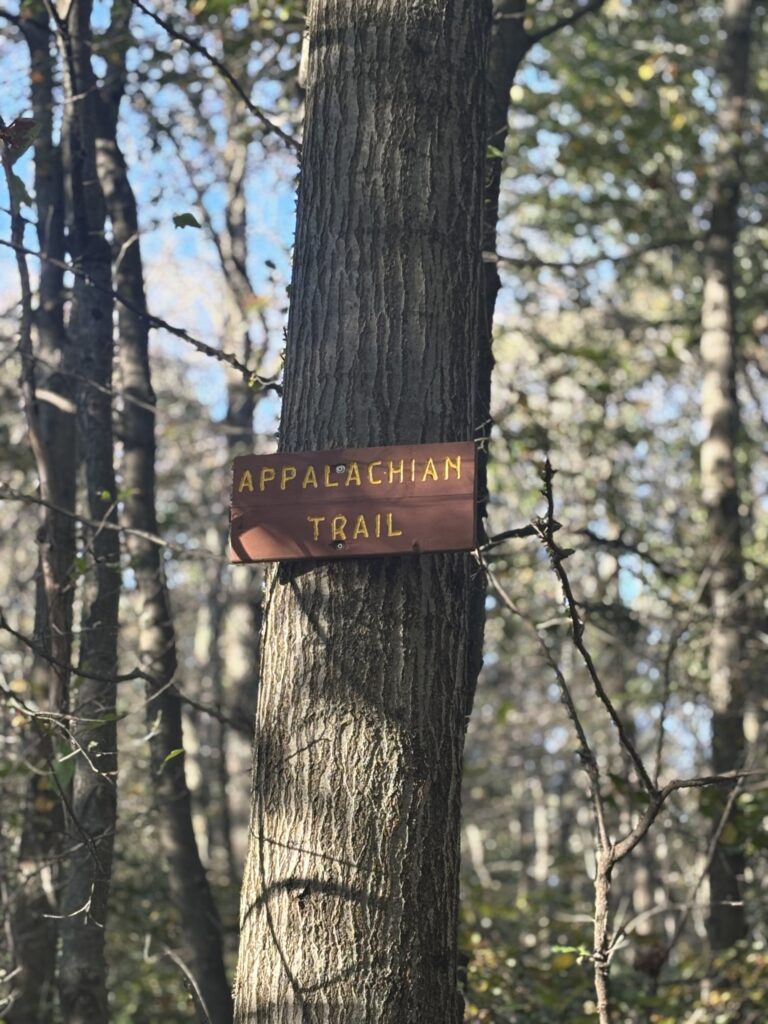
Pennsylvania has a rich tradition of deer hunting camps, and each fall many Pennsylvanians (including me) look forward to pursuing deer in its northern forests. I am fortunate to reside in a region where deer are plentiful, so opportunities also exist to hunt deer at home. Rich agricultural lands with woodlots and forest patches are widespread, and the public lands of the ridge and valley province offer ample deer hunting opportunities. Undulating forested ridges run throughout most of central Pennsylvania, framing semi-developed valleys with productive farmlands. Many of the ridge tops are public land, offering an opportunity to pursue deer that utilize these forests to grow fat on corn and soybeans in the valleys below. The Appalachian Trail runs along the southernmost ridges here, facilitating access to deeper deer haunts, if you are willing to put a few miles on your boots. So before heading to camp, I often pursue deer closer to home.  

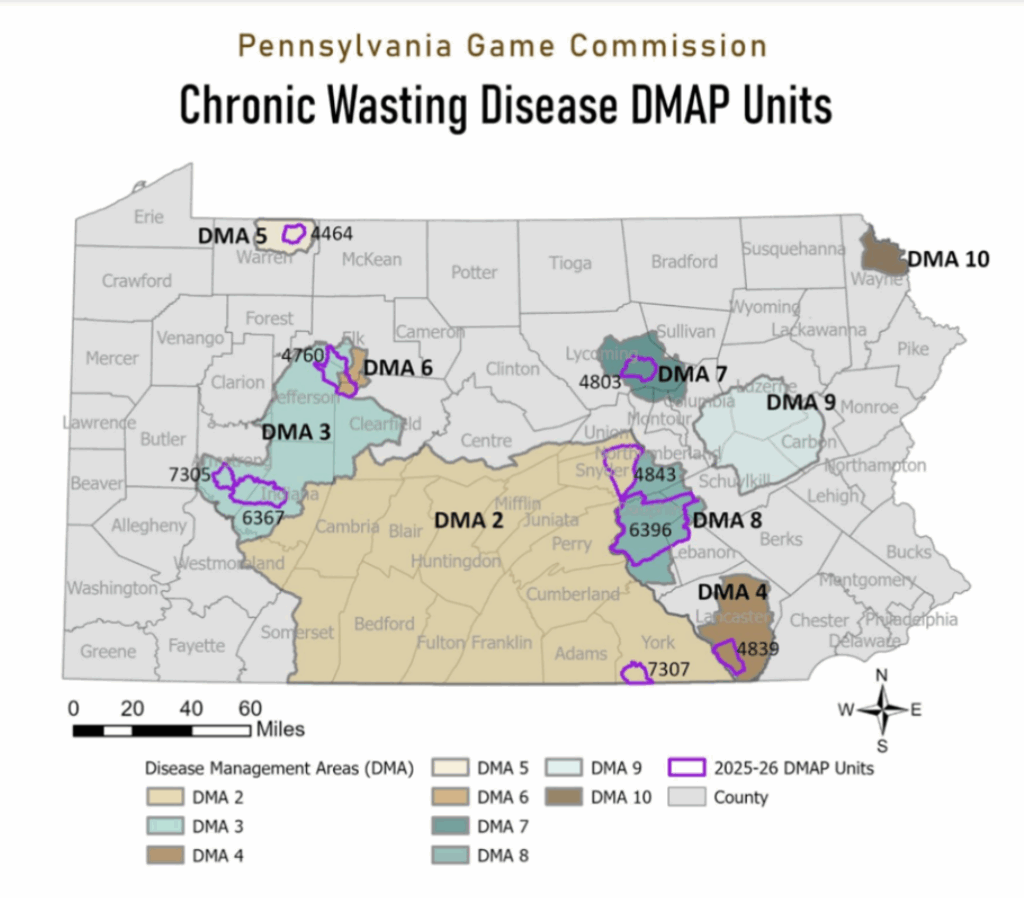
The downside of hunting in southern Pennsylvania is facing the reality of CWD. The disease was first detected in wild Pennsylvania deer in 2012, and it has continued to spread across the Commonwealth. Each year, positive cases identified outside of established Disease Management Areas (DMAs) warrant DMA expansions and the potential for changing regulations. So, each preseason, I consult the Pennsylvania Game Commission (PGC) regulations to determine whether I will be hunting in a DMA to plan safe carcass movement, butchering, and disposal. 

In mid-summer, Pennsylvanians purchase their antlerless tags that determine the Wildlife Management Units where they can pursue does. This is a good time to check the CWD regulations and plan for proper field care and butchering. Fortunately, the areas that I plan to hunt this year still fall outside of Pennsylvania’s CWD DMAs.  But this could certainly change in the future as the disease continues to spread – and it is always important to check so you can stay informed about current regulations and requirements. Keep in mind that even if you are hunting outside of Pennsylvania’s DMA areas, you can still get your deer tested if you choose to do so. Testing provides peace of mind to be certain that your deer is not CWD positive, while providing the PGC with additional surveillance data.

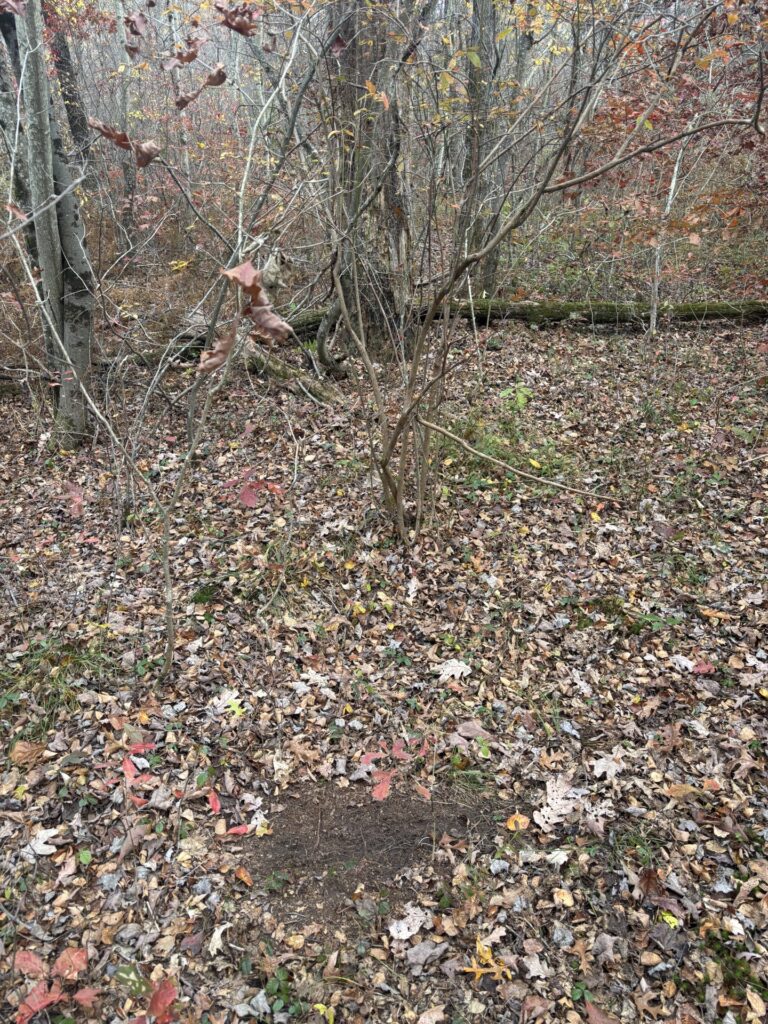
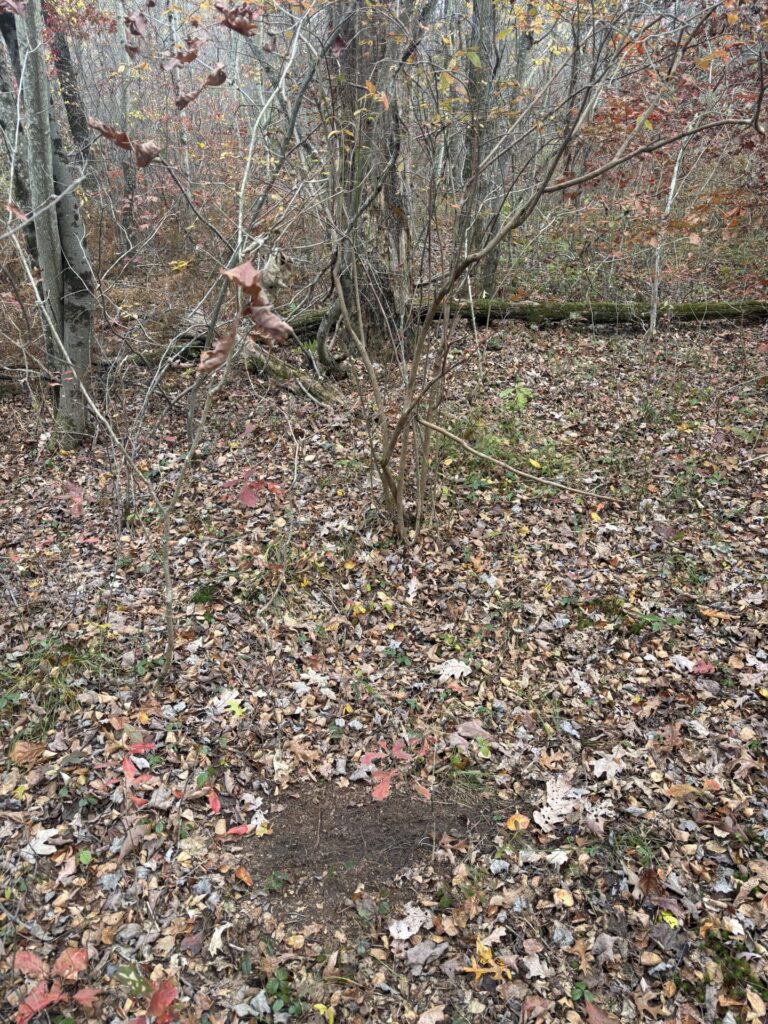
During the late summer of this year, I began the usual process of learning a new section of public land on a ridge top closer to home – walking the terrain, looking for signs, and hanging cameras. As summer transitioned to fall, I also spent time at many of my former haunts throughout the northern tier, monitoring conditions and thinking about a game plan for the upcoming seasons. In general, Pennsylvania is having a good mast year, and acorns are plentiful throughout many regions of the state. Scrapes and rubs are becoming more prevalent as bucks prepare for the impending rut, which peaks in Pennsylvania during mid-November. 

The 2025 season will be the first in a very long time that Pennsylvanians have had the opportunity to hunt on most Sundays throughout the fall, thanks to bipartisan legislation that repeals a long-standing ban on Sunday hunting. This legislation provides the PGC with full authority to decide which hunting seasons can include Sunday hunting. By permitting Sunday hunting, we now can extend our hunting opportunities and make hunting more accessible to those with limited time to spend afield. I am certainly looking forward to that opportunity. 

For hunters preparing this fall, it’s worth taking time to check the PGC’s latest guidance on CWD testing, carcass disposal, and best practices—even if your hunting area lies outside a Disease Management Area, talk with your local processor about their disposal methods or encourage hunting partners to get deer tested if they hunt within or near a DMA. Every step we take helps protect the deer herds that define our seasons. 

As hunters, we’ve always cared for the land and wildlife that sustain us. Learning about and adapting to CWD is just the next chapter in that long tradition of responsibility—one that ensures we can keep sharing these woods, and these memories, for generations to come. 

With the Pennsylvania deer seasons fast approaching, I look forward to spending time at deer camp with friends and family. Regardless of success, I am certain this fall will provide another round of memories and stories to tell. Check back in at the conclusion of the season – hopefully I’ll have some good news to report.  

Deer Season – Hunting and CWD.

This new TRCP series shares the personal deer hunting stories of three staff members while exploring the practices aimed at addressing the spread of chronic wasting disease. This season, we invite you to follow along and take part in preserving what we love most about deer hunting. 

As deer seasons open across the country, hunters are packing gear, checking maps, and preparing for the moments that define another fall outdoors. But today’s deer hunters face new challenges – chief among them, the spread of Chronic Wasting Disease (CWD), a 100-percent fatal neurodegenerative wildlife disease that affects members of the deer family. While more and more hunters are finding CWD in their backyards, it remains a source of confusion for many.  

From pre-season prep and regulation changes to lessons learned in the woods and around deer camp, Deer Season – Hunting and CWD will show how everyday hunters are part of the solution. Along the way, you’ll find tips, resources, and reflections that tie together our love of the hunt with our shared responsibility to keep deer herds healthy for future generations. 

Learn more about Chronic Wasting Disease here.

by:

posted in: CWD

October 23, 2025

Introducing TRCP’s New Series: Deer Season – Hunting and CWD 

This new TRCP series shares the personal deer hunting stories of three staff members while exploring the practices aimed at addressing the spread of chronic wasting disease. 

This year marks my 24th year as a deer hunter, and almost all that hunting has taken place within 20 miles of where I’m sitting right now. I suppose I could call it 25 years, but I wasn’t old enough to carry a rifle the first time I got to go along. Back then we had a real deer camp. Dave and Arlene, my great uncle and aunt, had a piece of property a little ways east of here, in the part of western Minnesota that starts to look like the swamps and woods further east.  

There were probably 6-10 hunters on any given day. We’d head for our stands before first light and sit until Uncle Dave got restless, which usually didn’t take more than a few hours, and then we’d get together and plan the midday deer drive. Generally, those who still had tags to fill would sit on stumps, buckets, or box stands on likely escape routes. Everybody else, including the “husky” 11-year-old I was at the time, formed a line and drove the tamarack and cattail swamps toward the posted hunters.  

I still have a clear memory of that first drive. Watching my Dad duct tape the tops of his rubber boots to his jeans, I wondered if I might be in over my head. Turns out I just about was. It was mid-November in Minnesota, and the swamps were frozen, but the ice was only about a half inch thick. Most steps I’d break through, but I was determined to keep up my place on the line. Eventually I figured out I could hop from root to root on the tamaracks and make pretty good progress.  

My strategy fell apart when the forested swamp faded into an open cattail slough. The cattails were taller than I was, so I couldn’t see the rest of the drivers, but I could hear the steady whoops and whistles we used to keep track of each other. About the time I thought I couldn’t break cattails for another step, I stumbled into a beaver run going exactly the direction I was heading. I was soaked to the knee already, so walking in the water was no problem, and I silently praised my genius as a navigator. 

That is, until about 50 yards later when the foot deep beaver trail dropped off to four feet and left me standing neck deep in icy water. I’ll never forget the laughter and pride in Uncle Dave’s eyes when he saw me pop out of the swamp at the end of that drive, exhausted, soaked, grinning, and a newly minted lifelong deer hunter. 

I’d bet that every deer hunter reading this has a similar story, and probably several. Deer hunting creates community, it teaches life lessons, it fosters a connection to nature, and it feeds families.  

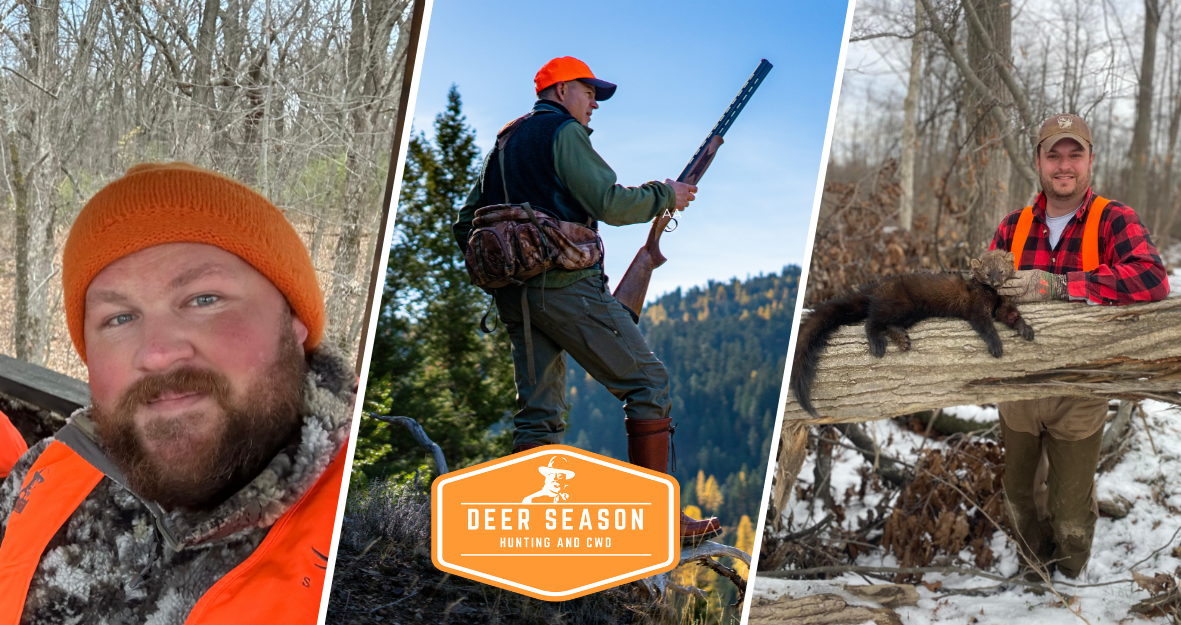
That’s why this fall, the Theodore Roosevelt Conservation Partnership is launching a new blog series, Deer Season: Hunting and CWD. Through the eyes of three TRCP staff members: Ryan Chapin in Montana, Aaron Field in Minnesota, and Jim Kauffman in Pennsylvania, we’ll share personal stories from the field and explore what hunters can do to help slow the spread of CWD

Deer Season – Hunting and CWD

As deer seasons open across the country, hunters are packing gear, checking maps, and preparing for the moments that define another fall outdoors. But today’s deer hunters face new challenges – chief among them, the spread of Chronic Wasting Disease (CWD), a 100-percent fatal neurodegenerative wildlife disease that affects members of the deer family. While more and more hunters are finding CWD in their backyards, it remains a source of confusion for many.  

From pre-season prep and regulation changes to lessons learned in the woods and around deer camp, these stories will show how everyday hunters are part of the solution. Along the way, you’ll find tips, resources, and reflections that tie together our love of the hunt with our shared responsibility to keep deer herds healthy for future generations. 

As Theodore Roosevelt once said, “In a civilized and cultivated country, wild animals only continue to exist at all when preserved by sportsmen.” This season, we invite you to follow along and take part in preserving what we love most about deer hunting. 

Learn more about Chronic Wasting Disease here.
HOW YOU CAN HELP

TRCP has partnered with Afuera Coffee Co. to further our commitment to conservation. $4 from each bag is donated to the TRCP, to help continue our efforts of safeguarding critical habitats, productive hunting grounds, and favorite fishing holes for future generations.

Learn More
Subscribe


You have Successfully Subscribed!

You have Successfully Subscribed!

You have Successfully Subscribed!

You have Successfully Subscribed!

You have Successfully Subscribed!