Our Issues
Public Lands
Why It Matters

Hunting & Fishing Access

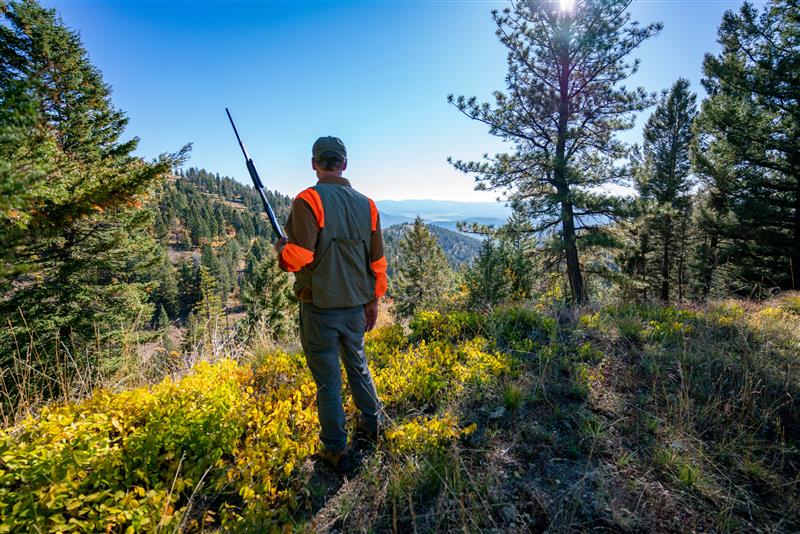
America’s 640 million acres of national public lands provide irreplaceable hunting and fishing opportunities to millions of Americans.

Learn More About Access
What TRCP is Doing

We’re working to safeguard America’s public lands so hunters and anglers always have quality places to pursue their passions.
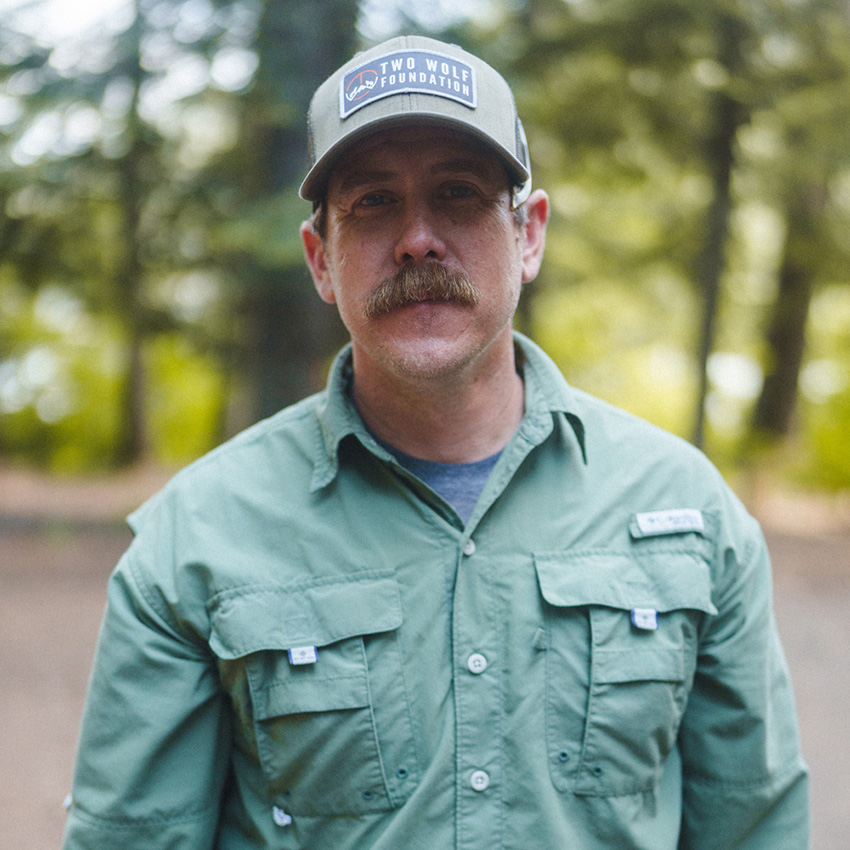
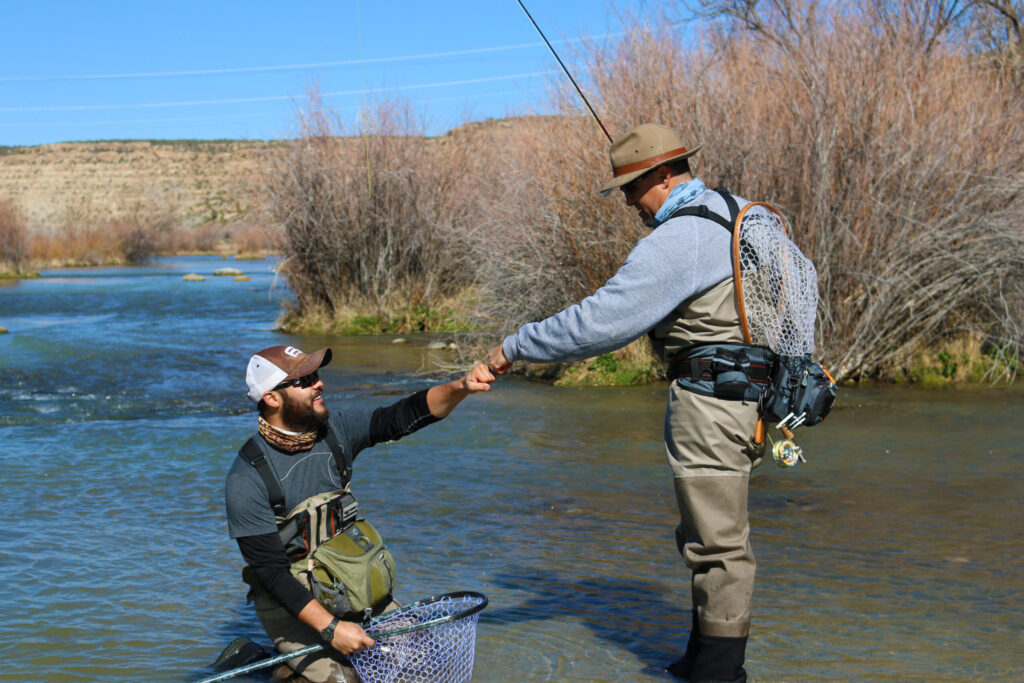
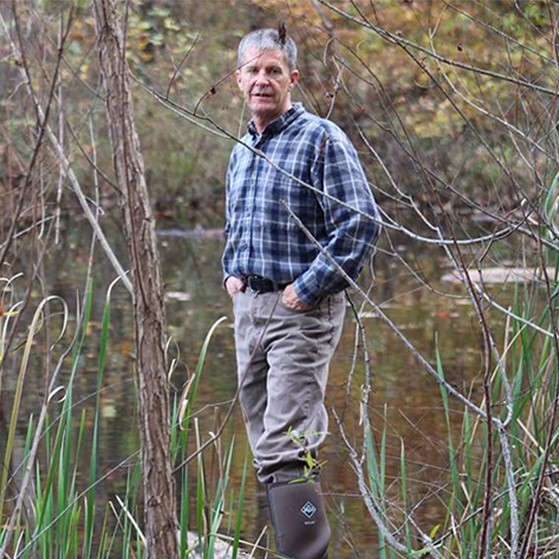
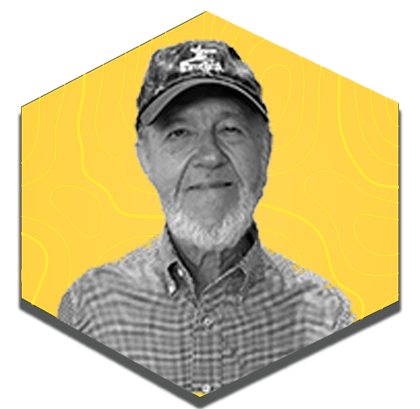
 Brian Flynn, Two Wolf Foundation
How Sportsmen Are Doing It Right

Brian Flynn, Two Wolf Foundation's Story

Following a distinguished career in the U.S. Army, lifelong outdoorsman Brian Flynn returned home from a deployment in Afghanistan and…

Hunting
Why It Matters

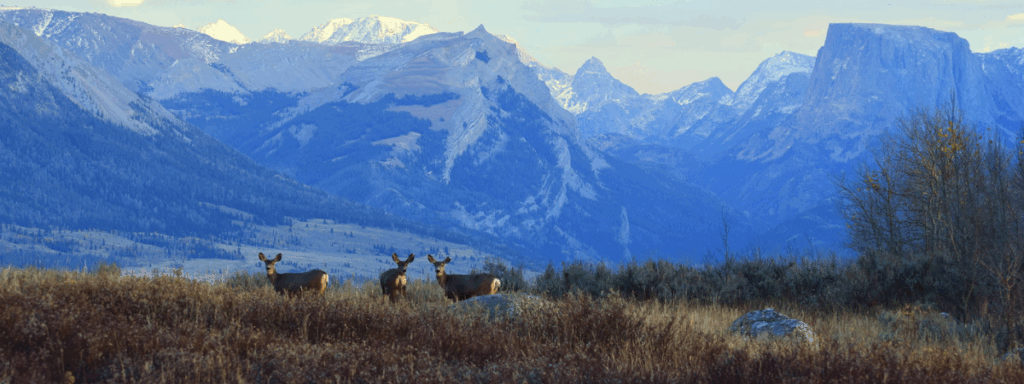
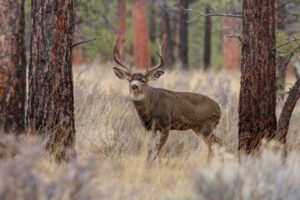
Key Issues for America’s Hunters

Your source for the latest policy updates, conservation challenges, and opportunities shaping America’s hunting traditions.

What TRCP is Doing

We’re fighting for meaningful policy changes that benefit wildlife, our waters, and the American landscapes that make our outdoor traditions possible.

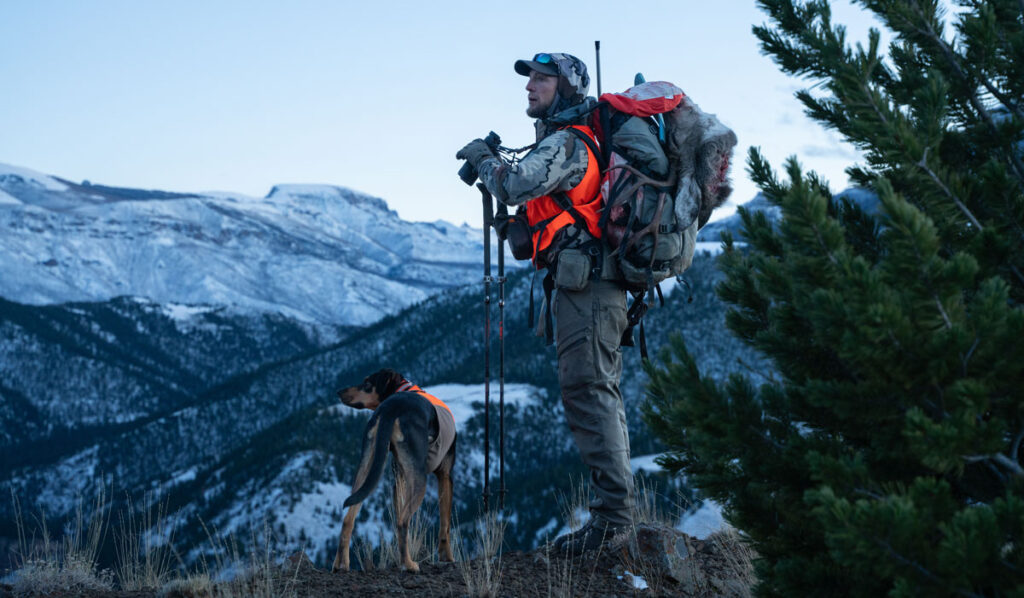
 Ryan Sparks
How Sportsmen Are Doing It Right

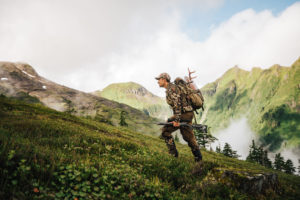
Ryan Sparks's Story

TRCP’s “In the Arena” series highlights the individual voices of hunters and anglers who, as Theodore Roosevelt so famously said,…
Fishing
Why It Matters

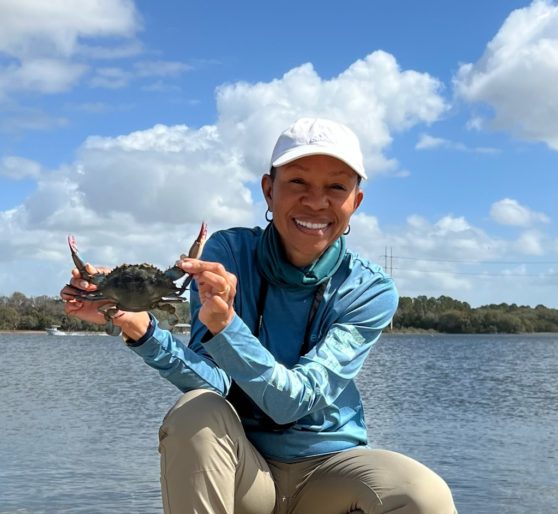
Key Issues for America’s Anglers

Your source for the latest policy updates, conservation challenges, and opportunities shaping America’s fishing traditions.

What TRCP is Doing

We’re fighting for meaningful policy changes that benefit wildlife, our waters, and the American landscapes that make our outdoor traditions possible.

 David Mangum
How Sportsmen Are Doing It Right

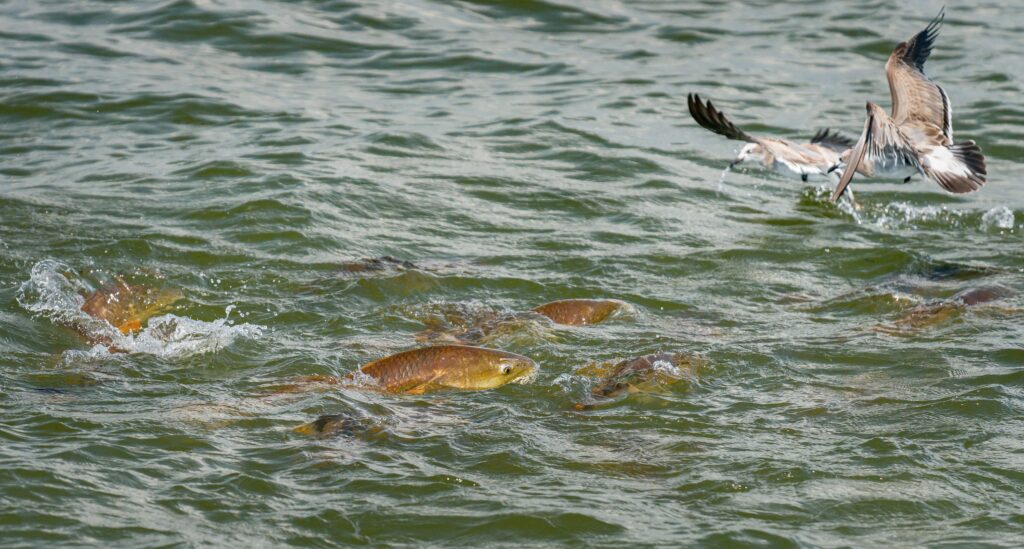
David Mangum's Story

Capt. David Mangum is a YETI ambassador and outdoor photographer who utilizes his talents to produce media that inspire a…

Private Land
Why It Matters

Stewardship on America’s private lands

With 70 percent of U.S. lands in private hands and many of our best hunt and fish opportunities occurring there, investing in voluntary conservation on working lands safeguards access, strengthens habitat and water quality, and ensures resilient landscapes.

Learn More
What TRCP is Doing

We champion policies and programs that restore wildlife habitat, improve soil and water health, and keep working lands productive.

 Ward Burton
How Sportsmen are Doing It Right

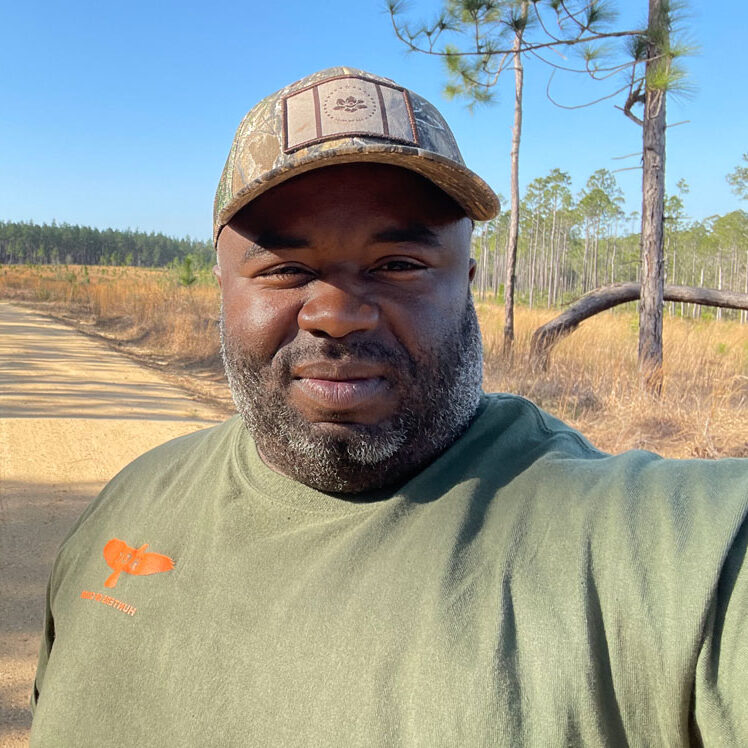
Ward Burton's Story

Ward Burton’s NASCAR driving career stretched across most of two decades. As an avid sportsman and conservationist, he founded the…

Special Places
Why It Matters

Special Places Worth Protecting

America’s most iconic landscapes provide unmatched habitat and unforgettable days afield. These places sustain wildlife, anchor local economies, and define the hunting and fishing traditions we pass down.

What TRCP is Doing

We’re working to conserve special places that provide world-class habitat and unforgettable opportunities for hunters and anglers.

 Franklin Adams
How Sportsmen Are Doing It Right

Franklin Adams's Story

As a true Gladesman, conservationist, and historian, Capt. Franklin Adams has spent more than six decades championing Everglades restoration efforts…

Habitat & Clean Water
Why It Matters

Healthy Habitat Powers Every Pursuit

All hunting and fishing opportunities depend on quality habitat, from clean water and healthy wetlands to winter and summer habitats and the migration corridors that connect them.

All About Habitat & Clean Water
What TRCP is Doing

We are working to safeguard the habitats that power every hunting and fishing opportunity.

 Alex Harvey
How Sportsmen Are Doing It Right

Alex Harvey's Story

Alex Harvey, founder of Legacy Land Management, is a registered professional forester in Mississippi and Alabama with a Master's degree…

Science
Why It Matters

Science That Guides TRCP

From conserving migration corridors and wetlands to ensuring clean water and resilient landscapes, science provides evidence that turns conservation goals into effective action.

Science for Conservation
What TRCP is Doing

For hunters and anglers, science safeguards the experiences we treasure including resilient big game populations, abundant fish, and wild places that endure changing social landscapes.

Jamelle Ellis
Your Science Expert

Jamelle Ellis's Story

Jamelle Ellis joined the Theodore Roosevelt Conservation Partnership in 2022. Jamelle spent the last three years as an environmental sustainability…

Where We Work
Across the Nation

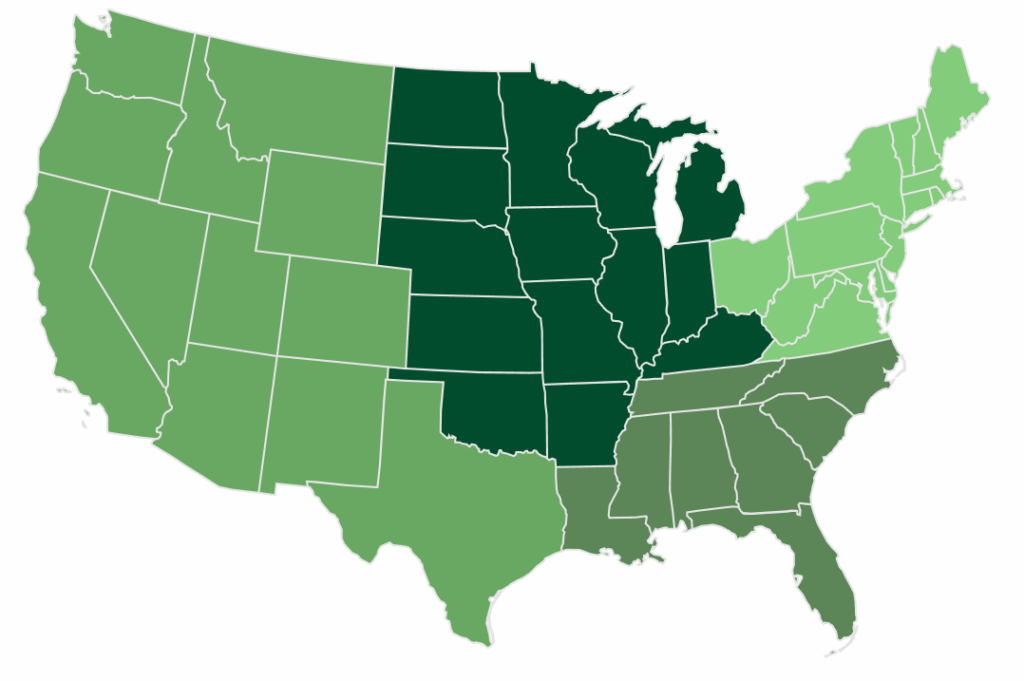
Conservation Across America

TRCP works across the country to ensure hunters and anglers can enjoy healthy fish and wildlife and quality days afield, no matter where they live.

See All Issues
TRCP in Your Region

TRCP works across the country to ensure hunters and anglers can enjoy healthy fish and wildlife and quality days afield, no matter where they live.

Who We Are
Our Mission

To guarantee all Americans quality places to hunt & fish

We unite and amplify our partners’ voices to advance America’s legacy of conservation, habitat, and access.

Our Mission & Values
Our People & Partners
  • Meet the TRCP Team

    Our staff and board members unite and amplify our partners’ voices to advance America’s legacy of conservation, habitat, and access.

    Meet the Team
  • Our Partners

    ‘Partnership’ is in our name. We work with 64 diverse partner groups that represent today’s leading hunting, fishing, and conservation organizations in order to strengthen the sportsman’s voice in Washington, D.C.

    Our Partners
  • Corporate Council

    TRCP’s Corporate Council is made up of diverse corporations that share a common passion for conservation.

    Corporate Council
Our Organization

Looking for more information?

Explore our latest news, policy updates, and conservation resources to get the information you need.

Giving
How You Can Help

To guarantee all Americans quality places to hunt & fish

Your tax-deductible donation will support TRCP's mission, now and into the future.

DONATE
Special Ways to support trcp
  • Capital Conservation Awards Dinner

    The CCAD is one of Washington's best-attended conservation celebrations, featuring dinner, cocktails, and a silent auction.

    Learn More
  • Step Into the Arena

    Help us ensure that our treasured wild habitats and game remain intact for the next generation to enjoy – lend your support to the TRCP’s efforts today!

    Donate
  • Roosevelt Roast

    TRCP has partnered with Afuera Coffee Co. to further our commitment to conservation.

    Learn More
More donation options

Find the best way for you to lend your support. Join one of TRCP’s donor circles for special invitations, premium offerings from outdoor retailers, and more exclusive benefits. Take control of your legacy with planned giving or contribute to special conservation funds.

Other Ways To Give
News
In the Spotlight

TRCP Appreciates Make America Beautiful Again 250 Strategy and Migration Announcements

Efforts will continue progress on habitat, access, and big game migration corridor conservation

Read More

Stay Informed

Receive our newsletter, the Roosevelt Report, right in your inbox. Never miss the latest news in conservation issues.

by:

posted in: Highlights

July 1, 2020

What it Means to “Wake the Woods”

Take up our rallying cry for sportsmen and women who step up and speak out about the things that matter most

If you’ve ever set up on a turkey roost in pitch darkness or stalked into a remote treestand before daylight, you’ve felt it: The woods coming alive with the first hopeful rays of sun and your own awareness starting to prickle.

It happens on the water, too—all is calm as your lure drifts, and suddenly there’s the faintest nudge, a slight tension, and you’re compelled to react. Or you’re scanning the open ocean, bobbing along peacefully, until you spot dozens of gulls diving at fish and you kick your engine into high gear.

The time we spend in the outdoors is split between contemplative, watchful moments and decisive periods of action—and it’s this second part that is the spirit of the TRCP’s #WakeTheWoods movement. Because there are times when it pays to be silent and stealthy, but when it comes to conservation, there are some things worth making noise about. We have to act, as sure as we do when we set the hook or squeeze the trigger.

Today, being an advocate for habitat, clean water, sportsmen’s access, and the outdoor recreation economy means doing more, digging in further, and speaking our minds. No one is going to come find you on the sidelines and ask for your perspective on conservation funding or how to combat chronic wasting disease and mismanagement of public lands.

Having seen what you’ve seen in the outdoors—closer to our lands, waters, and wildlife than many Americans ever hope to be—who could say it better than you?

Photo by Tim Lumley.

Sure, we all have busy lives. That’s why we choose to slow down and seek out the natural world the same way that hunters and anglers have been doing for generations. If you can take the time to watch the forest wake up, to wait for a long-legged critter to step into shooting range, or perhaps to attempt that drift for the 25th time… you can take the time to make sure the future of these traditions is secure.

That’s why TRCP makes communicating with key decision-makers far easier than calling in a gobbler or trading bugles with a ghost of a bull elk. On our website, sending a meaningful targeted message about a legislative priority that could affect habitat, access, or funding probably takes less time and fewer steps than renewing your hunting or fishing license.

And, while we take conservation very seriously, we tell you how legislative and public processes work in language that you can understand.

We hope you’ll trust that you can get the facts from us, but we are asking sportsmen and women to band together, whether you are a TRCP member or not. Because we know you’re not content to sit idly by. We know you have something to say. We know that, united, we can spark change and an awakening in the dimmest corners of our policymaking system. After all, as Theodore Roosevelt said, “The wildlife and its habitat cannot speak, so we must and we will.” Let’s get loud about the things that matter most.

That’s what it means to #WakeTheWoods.

Top photo by Neal Wellons via flickr. This was originally posted June 18, 2019 and has been updated.

One Response to “What it Means to “Wake the Woods””

  1. I love the video, it’s well suited to today’s atmosphere and it’s in line the movement in the industry of a more mindful and thoughtful portrayal or the outdoor lifestyle. The movement seems to have begun with Donnie Vincent, whom I hold in the highest regard, and I’m glad more organizations are moving towards this sort of mindful message. It’s so difficult to explain why we do what we do to people who have never experienced “waking the woods”. Thank you for what you’re doing.

Do you have any thoughts on this post?

XHTML: You can use these tags: <a href="" title=""> <abbr title=""> <acronym title=""> <b> <blockquote cite=""> <cite> <code> <del datetime=""> <em> <i> <q cite=""> <s> <strike> <strong>

Comments must be under 1000 characters.

by:

posted in: Highlights

What it Means to “Wake the Woods”

Take up our rallying cry for sportsmen and women who step up and speak out about the things that matter most

If you’ve ever set up on a turkey roost in pitch darkness or stalked into a remote treestand before daylight, you’ve felt it: The woods coming alive with the first hopeful rays of sun and your own awareness starting to prickle.

It happens on the water, too—all is calm as your lure drifts, and suddenly there’s the faintest nudge, a slight tension, and you’re compelled to react. Or you’re scanning the open ocean, bobbing along peacefully, until you spot dozens of gulls diving at fish and you kick your engine into high gear.

The time we spend in the outdoors is split between contemplative, watchful moments and decisive periods of action—and it’s this second part that is the spirit of the TRCP’s #WakeTheWoods movement. Because there are times when it pays to be silent and stealthy, but when it comes to conservation, there are some things worth making noise about. We have to act, as sure as we do when we set the hook or squeeze the trigger.

Today, being an advocate for habitat, clean water, sportsmen’s access, and the outdoor recreation economy means doing more, digging in further, and speaking our minds. No one is going to come find you on the sidelines and ask for your perspective on conservation funding or how to combat chronic wasting disease and mismanagement of public lands.

Having seen what you’ve seen in the outdoors—closer to our lands, waters, and wildlife than many Americans ever hope to be—who could say it better than you?

Photo by Tim Lumley.

Sure, we all have busy lives. That’s why we choose to slow down and seek out the natural world the same way that hunters and anglers have been doing for generations. If you can take the time to watch the forest wake up, to wait for a long-legged critter to step into shooting range, or perhaps to attempt that drift for the 25th time… you can take the time to make sure the future of these traditions is secure.

That’s why TRCP makes communicating with key decision-makers far easier than calling in a gobbler or trading bugles with a ghost of a bull elk. On our website, sending a meaningful targeted message about a legislative priority that could affect habitat, access, or funding probably takes less time and fewer steps than renewing your hunting or fishing license.

And, while we take conservation very seriously, we tell you how legislative and public processes work in language that you can understand.

We hope you’ll trust that you can get the facts from us, but we are asking sportsmen and women to band together, whether you are a TRCP member or not. Because we know you’re not content to sit idly by. We know you have something to say. We know that, united, we can spark change and an awakening in the dimmest corners of our policymaking system. After all, as Theodore Roosevelt said, “The wildlife and its habitat cannot speak, so we must and we will.” Let’s get loud about the things that matter most.

That’s what it means to #WakeTheWoods.

Top photo by Neal Wellons via flickr. This was originally posted June 18, 2019 and has been updated.

by:

posted in: Highlights

June 25, 2020

TRCP’s Top Priorities in 2020 and Beyond

Looking ahead at the most pressing policy needs for habitat, access, and the outdoor recreation economy

Push Congress to Put Americans Back to Work Through Conservation

Secure conservation priorities that also support jobs in future COVID-19 economic recovery bills. This includes programs that fund and facilitate improvements to habitat, access, and outdoor recreation infrastructure.

Coordinate with Partners on Climate Change Legislation

Build a coalition and lead the sportsmen’s community on a comprehensive climate change strategy. Influence policy to help build resiliency in coastal and forest habitats, agricultural practices, and water systems.

Advance the MAPLand Act

The data at our fingertips on smartphones and GPS units means nothing if it’s incomplete. This legislation promises to modernize public land records so you don’t miss out on hunting or fishing opportunities that are only marked on a paper map in the back of some dusty filing cabinet.

Ensure Proper Implementation of the Farm Bill

In 2018, we celebrated passage of the five-year bill with increased funding for conservation. Now we must push the administration to deliver on all of the bill’s promises for better habitat, access, and soil health.

Increase Investments in the Fight Against Chronic Wasting Disease

State wildlife agencies that have been scrambling to combat this fatal disease in wild deer, elk, and moose herds need meaningful federal support. The TRCP will continue to push for these resources.

Address Maintenance Backlog on Federal Public Lands

Advance legislation—some that’s already in play—with dedicated funding for deferred maintenance projects that undermine Americans’ experiences on public lands. Keep advocating for robust funding of public land agencies so this backlog does not grow.

UPDATE: President Trump signed the Great American Outdoors Act on August 4, 2020. It invests $9.5 billion over the next five years to address the maintenance backlog on federal public lands.

Spur Policies That Conserve Migration Corridors and Fund Wildlife Crossings

Build on recent successes to codify conservation policies for previously overlooked seasonal habitats, like big game migration routes and summer and winter ranges. Secure new funding streams for wildlife-friendly highway overpasses and underpasses, which connect fragmented habitats and keep animals off roads.

Mobilize Sportsmen and Women to Take Action for Conservation

Continue the TRCP’s grassroots work to engage hunters and anglers in advocacy and the public process of managing public lands. Educate our audience on what’s at stake, offer meaningful opportunities for them to communicate with decision-makers, and amplify their voices to effect policy change.


Top photo by Tim Donovan at Florida Fish and Wildlife Conservation Commission.

by:

posted in: Highlights

June 9, 2020

How Far Fish Habitat Has Come in the Ten Years Since the Gulf Oil Spill

The Deepwater Horizon oil spill was ten years ago, and Louisiana’s coastal habitat is being rebuilt to flourish even better than before. In fact, lands that experts predicted would have vanished by now are supporting fish, wildlife, and outdoor recreation spending.

A decade ago, bulldozers, excavators, and hard-hat-donning work crews were removing millions of pounds of sand and vegetation coated in thick, tarry oil from Louisiana’s beaches and barrier islands after the Deepwater Horizon oil disaster.

The heavy equipment and hard hats have returned to our coast, but now it’s in an effort to restore damaged fish and wildlife habitat using fines paid by BP and others responsible for the spill. This year alone, the Louisiana Coastal Protection and Restoration Authority—in conjunction with federal partners at the U.S. Fish and Wildlife Service and the National Marine Fisheries Service—will begin, continue, or conclude restoration projects representing an investment of more than $250 million in Deepwater Horizon penalties.

Photo by NRCS.

Thirteen barrier islands and headland beaches line the Louisiana coast from Venice to the Barataria, Timbalier, and Terrebonne Basins. All of them have either been restored in the 10 years since the oil stopped spewing or will be restored in the next 10 years. In addition, some smaller islands beyond these areas—which are also critical habitat for fish, brown pelicans, and other coastal birds—have been restored.

Louisiana’s barrier islands and beaches are all remnant headlands of the ever-shifting Mississippi River Delta and the first line of defense against hurricanes and violent winter storms that batter the northern Gulf. Without barrier islands to break up the waves and dampen storm surges, the vulnerable wetlands and nursery grounds north of the islands would crumble and coastal communities would become even more exposed to the full fury of the Gulf of Mexico.

Of course, this is also extremely important habitat for the Gulf’s most popular sportfish, like speckled trout, redfish, and Spanish mackerel. If the surf is light, these beaches and islands are lined with boats and surf anglers tossing topwaters, live shrimp, and a variety of plastic plugs and swimbaits. On most summer days, the line of boats along popular Elmer’s Island and Timbalier Island stretches from horizon to horizon.

The dynamic nature of Louisiana’s coastline and the lack of sediment input from the Mississippi River has shortened the lifespan of many of these critical islands, especially since the river was extensively levied in the late 19th and early 20th century. Without investments of oil spill penalties and funds from state-federal partnership programs, some islands would be little more than subsurface sandbars today.

“In the early 80s, the islands in Terrebonne Parish were losing land at a tremendous rate and the prediction then was that all of those islands would be gone by 2015,” says Bren Haase, executive director of Louisiana’s Coastal Protection and Restoration Authority. “However, there have been a host of restoration efforts made throughout the area that have kept those islands largely intact and the land area has stayed roughly constant over the last 30 years.”

Photo by CWPPRA.

Three of the beach and island projects currently underway are designed to keep the Terrebonne Basin intact for the next 20 years or more and provide protection for infrastructure and the fishing camps, marinas, and bait shops in small but important towns like Port Fourchon, Leeville, Cocodrie, and Dulac.

Approximately 9.2 million cubic yards of sand will be dredged from a massive ancient Mississippi River delta in about 30 feet of water off Terrebonne Parish. The sand will be barged to the beaches and then shaped with earth-moving equipment before being planted with native grasses to help hold it in place.

In all, approximately $167 million in fines from the National Fish and Wildlife Foundation’s Gulf Environmental Benefit Fund is being spent to revive and extend the life of the West Belle Pass headland, Timbalier Island, and Trinity Island. The GEBF was the first fund established with oil spill penalties and dedicated $2.4 billion Gulf-wide to projects that restore fish and wildlife habitat damaged by Deepwater Horizon.

Haase, who has worked on coastal habitat restoration and hurricane protection efforts in Louisiana for more than 20 years, says the oil spill fines have allowed the CPRA and federal partners to expedite project construction, while dramatically increasing the size and scope of island and beach restoration projects.

Restoration efforts that once consisted of projects costing $15-million to $30-million and taken on piecemeal have grown into massive $100-million projects that can rebuild hundreds of miles of beach, dune, and tidal marsh all at once.

“Over the last decade we’ve taken a more system-wide approach to barrier island restoration,” says Haase. “Rather than build one project here and there, in our analysis, we saw that there were weaknesses in certain areas of islands and headlands that we could address that would prevent breaches and help provide more protection to the habitats inside the barrier islands.”

The challenge was always to use the unprecedented fines and penalties paid by those responsible for the economic and environmental destruction and loss of life to make sure the mistakes of the past weren’t repeated—to make the Gulf a better place post-spill. Louisiana’s investment and the innovation developed in restoring its critical barrier islands, beaches, and marshes shows that our state has wholeheartedly embraced that responsibility.


This story first appeared as a guest blog for Fishing Tackle Retailer in honor of World Oceans Day. Top photo by Tim Donovan.

by:

posted in: Highlights

May 22, 2020

Add #ResponsibleRecreation to Your Facebook Profile Photo

A step-by-step on how to add our new #ResponsibleRecreation frame to your Facebook photo

On Desktop

1.Go to your personal profile homepage or follow this link.

2. Use your cursor to select the circular profile photo icon. A dropdown menu will appear with two options: “View Profile Picture” and “Update Profile Picture.” Select “Update Profile Picture.”

3. On the next interface, choose the “Add Frame” option located in the upper-right.

4. menu displaying popular default frames will appearUsing the search box at the top of your screen, search #ResponsibleRecreation TRCP. Select the TRCP #ResponsibleRecreation frame (example below.)

5. Reposition your profile picture within the frame and use the gray slider to adjust the sizeOnce you are satisfied with your layout, select the “Use as Profile Photo” option on the bottom right side of the box 

6. Congratulations! You have updated your Facebook profile with the #ResponsibleRecreation frame! 

On Mobile

1. Make sure your Facebook mobile app is up to date

2. Navigate to your profile homepage. 

3. Tap the circular profile picture icon. It should appear in the upper center of your device 

4. Select “Add Frame. A feed will appear with popular and suggested frames. Using the gray search bar, search #ResponsibleRecreation TRCP 

5. Select the TRCP branded #ResponsibleRecreation frame (example below.) Facebook will present you with a preview of your profile photo with the new frame. To edit or adjust your profile photouse the gray “Edit” button.  

6. Once you are satisfied with your layout, select “Save” in the upper righthand corner.

7. Congratulations! You have updated your Facebook profile with the #ResponsibleRecreation frame! 


Top photo by Chris Burkard

HOW YOU CAN HELP

TRCP has partnered with Afuera Coffee Co. to further our commitment to conservation. $4 from each bag is donated to the TRCP, to help continue our efforts of safeguarding critical habitats, productive hunting grounds, and favorite fishing holes for future generations.

Learn More
Subscribe


You have Successfully Subscribed!

You have Successfully Subscribed!

You have Successfully Subscribed!

You have Successfully Subscribed!

You have Successfully Subscribed!