Our Issues
Public Lands
Why It Matters

Hunting & Fishing Access

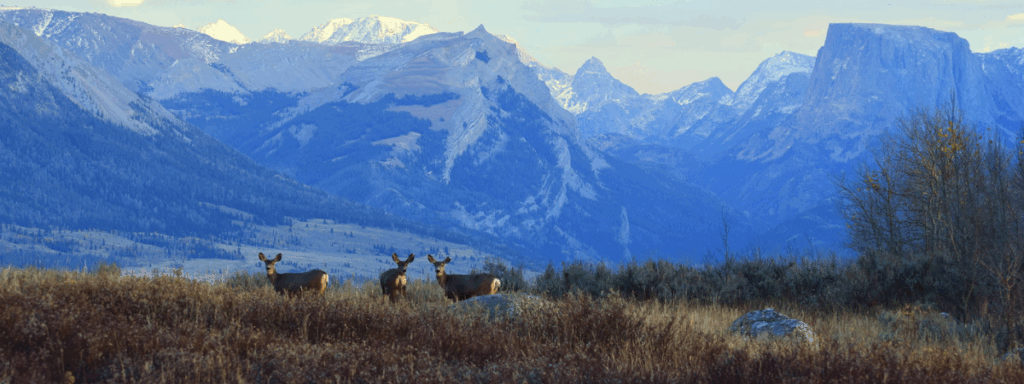
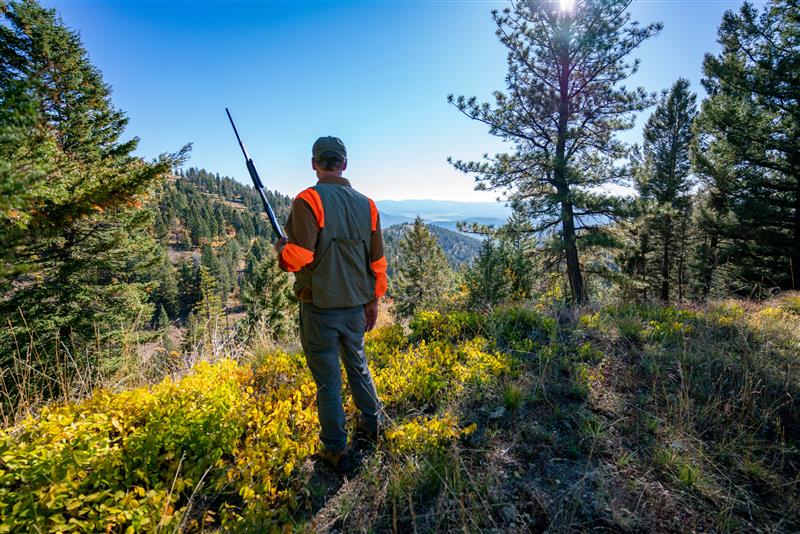
America’s 640 million acres of national public lands provide irreplaceable hunting and fishing opportunities to millions of Americans.

Learn More About Access
What TRCP is Doing

We’re working to safeguard America’s public lands so hunters and anglers always have quality places to pursue their passions.
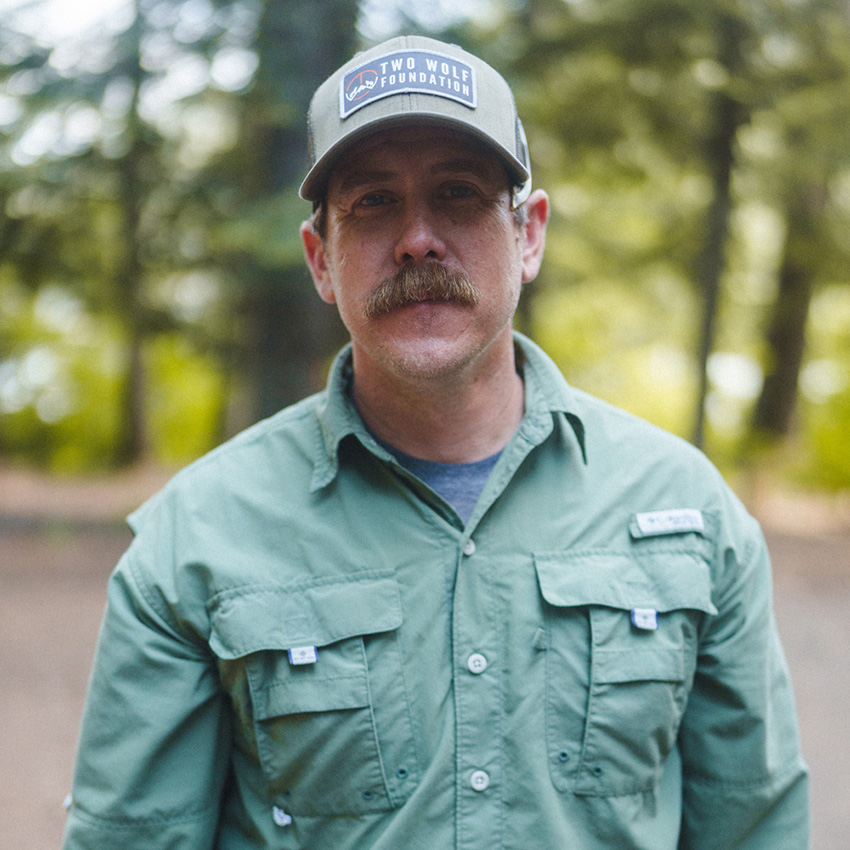
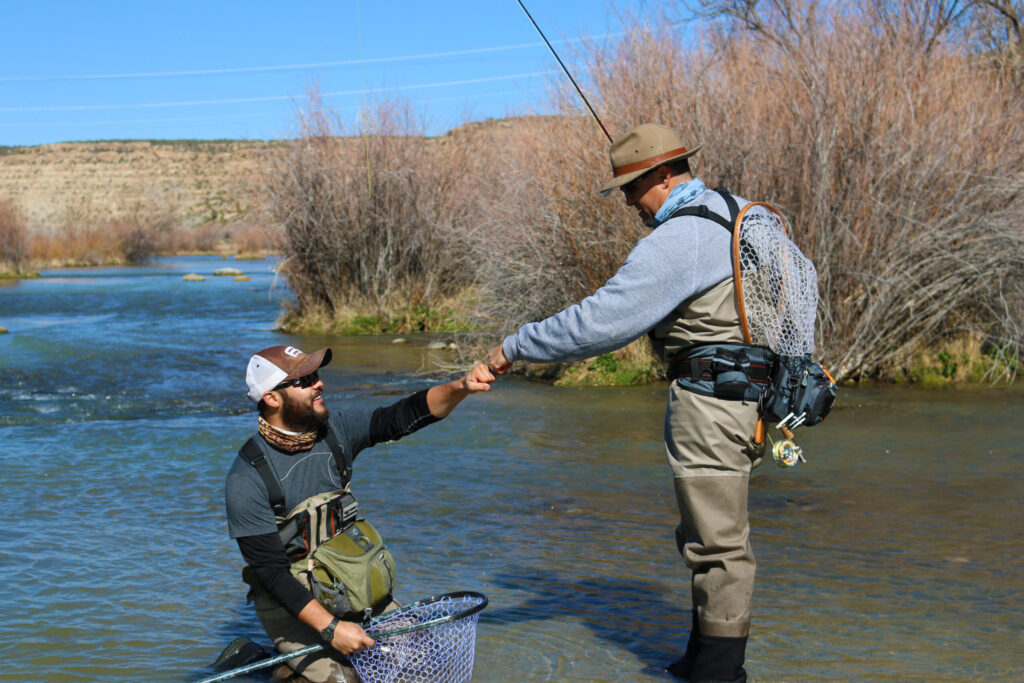
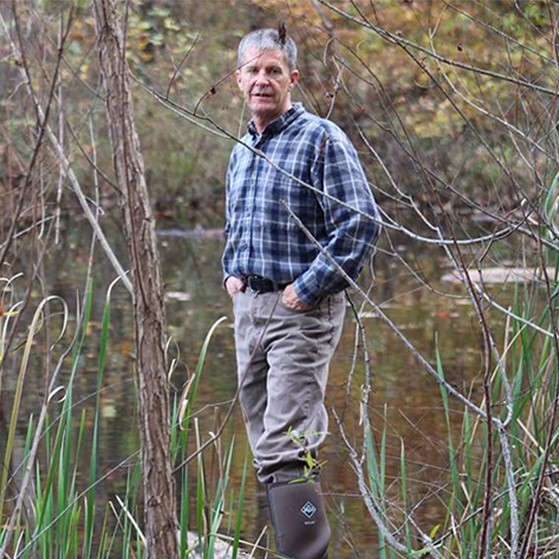
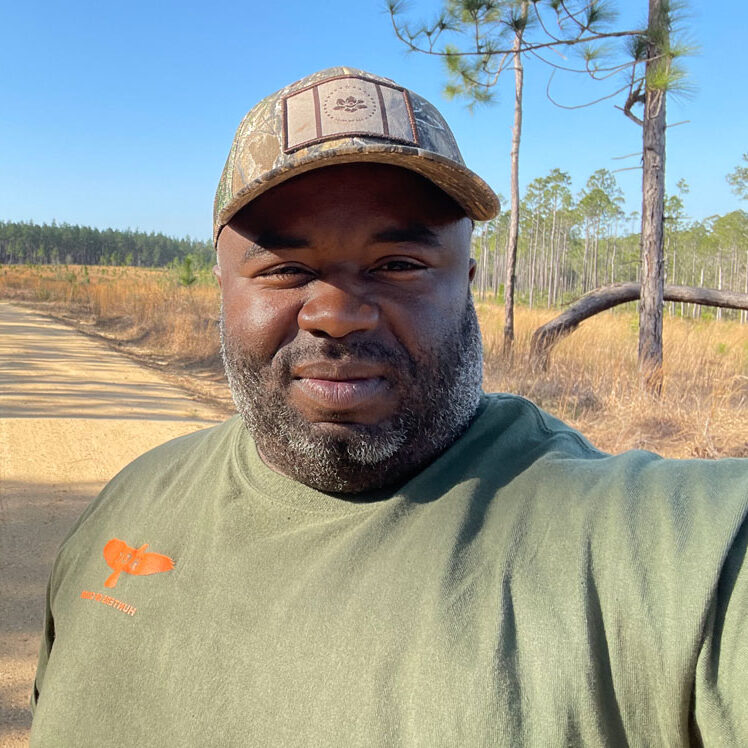
 Brian Flynn, Two Wolf Foundation
How Sportsmen Are Doing It Right

Brian Flynn, Two Wolf Foundation's Story

Following a distinguished career in the U.S. Army, lifelong outdoorsman Brian Flynn returned home from a deployment in Afghanistan and…


Hunting
Why It Matters

Key Issues for America’s Hunters

Your source for the latest policy updates, conservation challenges, and opportunities shaping America’s hunting traditions.

What TRCP is Doing

We’re fighting for meaningful policy changes that benefit wildlife, our waters, and the American landscapes that make our outdoor traditions possible.

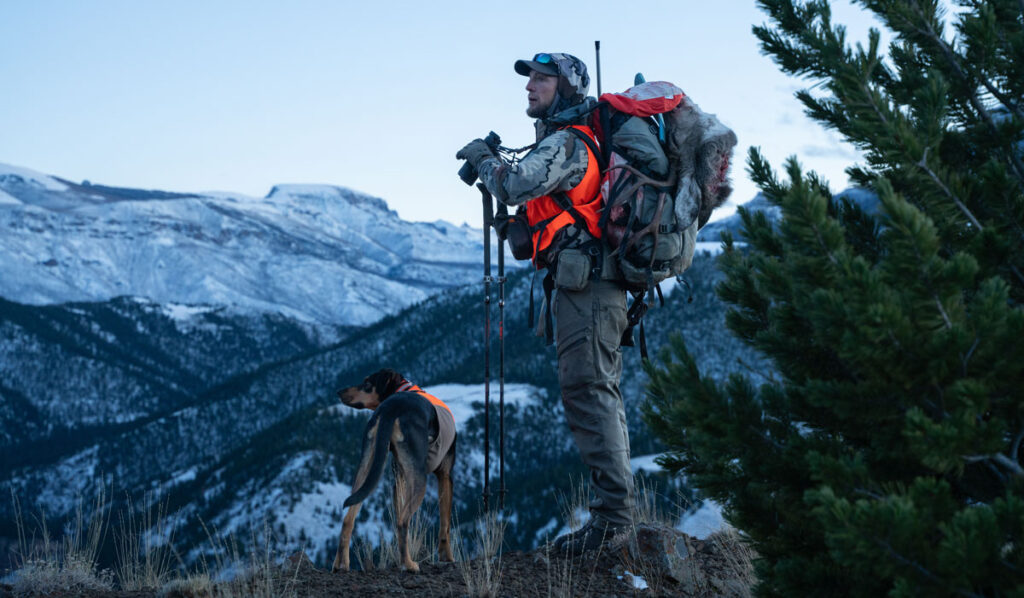
 Ryan Sparks
How Sportsmen Are Doing It Right

Ryan Sparks's Story

TRCP’s “In the Arena” series highlights the individual voices of hunters and anglers who, as Theodore Roosevelt so famously said,…
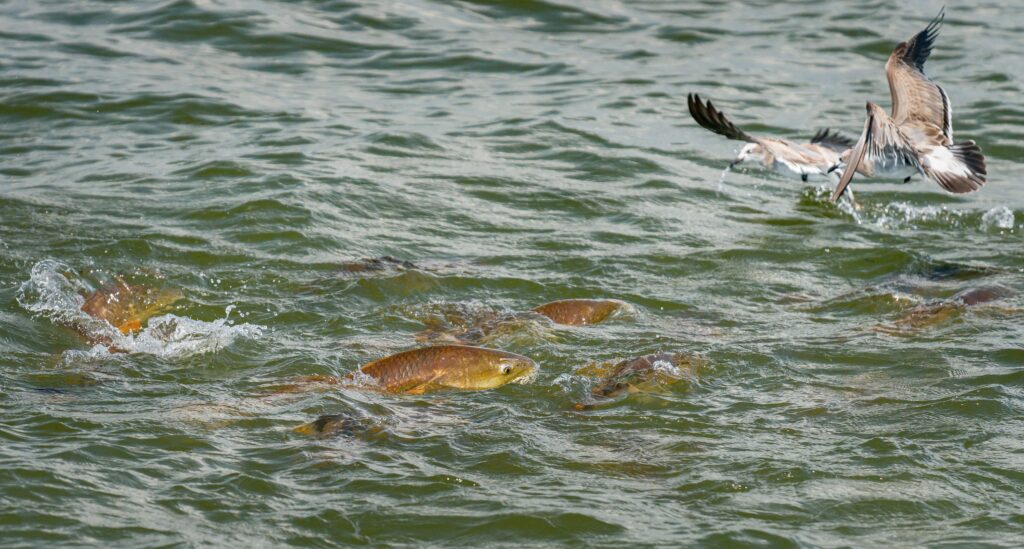
Fishing
Why It Matters

Key Issues for America’s Anglers

Your source for the latest policy updates, conservation challenges, and opportunities shaping America’s fishing traditions.

Sign Up For Forage Fish Updates
What TRCP is Doing

We’re fighting for meaningful policy changes that benefit wildlife, our waters, and the American landscapes that make our outdoor traditions possible.

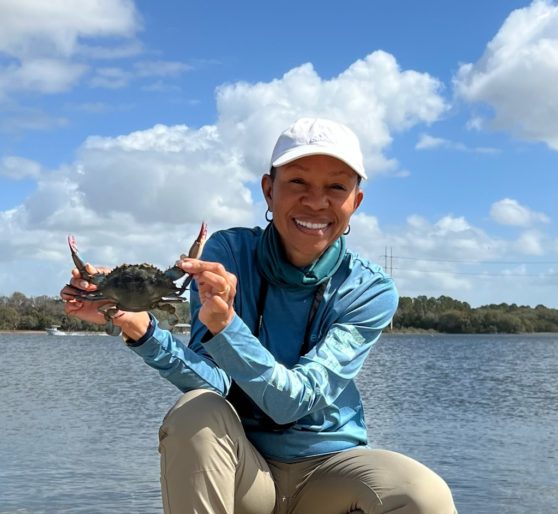
 David Mangum
How Sportsmen Are Doing It Right

David Mangum's Story

Capt. David Mangum is a YETI ambassador and outdoor photographer who utilizes his talents to produce media that inspire a…

Private Land
Why It Matters

Stewardship on America’s private lands

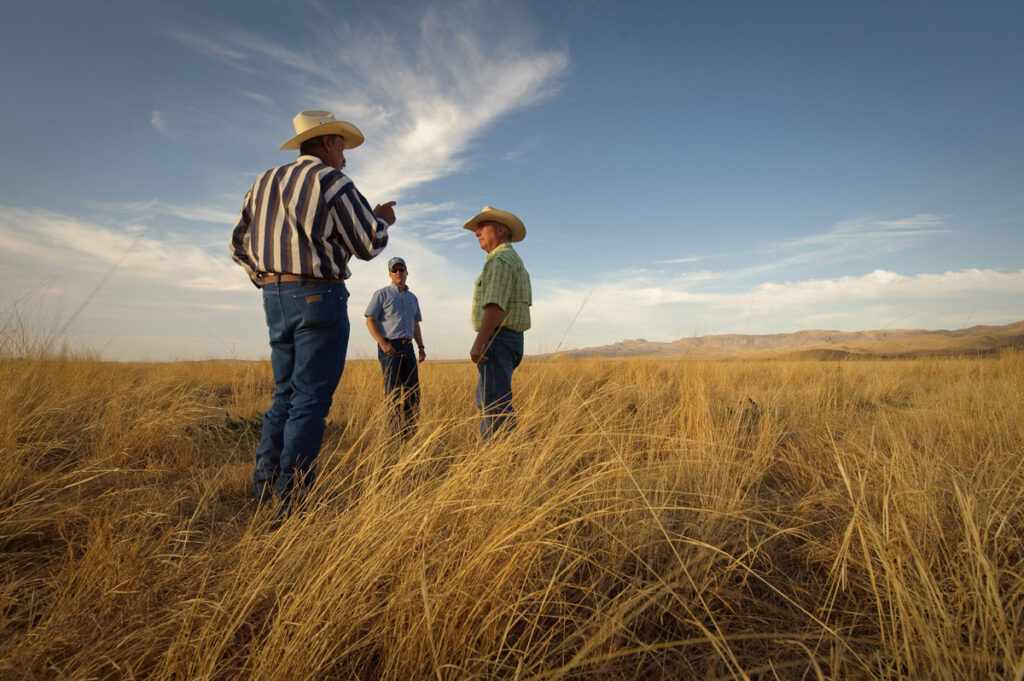
With 70 percent of U.S. lands in private hands and many of our best hunt and fish opportunities occurring there, investing in voluntary conservation on working lands safeguards access, strengthens habitat and water quality, and ensures resilient landscapes.

Take Action - Farm Bill 2026
What TRCP is Doing

We champion policies and programs that restore wildlife habitat, improve soil and water health, and keep working lands productive.

 Ward Burton
How Sportsmen are Doing It Right

Ward Burton's Story

Ward Burton’s NASCAR driving career stretched across most of two decades. As an avid sportsman and conservationist, he founded the…

Special Places
Why It Matters

Special Places Worth Protecting

America’s most iconic landscapes provide unmatched habitat and unforgettable days afield. These places sustain wildlife, anchor local economies, and define the hunting and fishing traditions we pass down.

What TRCP is Doing

We’re working to conserve special places that provide world-class habitat and unforgettable opportunities for hunters and anglers.

 Franklin Adams
How Sportsmen Are Doing It Right

Franklin Adams's Story

As a true Gladesman, conservationist, and historian, Capt. Franklin Adams has spent more than six decades championing Everglades restoration efforts…

Habitat & Clean Water
Why It Matters

Healthy Habitat Powers Every Pursuit

All hunting and fishing opportunities depend on quality habitat, from clean water and healthy wetlands to winter and summer habitats and the migration corridors that connect them.

All About Habitat & Clean Water
What TRCP is Doing

We are working to safeguard the habitats that power every hunting and fishing opportunity.

 Alex Harvey
How Sportsmen Are Doing It Right

Alex Harvey's Story

Alex Harvey, founder of Legacy Land Management, is a registered professional forester in Mississippi and Alabama with a Master's degree…

Science
Why It Matters

Science That Guides TRCP

From conserving migration corridors and wetlands to ensuring clean water and resilient landscapes, science provides evidence that turns conservation goals into effective action.

Science for Conservation
What TRCP is Doing

For hunters and anglers, science safeguards the experiences we treasure including resilient big game populations, abundant fish, and wild places that endure changing social landscapes.

Jamelle Ellis
Your Science Expert

Jamelle Ellis's Story

Jamelle Ellis joined the Theodore Roosevelt Conservation Partnership in 2022. Jamelle spent the last three years as an environmental sustainability…

Where We Work
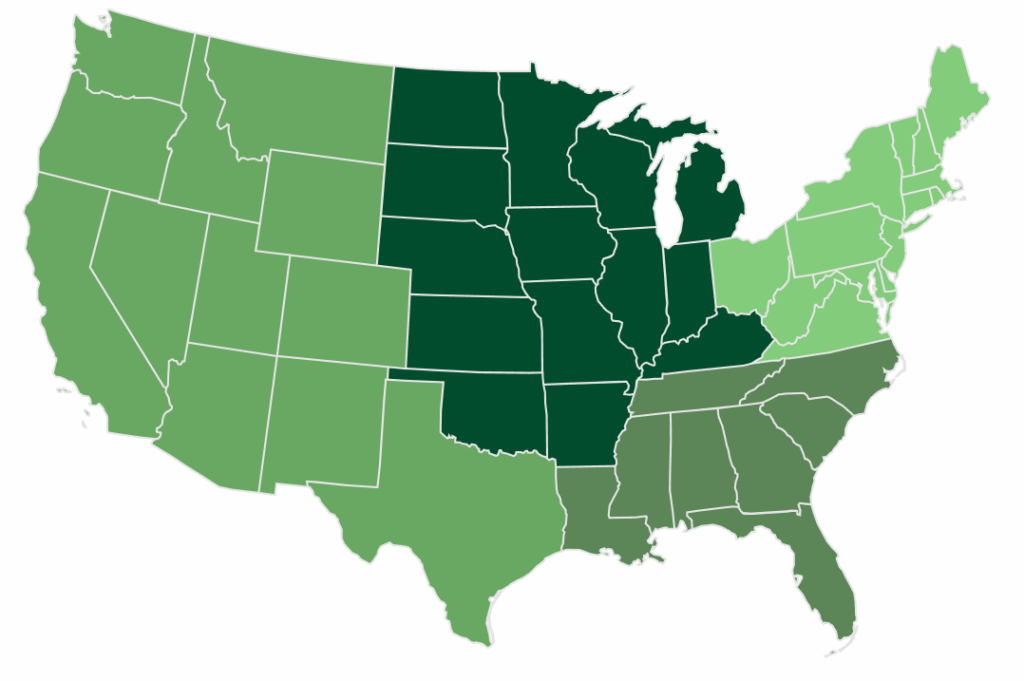
Across the Nation

Conservation Across America

TRCP works across the country to ensure hunters and anglers can enjoy healthy fish and wildlife and quality days afield, no matter where they live.

See All Issues
TRCP in Your Region

TRCP works across the country to ensure hunters and anglers can enjoy healthy fish and wildlife and quality days afield, no matter where they live.

Who We Are
Our Mission

To guarantee all Americans quality places to hunt & fish

We unite and amplify our partners’ voices to advance America’s legacy of conservation, habitat, and access.

Our Mission & Values
Our People & Partners
  • Meet the TRCP Team

    Our staff and board members unite and amplify our partners’ voices to advance America’s legacy of conservation, habitat, and access.

    Meet the Team
  • Our Partners

    ‘Partnership’ is in our name. We work with 64 diverse partner groups that represent today’s leading hunting, fishing, and conservation organizations in order to strengthen the sportsman’s voice in Washington, D.C.

    Our Partners
  • Corporate Council

    TRCP’s Corporate Council is made up of diverse corporations that share a common passion for conservation.

    Corporate Council
Our Organization

Looking for more information?

Explore our latest news, policy updates, and conservation resources to get the information you need.

Giving
How You Can Help

To guarantee all Americans quality places to hunt & fish

Your tax-deductible donation will support TRCP's mission, now and into the future.

DONATE
Special Ways to support trcp
  • Capital Conservation Awards Dinner

    The CCAD is one of Washington's best-attended conservation celebrations, featuring dinner, cocktails, and a silent auction.

    Learn More
  • Step Into the Arena

    Help us ensure that our treasured wild habitats and game remain intact for the next generation to enjoy – lend your support to the TRCP’s efforts today!

    Donate
  • Roosevelt Roast

    TRCP has partnered with Afuera Coffee Co. to further our commitment to conservation.

    Learn More
More donation options

Find the best way for you to lend your support. Join one of TRCP’s donor circles for special invitations, premium offerings from outdoor retailers, and more exclusive benefits. Take control of your legacy with planned giving or contribute to special conservation funds.

Other Ways To Give
News
In the Spotlight

In the Arena: Cason Short

A lifelong Arkansan, Cason Short is the third-generation operator of the Bill Byers Hunter Club near Hunter, Ark., which has been hosting duck hunters for more than 70 years. He's also co-host of The Standard Sportsman Podcast, which features informational discussions about regional waterfowl behavior, habitat, and private lands conservation.

Read More

Stay Informed

Receive our newsletter, the Roosevelt Report, right in your inbox. Never miss the latest news in conservation issues.

January 31, 2019

Science, Not Politics, Should Guide Management of Menhaden

Virginia should do the right thing and let experts guide the future of bunker

Hunting and fishing traditions have deep roots in Virginia—residents have a constitutional right to hunt, and more than 800,000 anglers a year turn out to fish the same waters that George Washington did. But Virginia is also the only state along the Eastern Seaboard that still allows the commercial reduction fishing of Atlantic menhaden, a critical forage fish.

The last holdout of an antiquated fishing industry, reduction fishing of menhaden—or bunker, as you’ll often hear them called on docks around the Chesapeake—involves the harvest of billions of tiny fish that are then reduced to meal and oil for use in a variety of applications, from food for farmed salmon to cosmetics.

There may be many uses for menhaden outside the water, but their real economic and ecological value comes from keeping them in the water.

Atlantic menhaden comprise the very foundation of a diverse ecosystem, which includes some of the most popular gamefish species in the world. From a fisheries management standpoint, it doesn’t get any simpler than this: Fewer menhaden in the water means fewer striped bass, bluefish, cobia, redfish, and weakfish. And that means the potential collapse of a recreational fishing economy worth far more than any reduction fishery.

However, as the sea fog recedes, it becomes clear why Virginia allows this practice to continue.

The commonwealth manages menhaden not through its science-based Virginia Marine Resources Commission, but rather through its state legislature. It begs the question, if the commission is good enough to manage all the other marine fish stocks in the state, both recreational and commercial, why isn’t it being permitted to do its job when it comes to menhaden?

It’s clear to us that Virginia should not allow this reduction fishery to continue while risking the future of the state’s recreational fishing economy. State legislatures are no place to manage species, and if the Marine Resources Commission is good enough to manage striped bass, they ought to be managing what stripers eat, too.

Science should always guide fisheries management decisions to the greatest extent possible. It’s not realistic to take the politics out of the equation completely, but the state of Virginia needs to stop letting politics be the only guiding force in the management of menhaden.

4 Responses to “Science, Not Politics, Should Guide Management of Menhaden”

  1. The general assembly can only react the way Omega payes them to.The VMRC is definitely not the answer they done such a piss poor job with the Chesapeake Bay we can’t afford to let them even think about it.Just have the governor close down Omega

  2. Dr. Jeanne Lebow

    I am a native Virginian and thoroughly agree with this writer. In fact, my husband and I live on the Mississippi Gulf Coast and, through the Sierra Club, we have been trying to stop Omega Protein in Mississippi waters. Sports fishermen are united about the situation, but Mississippi’s Department of Marine Resources is on the side of “Omega jobs.”

  3. sarah taft

    I agree, legislatures are all about politics and managing things so corporate comes out on top, because thats where the dark money comes from to support never ending political campaigns. Let science do its job…

Do you have any thoughts on this post?

XHTML: You can use these tags: <a href="" title=""> <abbr title=""> <acronym title=""> <b> <blockquote cite=""> <cite> <code> <del datetime=""> <em> <i> <q cite=""> <s> <strike> <strong>

Comments must be under 1000 characters.

January 18, 2019

Seven States Where Chronic Wasting Disease Has Spread Since the Fall Opener

With most of the season’s testing done, it’s clear that the rapid spread of CWD continues 

It may be caused by a mutated protein, but the spread of chronic wasting disease is on the verge of “going viral.” After it was first identified in 1967, the always-fatal deer disease remained isolated to a core region between Colorado and Wyoming for decades. But starting in the early 2000s, CWD began popping up across the country.

Now, it’s spreading faster than ever before. We counted 12 U.S. states that have made news since the end of the 2018 fall hunting season for either finding the disease in formerly CWD-free zones or for implementing new solutions to keep the epidemic out. And 25 states total have had confirmed cases—that’s nearly twice as many as ten years ago.

Fortunately, many hunters and wildlife managers are taking CWD challenges seriously, but states need support to tackle this disease without delay. Here are seven places where CWD is gaining ground.

Tennessee

CWD First Detected: December 2018
Recently Spread to: Fayette and Hardeman Counties

CWD has been found for the first time in the Volunteer State. The Tennessee Fish and Wildlife Commission is implementing an emergency action plan after at least 13 cases of chronic wasting disease were discovered in deer as of late December. A special hunting season in three high-risk counties, which border CWD-positive areas discovered recently in Mississippi, is ongoing through the end of January.

Mississippi

CWD First Detected: February 2018
Recently Spread to: Marshall and Pontotoc Counties

Previously confined to the west-central region of the state, CWD surfaced this year in two northern counties of Mississippi. The infected area covers a large portion of the Holly Springs National Forest.

Arkansas

CWD First Detected: Oct 2015
Recently Spread to: Scott County

CWD was first detected in Arkansas three years ago, and it seems that the disease continues to push south. It is likely only a matter of time until neighboring Louisiana is faced with CWD on both its northern border with Arkansas and eastern border with Mississippi.

Map courtesy of the U.S. Geological Survey
Missouri

CWD First Detected: Feb 2010
Recently Spread to: Stone County

A yearling buck harvested on opening weekend of firearm season tested positive for CWD in November 2018, marking fresh territory for the disease in the far southwest corner of Missouri. There were 11 confirmed cases this past hunting season, bringing the state’s all-time total up to 86 deer. Now that CWD is scattered throughout the state, wildlife managers face the especially difficult task of containing the spread.

North Dakota

CWD First Detected: Mar 2010
Recently Spread to: Unit 3A1

The Roughrider State saw CWD break new ground in a northwestern hunting unit, after having been confined to the opposite end of North Dakota for many years. Unfortunately, the expansion is not much of a surprise, according to experts. Neighboring Minnesota and Saskatchewan have CWD-positive zones that are too close for comfort. This will not be an isolated event.

Minnesota

CWD First Detected: Aug 2002
Recently Spread to: Houston County

Just one day after Minnesota announced it would step up its CWD response, a deer tested positive outside the known outbreak zone. The buck was harvested 31 miles from the epicenter of the state’s largest CWD zone (for wild deer) and 25 miles from the closest known CWD case.

Nebraska

First Detected: Jul 1999
Recently Spread to: Valley County and Keya Paha County

The Cornhusker State looks destined to join Wyoming as an area blanketed with CWD. Nebraska added multiple counties to the CWD-positive list this year—around half the state has confirmed cases of the disease.


Top photo by Ravi Pinisetti via Unsplash

by:

posted in: Outdoor Economy

January 11, 2019

Certification is Misleading PR Strategy for Destructive Menhaden Fishery

One company that undermines striped bass populations in the Atlantic is paying to put a blue ribbon on its harmful practices

Reduction fishing is the practice of “reducing” huge numbers of fish into oil and meal to be used in other products—primarily feed for other animals, like pets and farmed salmon. Perhaps it’s not a widely known term because reduction fishing is banned in states up and down the east coast, for decades in some places.

In fact, Virginia is the only state that continues to permit the last holdout of the reduction fishing industry in the Atlantic—a single company called Omega Protein, part of the Canadian-owned Cooke Inc.—to continue to fish for menhaden in this way.

The irony of taking forage fish out of the water that would naturally feed most of our ocean predators and grinding it up to feed farmed fish is not lost on anyone. And you don’t have to be a fisherman to understand that when you suck up the fish at the bottom of the food chain, everything else suffers. So, it should be no surprise that removing large quantities of menhaden has had  a negative impact on striped bass fishing.

Photo by Stephan Lowy.

The menhaden reduction fishing industry accounts for 80 percent of the coastwide catch of these important forage fish. At this level of menhaden harvest, the striped bass population has declined by as much as 30 percent. In fact, the latest stock assessment is likely to show that striped bass are overfished.

Despite perpetuating an antiquated practice that reduces biomass of other fish species in the Atlantic, Omega Protein has applied to have the menhaden fishery certified as “sustainable” by the Marine Stewardship Council, a private international institution. This certification is strictly a pay-to-play arrangement, and it could successfully put a blue ribbon on fishing practices that rob anglers of our sportfishing opportunities. MSC does not even know how many predators rely on menhaden for food to determine if the fishery can legitimately be considered sustainable. Nobody does.

Now, the Atlantic States Marine Fisheries Commission—the multi-state agency that sets catch limits on menhaden—is working to get to the bottom of this key question, largely because of the recent outcry from sportsmen and women about the impacts of reduction fishing on sportfish populations.

Since November 2017, the ASMFC has had a scientific team working on a model to account for menhaden’s critical role to sportfish like striped bass and the broader ecosystem. And the truth is that no one can certify that the menhaden fishery is “sustainable” until that question is answered.

But it’s likely that MSC will grant the certification, despite publishing in its own report that the health of the striped bass population is directly linked to menhaden. (They also solicited public feedback as part of their determination, which could be overwhelming.)

Instead of certifying that the Atlantic menhaden fishery as sustainable, MSC should be calling on the industry to substantially reduce its catch, so that predators like striped bass don’t take a hit from the removal of 30 percent of their forage base. Further, Congress should put a stop to reduction fishing in the federal waters of the Atlantic, at least until striped bass have recovered.

In the meantime, we’ll do whatever we can to support the fisheries managers at the ASMFC in their efforts to analyze the actual impacts of reduction fishing of menhaden.


Top photo by Stephan Lowy

Here’s How We Welcomed Lawmakers to a New Session of Congress

Our first major ask of the 116th Congress: End the shutdown and put the federal conservation workforce back to work

As freshmen lawmakers join seasoned veterans on Capitol Hill and the partial government shutdown becomes the longest in history, the TRCP is welcoming decision-makers to Washington with a bold message: Here’s what hunters and anglers need from you right now.

These are the top priorities we outlined for Congress in a letter to every office this week:

End the partial government shutdown. This must be the first priority of the 116th Congress. The ongoing government shutdown is having an outsized impact on our nation’s land management agencies and natural resources, as basic public access has been curtailed, and wildlife habitat restoration projects grind to a halt. There is no more urgent conservation issue than putting the people of the Department of the Interior, Agriculture, and Environmental Protection Agency back to work on behalf of the American people, and our fish and wildlife resources.

Recommit to public lands. The waning days of the 115th Congress saw time run out on a comprehensive public lands package that included reauthorization of the Land and Water Conservation Fund and numerous sportsmen’s priorities. The 116th Congress should capitalize on this momentum by taking early action on that bipartisan and bicameral agreement.

Rebuild our nature-based infrastructure. Natural systems—like coastal barrier islands, wetlands, and intact flood plains—provide some of the most effective and durable solutions to reducing the impacts of large storm events and protecting public safety, natural resources, and homes and businesses. As Congress looks to invest in our national infrastructure, the value of our natural infrastructure should be reflected in new policy and funding.

Don’t ignore climate change. Climate change is altering migration patterns and mating seasons, stressing native species, and lengthening wildfire seasons. Sportsmen and women are often on the front lines to view these kinds of changes firsthand, and we recognize that climate challenges profoundly threaten the future of our traditions and the outdoor economy. Hunters and anglers look forward to being part of the conversation on addressing the issue of climate change and creating a solutions-based approach to managing carbon emissions.

Guard against significant cuts to conservation funding. Fiscal Year 2020 signals the end of the bipartisan budget agreement of 2018 and the potential return of budget sequestration, which will initiate across-the-board cuts to federal resource conservation and land management budgets. Congress must take action to avoid the return of drastic funding cuts for conservation programs that, in many cases, are already underfunded.

In the coming weeks and days, we will continue this conversation with lawmakers on both sides of the aisle and develop ways we can partner to meet the needs of America’s hunters, anglers, and unique natural resources.

And we’ll be in touch with sportsmen and women, like you, when there are opportunities to apply pressure and hold policymakers accountable.


Photo by Whitney Potter

January 2, 2019

House Reversed Rule That Made It Easier to Sell Off Public Lands

Lawmakers have undone a 2017 rule-change that was widely criticized by hunters and anglers concerned about the threat of public land transfer or disposal

This week, the Theodore Roosevelt Conservation Partnership encouraged House lawmakers to reverse a 2017 measure that made it easier to transfer or sell off public lands.

“Considering the benefits they provide to local communities and the nation—including outdoor recreation opportunities, clean water, and abundant wildlife habitat—America’s public lands continue to increase in value,” says Whit Fosburgh, president and CEO of the Theodore Roosevelt Conservation Partnership. “Congress should not be in the business of finding new ways to get rid of our public lands, and we applaud measures proposed by House lawmakers that recognize public lands are national assets, worthy of conservation.”

In its first day in session, the House of the 116th Congress passed a rules package that did not include language widely criticized by hunters and anglers last Congress.

The original rule-change—made by a 40-vote margin on the first day of the 115th Congress—overturned a requirement under Congressional Budget Office accounting rules to offset the cost of any transfer of federal land that generated revenue for the U.S. Treasury, whether through energy extraction, logging, grazing, or other activities.

In other words, for the past two years, public lands—even those producing billions in revenue for the federal government—had no official value and thus were vulnerable in terms of possible transfer to the states. House rules passed on Thursday did not carry this provision forward.

Once again, if lawmakers want to give federal land to a state or local government or tribe, they have to account for that loss of revenue.

“This indicates that public lands are on firmer footing in the 116th Congress,” says Fosburgh. “We encourage all our lawmakers to restore or create policies that will help keep public lands in the public’s hands.”

This story was updated on January 4, 2019.

HOW YOU CAN HELP

TRCP has partnered with Afuera Coffee Co. to further our commitment to conservation. $4 from each bag is donated to the TRCP, to help continue our efforts of safeguarding critical habitats, productive hunting grounds, and favorite fishing holes for future generations.

Learn More
Subscribe


You have Successfully Subscribed!

You have Successfully Subscribed!

You have Successfully Subscribed!

You have Successfully Subscribed!

You have Successfully Subscribed!