Our Issues
Public Lands
Why It Matters
Hunting & Fishing Access

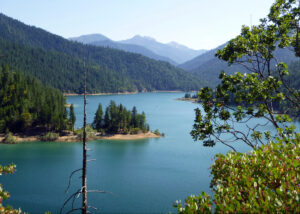
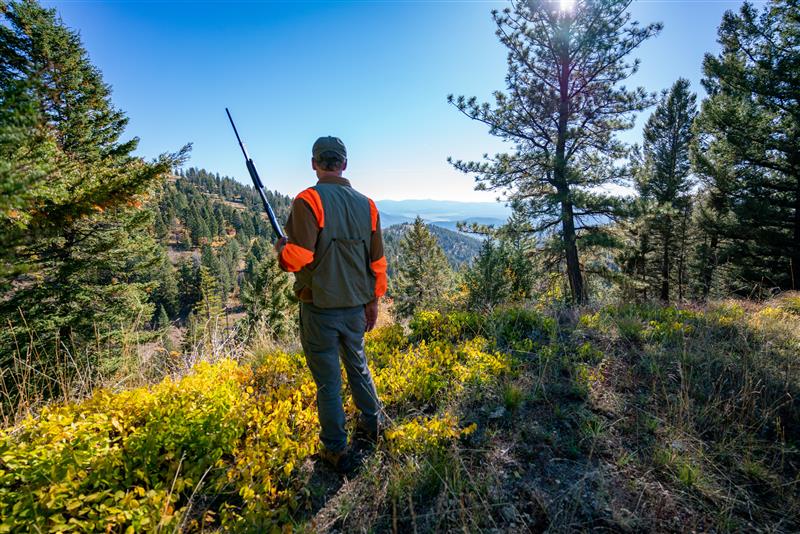
America’s 640 million acres of national public lands provide irreplaceable hunting and fishing opportunities to millions of Americans.

Learn More About Access
What TRCP is Doing

We’re working to safeguard America’s public lands so hunters and anglers always have quality places to pursue their passions.
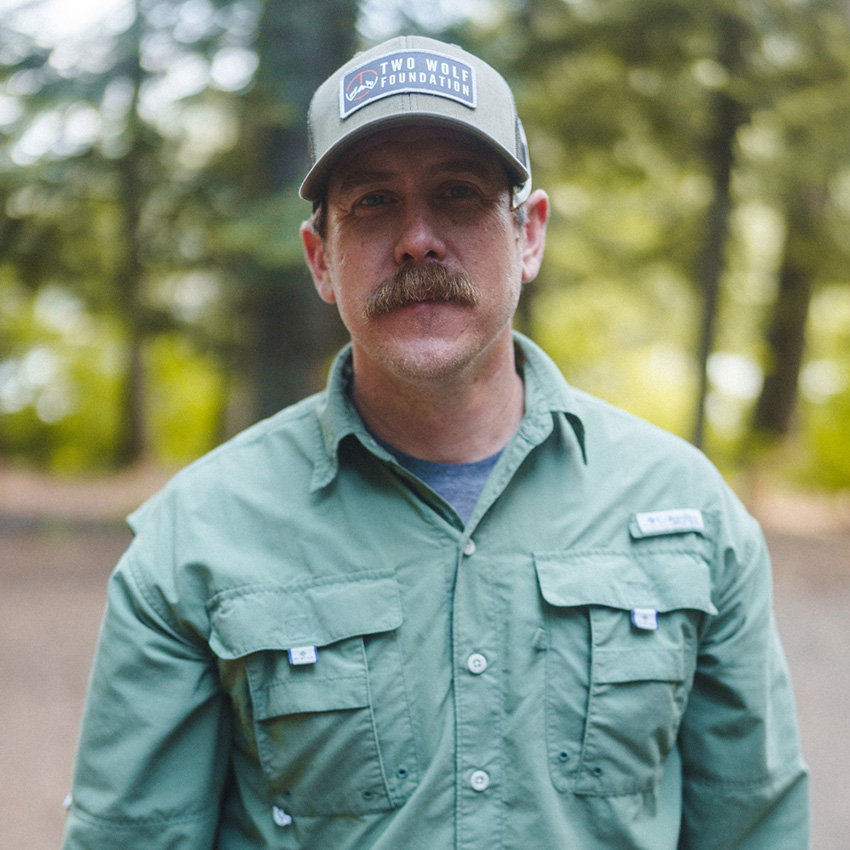
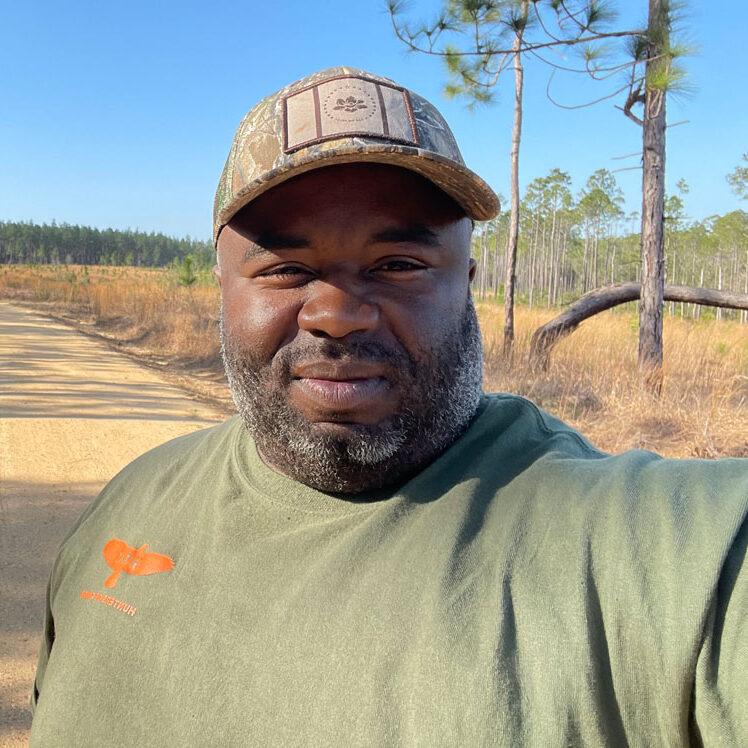
 Brian Flynn, Two Wolf Foundation
How Sportsmen Are Doing It Right

Brian Flynn, Two Wolf Foundation's Story

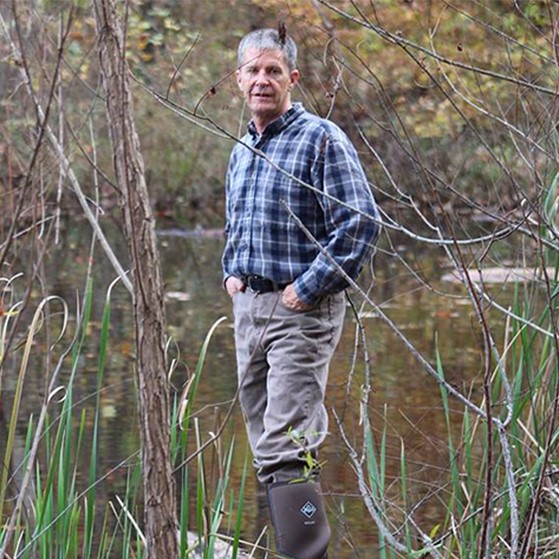
Following a distinguished career in the U.S. Army, lifelong outdoorsman Brian Flynn returned home from a deployment in Afghanistan and…

Hunting
Why It Matters

Key Issues for America’s Hunters

Your source for the latest policy updates, conservation challenges, and opportunities shaping America’s hunting traditions.

What TRCP is Doing

We’re fighting for meaningful policy changes that benefit wildlife, our waters, and the American landscapes that make our outdoor traditions possible.

 Ryan Sparks
How Sportsmen Are Doing It Right

Ryan Sparks's Story

TRCP’s “In the Arena” series highlights the individual voices of hunters and anglers who, as Theodore Roosevelt so famously said,…
Fishing
Why It Matters

Key Issues for America’s Anglers

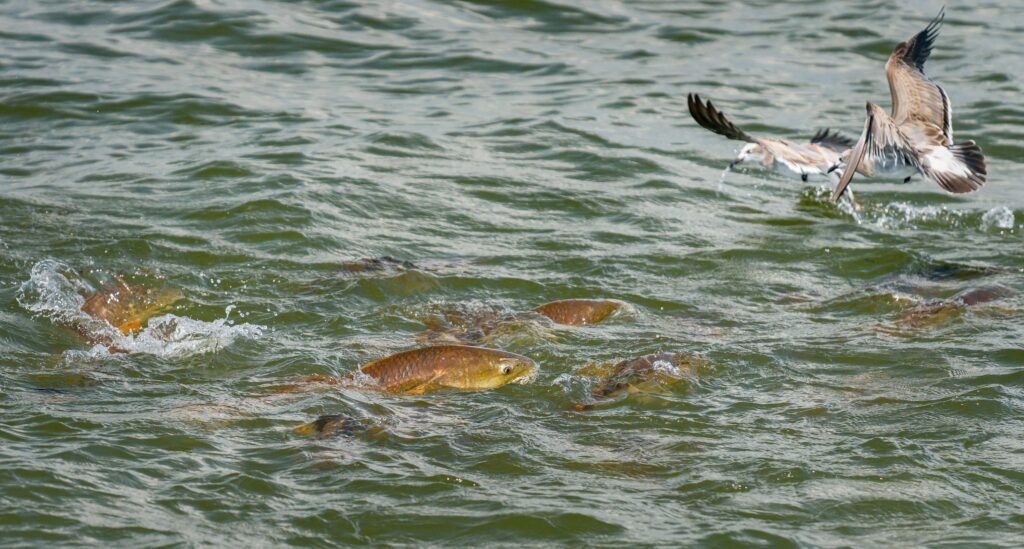
Your source for the latest policy updates, conservation challenges, and opportunities shaping America’s fishing traditions.

Sign Up For Forage Fish Updates
What TRCP is Doing

We’re fighting for meaningful policy changes that benefit wildlife, our waters, and the American landscapes that make our outdoor traditions possible.

 David Mangum
How Sportsmen Are Doing It Right

David Mangum's Story

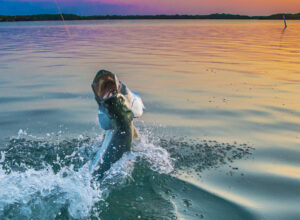
Capt. David Mangum is a YETI ambassador and outdoor photographer who utilizes his talents to produce media that inspire a…

Private Land
Why It Matters

Stewardship on America’s private lands

With 70 percent of U.S. lands in private hands and many of our best hunt and fish opportunities occurring there, investing in voluntary conservation on working lands safeguards access, strengthens habitat and water quality, and ensures resilient landscapes.

Take Action - Farm Bill 2026
What TRCP is Doing

We champion policies and programs that restore wildlife habitat, improve soil and water health, and keep working lands productive.

 Ward Burton
How Sportsmen are Doing It Right

Ward Burton's Story

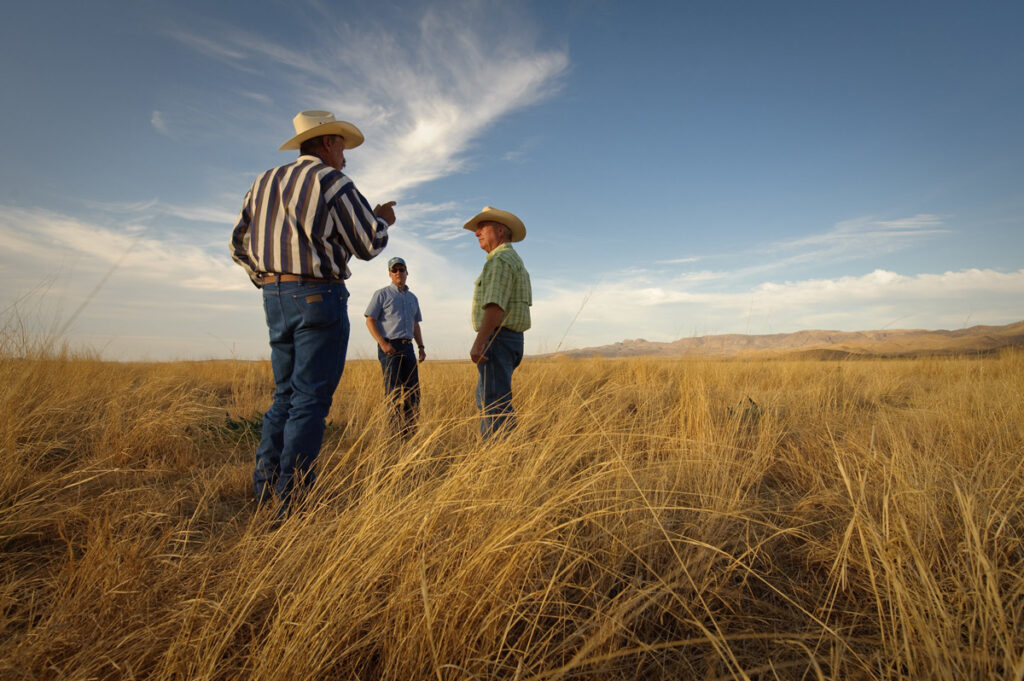
Ward Burton’s NASCAR driving career stretched across most of two decades. As an avid sportsman and conservationist, he founded the…

Special Places
Why It Matters

Special Places Worth Protecting

America’s most iconic landscapes provide unmatched habitat and unforgettable days afield. These places sustain wildlife, anchor local economies, and define the hunting and fishing traditions we pass down.

What TRCP is Doing

We’re working to conserve special places that provide world-class habitat and unforgettable opportunities for hunters and anglers.

 Franklin Adams
How Sportsmen Are Doing It Right

Franklin Adams's Story

As a true Gladesman, conservationist, and historian, Capt. Franklin Adams has spent more than six decades championing Everglades restoration efforts…

Habitat & Clean Water
Why It Matters

Healthy Habitat Powers Every Pursuit

All hunting and fishing opportunities depend on quality habitat, from clean water and healthy wetlands to winter and summer habitats and the migration corridors that connect them.

All About Habitat & Clean Water
What TRCP is Doing

We are working to safeguard the habitats that power every hunting and fishing opportunity.

 Alex Harvey
How Sportsmen Are Doing It Right

Alex Harvey's Story

Alex Harvey, founder of Legacy Land Management, is a registered professional forester in Mississippi and Alabama with a Master's degree…

Science
Why It Matters

Science That Guides TRCP

From conserving migration corridors and wetlands to ensuring clean water and resilient landscapes, science provides evidence that turns conservation goals into effective action.

Science for Conservation
What TRCP is Doing

For hunters and anglers, science safeguards the experiences we treasure including resilient big game populations, abundant fish, and wild places that endure changing social landscapes.

Jamelle Ellis
Your Science Expert

Jamelle Ellis's Story

Jamelle Ellis joined the Theodore Roosevelt Conservation Partnership in 2022. Jamelle spent the last three years as an environmental sustainability…

Where We Work
Across the Nation

Conservation Across America

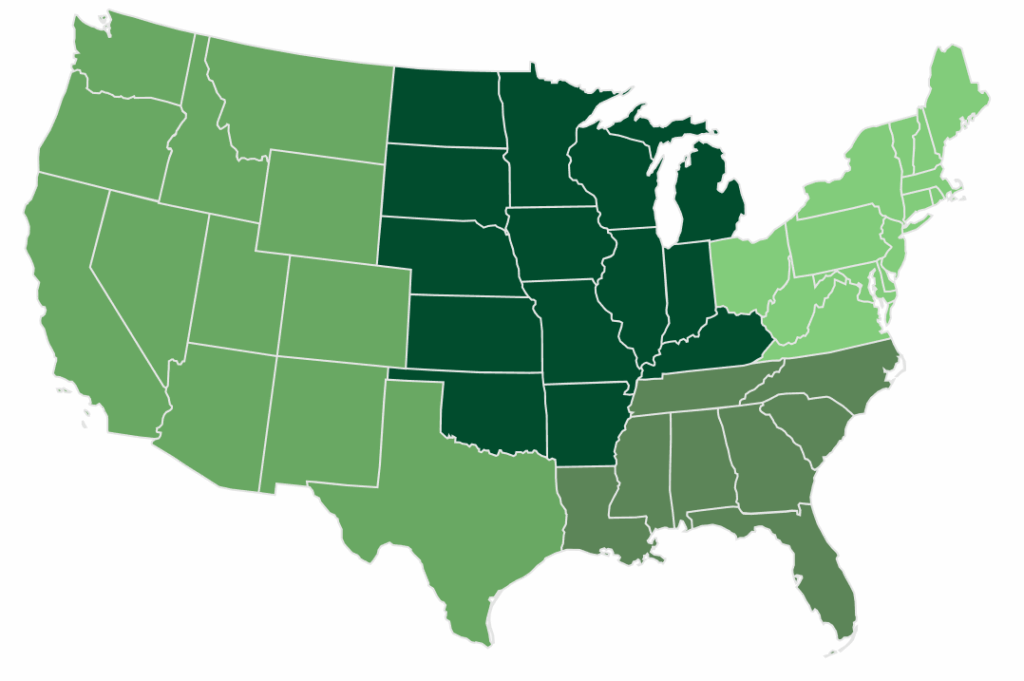
TRCP works across the country to ensure hunters and anglers can enjoy healthy fish and wildlife and quality days afield, no matter where they live.

See All Issues
TRCP in Your Region

TRCP works across the country to ensure hunters and anglers can enjoy healthy fish and wildlife and quality days afield, no matter where they live.

Who We Are
Our Mission

To guarantee all Americans quality places to hunt & fish

We unite and amplify our partners’ voices to advance America’s legacy of conservation, habitat, and access.

Our Mission & Values
Our People & Partners
  • Meet the TRCP Team

    Our staff and board members unite and amplify our partners’ voices to advance America’s legacy of conservation, habitat, and access.

    Meet the Team
  • Our Partners

    ‘Partnership’ is in our name. We work with 64 diverse partner groups that represent today’s leading hunting, fishing, and conservation organizations in order to strengthen the sportsman’s voice in Washington, D.C.

    Our Partners
  • Corporate Council

    TRCP’s Corporate Council is made up of diverse corporations that share a common passion for conservation.

    Corporate Council
Our Organization

Looking for more information?

Explore our latest news, policy updates, and conservation resources to get the information you need.

Giving
How You Can Help

To guarantee all Americans quality places to hunt & fish

Your tax-deductible donation will support TRCP's mission, now and into the future.

DONATE
Special Ways to support trcp
  • Capital Conservation Awards Dinner

    The CCAD is one of Washington's best-attended conservation celebrations, featuring dinner, cocktails, and a silent auction.

    Learn More
  • Step Into the Arena

    Help us ensure that our treasured wild habitats and game remain intact for the next generation to enjoy – lend your support to the TRCP’s efforts today!

    Donate
  • Roosevelt Roast

    TRCP has partnered with Afuera Coffee Co. to further our commitment to conservation.

    Learn More
More donation options

Find the best way for you to lend your support. Join one of TRCP’s donor circles for special invitations, premium offerings from outdoor retailers, and more exclusive benefits. Take control of your legacy with planned giving or contribute to special conservation funds.

Other Ways To Give
News
In the Spotlight

Farm Bill Now: What Hunters & Anglers Have Riding on the Lame Duck 

Congress has until Dec. 31 to finish a bipartisan Farm Bill. Here’s what it means for the places we hunt and fish.

Read More

Stay Informed

Receive our newsletter, the Roosevelt Report, right in your inbox. Never miss the latest news in conservation issues.

by:

posted in:

October 23, 2026

TRCPMS – 22

Do you have any thoughts on this post?

XHTML: You can use these tags: <a href="" title=""> <abbr title=""> <acronym title=""> <b> <blockquote cite=""> <cite> <code> <del datetime=""> <em> <i> <q cite=""> <s> <strike> <strong>

Comments must be under 1000 characters.

by:

posted in:

October 22, 2026

BLM Seeks Projects to Open Landlocked Public Land 

The agency is accepting nominations for voluntary projects with willing sellers that would open access to Dingell Act nominated lands for more hunting and fishing opportunities 

The Bureau of Land Management (BLM) is seeking projects that would open access to Dingell Act nominated lands and other inaccessible public parcels. The request follows September’s executive order directing federal land agencies to prioritize practical access to hard-to-reach federal lands and waters. 

For hunters and anglers, the effort targets a long-standing challenge that keeps millions of acres of public land out of reach. In 2018, a TRCP and onX analysis found 9.52 million acres of landlocked federal land across 13 western states, most of it managed by the BLM. 

Dingell Act nominated lands are federal parcels of at least 640 contiguous acres where hunting, fishing and other recreation are allowed but public access is cut off entirely or significantly restricted, often because there isn’t access across neighboring private land.  

The projects would be funded through the Land and Water Conservation Fund and would open these and other landlocked parcels to more hunting and fishing. They can include access easements, rights-of-way or, in some cases, purchase of the land itself. 

TRCP supports using Land and Water Conservation Fund dollars for both conservation-focused acquisitions and projects specifically designed to expand public access. This nomination process focuses on the latter. 

The request draws on two laws with broad bipartisan support. Congress passed the Dingell Act in 2019, and in 2020 the Great American Outdoors Act guaranteed full annual funding for the Land and Water Conservation Fund. 

Projects are voluntary and depend on willing sellers. Nominations are accepted on a rolling basis through local BLM field offices. 

Learn more from the BLM HERE.

Photo by Nick Venture of Become1.

by:

posted in:

October 21, 2026

Much at Stake for Atlantic Menhaden This November

Three upcoming fishery management decisions offer an opportunity to strengthen ecosystem-based management and support the many East Coast fisheries, communities, and species that rely on menhaden

The Atlantic States Marine Fisheries Commission will be making multiple decisions at an important meeting next month in Newport, R.I., which will shape Atlantic menhaden management for years to come.

On Nov. 10 and 11, the ASMFC Menhaden Management Board (MMB) will tackle three major questions:

  1. How many menhaden should be harvested coastwide?
  2. How should the menhaden reduction fishery be managed in Chesapeake Bay?
  3. How should menhaden harvest access be divided among Atlantic states?

Each decision has significant implications for the health of the Atlantic coast’s marine food web and the coastal communities that depend on menhaden – also called bunker or pogies – both directly and indirectly. The TRCP has been closely engaged in all three issues, advocating for science-based management that supports healthy fisheries and thriving coastal communities. Ahead of this upcoming meeting, we’re breaking down what’s at stake, where the key management options stand, and how you can still make your voice heard before the Board votes.

CosmoVision Media

The MMB’s decisions will influence coastwide harvest levels, protections for Chesapeake Bay, and access to menhaden for states and coastal communities. Together, these issues represent an important opportunity to strengthen ecosystem-based management and protect menhaden’s role as a critical forage fish along the Atlantic.

TRCP is urging the Board to:

  1. Set a 2027–2029 coastwide catch limit with a 50% or lower probability of exceeding the fishing mortality target based on larger ecosystem needs, particularly for striped bass.
  2. Adopt the options in Draft Addendum II below, tied to Chesapeake Bay specifically, to better connect Bay harvest to coastwide management and strengthen seasonal accountability.
  3. Initiate a process to reallocate state menhaden quotas to better reflect current conditions and the needs of communities along the Atlantic coast.

Setting the Coastwide Menhaden Quota for 2027–2029

At the November meeting, the Menhaden Management Board will set the coastwide total allowable catch (TAC) for 2027–2029. The ASMFC uses an ecosystem-based approach that accounts for menhaden’s role as forage (food) for other species when setting this coastwide catch limit. The key metrics are ecological reference points (ERPs), which help managers evaluate whether menhaden fishing mortality – the rate at which fish are removed by fishing – is consistent with the needs of the broader ecosystem. The ERP fishing mortality target represents a level of fishing designed to support both menhaden and their predators – namely, striped bass.

Under current fishery management, there is a 100% probability of exceeding the ecosystem-based fishing mortality target for menhaden.

The Commission did not create ERPs simply to determine how many menhaden can be harvested. They were designed to quantify the tradeoff between menhaden harvest and predator abundance. Choosing a TAC is ultimately a decision about how much risk the Board is willing to accept. A higher probability of exceeding the target means a greater chance that commercial fishing pressure will be inconsistent with the ecosystem’s needs. With important predators such as striped bass still facing rebuilding challenges, managers should take a precautionary approach that recognizes menhaden’s value as a food source to sportfish, ospreys, and other predators.

TRCP supports setting a 2027–2029 TAC with a 50% or lower probability of exceeding the ERP fishing mortality target. This would provide a clear, ecosystem-based management benchmark. To clarify, the ERP fishing mortality target is not the level used to determine if overfishing is occurring; it is the management goal that the Board has established to account for menhaden’s ecosystem role and is designed to provide a precautionary buffer against the overfishing threshold. Based on the latest projections, a TAC reduction of 39% is warranted this November. If, instead, the catch limit remains too high, the ecosystem could be at risk, even if “overfishing” is technically not happening.

This is an opportunity for the Board to meaningfully return toward managing based on the ERP fishing mortality target after their decision to reduce the 2026 catch limit by only 20%. That decision meant that under current management, there is a 100% probability of exceeding the ERP fishing mortality target.

CosmoVision Media

Strengthening Menhaden Management in Chesapeake Bay

The second agenda item the Menhaden Management Board will consider is Draft Addendum II to Amendment 3, which proposes changes to how the menhaden reduction fishery operates in Chesapeake Bay. This is the industrial-scale fishery that harvests the majority of the menhaden caught in the Bay, in Virginia, and in the Atlantic as a whole. TRCP supports the suite of options below (discussed in a previous blog), which would strengthen the connection between coastwide management and Bay harvest, improve fishery accountability, and distribute harvest more responsibly throughout the season:

  • Link the Chesapeake Bay Reduction Fishing Cap to the coastwide TAC (the two are not connected now), while maintaining a 51,000 metric ton upper catch limit. When the best available science supports reducing coastwide harvest, the Bay should not represent a larger share of the remaining harvest by default.
  • Divide the Bay Cap into three quota periods with 25%, 25%, and 50% of the quota available in each period, respectively. Limiting industrial harvest during earlier periods of the spring/summer would reduce the risk of concentrating harvest when menhaden may be particularly important to predators such as osprey and striped bass.
  • Require catch overages from the first or second quota period to be deducted from the same quota period in the following year. Quota periods provide a meaningful conservation benefit only if they actually constrain when harvest occurs.
  • Require the Bay Cap to be revisited every three years. This would provide a predictable opportunity for the Board to incorporate new scientific information and adjust management as appropriate.

Balancing the Chesapeake Bay’s role as a critical nursery area for menhaden and Atlantic predators as well as a key harvest location for the reduction fishery requires the Board to recognize the importance of menhaden to the Bay’s ecosystem, while ensuring that local harvest limits remain consistent with coastwide conservation goals. The Board has an opportunity to better align Chesapeake Bay harvest with the ecosystem-based management framework and strengthen fishery accountability, as an investment in the health of the ecosystem, the recovery of important predators like striped bass, and the long-term sustainability of local fisheries.

Kevin Job

Initiating a Process to Reallocate State Menhaden Quotas

The third agenda item involves how the coastwide menhaden quota is divided among Atlantic states. The Board can set a coastwide quota based on the best available science, but the allocation of that quota determines which states get access to the fish and which communities can benefit from this critical public resource.

TRCP supports initiating a formal process to reallocate state menhaden quotas at the November meeting (also discussed in a previous blog). Starting this process would not immediately change current allocations or determine the final outcome. Instead, it would give the Board an opportunity to evaluate whether current allocations remain appropriate, establish criteria for considering potential changes, and gather stakeholder input next year before any new allocation is finalized.

Under the current allocation system, Virginia gets over 75% of the entire coastwide quota, while New England states collectively get less than 10%. This formula was last updated in 2022 using average landings from 2018, 2019, and 2021. The Board is therefore relying on landing patterns that are now up to eight years old to determine how access to today’s menhaden fishery is distributed among states. Those data do not capture subsequent changes in menhaden distribution and availability, fishery participation, or the growing economic importance of menhaden as bait along the Atlantic Coast.

A reallocation process could reduce reliance on temporary quota transfers to New England states, provide greater predictability for bait-dependent fisheries – both commercial and recreational – and better account for the economic benefits generated by menhaden. Those benefits extend well beyond the state (Virginia) and sector (reduction fishing) currently receiving the largest harvest allocation. In fact, in 2025, recreational fishing trips involving menhaden generated approximately $804 million in angler spending, supported more than 7,200 jobs, and generated more than $1.5 billion in annual economic output.

Ensuring that states have a meaningful opportunity to access this resource is about more than moving beyond where fish were historically landed – it is also about supporting the businesses, anglers, and working waterfronts that depend on healthy menhaden populations.

Make Your Voice Heard Before the November Meeting

Your voice can still help commissioners understand why these decisions matter to anglers, coastal communities, and the broader marine ecosystem. Before Nov. 6, take action by submitting public comments to show your support for science-based menhaden management and fairer access to this public resource. While the Addendum II comment period is closed, you can still submit comments in support of quota reductions and reallocation by email to comments@asmfc.org, online, or by signing our petition below. Thank you for your continued support for better menhaden management, for the benefit of anglers, coastal communities, and Atlantic ecosystems. 

Banner image courtesy CosmoVision Media

by:

posted in:

October 19, 2026

Big Dreams and Big Bulls: The Bridger-Teton National Forest Needs Hunter and Angler Voices for Its Conservation Future  

The Bridger-Teton National Forest is revising its Forest Plan right now. Hunters and anglers need to speak up for the forest’s incredible hunting and fishing opportunities today.

My first introduction to the Bridger-Teton National Forest was in 2018. I was on a summer work trip to Star Valley, Wyoming and with some extra time on my hands, I decided to head up a dusty Forest Service Road into the surrounding mountains. I was met with incredible views and the camaraderie of an old-timer who told me stories of hunting big mule deer in this beautiful terrain. He graciously invited me to return and hunt with him, so two weeks later I drove back from Laramie for a weekend bowhunting adventure.  

I was hooked on the Bridger-Teton after that. 

While I was unsuccessful on my first hunt, I vowed to come back to this special place. In the summer of 2019, I sold a truck and invested in the best optics available. I scouted relentlessly and became familiar with this landscape. It would take three years of learning the country, observing the animals, and perfecting my craft before I was able to fulfill my dream of a high-country archery mule deer in the Bridger-Teton National Forest.  

The following year, I arrowed my biggest buck to date. Even with that dream accomplished, the more time I spent in the Bridger-Teton, the more I fell in love with its beautiful peaks, vistas, and majestic wildlife herds, nestled in much of western Wyoming. What I stumbled on in August of 2018 has now become a landscape I return to multiple times each year. 

Why is the future of the Bridger-Teton National Forest at stake?

 We are in a critical period right now, because the BTNF is currently updating its Forest Plan — a document that will guide the management of the forest for decades to come. That is why the TRCP is hosting a survey to gather input about what matters most to hunters and anglers in the BTNF. 

There’s a reason the BTNF is a world class hunting destination. It’s high alpine wildflower basins, conifer and aspen forests, and clean, cold flowing streams fuel a caloric engine that grows big bucks and bulls. Mule deer, elk, bighorn sheep, and moose all grow fat on the BTNF’s summer range, and thanks to the forests connected landscapes, carry these calories with them on long established migration routes to winter range each year.  

Alex with a big, velvet-antlered mule deer he harvested in the BTNF.

 Mule deer herds in western Wyoming took a beating in the harsh winter of 2023. Both the Wyoming Range and Sublette mule deer migration routes connect nearly 40,000 deer to summer range on the BTNF, so how the forest manages this habitat in the coming decades is of critical importance to sportspeople. As a bowhunter that cherishes hunting these animals in the high country, ensuring their summer habitat and migration routes remain as intact and healthy as possible is deeply important to me. Beyond that, I am personally invested in making sure the waterways in the BTNF remain clean and cold to support native fish populations, just in case I really need to extend a hunt!  

What is a Forest Plan and why does it matter? 

A Forest Plan is the guiding document the Forest Service uses to determine management of the forest — from wildlife habitat and watersheds to recreation, grazing, and timber management. The Bridger-Teton’s Forest Plan revision matters to me not just because of my personal connection to the area, but because of how it could impact hunting and fishing opportunities for the next generation. The plan does not authorize individual projects but sets the direction and guardrails for future project-level decisions. The current plan was finalized in 1990, and this revision is an opportunity to make sure that future forest management reflects today’s conditions and public values.  

Getting it right will take sound science, a clear assessment of the forest’s needs, and meaningful input from diverse stakeholders, local communities, and the public. For hunters and anglers like me, this is a chance to help shape a plan that can sustain healthy habitat, clean, cold flowing trout streams, and hunting and fishing opportunities on this landscape for years to come. 

Over the past eight years, I have explored all corners of Wyoming’s Bridger-Teton National Forest. From hearing stories about Wyoming’s famed Thorofare region to seeing harvest photos of big, velvet-antlered mule deer, I have first-hand experience of how this place is a treasure to local communities, Wyomingites, as well as the 2.2 million visitors who travel annually from afar to experience this incredible forest. 

Alex’s once-in-a-lifetime bull moose.

The BTNF has also created a community of like-minded individuals who share the love of pursuing wildlife in these special places. I drew a once-in-a-lifetime moose tag in 2025 – a tag valid in the Bridger-Teton National Forest. Right after the draw, I called Rob and Janet, hunting friends that live in the area, and told them the exciting news. We made plans to meet up in October after archery deer and elk season were over to pursue my moose. With Rob, Janet, and my little sister by my side, we made camp and covered country searching for a moose of a lifetime. After four days of hunting and scouting together, I punched my tag with the help of an incredible team of friends and family. 

Ensuring the updated Bridger Teton Forest Plan reflects the priorities of sportsmen and women will be a team effort, and we want to know what matters most to you. Please take five minutes to add your voice to this SURVEY and help inform our work to advocate on behalf of hunters and anglers throughout the revision process.  

TRCP will continue covering this important issue for Wyoming hunters and anglers as the forest plan revision process continues in 2027. 

by:

posted in:

October 16, 2026

TRCP Supports Colorado Amendment 83: Right to Hunt & Fish 

Amendment 83 recognizes the essential value of hunting, fishing, and keeping wildlife management grounded in science.

Hunting and fishing are longstanding traditional practices that connect people to our landscapes, provide healthy and sustainable food sources for families, and are deeply woven into the social and cultural fabric of Colorado. For generations, hunters and anglers have helped fund wildlife management, habitat restoration, public access, species recovery, rural economic prosperity, and outdoor recreation opportunities, which benefit all Coloradans. 

These traditions carry values that matter. Time in the field fosters patience, humility, gratitude, and respect for wildlife and the places that sustain it, and hunting and fishing remain one of the most direct ways Coloradans pass those values from one generation to the next. Hunting and fishing take us to some of the most beautiful places in the state, and provide a welcome respite from the day-to-day stressors for so many Coloradans. Our kids and grandkids deserve to have the option to enjoy these unique ways of connecting to the outdoors and each other.

Hunting and fishing also play an essential role in how Colorado manages its wildlife. Regulated hunting is one of the most important tools wildlife managers have to keep species in balance with available habitat, limit the spread of disease and invasive species, and reduce conflicts with human populations and agriculture operations. The conservation ethic built into our national system of hunting and fishing is bolstered further through financial investment; license fees and excise taxes hunters and anglers pay are a major source of funding for species and habitat conservation programs. 

“Hunting, fishing, and wildlife conservation are a major part of who we are as Coloradans, and hunters and anglers have long been partners in conserving the state’s fish and wildlife,” said Liz Rose, TRCP’s Colorado field representative. “Amendment 83 recognizes that role and helps ensure hunters and anglers continue to contribute to the conservation and management of wildlife in Colorado, through on-the-ground work and through the dollars they contribute.” 

Amendment 83 recognizes the value that hunting and fishing provide to Colorado’s citizenry and wildlife populations, and will preserve the authority of Colorado Parks and Wildlife to responsibly manage fish and wildlife based on science, safety, or to preserve the future of hunting and fishing.  

Learn more about Colorado Amendment 83 HERE.

TRCP also supports Proposition 137. Prop 137 would redirect existing state sales tax on certain sporting goods and equipment to fund existing, but under-funded, state grant programs that reduce wildfire risk and enhance watershed health using science-backed tools, in addition to funding other conservation and recreation priorities. TRCP supports this proposition because multi-benefit stream and wetland restoration projects, like the Soda Creek complex, could be supported by increased state funding in the future if Prop 137 passes in November. For more information, go here and here.

Top photo: Josh Metten


The TRCP is your resource for all things conservation. In our weekly Roosevelt Report, you’ll receive the latest news on emerging habitat threats, legislation and proposals on the move, public land and waters access solutions we’re spearheading, and opportunities for hunters and anglers to take action. Sign up now.

HOW YOU CAN HELP

Every hunt and every cast depends on healthy habitat and access to the wild places you love. TRCP’s mission is to guarantee all Americans have quality places to hunt and fish. Help carry this work forward with a donation today.

Learn More

You have Successfully Subscribed!

You have Successfully Subscribed!

You have Successfully Subscribed!

You have Successfully Subscribed!