Our Issues
Public Lands
Why It Matters
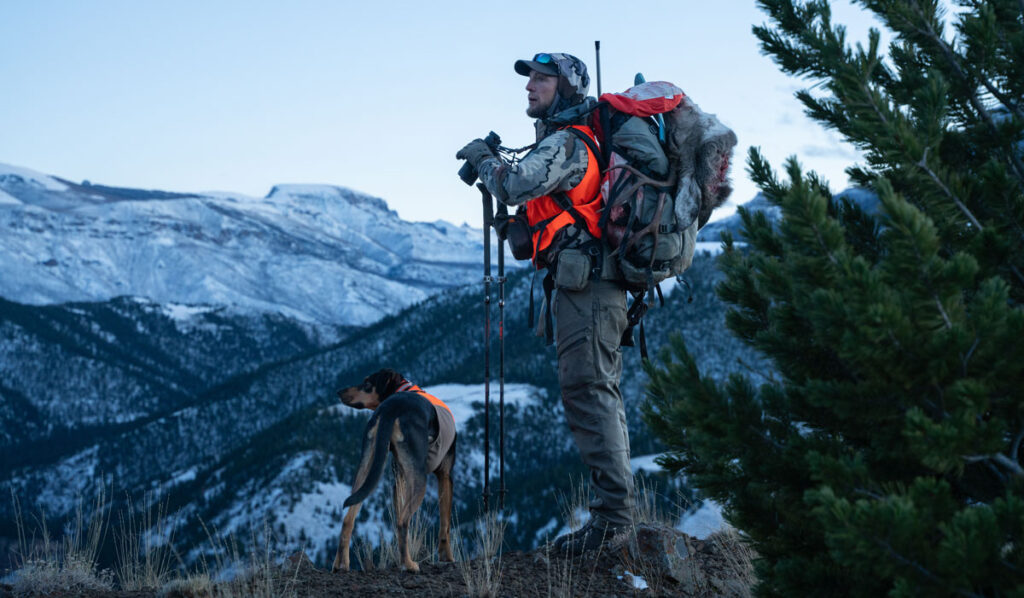
Hunting & Fishing Access

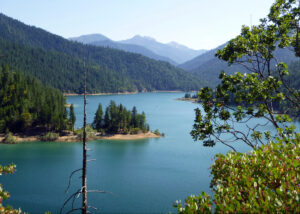
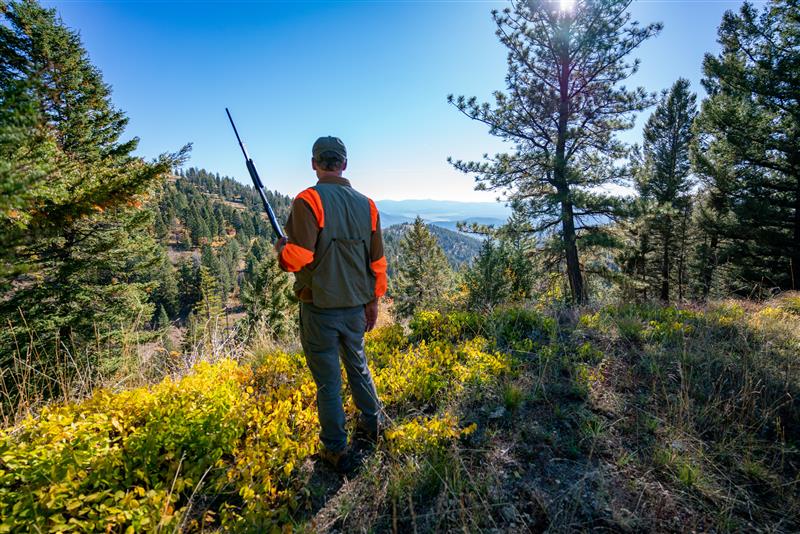
America’s 640 million acres of national public lands provide irreplaceable hunting and fishing opportunities to millions of Americans.

Learn More About Access
What TRCP is Doing

We’re working to safeguard America’s public lands so hunters and anglers always have quality places to pursue their passions.
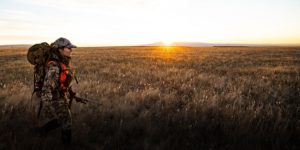
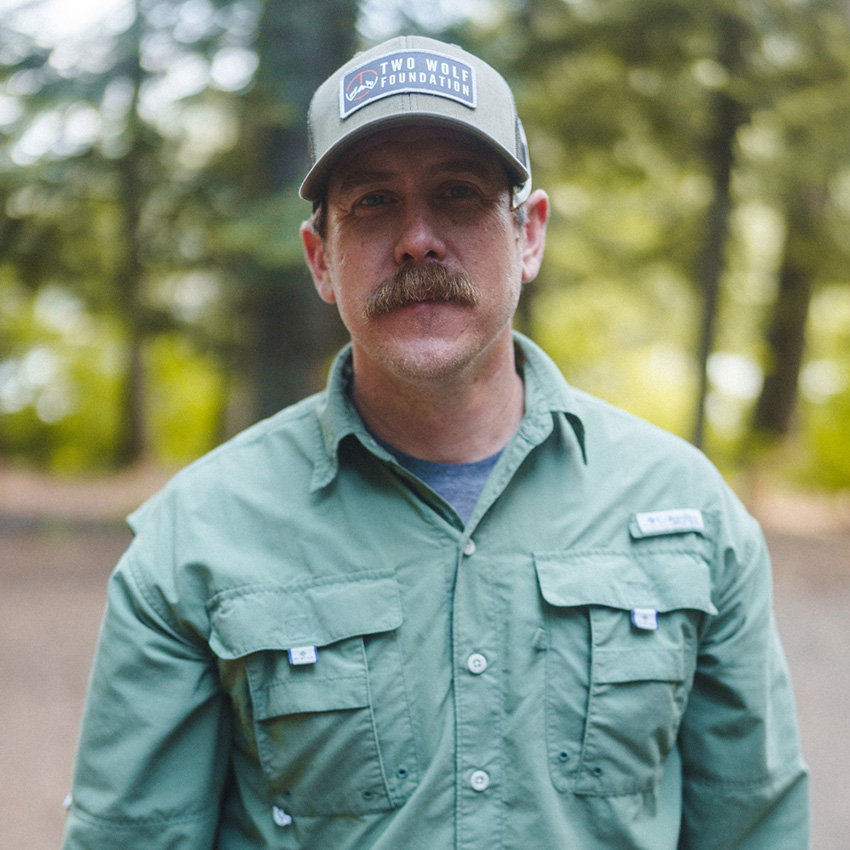
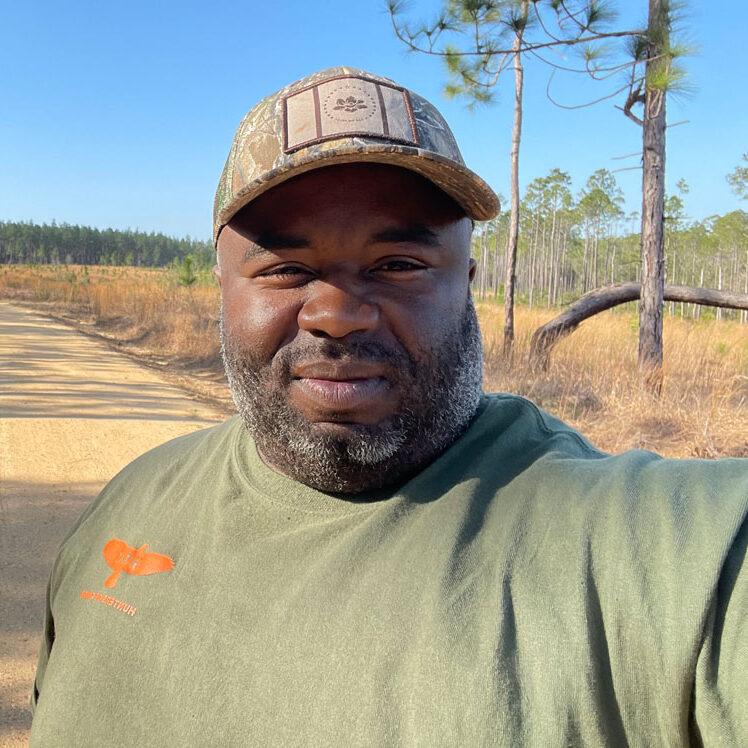
 Brian Flynn, Two Wolf Foundation
How Sportsmen Are Doing It Right

Brian Flynn, Two Wolf Foundation's Story

Following a distinguished career in the U.S. Army, lifelong outdoorsman Brian Flynn returned home from a deployment in Afghanistan and…

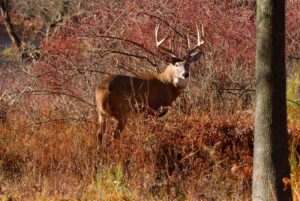
Hunting
Why It Matters

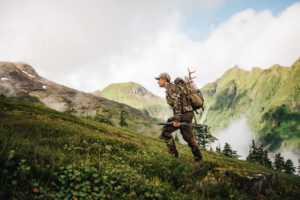
Key Issues for America’s Hunters

Your source for the latest policy updates, conservation challenges, and opportunities shaping America’s hunting traditions.

What TRCP is Doing

We’re fighting for meaningful policy changes that benefit wildlife, our waters, and the American landscapes that make our outdoor traditions possible.

 Ryan Sparks
How Sportsmen Are Doing It Right

Ryan Sparks's Story

TRCP’s “In the Arena” series highlights the individual voices of hunters and anglers who, as Theodore Roosevelt so famously said,…
Fishing
Why It Matters

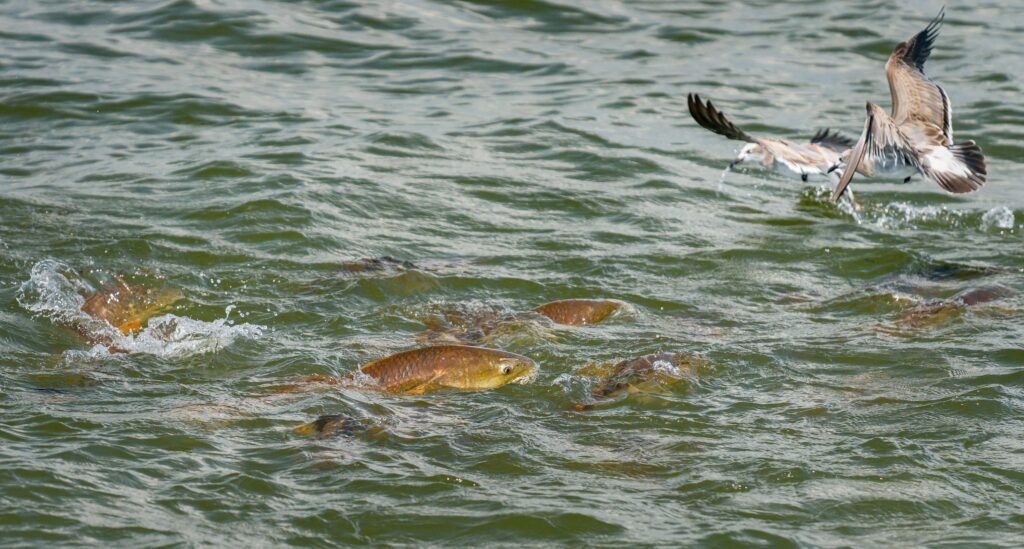
Key Issues for America’s Anglers

Your source for the latest policy updates, conservation challenges, and opportunities shaping America’s fishing traditions.

Sign Up For Forage Fish Updates
What TRCP is Doing

We’re fighting for meaningful policy changes that benefit wildlife, our waters, and the American landscapes that make our outdoor traditions possible.

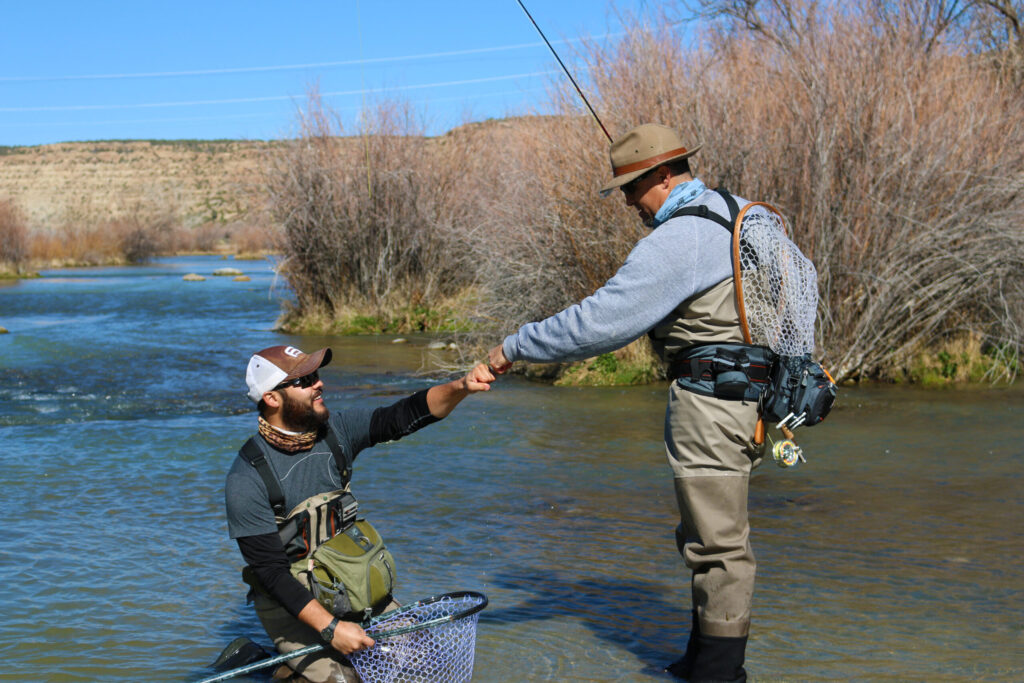
 David Mangum
How Sportsmen Are Doing It Right

David Mangum's Story

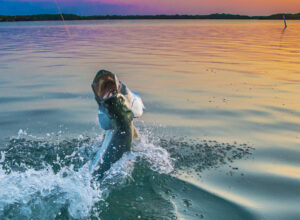
Capt. David Mangum is a YETI ambassador and outdoor photographer who utilizes his talents to produce media that inspire a…

Private Land
Why It Matters

Stewardship on America’s private lands

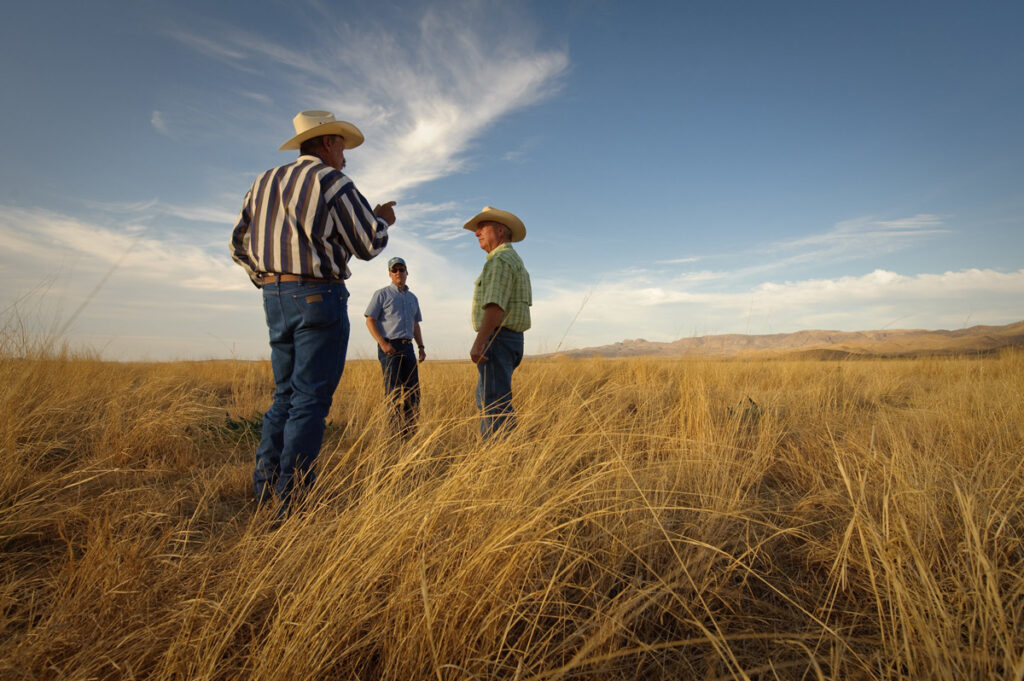
With 70 percent of U.S. lands in private hands and many of our best hunt and fish opportunities occurring there, investing in voluntary conservation on working lands safeguards access, strengthens habitat and water quality, and ensures resilient landscapes.

Take Action - Farm Bill 2026
What TRCP is Doing

We champion policies and programs that restore wildlife habitat, improve soil and water health, and keep working lands productive.

 Ward Burton
How Sportsmen are Doing It Right

Ward Burton's Story

Ward Burton’s NASCAR driving career stretched across most of two decades. As an avid sportsman and conservationist, he founded the…

Special Places
Why It Matters

Special Places Worth Protecting

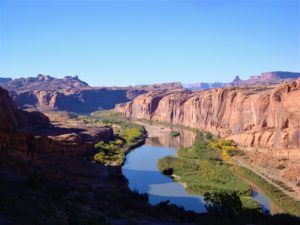
America’s most iconic landscapes provide unmatched habitat and unforgettable days afield. These places sustain wildlife, anchor local economies, and define the hunting and fishing traditions we pass down.

What TRCP is Doing

We’re working to conserve special places that provide world-class habitat and unforgettable opportunities for hunters and anglers.

 Franklin Adams
How Sportsmen Are Doing It Right

Franklin Adams's Story

As a true Gladesman, conservationist, and historian, Capt. Franklin Adams has spent more than six decades championing Everglades restoration efforts…

Habitat & Clean Water
Why It Matters

Healthy Habitat Powers Every Pursuit

All hunting and fishing opportunities depend on quality habitat, from clean water and healthy wetlands to winter and summer habitats and the migration corridors that connect them.

All About Habitat & Clean Water
What TRCP is Doing

We are working to safeguard the habitats that power every hunting and fishing opportunity.

 Alex Harvey
How Sportsmen Are Doing It Right

Alex Harvey's Story

Alex Harvey, founder of Legacy Land Management, is a registered professional forester in Mississippi and Alabama with a Master's degree…

Science
Why It Matters

Science That Guides TRCP

From conserving migration corridors and wetlands to ensuring clean water and resilient landscapes, science provides evidence that turns conservation goals into effective action.

Science for Conservation
What TRCP is Doing

For hunters and anglers, science safeguards the experiences we treasure including resilient big game populations, abundant fish, and wild places that endure changing social landscapes.

Jamelle Ellis
Your Science Expert

Jamelle Ellis's Story

Jamelle Ellis joined the Theodore Roosevelt Conservation Partnership in 2022. Jamelle spent the last three years as an environmental sustainability…

Where We Work
Across the Nation

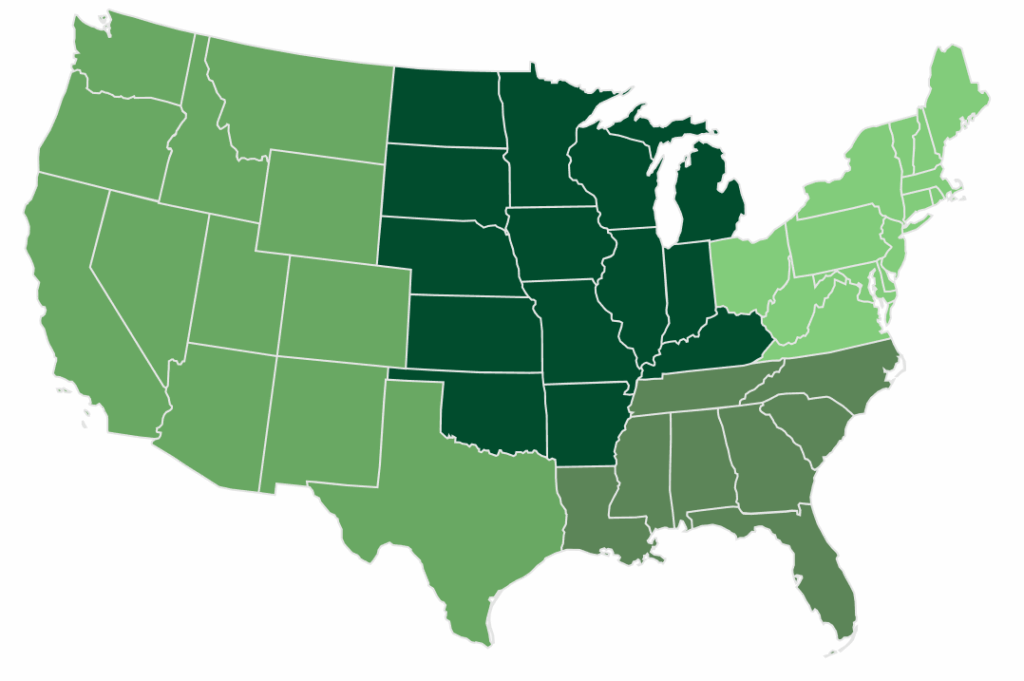
Conservation Across America

TRCP works across the country to ensure hunters and anglers can enjoy healthy fish and wildlife and quality days afield, no matter where they live.

See All Issues
TRCP in Your Region

TRCP works across the country to ensure hunters and anglers can enjoy healthy fish and wildlife and quality days afield, no matter where they live.

Who We Are
Our Mission

To guarantee all Americans quality places to hunt & fish

We unite and amplify our partners’ voices to advance America’s legacy of conservation, habitat, and access.

Our Mission & Values
Our People & Partners
  • Meet the TRCP Team

    Our staff and board members unite and amplify our partners’ voices to advance America’s legacy of conservation, habitat, and access.

    Meet the Team
  • Our Partners

    ‘Partnership’ is in our name. We work with 64 diverse partner groups that represent today’s leading hunting, fishing, and conservation organizations in order to strengthen the sportsman’s voice in Washington, D.C.

    Our Partners
  • Corporate Council

    TRCP’s Corporate Council is made up of diverse corporations that share a common passion for conservation.

    Corporate Council
Our Organization

Looking for more information?

Explore our latest news, policy updates, and conservation resources to get the information you need.

Giving
How You Can Help

To guarantee all Americans quality places to hunt & fish

Your tax-deductible donation will support TRCP's mission, now and into the future.

DONATE
Special Ways to support trcp
  • Capital Conservation Awards Dinner

    The CCAD is one of Washington's best-attended conservation celebrations, featuring dinner, cocktails, and a silent auction.

    Learn More
  • Step Into the Arena

    Help us ensure that our treasured wild habitats and game remain intact for the next generation to enjoy – lend your support to the TRCP’s efforts today!

    Donate
  • Roosevelt Roast

    TRCP has partnered with Afuera Coffee Co. to further our commitment to conservation.

    Learn More
More donation options

Find the best way for you to lend your support. Join one of TRCP’s donor circles for special invitations, premium offerings from outdoor retailers, and more exclusive benefits. Take control of your legacy with planned giving or contribute to special conservation funds.

Other Ways To Give
News
In the Spotlight

Farm Bill Now: What Hunters & Anglers Have Riding on the Lame Duck 

Congress has until Dec. 31 to finish a bipartisan Farm Bill. Here’s what it means for the places we hunt and fish.

Read More

Stay Informed

Receive our newsletter, the Roosevelt Report, right in your inbox. Never miss the latest news in conservation issues.

by:

posted in:

October 16, 2026

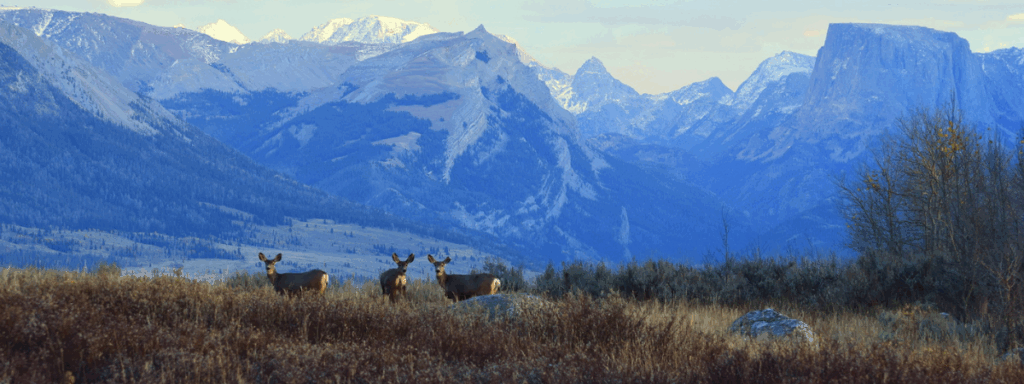
Spencer Norland CO Mule Deer Oct 2023 @joshmettenphoto

Do you have any thoughts on this post?

XHTML: You can use these tags: <a href="" title=""> <abbr title=""> <acronym title=""> <b> <blockquote cite=""> <cite> <code> <del datetime=""> <em> <i> <q cite=""> <s> <strike> <strong>

Comments must be under 1000 characters.

by:

posted in:

October 9, 2026

One for the Wallet, One for the Wall

Hunters across the nation are opting to purchase two or more Federal Duck Stamps this year, rather than the single stamp required for hunting migratory waterfowl, as an investment in one of North America’s greatest conservation efforts

Nearly a century ago, North America faced a waterfowl crisis that changed the trajectory of future duck and goose populations. In the 1930s, the Dust Bowl and widespread wetland drainage were devastating waterfowl habitat across the Great Plains. The numerous small wetlands scattered throughout the Northern Plains, commonly referred to as “prairie potholes,” were disappearing, while drought and agricultural expansion further reduced the habitat needed by ducks to nest and raise their young.

Biologists and resource managers quickly recognized that ensuring the future of waterfowl would require protecting the places they depend on. So, conservation-minded hunters and leaders began applying pressure on Congress to create a new conservation funding mechanism. On March 16, 1934, President Franklin D. Roosevelt signed the Migratory Bird Hunting and Conservation Stamp Act, establishing what became known as the Federal Duck Stamp. The concept was incredibly simple, asking those who participate in waterfowl hunting to help pay for the habitat necessary to sustain waterfowl populations. It was an arrangement that spread the cost of conservation across the entire country’s waterfowl hunters with one intended mission – to protect the nation’s “duck factories” that support populations that in the wintertime migrate southward to other parts of the nation to locations where other stamp-buying sportsmen and women would benefit.  

In the program’s first year alone, more than 635,000 stamps were sold at a price of $1 each (which after adjusted for inflation would equate to roughly $16 million today). The revenue provided the federal government with something wildlife conservation had never experienced at this magnitude: a recurring source of funding dedicated solely to acquiring and protecting wetland habitat.

Since 1934, Federal Duck Stamp sales have generated more than $1.3 billion for conservation efforts and helped protect more than 6 million acres of wetland habitat. Today, 98% of the purchase price of a duck stamp still goes directly toward acquiring and protecting habitat and conservation easements through the Migratory Bird Conservation Fund. The funding model has proven to be a quality investment that is welcomed by waterfowlers, birders, and stamp collectors.

That’s why TRCP and many of our partners are supporting and encouraging waterfowl hunters everywhere in the U.S. to consider buying additional stamps this year as a simple, effective means to put money directly into waterfowl conservation.

Ed Wall

The Prairie Potholes, the Nation’s “Duck Factory”

For waterfowl hunters throughout the Mississippi Flyway, the importance of the Prairie Pothole Region cannot be overstated. The ducks that arrive in the Lower Mississippi River Basin region of Arkansas, Mississippi, and Louisiana each winter are following part of a much larger life strategy. Each species’ success depends on what happens thousands of miles upstream in the heart of the continent.

“Funds from Federal Duck Stamp sales secure important breeding habitat for waterfowl across the prairies, protecting wetlands from being drained and grasslands from being converted,” said Houston Havens, waterfowl program coordinator for the Mississippi Department of Wildlife, Fisheries, and Parks. “However, these funds also are used to purchase public lands in key areas across the country which provide public hunting opportunities and sanctuaries for migrating and wintering waterfowl.”

The prairie potholes produce over 50% of all of North America’s native waterfowl.

The Prairie Pothole Region (PPR) stretches across portions of Iowa, Minnesota, Montana, North Dakota, South Dakota, and portions of three Canadian provinces, and is characterized by countless shallow wetlands created thousands of years ago by glacial activity and since seasonally filled by annual snow melt and spring rainfall. The wetlands in this region, which is largely within the Upper Mississippi River Basin, provide some of North America’s most important breeding habitat for waterfowl and are also essential to numerous grassland and wetland-dependent wildlife. In fact, the PPR produces over 50% of all of North America’s native waterfowl.

Mallards, pintails, gadwalls, and other waterfowl species may spend winter in the Lower Mississippi River Basin, but their ability to successfully breed and return the following fall depends in large part on whether they can find adequate nesting habitat and forage for their brood, to produce enough young to sustain healthy populations. As species such as mallards, pintails, and blue-winged teal are experiencing recent population declines, it is important that wetland conservation efforts are sustained and even increased. Duck stamp-funded conservation programs in the Prairie Pothole Region offer a solution and should be viewed as a shared responsibility for waterfowl hunters across the continent.

Craig Bihrle/ North Dakota Game and Fish

Easements Can Keep Working Lands Working for Waterfowl

It is important to point out that conservation does not always require removing land out of private ownership or agricultural production. In many cases, conservation programs, such as wetland easements, are designed to be a financial and operational benefit to landowners who value stewardship.

One of the most important tools available for protecting prairie pothole habitat is the use of conservation easements. A significant amount of duck stamp funds is directed to federal wetland easements. These easements are voluntary agreements between private landowners – in many cases, farmers and ranchers – and the U.S. Fish and Wildlife Service that financially compensate the landowner and permanently protect qualifying wetlands from being drained, filled, leveled, or otherwise converted. Depending on the specific program, land can remain privately owned, and when wetlands naturally dry, compatible agricultural uses such as farming, grazing, or haying can continue to offer added benefit to the landowner.   

98% of the price of a Federal Duck Stamp goes directly toward acquiring and protecting habitat.

For decades, duck stamp revenues have helped make those agreements possible. The continued demand for additional easements in the Prairie Pothole Region demonstrates why maintaining and expanding this funding source can have a real impact. The USFWS and its partners continue to work with willing landowners to acquire additional easements as funding allows. Every additional acre represents more than a statistic. It can mean another wetland for nesting waterfowl, another successful brood, another hunting opportunity, and better water quality for everyone downstream.

Healthy wetlands provide habitat for a wide variety of birds, amphibians, mammals, fish, and plants. They also provide important environmental services for Americans near and far. According to the USFWS, wetlands protected through the Federal Duck Stamp program can help purify water, reduce flooding downstream, limit soil erosion and sedimentation, and support outdoor recreation. That makes purchasing these stamps a powerful investment not only in waterfowl and waterfowl hunting, but in the quality of life for millions of people in the Mississippi River Basin alone.

Cason Short

Buy Two: One for the Wallet and One for the Wall

For decades, many hunters have voluntarily purchased a second Federal Duck Stamp – one to meet the requirement for hunting migratory waterfowl and the other for a variety of reasons. The Fish and Wildlife Service itself notes on its website that many hunters purchase two stamps each year, with the second typically serving as a collector’s item and an additional contribution to conservation. In 2010, the USFWS started offering an electronic duck stamp purchase option to improve compliance and simplify the point of sale, which while offering great benefit may have moved many hunters away from purchasing multiple physical stamps. While TRCP fully supports the efforts of the USFWS to improve compliance through digital stamp sales, we also hope that the traditions of physical duck stamp collection and additional stamp purchases continue. 

This simple, longstanding tradition is now being elevated through the Buy Two Duck Stamps campaign, which was started by Cason Short and Brent Birch of The Standard Sportsman Podcast, and encourages exactly what its name suggests. Since then, other individuals and groups around the country have joined in the effort, largely by making social media posts encouraging others to follow their lead.

“Duck hunters have always played a leading role in conserving waterfowl habitat, and we have a responsibility to keep that work moving forward,” said Brent Birch, co-host of The Standard Sportsman. “‘Buy Two Duck Stamps’ is a simple way to do more for the resource that gives us so much. One stamp gets us into the field. The second is an investment in the future of waterfowl and duck hunting. That extra commitment, multiplied across the hunting community, can make a lasting difference on the landscape.”

Groups and businesses like Birch’s recognize that waterfowl populations depend on functioning landscapes from the Prairie Pothole Region to the Mississippi Alluvial Valley and beyond. Protecting those diverse landscapes requires partnerships among hunters, landowners, farmers, ranchers, conservation organizations, and government agencies. The Federal Duck Stamp has provided the financial foundation for those partnerships for generations. 

Buying a second duck stamp may seem like a small contribution. But conservation has always been built one acre, one wetland, and one landowner at a time.


The TRCP is your resource for all things conservation. In our weekly Roosevelt Report, you’ll receive the latest news on emerging habitat threats, legislation and proposals on the move, public land and waters access solutions we’re spearheading, and opportunities for hunters and anglers to take action. Sign up now.

by:

posted in:

October 8, 2026

Western Wetlands Benefit Wildlife, Wildland Firefighters, and Water Resources

At Soda Creek, Colorado, local, state, and Congressional representatives saw firsthand how restoring mountain streams and wetlands can reduce wildfire risk, slow the flow of water across the landscape, and improve fish and wildlife habitat 

While many of our readers were out bowhunting or enjoying Colorado’s fall colors (or daydreaming of doing so at their desks), in mid-September staff from the TRCP, National Forest Foundation, and National Wildlife Federation — alongside representatives from Colorado Congressional offices, the U.S. Forest Service, the Colorado Department of Natural Resources, Summit County, and the Blue River Watershed Group — spent a morning touring a Rocky Mountain meadow discussing why wetland restoration not only benefits hunting and angling interests, but belongs in Colorado’s wildfire and water conservation playbooks.  

The Soda Creek tour group listens as the project is explained on a rainy September day. Photo credit: Liz Rose

Standing next to Soda Creek in the middle of a wide, green, mountain meadow valley with a blend of both dense and strategically thinned forest on either side, it wasn’t hard to imagine a major theme that came up that day: if there were a forest fire approaching from any direction, this could be a reassuring refuge. Even in Summit County’s (and Colorado’s) sixth-driest year on record since 1895, this restored wetland complex continues to offer deer, elk, and other wildlife a reliable water source. By slowing down surface flows and holding more water on the landscape, wetland restoration can help maintain wet conditions and support streamflow later into the season. But a potentially overlooked benefit of conserving wetlands like these is their natural ability to serve as a potential wet fuel break in the event of an approaching wildfire. 

New Watershed Restoration Effort Put Into Practice 

This little valley, with its wetlands and streams, isn’t just good for wildlife habitat, opportunities for hunters, and water resources. It may also someday serve as part of a “wet fuel break” and as a natural firebreak for firefighters to utilize in the event of a blaze. With thousands of homes and the Dillon Reservoir downstream of this wetland on Soda Creek and its location in between the popular Breckenridge and Keystone ski resorts, fire suppression efforts will almost certainly be warranted someday, and fire managers will be looking for existing fuel breaks, like this one, to slow the fire down.  

The USFS general report Integrating Watershed Restoration in Wildfire Management: Opportunities, Approaches, and Examples, shows what a healthy meadow can look like and notes that “Higher moisture availability creates effective fuel breaks and refuge during fires” in Figure 2b: https://www.fs.usda.gov/sites/default/files/fs_media/fs_document/watershed-restoration-in-wildfire.pdf  

The reality across Colorado is that it’s not if a forest fire will threaten our beloved woods and communities, but when.  

The Soda Creek watershed restoration project site near Dillon, CO., is a 2-mile stream section that feeds into the Colorado River after flowing into the Dillon Reservoir and then northward down the Blue River. It overlaps a mule deer migration corridor, elk severe winter range, and elk winter concentration habitat, among other important wildlife habitats.  

This project is the first example of the USFS’s Integrating Watershed Restoration in Wildfire Management Report’s vision in practice, making it an exciting opportunity to connect emerging restoration approaches with federal agency priorities. Simply put, water doesn’t burn, and wetlands are natural infrastructure superstars. They filter runoff, can help slow and spread water across the floodplain, increase soil moisture, filter sediment, and provide refuge for fish and wildlife during wildfire. These same characteristics can help reduce the severity of some wildfire impacts and support watershed recovery after fire.   

“These kinds of projects make sense. Stream and wetland restoration can be cost-effective investments that improve watershed health and habitat availability, while also supporting fire preparedness and suppression efforts,” says Melanie Thornton, TRCP’s Senior Director of Western Water. “Because these projects help keep water on the landscape, many of their benefits continue long after construction is complete. And in the best-case scenario, the beavers do the work for free.” 

Major Drought Year Drives Project Home 

Colorado has experienced serious water shortages and historic drought conditions in 2026. Just 10 miles down the road, the Town of Silverthorne implemented its highest level of mandatory water restrictions three days prior to our field tour, prohibiting any watering of outdoor vegetation or using water to wash motor vehicles, boats, structures, or paved areas. The Denver Board of Water Commissioners prohibited all lawn watering and spray irrigation beginning October 1. And natural streamflow from April through July across Denver Water’s water collection system was the lowest level observed since recordkeeping began 110 years ago. 

It’s no secret that water is scarce in the West – even in good years. To make the most of our limited water, we need our forests to work with us, not against us.  

Soda Creek during the 2026 tour. Photo credit: Liz Rose

Wetland complexes can provide firefighters another tool on the landscape by helping slow wildfires, while also providing refuge for fish, wildlife, and plants, and helping capture post-fire ash and sediment. Compare that with the cost of waiting: after the Buffalo Creek and Hayman fires three decades ago, Denver Water spent more than $27 million on cleanup and repairs to protect their water supply. 

“As national wildfire activity has increased, so has the motivation to protect the places we love,” said Dan Schroder, Summit County CSU Extension Director and Summit County Wildfire Council Administrator. “When watershed, wildfire, and community protection are factored into wetland mitigation projects, the societal and infrastructure benefits are significant. Today, as we engage in the wildfire conversation, people embrace glades, vistas, and view corridors as one beneficial outcome of active fuels management.” 

Congress, and Colorado voters, Can Kickstart On-the-Ground Action 

The bipartisan Fix Our Forests Act, currently awaiting passage in the Senate, includes a priority TRCP provision that would, for the first time in federal law, recognize the wildfire risk reduction benefits of restoring riparian and wetland habitat. That is why the TRCP is urging the Senate to pass the Fix Our Forests Act and calls on Congress and the State of Colorado to invest in restoration at the pace this moment demands. Additionally, the TRCP encourages Congress to reauthorize the fire funding fix, an appropriation of up to $2.95 billion for wildfire suppression for the USFS and Department of the Interior. Without the fire funding fix in place, resources for these kinds of projects could be redirected to wildfire suppression costs. 

In Colorado’s November 2026 election, voters will consider redirecting existing state sales taxes on certain sporting goods and equipment to fund existing state grant programs with growing demand that reduce wildfire risk and enhance watershed health using science-backed tools, in addition to funding other wildfire mitigation efforts, conservation, and recreation priorities. Multi-benefit stream and wetland restoration projects, like the Soda Creek project, could be supported by increased state funding in the future if Proposition 137 passes in November, which is one of the reasons the TRCP supports this ballot measure. For more information, go to: https://yesonprop137.com/  

Another fire season will always be coming. Let’s do what we can to make sure that when it does, more of Colorado’s mountain valleys are too wet to burn. 

by:

posted in:

October 2, 2026

TRCP Welcomes Opening of Wildlife Crossings Grants 

Approximately $80 million is now available for projects that keep elk, mule deer, and pronghorn migrations intact, reconnect trout streams and make roads safer for drivers. 

The U.S. Department of Transportation (DOT) announced on Sept. 30 that applications are being accepted for the Wildlife Crossings Pilot Program. The notice will award approximately $80 million in FY26 funding through cost-reimbursable grants, with no minimum or maximum award size, and DOT may also award unspent funds from previous years. Both construction and non-construction projects are eligible, though DOT may give priority to construction. Proposals are due Nov. 16, 2026. 

To help reduce wildlife-vehicle collisions and improve habitat connectivity, $350 million in federal funding became available in 2022 through the Wildlife Crossings Pilot Program.  These funds support research and construction of wildlife crossing infrastructure, such as overpasses, underpasses and fencing that help funnel wildlife across roads safely. Several states, including Utah, Colorado, New Mexico, Montana, Oregon, Virginia and North Carolina, have developed their own funding sources to leverage these federal dollars. 

“Wildlife crossings are one of the clearest examples of a project that makes roads safer for families and keeps big game herds on the move,” said Madeleine West, TRCP’s vice president of Western conservation. “TRCP has worked alongside states, Tribes and partners for years to advance crossings because they deliver for everyone, from commuters and rural communities to the hunters and anglers who depend on healthy herds and connected streams. We’re encouraged to see this new round of funding open and look forward to the projects it will put on the ground.”  

Iconic species such as elk, deer and pronghorn require intact habitat to complete their daily movements and seasonal migrations between summer and winter ranges. As weather patterns change and development grows, highways that cut through those routes pose a greater risk, and each collision is a safety hazard for drivers and a lost animal for the herd. Since Department of the Interior Secretarial Order 3362 in 2018, research and mapping has demonstrated exactly where and how herds travel and has helped states, Tribes, federal agencies and private landowners determine where crossing infrastructure will do the most good. Paired with fencing, crossings can sharply reduce wildlife vehicle collisions: Idaho’s new Cervidae Peak overpass outside Boise is expected to cut reduce collisions by 80 percent. For anglers, the program also fixes undersized culverts that block trout and other fish from upstream spawning and cold-water habitat. Keeping these connections intact helps ensure future generations can enjoy these game species, as well as a multitude of other non-game species. 

These federal investments are heavily leveraged by new state-based funding in many states across the country and broadly supported by bi-partisan lawmakers at all levels of government because they make roadways safer for motorists and wildlife alike. This year is the final round of funding under the Wildlife Crossing Pilot Program, and TRCP and partners are working to reauthorize, and ultimately make permanent, this federal program in the next surface transportation reauthorization bill. 

Learn more about the Wildlife Crossings Pilot Program here, and find the full notice of funding opportunity HERE 

Read more about TRCP’s work on wildlife corridors and bipartisan support for big game migration.

Top photo by Colorado Department of Transportation.


The TRCP is your resource for all things conservation. In our weekly Roosevelt Report, you’ll receive the latest news on emerging habitat threats, legislation and proposals on the move, public land access solutions we’re spearheading, and opportunities for hunters and anglers to take action. Sign up now.

by:

posted in:

September 29, 2026

Jessica Turner Named President and CEO of the Theodore Roosevelt Conservation Partnership

Turner brings nearly two decades of leadership experience to the most impactful coalition of conservation organizations in the country.

The board of directors of the Theodore Roosevelt Conservation Partnership (TRCP) is pleased to announce the appointment of Jessica Turner as President and CEO. A lifelong outdoorswoman, Turner is a proven leader in legislative strategy, conservation policy, and organizational growth with nearly two decades of experience. She will begin the role on November 9, 2026.

“Jessica is a proven coalition builder and an inspiring leader, with a deep knowledge of conservation policy, a real respect for our hunting and fishing heritage, and well-earned standing within the conservation community,” said Matt Cook, interim CEO and chair of the TRCP Board of Directors. “On behalf of the board, I am thrilled to welcome Jess Turner as the next president and CEO of TRCP.  She’s spent her career building bipartisan support for America’s legacy of conservation, habitat and access, and making the business case for why it matters. We couldn’t be more excited to have her on the team.”

Most recently, Turner served as the President of the Outdoor Recreation Roundtable (ORR), where she led the coalition that helped secure passage of the Great American Outdoors Act and the EXPLORE Act, delivering lasting funding for the Land and Water Conservation Fund and modernizing outdoor recreation access and infrastructure on public lands.

Her background spans the Department of the Interior, Capitol Hill and the Outdoor Industry Association, where she helped secure formal government recognition of outdoor recreation as one of the nation’s leading economic sectors. Across nearly two decades in Washington, Turner has built a reputation as a steady, bipartisan hand who gets conservation wins across the finish line.

Turner sits on the boards of the Foundation for America’s Public Lands, Outward Bound USA and the Grand Canyon Conservancy. Her leadership has been recognized with Outside’s 30 Under 30 and The Hill’s Top Lobbyist award, and she holds a master’s and bachelor’s degree in American Government from Georgetown University.

“I’ve worked alongside TRCP for years, and I’ve always respected both its reputation, mission, and the results it delivers for hunters, anglers and partners alike,” said Turner. “As TRCP approaches its 25th anniversary, I’m ready to help lead the next chapter, carrying forward Theodore Roosevelt’s conservation legacy and continuing to shape the future of this work. I’m excited to be working alongside TRCP’s excellent staff, dedicated board and partners, and to build on the relationships across this community that have always made this work possible. This work only gets done together.”

TRCP continues to rise to the challenge originally set forth by its founder, Jim Range—to unite and amplify partners’ voices to advance America’s legacy of conservation, habitat, and access. Since its inception 25 years ago, TRCP has become the most impactful coalition of conservation organizations in the country, representing over 90 partner nonprofit and corporate organizations. 

About Theodore Roosevelt Conservation Partnership

Founded in 2002, the TRCP is the largest coalition of conservation organizations in the country, uniting and amplifying the voices of sportsmen and women by convening hunting and fishing groups, conservation organizations, and outdoor businesses to a common purpose. Learn more at trcp.org.


The TRCP is your resource for all things conservation. In our weekly Roosevelt Report, you’ll receive the latest news on emerging habitat threats, legislation and proposals on the move, public land and waters access solutions we’re spearheading, and opportunities for hunters and anglers to take action. Sign up now.

HOW YOU CAN HELP

Every hunt and every cast depends on healthy habitat and access to the wild places you love. TRCP’s mission is to guarantee all Americans have quality places to hunt and fish. Help carry this work forward with a donation today.

Learn More

You have Successfully Subscribed!

You have Successfully Subscribed!

You have Successfully Subscribed!

You have Successfully Subscribed!