Our Issues
Public Lands
Why It Matters

Hunting & Fishing Access

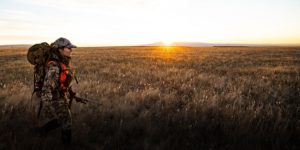
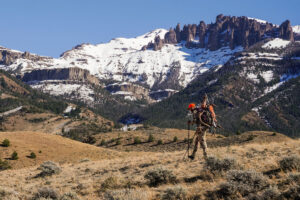
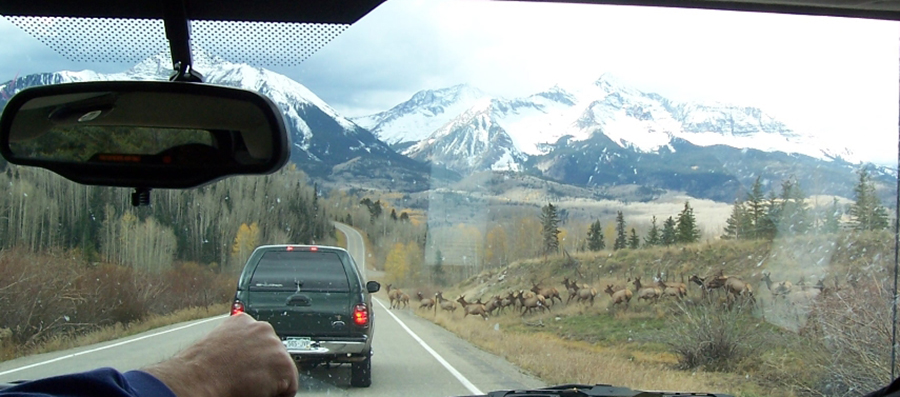
America’s 640 million acres of national public lands provide irreplaceable hunting and fishing opportunities to millions of Americans.

Learn More About Access
What TRCP is Doing

We’re working to safeguard America’s public lands so hunters and anglers always have quality places to pursue their passions.
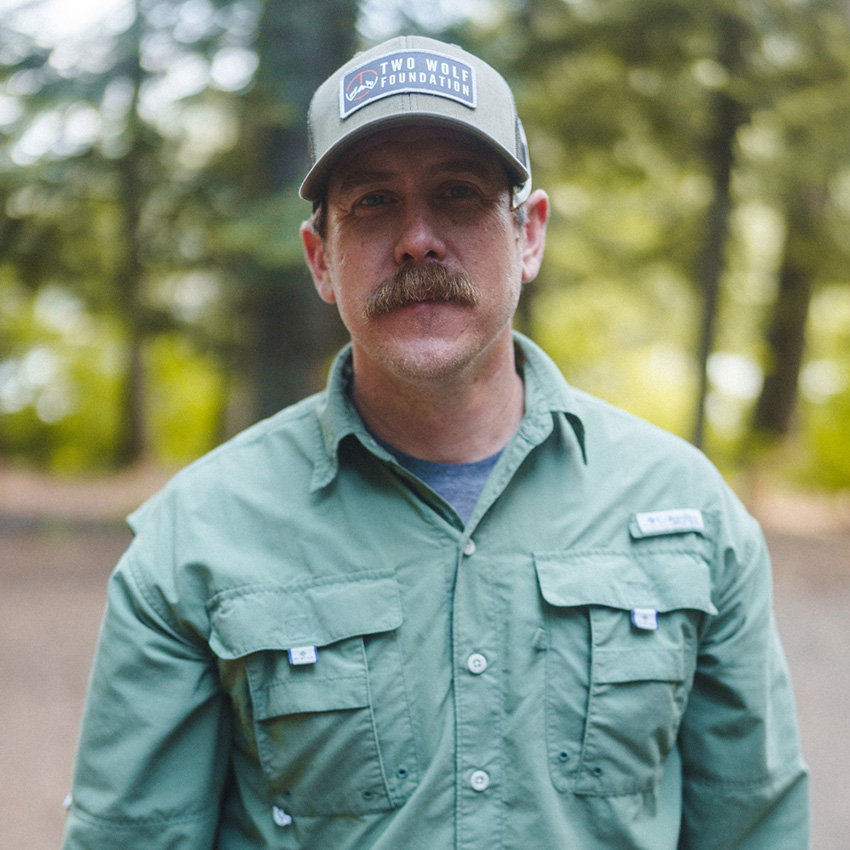
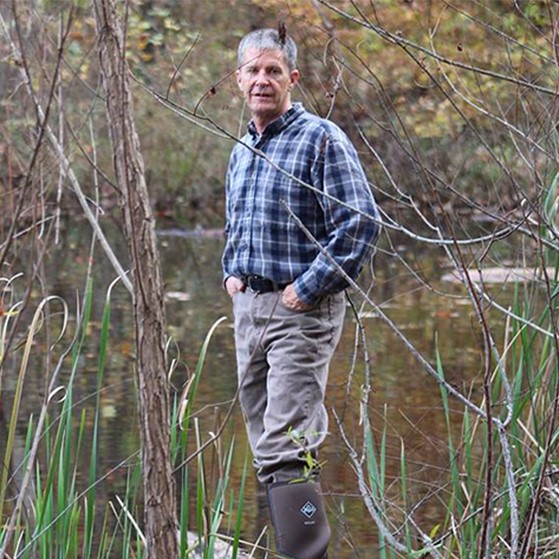
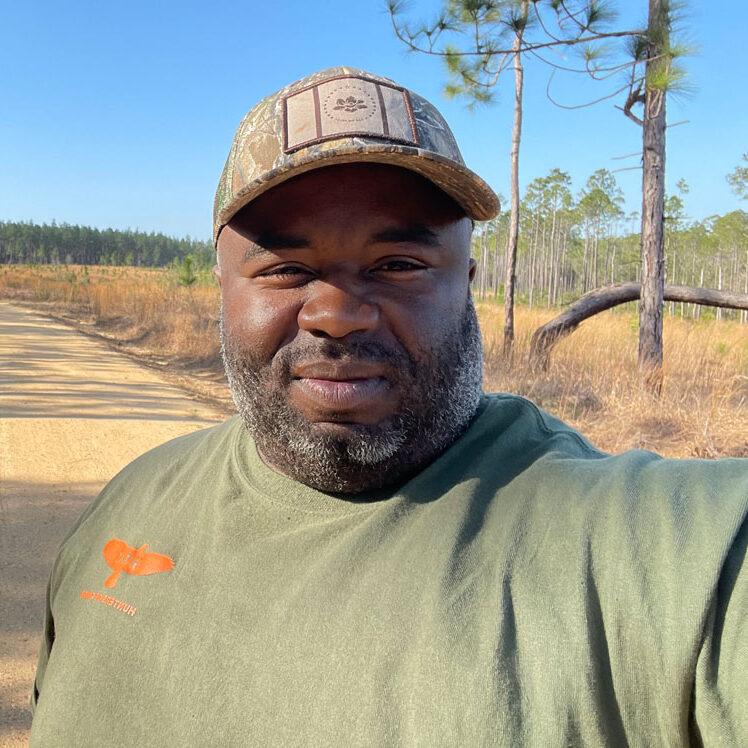
 Brian Flynn, Two Wolf Foundation
How Sportsmen Are Doing It Right

Brian Flynn, Two Wolf Foundation's Story

Following a distinguished career in the U.S. Army, lifelong outdoorsman Brian Flynn returned home from a deployment in Afghanistan and…

Hunting
Why It Matters

Key Issues for America’s Hunters

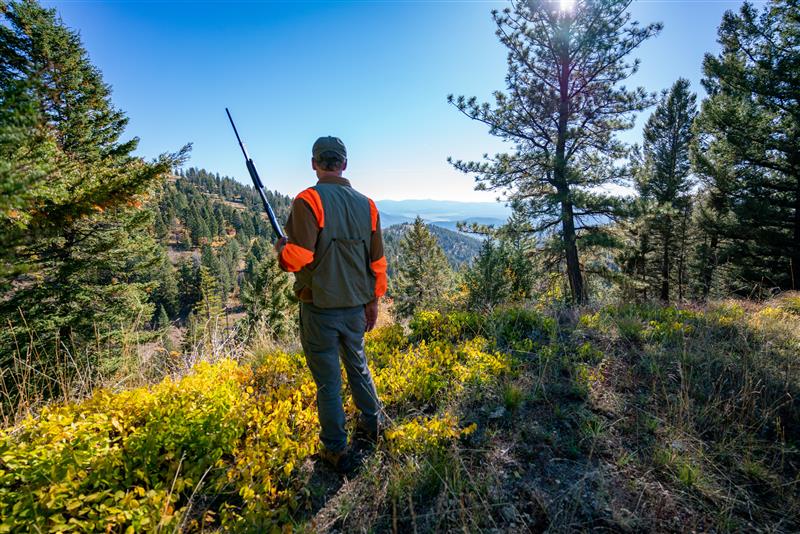
Your source for the latest policy updates, conservation challenges, and opportunities shaping America’s hunting traditions.

What TRCP is Doing

We’re fighting for meaningful policy changes that benefit wildlife, our waters, and the American landscapes that make our outdoor traditions possible.

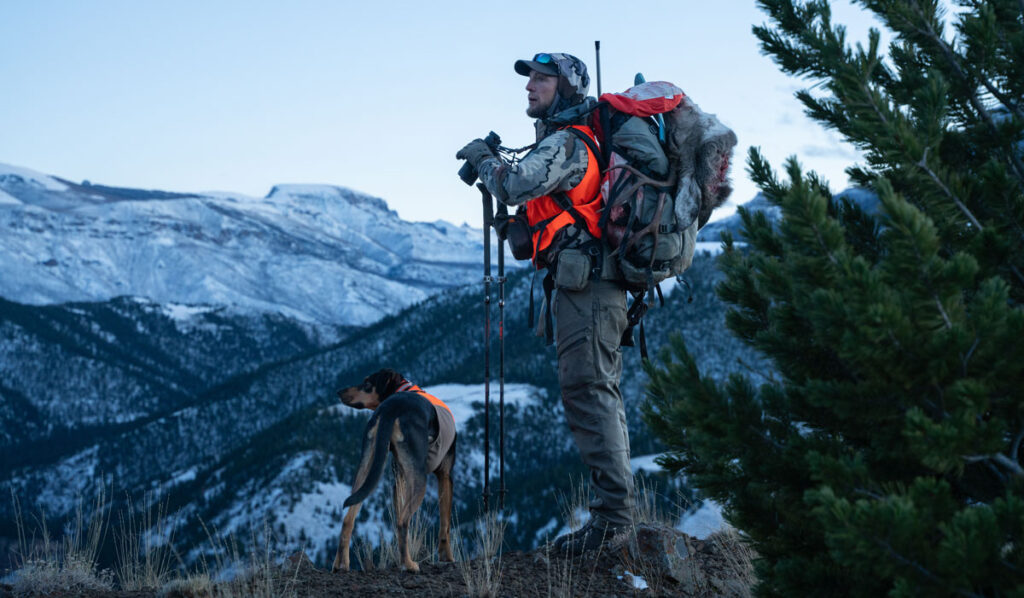
 Ryan Sparks
How Sportsmen Are Doing It Right

Ryan Sparks's Story

TRCP’s “In the Arena” series highlights the individual voices of hunters and anglers who, as Theodore Roosevelt so famously said,…
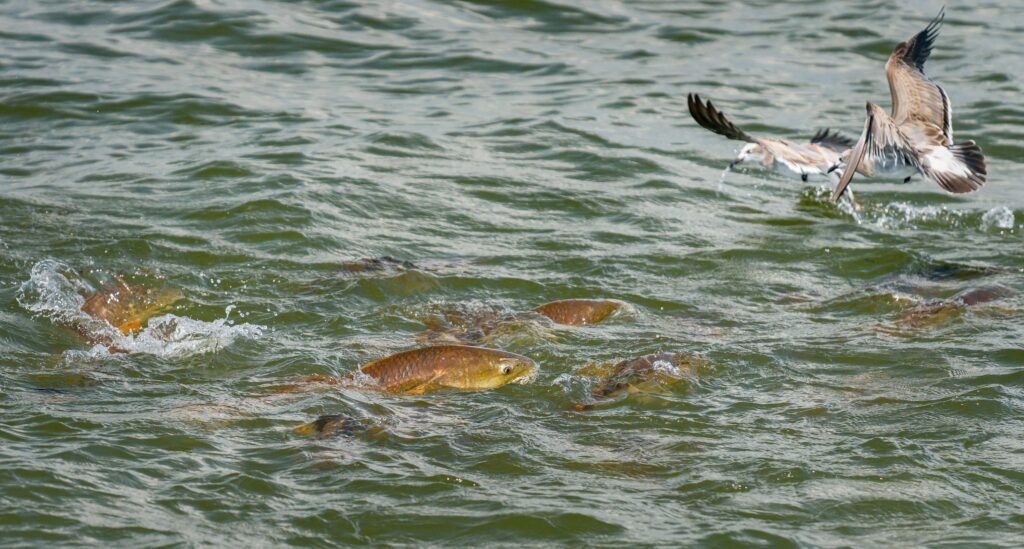
Fishing
Why It Matters

Key Issues for America’s Anglers

Your source for the latest policy updates, conservation challenges, and opportunities shaping America’s fishing traditions.

Sign Up For Forage Fish Updates
What TRCP is Doing

We’re fighting for meaningful policy changes that benefit wildlife, our waters, and the American landscapes that make our outdoor traditions possible.

 David Mangum
How Sportsmen Are Doing It Right

David Mangum's Story

Capt. David Mangum is a YETI ambassador and outdoor photographer who utilizes his talents to produce media that inspire a…

Private Land
Why It Matters

Stewardship on America’s private lands

With 70 percent of U.S. lands in private hands and many of our best hunt and fish opportunities occurring there, investing in voluntary conservation on working lands safeguards access, strengthens habitat and water quality, and ensures resilient landscapes.

Take Action - Farm Bill 2026
What TRCP is Doing

We champion policies and programs that restore wildlife habitat, improve soil and water health, and keep working lands productive.

 Ward Burton
How Sportsmen are Doing It Right

Ward Burton's Story

Ward Burton’s NASCAR driving career stretched across most of two decades. As an avid sportsman and conservationist, he founded the…

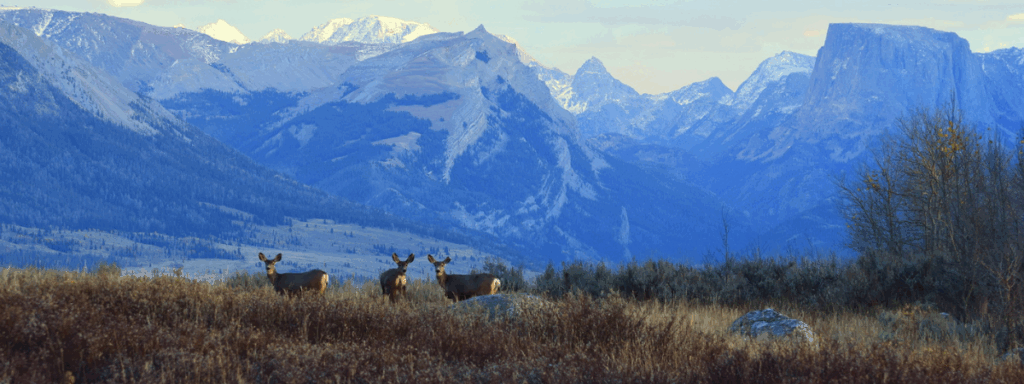
Special Places
Why It Matters

Special Places Worth Protecting

America’s most iconic landscapes provide unmatched habitat and unforgettable days afield. These places sustain wildlife, anchor local economies, and define the hunting and fishing traditions we pass down.

What TRCP is Doing

We’re working to conserve special places that provide world-class habitat and unforgettable opportunities for hunters and anglers.

 Franklin Adams
How Sportsmen Are Doing It Right

Franklin Adams's Story

As a true Gladesman, conservationist, and historian, Capt. Franklin Adams has spent more than six decades championing Everglades restoration efforts…

Habitat & Clean Water
Why It Matters

Healthy Habitat Powers Every Pursuit

All hunting and fishing opportunities depend on quality habitat, from clean water and healthy wetlands to winter and summer habitats and the migration corridors that connect them.

All About Habitat & Clean Water
What TRCP is Doing

We are working to safeguard the habitats that power every hunting and fishing opportunity.

 Alex Harvey
How Sportsmen Are Doing It Right

Alex Harvey's Story

Alex Harvey, founder of Legacy Land Management, is a registered professional forester in Mississippi and Alabama with a Master's degree…

Science
Why It Matters

Science That Guides TRCP

From conserving migration corridors and wetlands to ensuring clean water and resilient landscapes, science provides evidence that turns conservation goals into effective action.

Science for Conservation
What TRCP is Doing

For hunters and anglers, science safeguards the experiences we treasure including resilient big game populations, abundant fish, and wild places that endure changing social landscapes.

Jamelle Ellis
Your Science Expert

Jamelle Ellis's Story

Jamelle Ellis joined the Theodore Roosevelt Conservation Partnership in 2022. Jamelle spent the last three years as an environmental sustainability…

Where We Work
Across the Nation

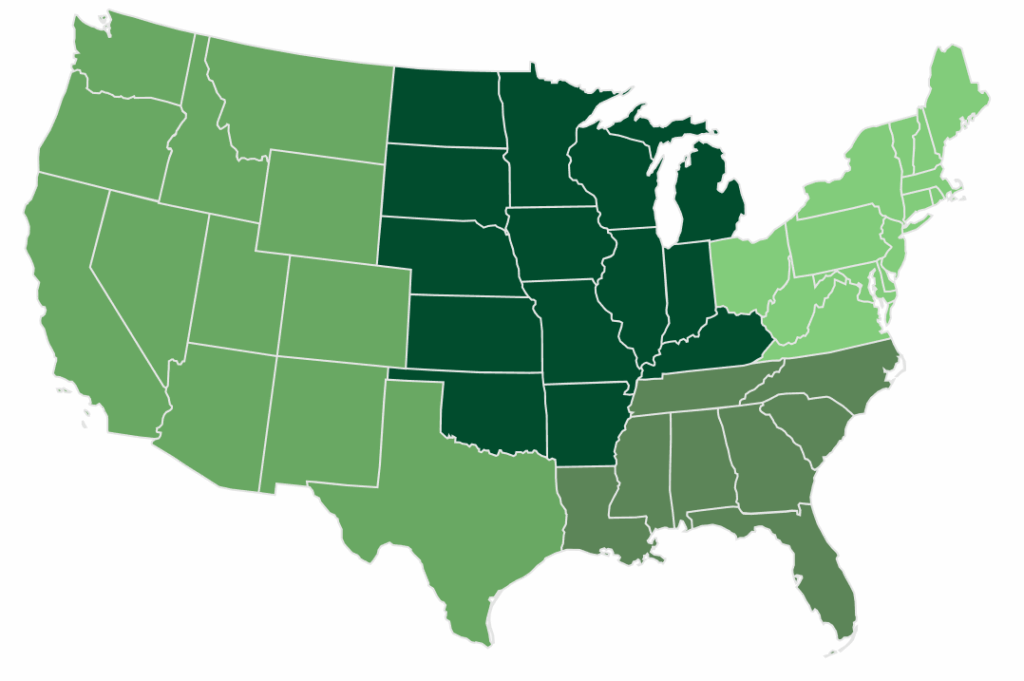
Conservation Across America

TRCP works across the country to ensure hunters and anglers can enjoy healthy fish and wildlife and quality days afield, no matter where they live.

See All Issues
TRCP in Your Region

TRCP works across the country to ensure hunters and anglers can enjoy healthy fish and wildlife and quality days afield, no matter where they live.

Who We Are
Our Mission

To guarantee all Americans quality places to hunt & fish

We unite and amplify our partners’ voices to advance America’s legacy of conservation, habitat, and access.

Our Mission & Values
Our People & Partners
  • Meet the TRCP Team

    Our staff and board members unite and amplify our partners’ voices to advance America’s legacy of conservation, habitat, and access.

    Meet the Team
  • Our Partners

    ‘Partnership’ is in our name. We work with 64 diverse partner groups that represent today’s leading hunting, fishing, and conservation organizations in order to strengthen the sportsman’s voice in Washington, D.C.

    Our Partners
  • Corporate Council

    TRCP’s Corporate Council is made up of diverse corporations that share a common passion for conservation.

    Corporate Council
Our Organization

Looking for more information?

Explore our latest news, policy updates, and conservation resources to get the information you need.

Giving
How You Can Help

To guarantee all Americans quality places to hunt & fish

Your tax-deductible donation will support TRCP's mission, now and into the future.

DONATE
Special Ways to support trcp
  • Capital Conservation Awards Dinner

    The CCAD is one of Washington's best-attended conservation celebrations, featuring dinner, cocktails, and a silent auction.

    Learn More
  • Step Into the Arena

    Help us ensure that our treasured wild habitats and game remain intact for the next generation to enjoy – lend your support to the TRCP’s efforts today!

    Donate
  • Roosevelt Roast

    TRCP has partnered with Afuera Coffee Co. to further our commitment to conservation.

    Learn More
More donation options

Find the best way for you to lend your support. Join one of TRCP’s donor circles for special invitations, premium offerings from outdoor retailers, and more exclusive benefits. Take control of your legacy with planned giving or contribute to special conservation funds.

Other Ways To Give
News
In the Spotlight

TRCP Welcomes Opening of Wildlife Crossings Grants 

Approximately $80 million is now available for projects that keep elk, mule deer, and pronghorn migrations intact, reconnect trout streams and make roads safer for drivers. 

Read More

Stay Informed

Receive our newsletter, the Roosevelt Report, right in your inbox. Never miss the latest news in conservation issues.

by:

posted in:

September 16, 2026

Ruby Mountains

Do you have any thoughts on this post?

XHTML: You can use these tags: <a href="" title=""> <abbr title=""> <acronym title=""> <b> <blockquote cite=""> <cite> <code> <del datetime=""> <em> <i> <q cite=""> <s> <strike> <strong>

Comments must be under 1000 characters.

by:

posted in:

September 15, 2026

In the West: A Wildland Firefighter’s Perspective

A former Hotshot on the night California’s Cedar Fire jumped the line, and legislation that could shape how we prepare for the next one. Part of a TRCP series on wildfire, forest health, and what this fire season means for hunters and anglers.

My saw partner looked over his shoulder and yelled, “Run, Coston, the fire has jumped the line!” 

It was late October of 2003, and it was my third fire season as a wildland firefighter with the U.S. Forest Service (USFS) and my first full season on a Type 1 Interagency Hotshot Crew. 

We should have already wrapped up our season, but California was in an extreme drought, and we had been dispatched to help fight the 11 different fires burning across Southern California. We had been assigned to the newly started Cedar Fire burning just outside of San Diego. The Cedar Fire was being fueled by 60 mph Santa Ana winds and was gobbling up 4,000–5,000 acres an hour. That first night, the fire burned over 100,000 acres of dense chaparral brush, killed 12 people, and destroyed hundreds of homes. 

Our Hotshot Crew had been working for nearly 24 hours straight, clearing brush, lighting backfires, and creating fuel breaks around homes. We would start to get a good anchor point from which to flank the fire when the winds would switch directions, and we would have to pull back and retreat to a safety area and watch all our hard-fought progress go up in flames. That’s when the call came in to move locations and start prepping line around the town of Julian for a backfiring operation. 

We had now been working for over 36 hours near the town of Julian. We desperately needed a buffer between the town and the fast-approaching flames. So, we cut a fire line and started burning off the vegetation between the fire and our fire line. That’s when the wind suddenly shifted directions, pushing the fire back at us and sucking our backfire in. When the two fires collided, the flames exploded and curled over our crew and the road, showering sparks and burning embers back over our line. All we could do now was run! 

As we scrambled back up the hill, flames curled over our heads and rivers of sparks rushed up ahead of us. Embers swirled around our feet and up our legs like molten water. Trees that only minutes before were reaching across the road as if to comfort each other were now a flaming tunnel that was our only escape route. 

We all made it out and went on to fight the Cedar Fire, working nonstop for over 56 hours in an attempt to save what we could around the town of Julian, but ultimately the fire, the fuels, and the extreme weather conditions were too much! 

In my eight years with the U.S. Forest Service as a wildland firefighter, I saw this same scenario play out repeatedly across the West and in my home state of Nevada. Extreme weather conditions and dense vegetation around homes combine with a careless spark or lightning strike, and the catastrophic end results are tragic. 

I have also seen the direct results of proactive wildfire fuels reduction coupled with low-intensity controlled burns that protect at-risk communities. This type of proactive fuels management can maintain a more resilient, fire-adapted ecosystem that protects our wildland-urban interface communities, our wildlife habitat, and our first responders. 

My time as a wildland firefighter is behind me, but my time affected by wildfire is far from done. Whether it is living in Storey County – one of the most at-risk communities for catastrophic wildfire – or dealing with the aftermath of the recent wildfires in Washoe County as a hunter and angler, wildfire is still very much a part of my life. 

My current work as TRCP’s Nevada field representative has made me more aware of the need for enhanced land management tools to develop landscape resilience to wildfire. Years of accumulated fuels, unhealthy forest conditions, invasive vegetation, and degraded watersheds have made fire suppression more difficult. Wildfires are burning longer and at greater intensities. Today’s fires require new strategies, tactics, and tools. Not just tools like Pulaskis and shovels; our firefighters and land managers need legislative tools to combat today’s growing wildfire threat. 

One such tool that has the potential to do just that is the Fix Our Forests Act (FOFA). FOFA is legislation designed to speed up active forest management and works to reduce fuel loading around communities while building fire resiliency into the landscape. Over time, the size and severity of the wildfires around at-risk communities will be diminished if we can implement these proactive approaches. Our firefighters and land managers need the ability to perform active forest management at a pace that reflects the urgency of the current threat. They need a full range of management tools, including selective logging, mechanical thinning, prescribed fire, and a robust and highly coordinated workforce. 

Had many of the proactive approaches outlined in FOFA been in place and utilized around at-risk communities in Southern California, the devastation caused by the Cedar Fire could have been reduced. Even in extreme weather and drought conditions, fire-resilient landscapes with strategically placed fuels treatments can reduce fire intensity as a wildfire approaches communities, providing firefighters greater opportunities to safely and effectively engage in suppression efforts. 

The same work that can give firefighters better opportunities to safely engage a wildfire can also produce healthier forests, more resilient watersheds, and better wildlife habitat. 

By the time the 2003 Cedar Fire was fully contained, it had burned over 270,000 acres, destroyed 2,232 homes, and took the lives of 14 civilians and 1 firefighter. At the time, it was the worst fire in California’s history. 

Twenty years later I still find myself thinking about the Cedar fire and how it influenced my firefighting career and my view of wildfire. I saw how fire is a tool that is both destructive and as a needed regenerative force on the landscape. Though I no longer carry a chain saw or a Pulaski, I am still impacted and influenced by wildfire and fire management in Nevada and across the west. As a hunter, angler, and conservationist, I see how fire plays a vital role in the preservation of fire adapted landscapes and can ensure that future generations get to enjoy them as much as I have. The same motivations that lead me to become a fire fighter are the same motivations that fuel what I fight for now. The preservation of our outdoor heritage and those landscapes, habitats, and recreational opportunities that fuel our passion and love for the outdoors.

Learn more about the Fix Our Forests Act HERE


This is part of a TRCP series on wildfire, forest health, and what this fire season means for hunters and anglers. Read the others:

by:

posted in:

September 14, 2026

MAPOceans Act Heads to President’s Desk for Signature

Bill will direct federal agencies to modernize accessibility to saltwater recreational fishing regulations and marine waters navigation information

The Theodore Roosevelt Conservation Partnership joins America’s saltwater anglers, hunters, recreationists, and marine industry advocates in celebrating House passage of the Modernizing Access to Our Public Oceans Act (S. 759). The MAPOceans Act is now headed to President Trump’s desk to be signed into law. 

The Act will direct the standardization, consolidation, and digitization of boating and recreational fishing information for federally managed marine waters and federal fisheries administered by the National Oceanic and Atmospheric Administration.  

The bipartisan legislation is led by U.S. Senators Angus King (I-Maine) and Ted Cruz (R-Texas) and Representatives Russell Fry (R-S.C.) and Mike Levin (D-Calif.). 

“America’s vast offshore waters and diverse, federally managed saltwater fisheries offer incredible angling opportunities, but these experiences can be hampered by complex regulations and difficulty accessing necessary place-based information,” said Joel Webster, chief conservation officer for the Theodore Roosevelt Conservation Partnership. “The MAPOceans Act ensures a simpler way to fish and boat with the confidence that site-specific rules and regulations are being followed, and enables expanded fishing opportunities by digitizing information to ensure that anglers can more easily locate the information they need. TRCP joins America’s sportsmen and women in thanking Senators King and Cruz, and Representatives Fry and Levin, for championing this bipartisan, access-oriented legislation.”  

The Act builds on the success of the MAPLand Act, passed in 2022, and the MAPWaters Act, which passed in 2025, by directing NOAA to digitize navigation and recreational use rules for marine waters and federal fisheries, and to make those resources readily available to the public.  

“The MAPOceans Act will improve access to critical navigation and fishing access restrictions for America’s 15.5 million saltwater anglers, allowing them to get the most out of their time on the water,” said Mike Leonard, vice president of government affairs at the American Sportfishing Association. “We are thrilled to see the bill pass the House and be sent to the president to be signed into law.” 

The newly digitized public information available through the full implementation of MAPOceans will include: 

  • Waterway Status: Which waterways are open or closed to entry or watercraft, low-elevation aircraft, or diving. 
  • Propulsion Limits: Geographic areas of waterways with restrictions on motorized propulsion, engine horsepower, or gasoline fuel. 
  • Vessel Restrictions: Rules detailing which types of watercraft – such as motorboats, personal watercraft, airboats, or non-motorized boats – are permitted in specific areas. 
  • Fishing Boundaries: The location and geographic boundaries of fishing restrictions on recreational fishing, including full or partial closures, no-take zones, and fishing restrictions within or surrounding marine protected areas. 
  • Gear and Bait Regulations: Fishing rules concerning specific types of equipment or bait, such as mandates or restrictions on the use of circle hooks, descending devices, and trolling. 

“Final passage of the bipartisan MAPOceans Act marks an important step toward making federal fishing regulations clearer and more accessible for America’s anglers and boaters,” said Chris Horton, Senior Director of Fisheries Policy for the Congressional Sportsmen’s Foundation. “By bringing information about fishing boundaries and restrictions into modern mapping technology, this legislation will give anglers greater confidence on the water. We thank the Members of the Congressional Sportsmen’s Caucus who have championed this legislation in both chambers for their leadership and look forward to seeing it signed into law.” 

“Access to America’s public waters starts with giving boaters and anglers clear, accurate information about where they can go and how they can safely enjoy time on the water,” said Frank Hugelmeyer, president and CEO of the National Marine Manufacturers Association (NMMA). “The MAPOceans Act brings federal marine data into the 21st century by making important information about access, navigation, fishing regulations, and waterway restrictions easier to find and use. NMMA thanks Representatives Russell Fry and Mike Levin for their bipartisan leadership and urges Congress to send this commonsense legislation to the President’s desk.”

Learn more about TRCP’s work to improve your access to public lands and waters HERE. 

Photo credit: Paul Dixon

by:

posted in:

A Dispatch from WY: From Fireline to Forest and Energy Policy 

A former wildland firefighter reflects on what it takes to keep Wyoming’s sagebrush country healthy, and the legislation that could help. Part of a TRCP series on wildfire, forest health, and what this fire season means for hunters and anglers.

Dust and ash blotted out the sky as 40mph winds whipped my dingy yellow shirt against my chest. I could still see flames from the House Draw Fire popping up periodically as I parked my side by side a safe distance away and walked into the black. I took my tablet out to record the location of a power pole which had been completely burned at the base, leaving it suspended by the powerlines that had hopefully been turned off. As a Fireline Resource Advisor, it was my job to protect natural resources and other values during wildfire operations, ensuring that fire suppression activities don’t do more damage to the landscape than the actual wildfire itself.  

When I hiked to the top of the hill to record the damage to the telephone pole, the phone in my pocket buzzed. 

It was a job offer from the Theodore Roosevelt Conservation Partnership. 

The summer before I joined TRCP, I had been on multiple fire assignments across the country. I was what’s called a “militia” firefighter; someone trained as a fire fighter but holds a different full-time position within the agency that was not necessarily fire related. But these days, everything is fire related. During my last summer with the BLM, I served with the National Burned Area Emergency Response Team (BAER team) as a rangeland ecologist on the Durkee fire in eastern Oregon. Ecologically, the area was fairly similar to where I live in Wyoming, but after years of large wildfires, Invasive Annual Grasses (IAG) had infiltrated the area and the fire cycle shifted from every 60-80 years, to every 5 years. With the House Draw Fire, which burned 174,000 acres, our northeastern Wyoming ecosystem shifted from sagebrush steppe to an annual grassland in less than 48 hours.

Fire cycles describe the predictable, historically established pattern of wildfire occurrence in an ecosystem, including frequency, intensity, size, and season that has evolved alongside the region’s climate and ecology over time. Much of the West is a fire-adapted ecosystem, meaning the types of plants that grow here, and the animals that feed on those plants as well as the animals that feed on those animals, all depend on regular fires in some way. Prairies, Savannahs, and some forests are all examples of fire adapted ecosystems, but sage brush takes longer to regenerate.  

None of this means fire is the enemy; in fact, fire has been used as a land management tool in North America for thousands of years. I’ve stood in the smoke of a prescribed burn in Northeastern Wyoming and watched it creep low and slow through the understory, clearing ladder fuels and leaving the ancient Ponderosa Pines standing, creating high-quality habitat for elk, Great-Horned Owls, and long eared bats. A few seasons later, that ground is thick with grass and forbs, and the elk know it before I do. That’s fire working the way this landscape evolved to expect it – through slow, low temperature fire that leaves the soil intact instead of scorched earth where invasive weeds can get established faster than native plants.  

Sagebrush does not regrow after a fire like perennial grasses and forbs do, nor is it serotinous like the lodgepole pines that make up the Big Horn Mountains; it regenerates by dispersing seeds in the wind from the seed banks stored in the unburned islands of the sagebrush sea. Not only is it slower to regrow after a fire, but it is often outcompeted by the tenacious annual grasses that rapidly infiltrate a burned area. Sometimes, the seeds from these IAGs are inadvertently brought in by firefighters themselves. Invasive annual grasses, such as Cheatgrass, Medusa Head, and Ventenata increase the frequency and intensity of the wildfire regime. With an increase in fire and a decrease in sage brush, comes a cascade of consequences that, once begun, is nearly impossible to reverse. 

A catastrophic wildfire can set off a chain reaction that can reshape an entire sagebrush ecosystem. When fire burns through sagebrush, IAGs can move in and prevent native vegetation from recovering. As the landscape changes, conifers—especially junipers—can encroach, consuming large amounts of water, lowering the water table, and reducing flows in streams and springs. With less surface water and fewer nutritious plants, cattle and wildlife such as mule deer and elk have fewer resources to survive and may be forced to move elsewhere. Over time, what was once a healthy sagebrush steppe supporting a diverse array of wildlife can become a degraded, sparsely populated landscape with diminished capacity for hunting, fishing, ranching, and other outdoor recreation opportunities. 

When I left public service for the nonprofit world, I brought my deep personal connection to the landscape, and an intimate understanding of the interconnection between flora, fauna, and fire. When I stalk through the deep timber of the Big Horn mountains looking for elk, I see a landscape shaped by epochs of alternating fire and ice.  But without regular fire, or the ability to conduct fuel mitigation projects, those trees become so tightly packed that elk avoid the areas that are impossible to move through; the ladder fuels build up, and catastrophic crown fires become inevitable. With those catastrophic fires comes the risk of invasive weeds, reduced forage for wildlife, and bare topsoil that comes rushing off the mountain in landslides that bury buildings, wipe roads off the map, and fill in streams at the first inclination of rain. 

Freshwater streams that are tender enough to sustain native trout populations are furious enough to spend millennia carving through solid granite bedrock. But these streams can take decades to fully recover on their own from the erosion after a wildfire. Trout cannot survive in warmer waters with fine particles of ash in their gills. That kind of damage is possible to prevent – but only if people and funding show up at the right time.   

 These days, everything is still related to fire. Even as the Energy Policy Advisor for TRCP, my work is related to fire through the impacts of policies that we advocate for – including the Fix Our Forests Act (FOFA), legislation working its way through Congress to speed up active forest and rangeland management. Though I am no longer a BLM range tech, or a militia fire fighter, I still serve as a volunteer firefighter in my community.  

FOFA speeds up active management –  like the low-and-slow prescribed burns I participated in while at the BLM – before a fire cycle breaks in the first place. It also strengthens the workforce behind that work, including the militia firefighters who perform all of the necessary logistical needs of fire management. For hunters and anglers, that means forage for elk and mule deer before cheatgrass takes hold, and cold-water streams that don’t choke on ash and sediment for a generation. FOFA also designates high-risk Fireshed Management Areas and, for the first time in legislation, authorizes watershed and riparian restoration inside them – protecting the same trout streams and water tables that are impacted by the plants surrounding them. 

I drive through the burn scar of the House Draw Fire regularly and see the grasses that have replaced the black that spread as far as the eye can see. I didn’t know that day that I was about to trade a Nomex shirt for a desk, but I’ve never really left the fire line behind; I just moved to a different position on it. What I want, working this job instead of that one, is for the next militia firefighter who takes that call to walk into country that still knows how to burn the way it’s supposed to – and regenerate the way it’s supposed to, leaving a clean slate for healthy plants and animals to thrive in. That’s what active management, and legislation like FOFA, is working toward: fewer catastrophic burns, and healthier regeneration. That’s the work in front of us now. 

Learn more about the Fix Our Forests Act HERE


This is part of a TRCP series on wildfire, forest health, and what this fire season means for hunters and anglers. Read the others:

by:

posted in:

September 9, 2026

Bipartisanship Builds Bridges for Big Game Across the West

The Bipartisan Power of Us – the Hunting and Fishing Community – is Exemplified in Department of Interior’s Secretarial Order 3362 

In a period where every day brings new challenges, this summer’s Western Association of Fish and Wildlife Agencies (WAFWA) meeting served as a reminder that some of conservation’s greatest successes come from sustained partnerships focused on shared goals over time. 

It is hard to believe that just eight years ago, then Department of the Interior Secretary Ryan Zinke signed Secretarial Order 3362. This order directed funding to state wildlife agencies to collect and analyze migration data and restore habitat. The goal was to protect and improve seasonal ranges and migration routes for deer, elk, and pronghorn across 11 Western states. 

More importantly, the order created a framework for states, federal agencies, landowners, conservation organizations, and industry partners to work from a common understanding of wildlife movement across the West. In less than a decade, SO 3362 has helped map 237 separate migration routes. These are all recorded in the Ungulate Migrations of the West Atlas Project, and “migration corridor” has fully entered the vernacular of wildlife professionals and conservationists across the West. 

The Success of SO 3362 

The order’s success is nothing short of amazing. Not only has SO 3362 been funded under both Republican and Democratic administrations, but its DNA has now filtered into policy and action from the Bureau of Land Management, U.S. Fish and Wildlife Service, energy companies, and state and federal highway departments. 

According to WAFWA statistics, the BLM contributes $30 million per year to habitat improvement projects and has contributed $10 million to the National Fish and Wildlife Foundation’s Western Big Game Seasonal Habitat and Migration Corridors Fund. That in turn has leveraged more than $70 million in matching funding from states, non-profit organizations, and private landowners.  

In the order’s first five years, SO 3362 funding removed or modified 1,250 miles of fencing, enhanced more than 3 million acres of big-game wildlife habitat, and installed or maintained 1,500 water development projects for wildlife. 

The numbers are awesome, but they are not the only measure of the order’s success. Its guidance has informed how federal land managers make decisions.  A notable example came in 2024, when the BLM incorporated state agency migration and winter range data into utility-scale solar planning across the West, evaluating current science and mapping techniques to ensure future solar energy development maintains core big game migration routes.  

It has also generated unique momentum in a variety of ways across the West. Every western state is working to enhance habitats and address barriers to migration, but each has its own twist and timeline, many of which are guided by state executive orders and policies created to determine a unique set of priorities for wildlife migration and movement. 

A snapshot of recent activity in western states 

Wyoming has a long history of investment in big game corridor conservation and recently implemented recommendations under Wyoming Executive Order 2020-001 to recognize the Sublette Pronghorn Migration Corridor. The Idaho state legislature officially recognized the importance of big game migration corridors and public safety in a resolution passed in March 2026. Nevada’s Department of Wildlife released a state Connectivity Plan in 2026 that offers a flexible roadmap to protect big game migration corridors across the state. Utah wildlife biologists are getting a seat at the table on data center siting because of migration data; New Mexico is working with Conoco-Phillips to take down fences for pronghorn. In Oregon, the legislature dedicated a share of the state’s transient lodging tax to wildlife connectivity through House Bill 4134 and paired it with House Bill 2978, creating a durable source of non-federal match that will fund crossing infrastructure and habitat improvements along the state’s Priority Wildlife Connectivity Areas while bringing Oregon’s wildlife and transportation agencies to the same table to reduce collisions. Montana has tapped into a unique funding source with its new wildlife crossing license plates. Colorado passed a bill in the 2026 legislative session that creates a dedicated stream of funding for wildlife crossings. Arizona continues to build on its wildlife crossing leadership with additional infrastructure projects like the Willard Springs overpass near Flagstaff, AZ. 

Research to better understand how and where wildlife move is developing rapidly, improving wildlife agency understanding of how to best manage species. Across the western United States, agencies are working on answering questions about topics including, but not limited to: solar farms and migration route proximity, where the most effective crossing sites can be located, and how migration corridors are informing municipalities how they should plan their future growth.  

Bipartisanship is a core component of its success 

While the conservation successes in each state vary, the common thread is bipartisan partnership. Across multiple federal and state administrations, land and wildlife management agencies, hunting, fishing and conservation groups, landowners, and industries have remained committed to conserving big game migration habitat. 

Congress is considering legislation to help codify the federal programs that created this momentum to conserve migration routes through The Wildlife Movement and Partnerships Act, and there is strong bi-partisan support to reauthorize the Wildlife Crossings Pilot Program. At the same time, multiple state legislatures are creating new funding sources that states can employ to finance wildlife crossing infrastructure. 

The Department of the Interior continues to invest in SO 3362. In February 2026, $15 million in funding for the National Fish and Wildlife Foundation was included in priorities of the Make American Beautiful Again Commission to assure big game have a home on both ends of their seasonal journey. 

Eight years after Sec. Zinke signed SO 3362, its influence can be seen in wildlife crossings, habitat restoration projects, federal planning decisions, and state conservation initiatives across the West. More importantly, it demonstrates what is possible when hunters and anglers, agencies, landowners, researchers, conservation groups, and policymakers remain committed to a common conservation goal over time. 

As conversations at this year’s WAFWA Summer Meeting made clear, the future of migration conservation will depend on continuing the same collaborative approach that made SO 3362 such a remarkable success story. 

Learn more about TRCP’s work on migration corridors here. 

Learn more about WAFWA’s Wildlife Movement and Connectivity Initiative here. 


The TRCP is your resource for all things conservation. In our weekly Roosevelt Report, you’ll receive the latest news on emerging habitat threats, legislation and proposals on the move, public land access solutions we’re spearheading, and opportunities for hunters and anglers to take action. Sign up now.

HOW YOU CAN HELP

TRCP has partnered with Afuera Coffee Co. to further our commitment to conservation. $4 from each bag is donated to the TRCP, to help continue our efforts of safeguarding critical habitats, productive hunting grounds, and favorite fishing holes for future generations.

Learn More

You have Successfully Subscribed!

You have Successfully Subscribed!

You have Successfully Subscribed!

You have Successfully Subscribed!